


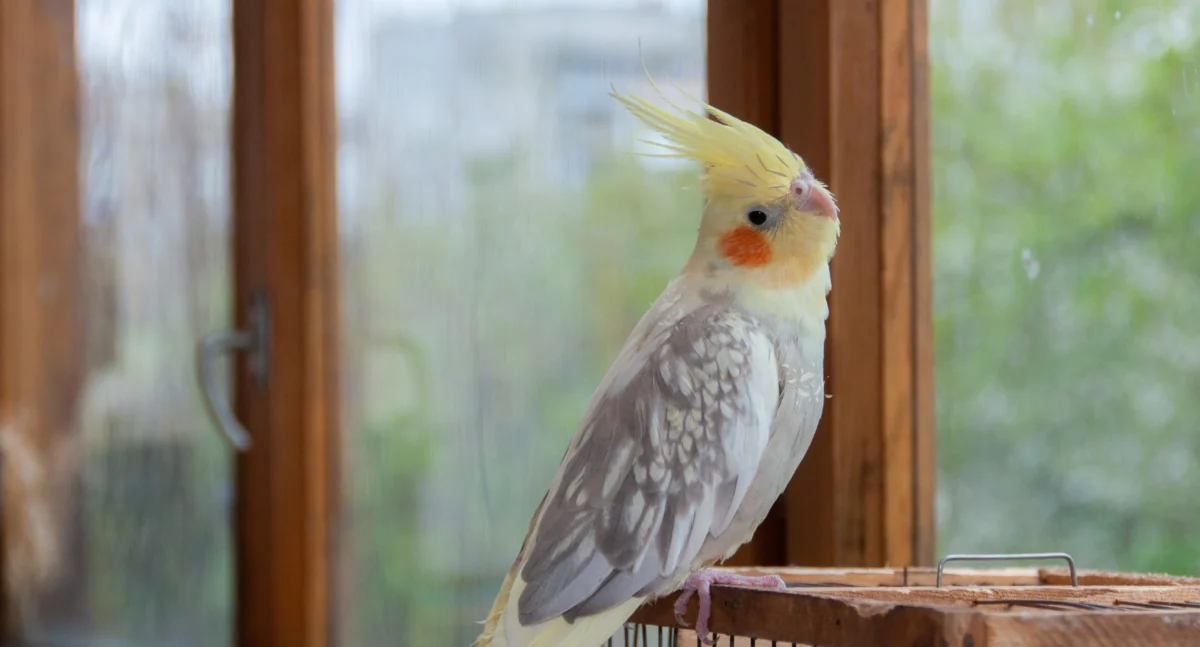
The natural cycle of feather renewal, known as molting, is a fundamental biological process for cockatiels and all avian species. While essential for maintaining flight, insulation, and protection, it can often be a source of anxiety for owners who observe a sudden increase in shed feathers, changes in their bird’s demeanor, and the emergence of sensitive "pin feathers." This guide aims to demystify the cockatiel molt, providing comprehensive insights into its biological underpinnings, typical manifestations, and actionable strategies for supportive care, ensuring pet owners can confidently distinguish normal physiological changes from potential health concerns.
The Biological Imperative of Feather Renewal
Molting is far more than just losing old feathers; it is a vital physiological process that ensures a bird’s plumage remains in optimal condition. Feathers are complex structures composed primarily of keratin, a fibrous protein. Over time, these feathers endure significant wear and tear from daily activities such as flying, preening, environmental exposure, and physical contact. Damaged or worn feathers compromise a bird’s ability to fly efficiently, regulate body temperature, and protect itself from the elements. Consequently, nature has endowed birds with an innate mechanism to systematically replace their entire feather coat, usually multiple times a year.
The process is metabolically demanding, requiring significant energy and a rich supply of specific nutrients. The formation of new feathers draws heavily on the bird’s protein reserves, particularly amino acids like methionine and cysteine, which are crucial for keratin synthesis. Additionally, vitamins such as A and biotin, alongside essential minerals like calcium, play critical roles in supporting healthy feather growth and skin integrity. A deficiency in any of these vital components during a molt can result in poor feather quality, characterized by dullness, brittleness, or improper formation, ultimately impacting the bird’s overall health and well-being.
Understanding the Cockatiel Molting Cycle: A Chronology
The timing and intensity of molting in cockatiels can vary, influenced by a combination of age, environmental factors, and individual health. Recognizing these patterns is key to providing appropriate care.
- Juvenile Molt: The first significant molt experienced by young cockatiels typically occurs between 6 and 12 months of age. This crucial developmental phase marks the transition from their soft, downy "baby feathers" to the more robust, vibrantly colored adult plumage. During this period, owners may notice substantial feather loss and the emergence of distinct pin feathers, particularly around the head and body. This molt is often more intense than subsequent seasonal molts as the bird’s body undergoes a complete structural transformation of its feather coat.
- Seasonal Molts: Following the juvenile molt, adult cockatiels generally undergo seasonal molts, most commonly in the spring and fall. These periods are often synchronized with changes in natural daylight hours (photoperiod) and temperature fluctuations, which act as environmental triggers. For wild birds, these molts prepare them for breeding season (spring) or the colder months (fall), ensuring their plumage is optimized for the demands of reproduction or harsh weather. The intensity of seasonal molts can vary; some birds experience a light, gradual shedding, while others undergo a more dramatic, heavy molt.
- "Soft Molts" in Captivity: Indoor cockatiels, living in controlled environments with artificial lighting and consistent climate, may not adhere to a strict seasonal molting schedule. The absence of natural light cycles can disrupt the hormonal cues that regulate molting, leading to what are often termed "soft molts." These can be prolonged, more frequent, or seemingly random, with birds shedding a few feathers consistently rather than in distinct cycles. While generally normal for pet birds, a persistently prolonged or exceptionally heavy "soft molt" warrants veterinary attention to rule out underlying health issues.
- The Pin Feather Stage: A hallmark of active molting is the appearance of "pin feathers." These are new feathers emerging from the follicles, encased in a waxy, keratinized sheath. They appear as stiff, spiky structures, often white or translucent, and are particularly noticeable on the head, neck, and wings. As the feather matures, the blood supply within the shaft recedes, and the bird or its mate will preen, breaking down the sheath to allow the new feather to unfurl. During this stage, pin feathers can be highly sensitive and even painful, as they contain a developing blood supply. Owners must be careful not to forcibly remove these sheaths or pluck pin feathers, as this can cause significant pain, bleeding, and potential damage to the feather follicle, potentially leading to permanently deformed feathers or chronic plucking behavior.
Identifying a Molt: Visual and Behavioral Cues
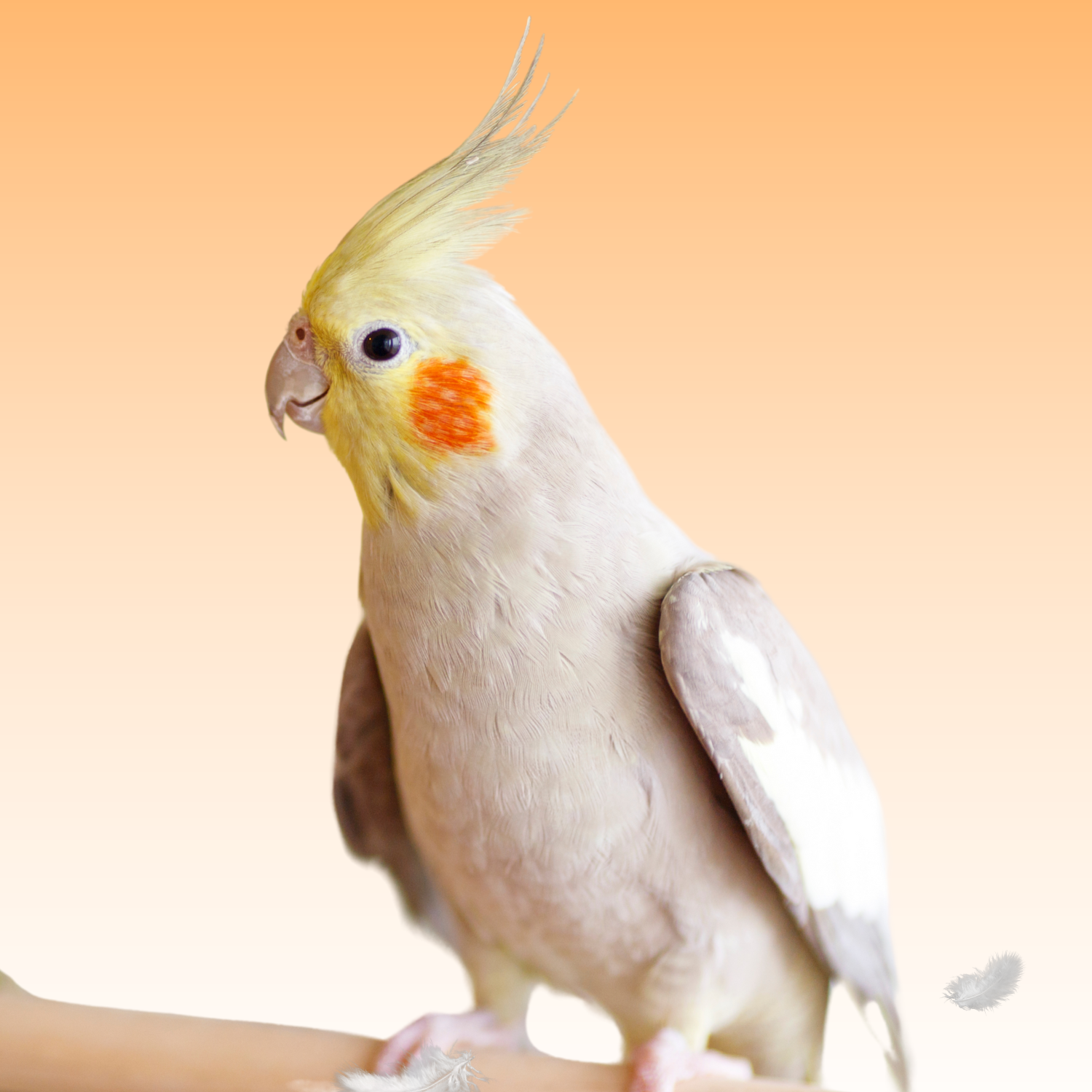
Recognizing the signs of a normal molt is crucial for providing appropriate care and differentiating it from more serious health concerns.
- Feather Shedding Patterns: A key indicator of molting is the presence of shed feathers at the bottom of the cage. Normal molting typically involves symmetrical feather loss, meaning corresponding feathers on both sides of the body (e.g., primary flight feathers on the left and right wings) will be shed around the same time. This symmetry helps maintain the bird’s balance and flight capability during the process.
- Appearance of Pin Feathers: As discussed, the emergence of new pin feathers is a definitive sign of molting. These can often be seen by gently parting the feathers on the bird’s head, chest, or under the wings.
- Behavioral Changes: Molting places significant physiological stress on a cockatiel, and owners may observe changes in behavior:
- Reduced Activity and Vocalization: The energy expenditure required for feather growth often leads to increased lethargy, quieter periods, and less enthusiastic chirping or singing.
- Increased Preening and Scratching: Birds will spend more time preening themselves, focusing on breaking down the keratin sheaths of new pin feathers. They may also rub their head and neck on perches or cage bars to aid this process.
- Sensitivity and Reluctance to Handle: Due to the tenderness of developing pin feathers, a molting cockatiel may be more irritable or reluctant to be handled or petted, especially in areas with many new feathers. Owners should respect this sensitivity and offer alternative forms of affection, such as gentle talking or singing.
Differentiating Molting from Health Concerns: When to Seek Veterinary Advice
While molting is a natural process, certain symptoms can mimic molting but indicate underlying health problems. It is paramount for owners to understand the distinction and know when to consult an avian veterinarian.
-
Warning Signs that Require Immediate Attention:
- Bald Patches or Asymmetrical Feather Loss: While molting involves feather loss, it should be gradual and symmetrical. Bald spots, particularly if persistent or localized to one area, are abnormal.
- Skin Abnormalities: Red, swollen, scabbed, or irritated skin beneath the feathers is a significant warning sign, potentially indicating infection, parasites, or self-mutilation.
- Excessive Plucking or Chewing: If a bird is actively pulling out its own feathers, creating bare patches, or damaging existing feathers, this is not normal molting behavior. Feather plucking can be a complex issue stemming from medical conditions (e.g., mites, bacterial/fungal infections, PBFD, Polyomavirus, liver disease, allergies), nutritional deficiencies, or psychological stress (e.g., boredom, anxiety, lack of enrichment).
- Bleeding: Molting should not cause bleeding. If a broken pin feather is bleeding excessively, it indicates a "blood feather" injury that may require veterinary intervention to stop the bleeding.
- Extreme Lethargy or Weakness: While some reduced activity is normal, extreme fatigue, inability to perch, or general weakness are serious signs of illness.
- Changes in Appetite or Droppings: A significant decrease in food intake or noticeable changes in the consistency, color, or volume of droppings are critical indicators of illness.
- Self-Isolation or Hiding: While molting birds may be quieter, prolonged hiding or complete withdrawal from interaction can signal distress or illness.
-
Expert Consensus on Differentiation: Avian veterinarians emphasize that a normal molt is a gradual, even process across the body, with new feathers emerging symmetrically to replace old ones. Feather plucking, in contrast, tends to be targeted and patchy, often focused on specific areas the bird can reach, and can involve the destruction of healthy, mature feathers. Dr. Diane Burroughs, LCSW, an expert in avian behavior, highlights that "When birds are plucking, they tend to fixate on one area, picking at the same spot repeatedly and intensely. In contrast, normal preening looks more relaxed and rhythmic, as they move from feather to feather, gently grooming each one." Understanding this subtle but critical difference can empower owners to intervene appropriately.
Optimizing Care During a Cockatiel Molt
Providing proactive and supportive care during a molt can significantly ease the process for your cockatiel and promote the growth of strong, healthy feathers.
-
Nutritional Enhancement:

- Protein-Rich Diet: Feathers are predominantly protein, making increased protein intake essential. Supplementing a high-quality pellet diet with protein-rich foods such as cooked eggs (scrambled or hard-boiled), lean cooked chicken, legumes, sprouts, and cooked quinoa can provide the necessary amino acids.
- Vitamins and Minerals: Ensure a diet rich in Vitamin A (e.g., dark leafy greens, carrots, sweet potato, red palm oil), which is crucial for skin and feather health. Biotin (found in eggs, legumes, seeds) supports keratin integrity. Omega-3 fatty acids (from flax seeds, chia seeds, or supplements) have anti-inflammatory properties and contribute to healthy skin and glossy feathers. Calcium (from cuttlebone, mineral blocks, or fortified foods) is also vital for overall health. Commercial supplements like "FeatherUp!" can help fill potential nutritional gaps during this demanding period.
- Avoid Seed-Only Diets: A diet consisting solely of birdseed is severely deficient in essential nutrients and will invariably lead to poor feather quality and compromised health, especially during molting.
-
Environmental Enrichment and Comfort:
- Humidity and Bathing: Regular misting with clean, lukewarm water or offering a shallow bird bath can significantly alleviate skin irritation and soften the keratin sheaths of pin feathers, making them easier for the bird to preen. Products like UnRuffledRx Aloe Vera Spray, with its natural analgesic and moisturizing properties, can further soothe inflamed follicles and dry skin. Always ensure the bird can dry off in a warm, draft-free area.
- Appropriate Perches: Offer a variety of perches made from natural wood or soft rope. These textures provide ideal surfaces for your cockatiel to rub against, helping them to gently break open the pin feather sheaths in hard-to-reach areas like the crest and back of the neck.
- Stable and Calm Environment: Minimize changes to the cage setup and daily routine. Even minor disruptions can add stress to an already metabolically demanding period. A calm, predictable environment supports the bird’s recovery and feather growth.
- Adequate Rest: Molting birds require extra rest. Dimming lights earlier in the evening and ensuring a quiet sleeping area can provide the necessary downtime for their bodies to focus energy on feather regeneration.
-
Owner Interaction and Support:
- Gentle Handling: Respect your bird’s increased sensitivity. Avoid forceful handling or petting areas with many pin feathers. Instead, offer affection through gentle vocal interaction.
- Assisted Preening (with caution): If your bird enjoys it and you are extremely gentle, you can carefully help break open pin feather sheaths on the head or crest using a soft toothbrush or your fingernail, brushing downwards. This should only be done if the bird explicitly solicits it and shows no signs of discomfort. Never pull or force open a pin feather.
- Avoid Pulling Pin Feathers: Reiterate this critical point: pulling out pin feathers, even if they appear ready or irritating to the bird, is extremely painful, can cause bleeding, and forces the bird’s body to restart the feather growth process, wasting precious energy.
Creating a Simple Cockatiel Molt Care Plan
A structured approach to molt care can ensure consistency and effectiveness:
- Daily Actions:
- Morning & Evening: Mist bath with clean water or a soothing aloe vera bird spray to ease skin irritation and soften pin feather sheaths.
- Feeding Time: Incorporate protein-rich foods. Add a recommended avian feather growth vitamin supplement (e.g., FeatherUp!) to moist food twice daily, especially while pin feathers are visibly emerging.
- Weekly Actions:
- Nutritional Boost: Offer bird-safe red palm oil 2-3 times a week. Red palm oil is an excellent natural source of Vitamin A (beta-carotene) and Vitamin E, which are crucial for maintaining supple skin and healthy feather follicles.
- Observe and Monitor: Regularly check for any unusual feather loss patterns, skin irritation, or significant behavioral changes that might indicate a problem beyond a normal molt.
This care plan should commence at the first signs of molting and continue until the new feathers are fully grown, typically a period of 4 to 6 weeks. Consistent application of these strategies will help your cockatiel navigate the molt more comfortably and emerge with a healthier, more vibrant plumage.
Broader Implications for Avian Health and Welfare
The quality of care provided during molting has significant long-term implications for a cockatiel’s overall health and welfare. Inadequate nutrition or a stressful environment during this period can lead to chronic issues such as:
- Poor Feather Quality: Dull, brittle, or deformed feathers are not only aesthetically unappealing but also compromise the bird’s ability to fly, regulate temperature, and protect itself.
- Increased Susceptibility to Illness: The metabolic demands of molting can temporarily suppress the immune system. Poor care can exacerbate this, making the bird more vulnerable to infections.
- Development of Chronic Feather Plucking: If a bird experiences pain or severe irritation during a molt, or if nutritional deficiencies persist, it can develop chronic feather plucking behaviors that are extremely difficult to resolve.
- Behavioral Issues: Chronic stress or discomfort can lead to anxiety, aggression, or withdrawal, negatively impacting the bird-owner bond.
Proactive, informed care during molting is not merely about managing a temporary phase; it is an integral component of holistic avian health management. Regular wellness checks with an avian veterinarian are essential to establish a baseline of health, identify any underlying issues that might complicate molting, and provide tailored advice. By committing to comprehensive nutritional support, a comfortable environment, and gentle interaction, cockatiel owners contribute significantly to their pet’s long-term vitality and happiness. This consistent care ensures that molting remains a natural, healthy process, allowing feathered companions to thrive year-round.
