


The Monk Parakeet, scientifically known as Myiopsitta monachus, is a small, vibrant parrot species native to South America that has garnered significant attention both as a charismatic companion animal and as a successful, albeit problematic, invasive species across various continents. This comprehensive overview delves into the natural history, biological characteristics, care requirements, and ecological implications associated with this adaptable avian species.
Species Overview and Natural Habitat
Myiopsitta monachus, commonly referred to as the Quaker parrot or Monk parakeet, originates from a broad geographical range across South America. Its natural habitat spans southern Brazil, eastern Bolivia, most of Paraguay and Argentina, and all of Uruguay. This species typically inhabits lowland areas, thriving in elevations up to approximately 3,300 feet (1,000 meters). Within these regions, Monk parakeets demonstrate remarkable adaptability, occupying diverse environments ranging from wooded and sparsely wooded areas, including palm forests and savannas, to increasingly urbanized parks and agricultural landscapes.
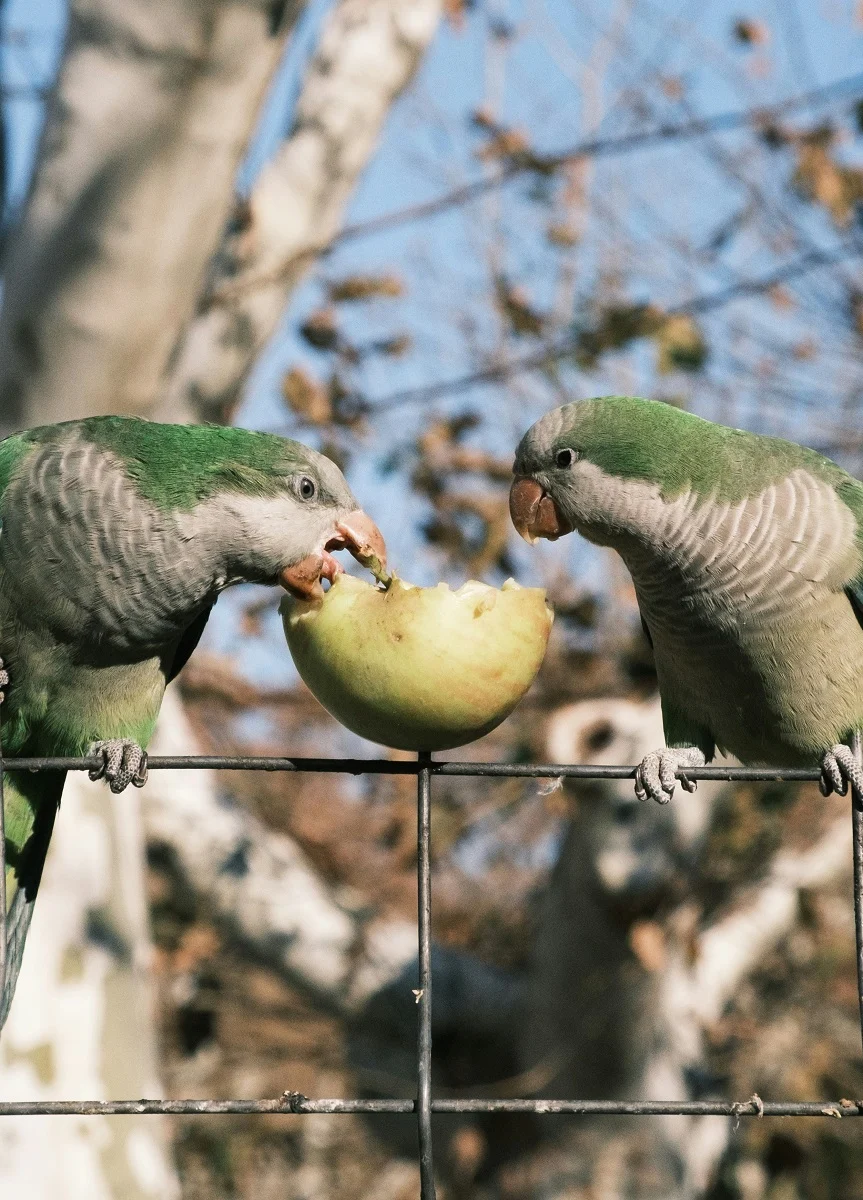
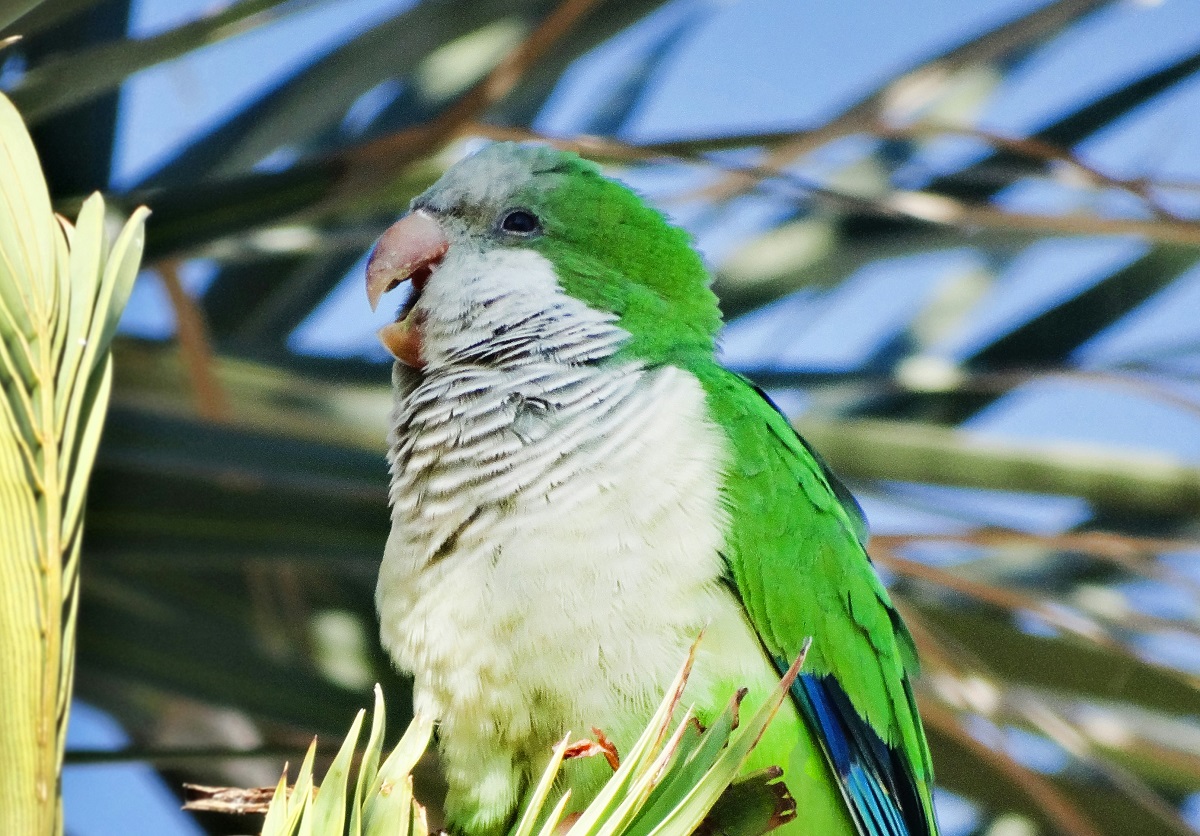
The Monk parakeet is a relatively small parrot, with adults typically reaching lengths of up to 13 inches (33 cm) from beak to tail tip and weighing around 140 grams (approximately 5 ounces). Wild specimens are characterized by a striking mossy green plumage on their back, a distinctive gray front, bright blue flight feathers, and a long tail. Their beak is a skin-colored hue, adding to their unique appearance. While visually similar, female Monk parakeets are generally slightly smaller than males; however, this difference is often imperceptible to the naked eye, necessitating DNA testing for accurate sex determination.
Through selective breeding in captivity, a wide array of color mutations has been developed, expanding beyond the natural green. Today, Monk parakeets can be found in various shades, including blue, yellow (lutino), gray, white (albino), and combinations thereof, making them particularly appealing to avian enthusiasts.
Conservation Status and Ecological Dynamics
The International Union for Conservation of Nature (IUCN) Red List currently classifies Myiopsitta monachus as a species of "Least Concern." This designation reflects its widespread distribution and generally stable, and in some areas, increasing population trends in its native range. Paradoxically, the Monk parakeet appears to benefit from certain anthropogenic activities that typically threaten other species. For instance, the expansion of Eucalyptus forests for paper pulp production has inadvertently provided additional nesting sites, which these communal nesters readily utilize. Furthermore, the proliferation of agricultural fields, particularly those cultivating maize and other grains, offers an abundant and readily accessible food source, bolstering their populations.
However, the genus Myiopsitta is not uniformly secure. The critically similar species, Myiopsitta luchsi, known as the Bolivian Monk Parakeet, is listed as "Near Threatened." This subspecies or closely related species faces distinct threats, often related to habitat fragmentation and specific pressures within its more restricted Bolivian range, highlighting the complex and varied conservation challenges even within closely related avian groups.
The Invasive Species Phenomenon
Despite its "Least Concern" status in its native range, the Monk parakeet exhibits significant invasive potential, leading to considerable ecological and economic challenges globally. Feral populations of Myiopsitta monachus have become established in numerous countries outside of South America, including a notable presence in the United States and various European nations. The spread of these non-native populations primarily stems from escaped or intentionally released pet birds, often exacerbated by the species’ adaptability, communal nesting habits, and reproductive success.
Global Distribution of Feral Populations:
- United States: Feral colonies are well-documented in several states, including Florida, Texas, Illinois (particularly Chicago), New York, Connecticut, and Louisiana. These populations often establish large, communal nests on utility poles, cell towers, and tall trees.
- Europe: Significant feral populations exist in major urban centers across Spain (e.g., Madrid, Barcelona, Valencia), Italy, France, Belgium, and the United Kingdom. In cities like Madrid, their numbers have soared, with estimates placing the population in the tens of thousands.
- Other Regions: Smaller, localized populations have also been reported in parts of Asia and other temperate zones.
Ecological and Economic Impacts of Invasive Monk Parakeets:
The presence of invasive Monk parakeet populations can exert considerable pressure on local ecosystems and human infrastructure:
- Damage to Infrastructure: Their large, communal stick nests, which can weigh hundreds of pounds, are frequently built on electrical transformers and utility poles. This can lead to power outages, fire hazards, and costly repairs for utility companies.
- Agricultural Pests: Similar to their behavior in their native range, feral Monk parakeets raid agricultural crops, especially fruit orchards and grain fields, causing significant economic losses for farmers.
- Competition with Native Species: They compete with native bird species for food resources, nesting sites, and tree cavities. Their aggressive nature and communal nesting can displace native cavity-nesting birds and potentially impact local biodiversity.
- Disease Transmission: Feral populations can act as vectors for diseases transmissible to native wildlife and potentially livestock or humans, though research on this aspect is ongoing.
- Noise Pollution: The loud, often grating flock calls of large parakeet colonies can be a significant source of noise pollution in urban areas.
Regulatory Responses and Management:
Due to these multifaceted impacts, many regions have implemented measures to control or eradicate feral Monk parakeet populations, and in some areas, their ownership as pets is restricted or outright banned.
- Legislation: States like California, Connecticut, Georgia, Hawaii, Kentucky, New Jersey, Pennsylvania, Rhode Island, and Wyoming have enacted laws that prohibit or severely restrict the sale, breeding, or possession of Monk parakeets. These regulations often aim to prevent further escapes and the establishment of new feral colonies.
- Management Strategies: Control efforts include trapping, nest removal, and, in some cases, humane culling programs, often met with public debate. Local authorities and environmental agencies continuously monitor populations and assess the efficacy of various management techniques. For instance, in Madrid, a large-scale culling program was initiated in 2020 to address the rapidly growing population and its associated damages.
The invasive potential of Monk parakeets serves as a stark reminder of the broader ecological consequences that can arise from the pet trade and the introduction of non-native species into new environments.
Dietary Requirements: Wild vs. Captive
The Monk parakeet’s dietary adaptability is a key factor in its success, both in its native habitat and as an invasive species.

Wild Diet:
In their natural South American range, Monk parakeets are primarily herbivores, consuming a varied diet of seeds, wild fruits, and the stems of various cacti. Their strong beaks are well-suited for cracking open tough seeds and foraging. Opportunistically, they will also consume insects and grubs, particularly during breeding season when extra protein is needed. Their preference for seeds often leads them to agricultural fields, where large flocks can become significant pests, gorging on corn, sorghum, and other grains.
Captive Diet:
For pet Monk parakeets, providing a balanced and nutritious diet is paramount for their long-term health and well-being. Modern avian veterinary science strongly advises against a seed-heavy diet, which is typically deficient in essential vitamins, minerals, and amino acids, leading to malnutrition, obesity, and related health issues like fatty liver disease.
A healthy captive diet should primarily consist of:
- High-Quality Formulated Pellets (70-80%): These commercially produced pellets are nutritionally complete, providing a balanced intake of vitamins, minerals, and protein. They should form the cornerstone of the parakeet’s diet. Brands specializing in small to medium parrot pellets are ideal.
- Fresh Vegetables (15-20%): A wide variety of chopped, bird-safe vegetables should be offered daily. Examples include leafy greens (kale, spinach, romaine), carrots, bell peppers, broccoli, zucchini, sweet potatoes, and peas. These provide essential vitamins, fiber, and moisture.
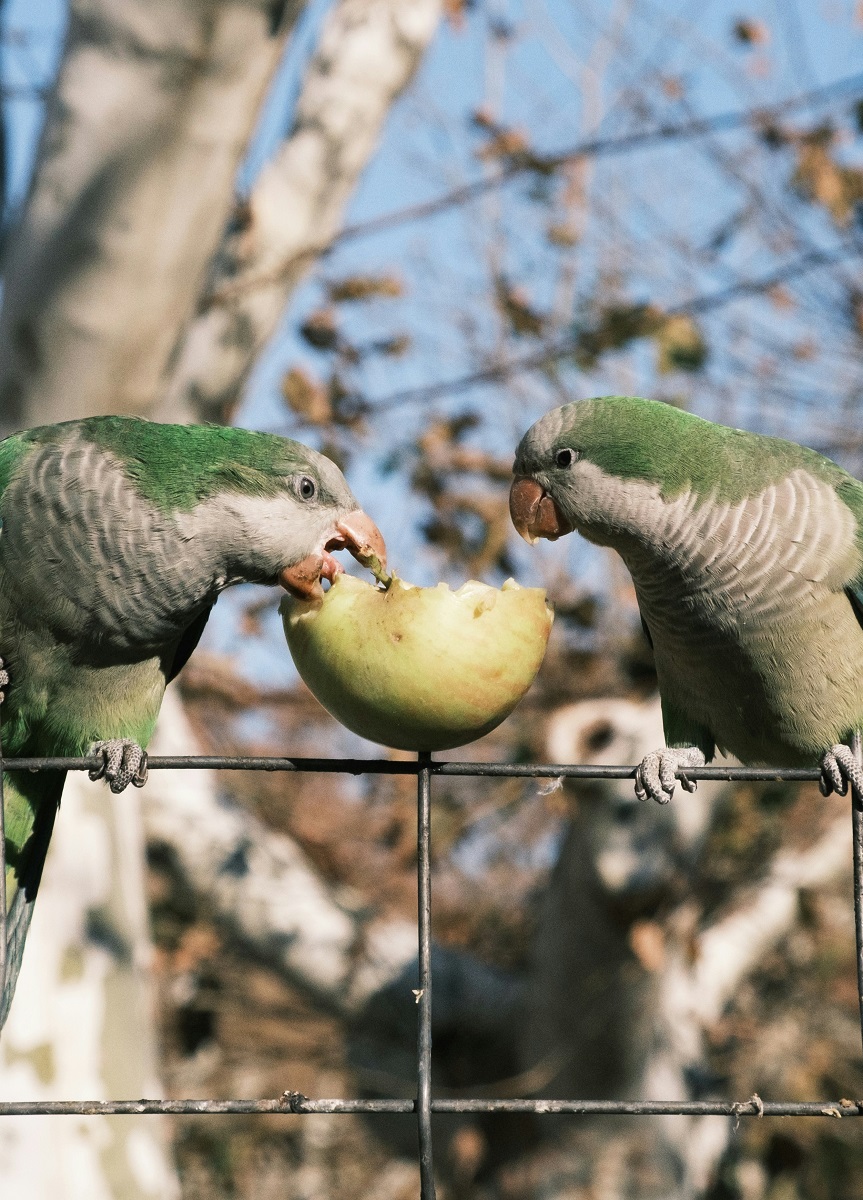
- Limited Fruits (5%): Fruits can be offered in moderation as treats due to their higher sugar content. Good options include apples (seeds removed), berries, bananas, melons, and grapes.
- Small Amounts of Grains/Cooked Legumes: Cooked brown rice, quinoa, whole-wheat pasta, and cooked beans (e.g., lentils, chickpeas) can be offered occasionally as a source of complex carbohydrates and protein.
- Occasional Healthy Treats: Small amounts of unsalted nuts, sprouted seeds, or a tiny piece of cooked lean chicken can be given sparingly.
Supplements and Hydration:
- Mineral Block/Cuttlebone: Access to a calcium or mineral block is important for beak conditioning and mineral supplementation, particularly for laying hens.
- Fresh Water: Multiple sources of fresh, clean water must be available at all times. Water dishes should be cleaned daily to prevent bacterial growth.
It is crucial to research and avoid foods toxic to parrots, such as avocado, chocolate, alcohol, caffeine, fruit seeds (apple, cherry), and excessive salt or sugar.
Housing and Environmental Enrichment
Proper housing and a stimulating environment are critical for the physical and psychological health of Monk parakeets, which are intelligent and active birds.
Cage Requirements:
While not the largest parrots, Monk parakeets require ample space to move, climb, and stretch their wings. A minimum cage size of 30 inches wide, 24 inches deep, and 30 inches high (approximately 76 x 61 x 76 cm) is recommended for a single bird. Bar spacing should be appropriate for their size, typically ¾ to 1 inch (1.9-2.5 cm), to prevent escapes or injury. For pairs or if the bird will spend significant time in the cage, a larger aviary is ideal. It is important to remember that cage length and depth are often more crucial than height, as parrots tend to utilize the upper portions of their enclosure.
Cage Furnishings:
- Perches: Provide a variety of natural wood perches of different diameters and textures (e.g., java, manzanita, natural branches) to promote foot health and prevent pressure sores. Avoid dowel perches as the sole option.
- Food and Water Bowls: Stainless steel or ceramic bowls are preferred for hygiene and durability. Place them strategically, away from perches to prevent contamination.
- Toys: A rotating selection of parrot-safe toys is essential to prevent boredom. These should include chew toys (untreated wood, paper, cardboard), shreddable toys, puzzle toys, and foraging toys that encourage natural behaviors. Toys should be inspected regularly and replaced when damaged.
Nest Building Instincts:
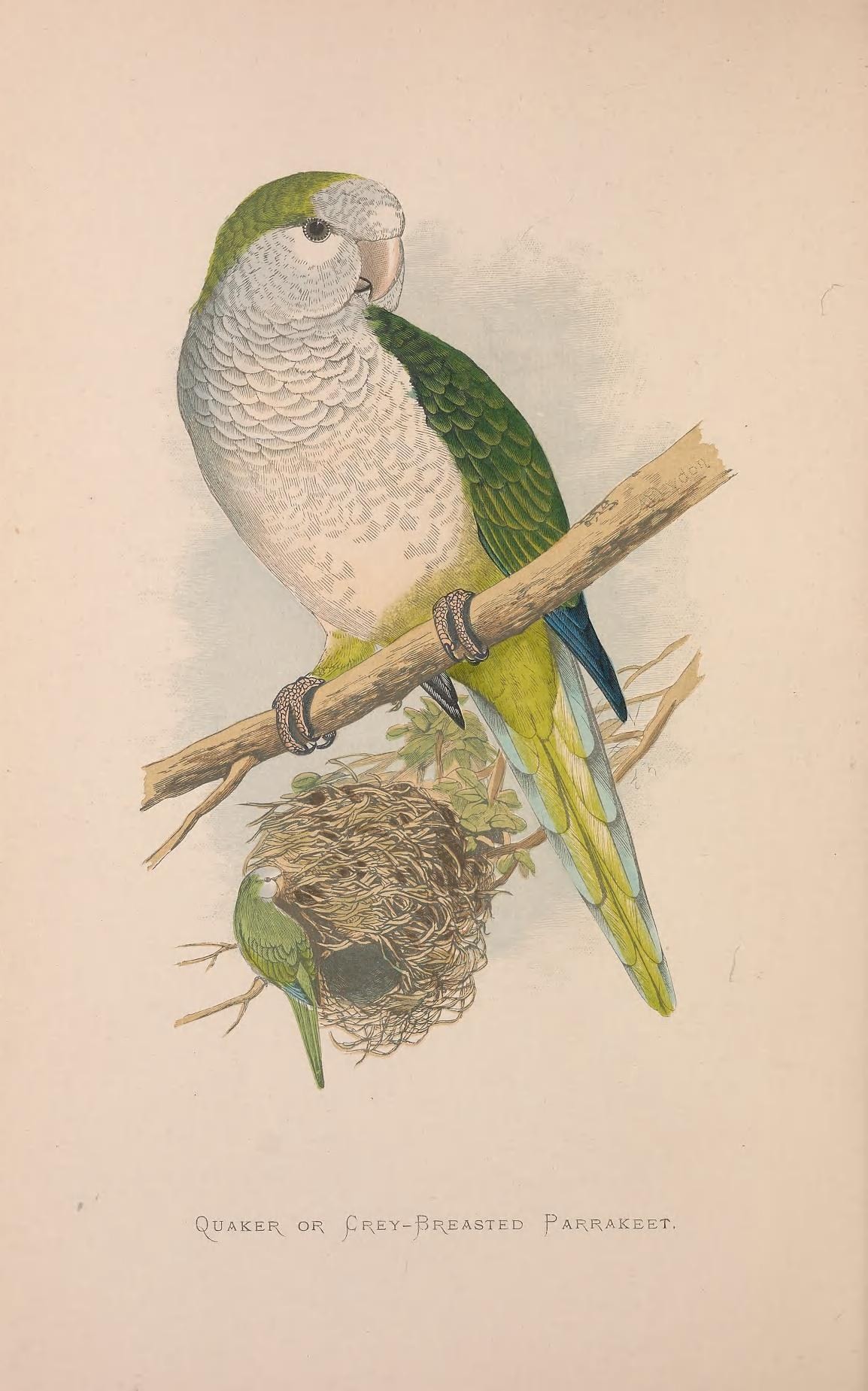
Monk parakeets are unique among parrots for their communal stick-nesting behavior in the wild. This strong instinct often manifests in captivity, where they may meticulously collect and stack small elongated items (sticks, paper, pens, even glasses) within their cage or designated areas. While fascinating to observe, this nesting behavior can sometimes trigger hormonal changes, leading to increased territoriality, aggression, or chronic egg-laying in females. Owners must balance allowing this natural behavior with managing potential issues, possibly by removing excess nesting materials or consulting an avian vet for hormonal management strategies.
Enrichment and Social Interaction:
Monk parakeets are highly intelligent and social creatures, demanding significant enrichment to prevent boredom, stress, and behavioral problems such as feather plucking or excessive screaming.
- Mental Stimulation: Offer a variety of puzzle and foraging toys that require the bird to "work" for treats. Teach tricks or basic commands using positive reinforcement (clicker training) to engage their minds. Rotate toys frequently to maintain novelty.
- Physical Activity: Daily out-of-cage time (at least 2-4 hours) is crucial for exercise, mental stimulation, and social bonding. Provide a designated parrot play gym or safe play stand outside the cage. Lack of exercise can lead to obesity and lethargy.
- Socialization: As highly social birds, Monk parakeets thrive on interaction. A solo bird will require consistent daily attention from its owner to form a strong bond. If a pair or flock is kept, they will still benefit from human interaction, but their primary social needs may be met by their avian companions.
- Bird-Proofing: Any area where the parakeet is allowed to roam must be thoroughly bird-proofed. This includes securing windows and doors, covering ceiling fans, removing toxic plants, securing electrical cords, eliminating access to dangerous chemicals or small ingestible objects, and ensuring other pets cannot harm the bird. Vigilance is key to preventing accidents.
Emergency Preparedness:
Pet owners should always be prepared for avian emergencies. This includes knowing the location and contact information for the nearest avian veterinarian, having a basic first-aid kit for birds, and understanding how to handle common parrot injuries like broken blood feathers or minor cuts. Prompt action can be critical in preventing serious complications.
Temperament and Behavior
Monk parakeets are renowned for their bold, confident, and often boisterous personalities. A well-socialized Monk parakeet can be a highly engaging and playful companion, known for its clownish antics and zest for life. However, prospective owners must be prepared for their strong will and potential for chaotic behavior.
Key Temperamental Traits:
- Social and Affectionate: They form strong bonds with their human companions and can be quite cuddly and affectionate, enjoying head scratches and interaction.
- Single-Person Attachment: Monk parakeets can sometimes become strongly attached to one individual, potentially exhibiting aggression or aloofness towards other family members. Early and consistent socialization with all household members can mitigate this.
- Territoriality: They are notoriously territorial about their cage or perceived nesting space. Approaching their cage carelessly or attempting to rearrange items without caution can sometimes provoke a defensive reaction. Training and consistent, calm interaction can help manage this trait.
- Intelligence and Curiosity: Their high intelligence drives their curiosity, leading them to explore, chew, and manipulate objects. This requires owners to provide plenty of safe outlets for these behaviors.
- Playfulness: Monk parakeets love to play, often engaging in wrestling with toys, hanging upside down, and mimicking sounds or actions.
The common name "Quaker parrot" is a direct reference to a specific behavior: young birds, in particular, will rapidly flap their wings and "quake" their bodies when begging for food, a charming display that inspired their popular moniker.
Vocalizations and Talking Ability
Monk parakeets are not silent birds, but their noise level is generally considered low to moderate compared to larger parrot species. Their vocalizations are diverse and can include grating flock calls, a steady stream of chirps, whistles, and conversational chattering.
Noise Profile:
- Flock Calls: These can be loud and somewhat harsh, especially when excited or communicating over distance.
- Daily Chattering: Throughout the day, they often produce a constant stream of softer chirps and whistles, which can be pleasant but persistent.
- Contentment Sounds: A happy and comfortable Monk parakeet may produce a soft "purring" sound. Like many parrots, they also grind their beaks when content or falling asleep, a sign of relaxation.
Prospective owners should ideally experience Monk parakeet sounds firsthand, perhaps by visiting a breeder or a friend with one, or by listening to recordings on platforms like xeno-canto, to ensure they can tolerate the noise level.
Talking Ability:
Monk parakeets are recognized as one of the better talking parrot species. While their voices are often described as high-pitched or "squeaky," they have a strong motivation to mimic human speech and can develop impressive vocabularies. It is important to remember that parrots mimic sounds and words; they do not inherently understand their meaning.
- Vocabulary: With consistent training and exposure, Monk parakeets can acquire a wide range of words, phrases, and even short tunes.
- Clarity: The clarity of their speech can vary between individuals, but many are capable of surprisingly clear articulation.
- Training: Repetition is key to teaching a Monk parakeet to talk. Consistent use of specific words or phrases, associated with actions or objects, will yield the best results. Starting early and making training sessions fun and rewarding is highly effective.
Conclusion
The Monk parakeet (Myiopsitta monachus) is a fascinating and complex species that presents both immense joy as a pet and significant challenges as an invasive species. Their intelligence, social nature, and ability to mimic human speech make them highly engaging companions for the right owner—one who is prepared for a long-term commitment to their extensive care, enrichment, and social needs. Simultaneously, their remarkable adaptability and reproductive success underscore the critical need for responsible pet ownership and stringent regulations to mitigate their ecological impact in non-native environments. Understanding the comprehensive aspects of this species, from its South American origins and conservation status to its global invasive spread and specific care requirements, is essential for anyone considering a Monk parakeet or engaging in broader discussions about avian biodiversity and human-wildlife interactions.
