

Before committing to welcoming a White-bellied Caique into one’s home, prospective owners must conduct thorough research into the comprehensive care requirements of these vibrant South American parrots. Renowned for their exceptionally large personalities and energetic demeanor, Caiques demand a significant commitment of time, resources, and patience, making informed decision-making paramount. This article provides an in-depth examination of White-bellied Caique care, diet, temperament, housing, and the broader implications of their ownership.
Species Overview and Taxonomy
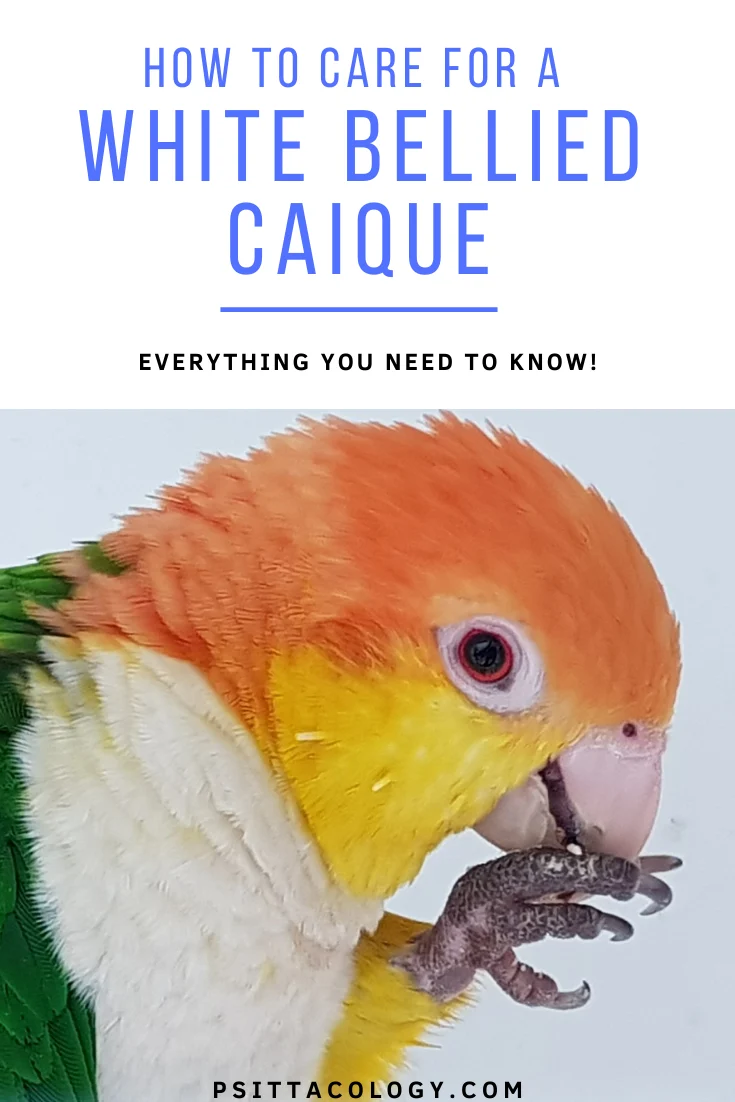
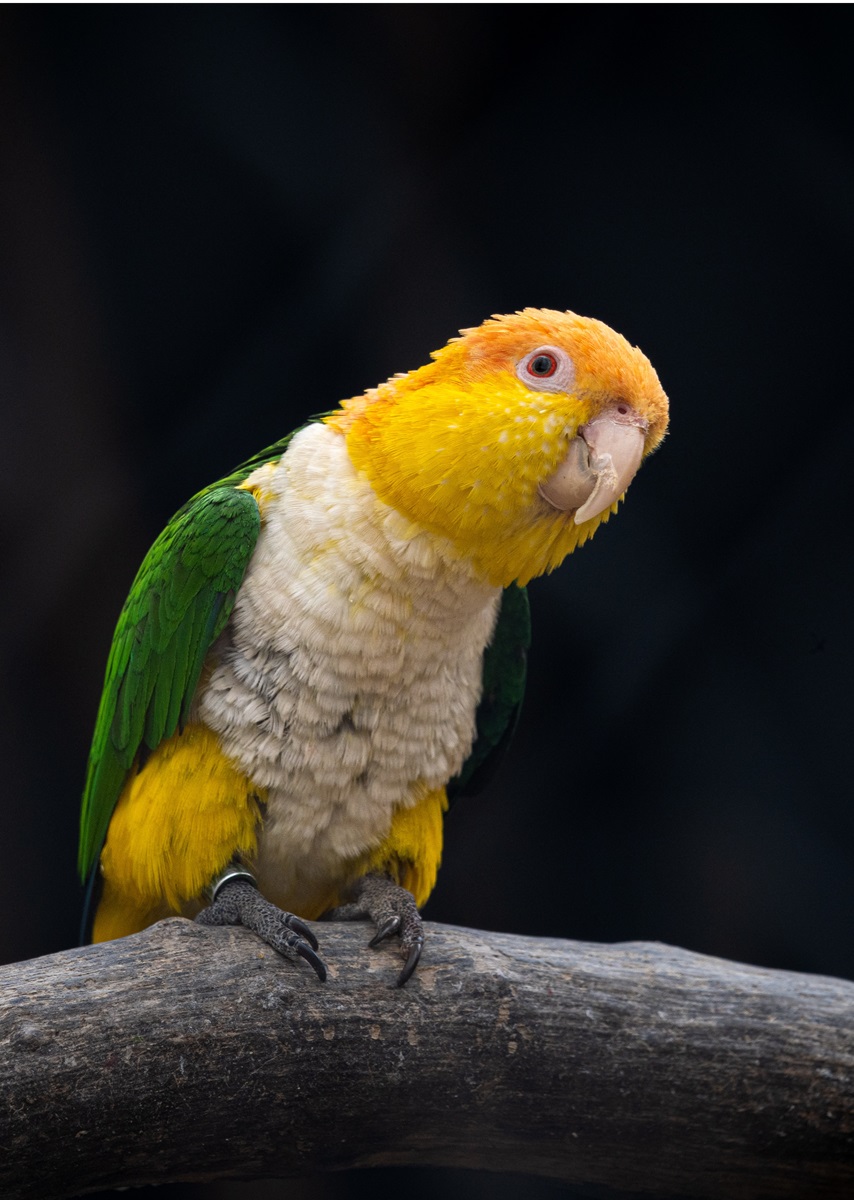
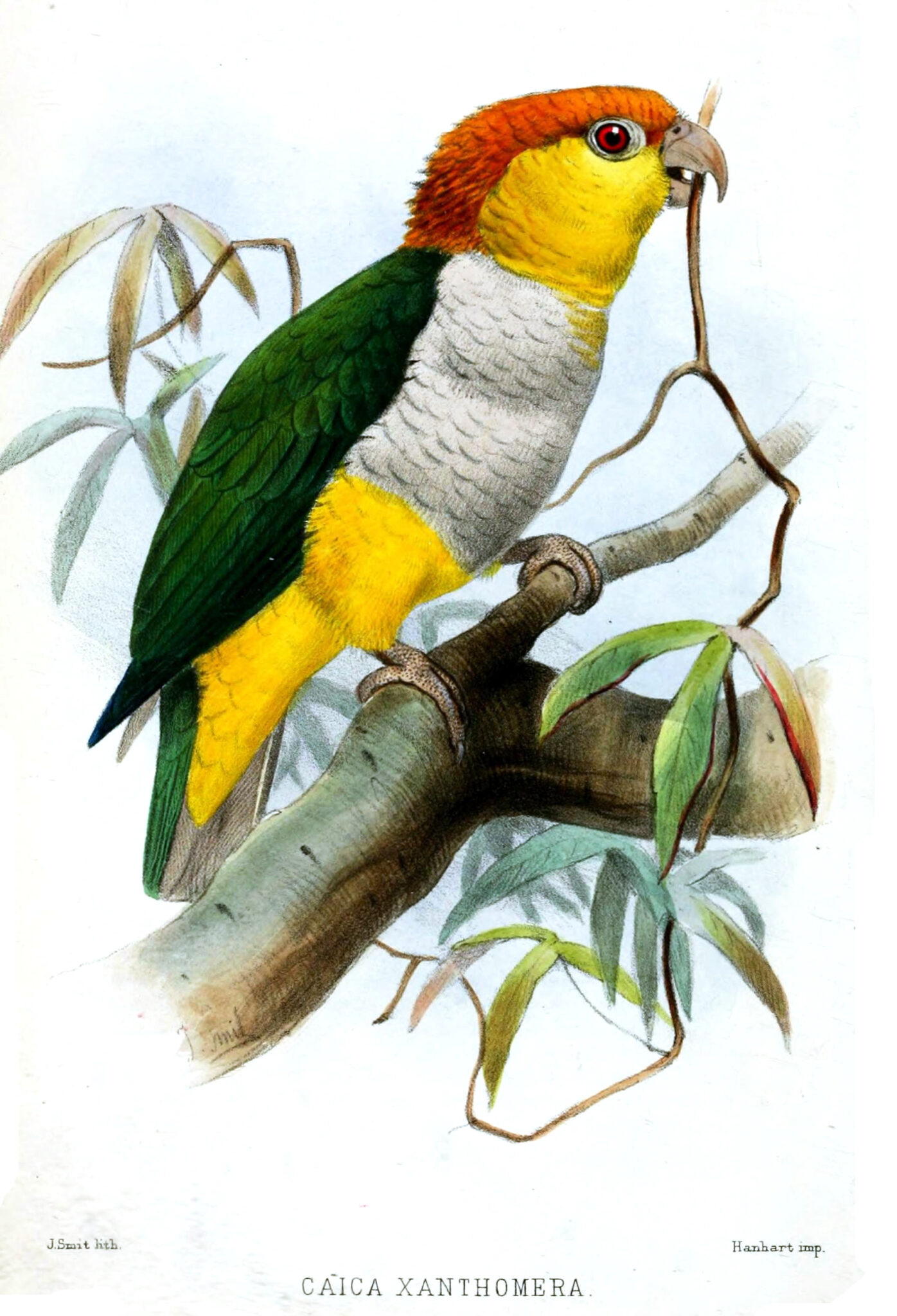
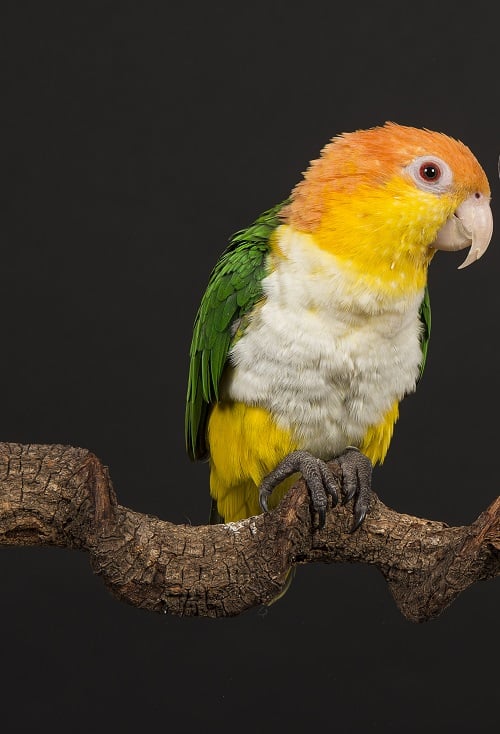
The White-bellied Caique, scientifically classified under the genus Pionites, is a striking and compact parrot species instantly recognizable by its vivid coloration and distinctive stocky build. Typically reaching an adult length of approximately 23 cm (9 inches) and weighing up to 170 grams, these birds possess a relatively short, stumpy tail that contributes to their robust appearance. Their nomenclature is derived from their prominent white to cream-colored chests and bellies. Complementing this, their cheeks are typically yellow, the head an effervescent orange, and the wings and back a rich green. The beak is characteristically beige. A notable physical trait across all subspecies is their unusual reddish eyes, encircled by a bare eye-ring. Sexual dimorphism is not visually discernible in White-bellied Caiques, necessitating DNA testing for accurate sex determination.
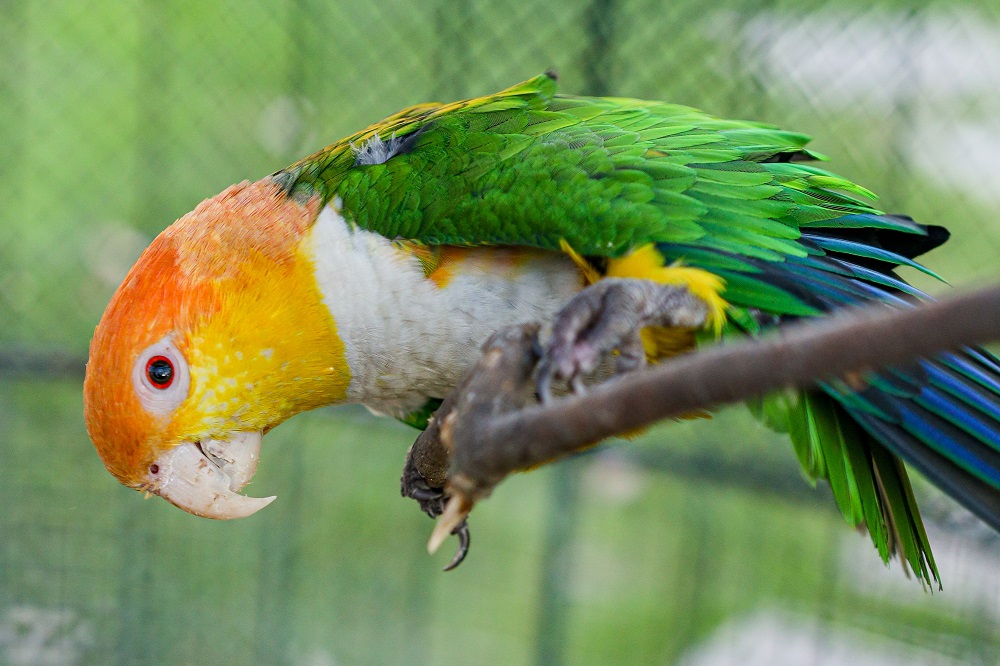
The taxonomic classification of Pionites leucogaster (the White-bellied Caique) is a subject of ongoing scientific discourse. Traditionally, the genus Pionites was recognized as comprising two species: the White-bellied Caiques (P. leucogaster) and the Black-capped Caiques (P. melanocephalus). Within this conventional framework, three subspecies of White-bellied Caique were historically identified: Pionites leucogaster leucogaster (Green-thighed Parrot), Pionites leucogaster xanthomerius (Yellow-thighed Parrot), and Pionites leucogaster xanthurus (Yellow-tailed Parrot). These subspecies exhibit subtle color variations, particularly concerning their tail and leg coloration. However, contemporary ornithological sources, such as "Birds of the World," increasingly advocate for elevating P. l. xanthurus and P. l. xanthomerius to distinct species status, based primarily on these colorimetric differences. A definitive scientific consensus, supported by comprehensive genetic and morphological studies, is still emerging to fully resolve this taxonomic debate.
Natural Habitat and Conservation Status
Indigenous to the lush rainforest canopies of the Amazon basin in South America, White-bellied Caiques thrive in a highly biodiverse environment. Their natural range extends primarily across Brazil, particularly within the Amazon region, and includes parts of Bolivia, Peru, Ecuador, and other neighboring countries. Within these tropical forests, they typically nest in hollow trees and forage among the dense foliage.
Alarmingly, the majority of White-bellied Caique populations in their natural habitat are classified as endangered by the International Union for Conservation of Nature (IUCN). The primary driver behind this precarious status is extensive habitat loss resulting from the relentless deforestation of the Amazon rainforest. This destruction directly impacts their survival by eliminating crucial nesting sites, reducing food availability, and fragmenting their populations. Beyond deforestation, illegal wildlife trade and climate change further exacerbate the pressures on these sensitive ecosystems and their inhabitants. Observations in the wild indicate that White-bellied Caiques are highly social birds, typically found congregating in groups of up to 10 individuals, a social structure that emphasizes their need for companionship, both in the wild and in captivity.

Behavioral Characteristics: The Clowns of the Parrot World
The temperament of White-bellied Caiques is perhaps their most distinguishing feature, setting them apart even within the diverse parrot family. While all parrots exhibit intelligence and playfulness, Caiques elevate these traits to an exceptional level, earning them the affectionate moniker "clowns of the parrot world." Their antics often include rolling on their backs, "caique surfing" on towels or blankets, and an almost boundless capacity for energetic play and dancing.
This playful nature, however, is coupled with a strong-willed and complex personality. Caiques are capable of forming incredibly strong bonds with their human companions, often singling out one individual for their primary affection. This intense bonding can lead to challenges, as they may exhibit jealousy or territorial behavior towards others in the household, including other pets. As they mature, particularly post-puberty, their strong personalities can manifest as nipping or aggressive behaviors, even towards their preferred human. This requires an owner who is not only patient and understanding but also adept at positive reinforcement training and behavioral management. Early and consistent socialization is critical to fostering a well-adjusted bird.
Their high energy levels necessitate significant daily interaction and mental stimulation. A Caique that is neglected or under-stimulated can quickly develop undesirable behaviors such as incessant screaming, feather plucking, or destructive tendencies. Furthermore, Caiques are inherently territorial and should not be housed with other bird species due to the significant risk of aggressive encounters over space, food, or perceived threats. Owners must be prepared for a certain level of "mayhem" – Caiques are curious, intelligent, and prone to chewing and disassembling items, often leaving a trail of destruction in their wake. For individuals who appreciate an animal with an abundance of personality and are prepared for a dynamic and demanding companion, a Caique can be an incredibly rewarding pet.

Dietary Requirements: Mimicking Nature in Captivity
Understanding the natural diet of White-bellied Caiques is crucial for formulating a healthy captive diet. Scientific studies observing wild Caiques have revealed an incredibly diverse diet, with birds feeding on over 44 different plant species. Their natural foraging includes a wide array of seeds (including fruit seeds), fruits (often unripe), flowers, flower buds, pollen, and nectar. These parrots are, in fact, important pollinators for certain tree species. Occasionally, they also consume miscellaneous items like leaves, bark, and even ants, and visit clay licks to ingest soil, likely for essential micronutrients.
Replicating this complex wild diet precisely in a domestic setting is impractical. However, the principles of variety and nutritional balance are paramount. A common pitfall for inexperienced parrot owners is to rely solely on seed mixes. Seeds are typically high in fat and deficient in many vital vitamins and minerals, leading to long-term health issues. Similarly, a diet overly reliant on commercially cultivated fruits, which are much higher in sugar than their wild counterparts, can also be detrimental.
An ideal domestic diet for a White-bellied Caique should consist primarily of a high-quality, species-appropriate pelleted diet, supplemented with a diverse range of fresh produce and healthy proteins. The recommended breakdown is generally:
- High-Quality Pellets (60-70%): These provide a balanced nutritional foundation. Brands formulated for medium-sized parrots are typically suitable.
- Fresh Vegetables (20-30%): A wide variety of dark leafy greens (kale, spinach, romaine), bell peppers, carrots, broccoli, zucchini, and other safe vegetables should be offered daily. Wash thoroughly and chop into appropriate sizes.
- Limited Fruits (5-10%): Offer small portions of low-sugar fruits such as berries, melon, apple (without seeds), and papaya. Avoid overly sugary fruits.
- Healthy Proteins/Grains (small amounts): Cooked whole grains (quinoa, brown rice), small amounts of cooked lean meat or eggs, and legumes can be offered occasionally.
- Sprouted Seeds: These are more nutritious than dry seeds.
- Water: Fresh, clean water must always be available from multiple sources.
- Calcium Block: Essential for bone health and preventing deficiencies.
Foods to strictly avoid include avocado, chocolate, caffeine, alcohol, fruit seeds (especially apple and cherry pits), onions, garlic, mushrooms, and any processed human foods. Fatty or sugary items like nuts and dried fruits should be reserved as infrequent training treats.
Housing and Environmental Enrichment
Given their explosive energy levels and curious nature, White-bellied Caiques require a substantial and stimulating living environment. Even with ample out-of-cage time, a spacious and well-equipped enclosure is critical for their physical and psychological well-being.
- Cage Size: For a single Caique, a minimum cage size of 24" x 24" x 36" (width x depth x height) is recommended, though larger is always better. For two Caiques, an even larger aviary-style cage is essential.
- Construction: Cages should be constructed from sturdy, non-toxic materials such as stainless steel or powder-coated wrought iron. Zinc-coated cages should be avoided due to the risk of heavy metal poisoning. Secure locking mechanisms are vital, as these intelligent birds are adept at escaping.
- Perches: Provide a variety of natural perches of different diameters and textures (e.g., Manzanita, java wood, rope perches). This helps to exercise their feet and prevent pressure sores. Avoid dowel perches as the sole option.
- Food and Water Bowls: Stainless steel bowls are recommended for hygiene and durability.
- Bird Bath: Caiques enjoy bathing, so a bird bath or shallow water dish should be provided. Regular misting with warm water is also beneficial.
- Toys: A constant supply of engaging toys is crucial. Caiques are avid chewers, so provide plenty of destructible toys made from natural wood, cardboard, or safe plastics. Foraging toys, shreddable toys, and puzzle toys are excellent for mental stimulation. Toys should be rotated regularly to maintain interest.
Beyond the cage, a dedicated out-of-cage play area or "playground" is highly recommended. This can be a separate stand made of natural wood, equipped with additional perches, toys, and foraging opportunities. Caiques need several hours of supervised out-of-cage time daily to explore, exercise, and interact with their human companions.

Parrot-Proofing and Safety: Any room a Caique has access to must be meticulously parrot-proofed. Their inquisitive nature can lead them into dangerous situations. Potential hazards include electrical cords, toxic houseplants, open windows or doors, ceiling fans, hot stovetops, open toilets, and cleaning products. Owners must also be aware of the dangers of non-stick cookware (PTFE fumes are lethal to birds) and scented products like air fresheners, candles, and perfumes, which can cause respiratory issues.
Enrichment and Mental Stimulation
Enrichment is not merely an optional extra but a fundamental necessity for preventing boredom, loneliness, and subsequent behavioral problems such as feather plucking, incessant screaming, and aggression. In the wild, Caiques spend their entire day foraging, interacting with their flock, and engaging their highly intelligent brains. Replicating this stimulation in captivity is paramount.
Key enrichment strategies include:
- Foraging Opportunities: Integrate foraging into their daily routine. This can involve hiding food in foraging toys, scattering pellets in safe, clean spaces, or wrapping treats in paper. This mimics their natural behavior and provides mental challenges.
- Training: Positive reinforcement training is an excellent form of enrichment. Teaching basic commands (step-up, step-down), tricks, or target training not only strengthens the bond between bird and owner but also provides vital mental exercise.
- Social Interaction: Dedicated, quality interaction time with their human companions is non-negotiable. This involves talking, playing, cuddling (if the bird enjoys it), and involving them in household activities (safely).
- Environmental Variety: Regularly changing the layout of their cage, rotating toys, and introducing new, safe objects to explore helps prevent monotony. Exposure to different sounds, sights, and textures within a safe environment also contributes to their mental well-being.
- Bathing: Providing opportunities for bathing is both physically and mentally enriching.
- Chew Toys: As mentioned, a constant supply of safe, destructible chew toys is vital for beak health and to satisfy their natural urge to chew.
Vocalization and Communication
When considering a parrot, potential owners often inquire about noise levels. While no parrot can truly be described as "quiet," White-bellied Caiques are generally considered to be of moderate noise level compared to larger, more vociferous species like Macaws or Cockatoos. For much of the day, their vocalizations typically consist of whistles, beeps, and soft squawks, which are often at an acceptable volume for most households.
However, like all parrots, they possess the capacity for very shrill, piercing screams. These loud calls serve a vital function in the wild, enabling flock members to locate each other across vast distances in dense forest canopies. Owners should anticipate these louder vocalizations, especially during certain times of the day (e.g., dawn and dusk, or when excited or alarmed). For apartment dwellers, a Caique might be a more suitable choice than some of the louder parrot species, but it is crucial to understand that complete silence will become a rarity.
Talking Ability: For individuals seeking a parrot with extensive talking capabilities, a Caique might not be the ideal choice. While some individuals can learn to mimic a few words or short phrases, they cannot compete with the champion talkers of the parrot world, such as African Grey Parrots or Amazon Parrots. However, Caiques excel at vocalization training for whistles and tunes. They are quick learners when it comes to picking up short melodies or sounds like wolf whistles. Consistent repetition and positive reinforcement (rewards for attempts) can be highly effective in teaching them new sounds, providing a fun and engaging form of interaction.
Health and Veterinary Care
Prioritizing the health of a White-bellied Caique involves proactive care and preparedness for potential medical emergencies. Before acquiring a Caique, it is imperative to identify and establish a relationship with a qualified avian veterinarian. Knowing common symptoms of illness and having an emergency plan are crucial for any pet owner, especially for a curious and active bird.
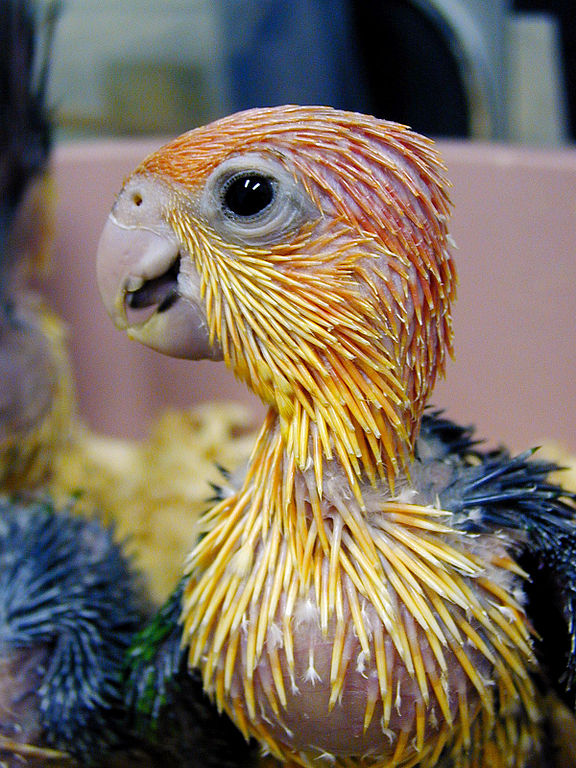
Caiques are susceptible to several health issues. Polyomavirus, a highly contagious and often fatal disease, particularly affects young birds (under 4 weeks old), causing severe organ damage. Vaccination against polyomavirus is highly recommended and should be discussed with an avian vet. Other common avian ailments that can affect Caiques include:
- Psittacine Beak and Feather Disease (PBFD): A viral disease affecting feathers, beaks, and immune systems.
- Bacterial and Fungal Infections: Can affect the respiratory, digestive, or integumentary systems.
- Nutritional Deficiencies: Often stemming from an inadequate diet (e.g., all-seed diet), leading to various health problems.
- Parasites: Both internal (worms) and external (mites, lice) parasites can affect parrots.
Preventative Care: Regular annual check-ups with an avian vet are essential for early detection and prevention of diseases. A balanced diet, meticulous cage hygiene, appropriate environmental conditions (temperature, humidity), and adequate mental stimulation all contribute significantly to a Caique’s long-term health. Owners should be vigilant for signs of illness, which can include fluffed feathers, lethargy, changes in droppings, discharge from nostrils or eyes, weight loss, loss of appetite, or changes in behavior. Any sudden or persistent changes warrant immediate veterinary attention.
Commitment and Suitability as Pets
Bringing a White-bellied Caique into one’s life is a profound commitment that extends for decades. With a potential lifespan exceeding 40 years, these birds become long-term family members, requiring owners to plan for their care through various life stages and changes. This extended lifespan means a significant investment of time, emotion, and financial resources.
Caiques are unequivocally not recommended for beginner parrot keepers. Their intense personalities, high energy, demanding social needs, and potential for challenging behaviors require an experienced owner who understands parrot psychology and is prepared for intensive training and management. The financial implications are also considerable, encompassing the initial purchase cost, ongoing expenses for high-quality food, a continuous supply of toys, regular avian vet check-ups, and the potential for emergency medical care.
Ultimately, a White-bellied Caique is a companion for those seeking a highly interactive, intelligent, and often boisterous bird. Owners must possess immense patience, a willingness to engage actively in their bird’s life daily, and a deep understanding of parrot behavior. For the right individual or family, the rewards of sharing a home with these captivating "clowns of the parrot world" can be immeasurable, but only with a full and informed understanding of the dedication required.
