


Every spring, a charming yet biologically improbable narrative captures public imagination: that rabbits, rather than birds, are the purveyors of colorful eggs, meticulously hidden for eager discovery in gardens. This delightful fiction, perpetuated by the iconic Easter Bunny, stands in stark contrast to the natural world, where birds, the undisputed masters of oogenesis, have been crafting eggs of breathtaking beauty and remarkable functionality for millions of years. This article delves into the fascinating biology of avian eggs, explores the historical tapestry behind the egg-laying rabbit myth, and examines the distinct nesting strategies of these two disparate animal groups.
The Biological Masterpiece: Bird Eggs
While the Easter Bunny’s eggs are a product of human artistry, bird eggs are marvels of natural engineering, their colors, shapes, and patterns serving vital biological functions. Far from being merely decorative, these attributes are critical for survival, camouflage, and communication within the avian world.
A Symphony of Color and Function
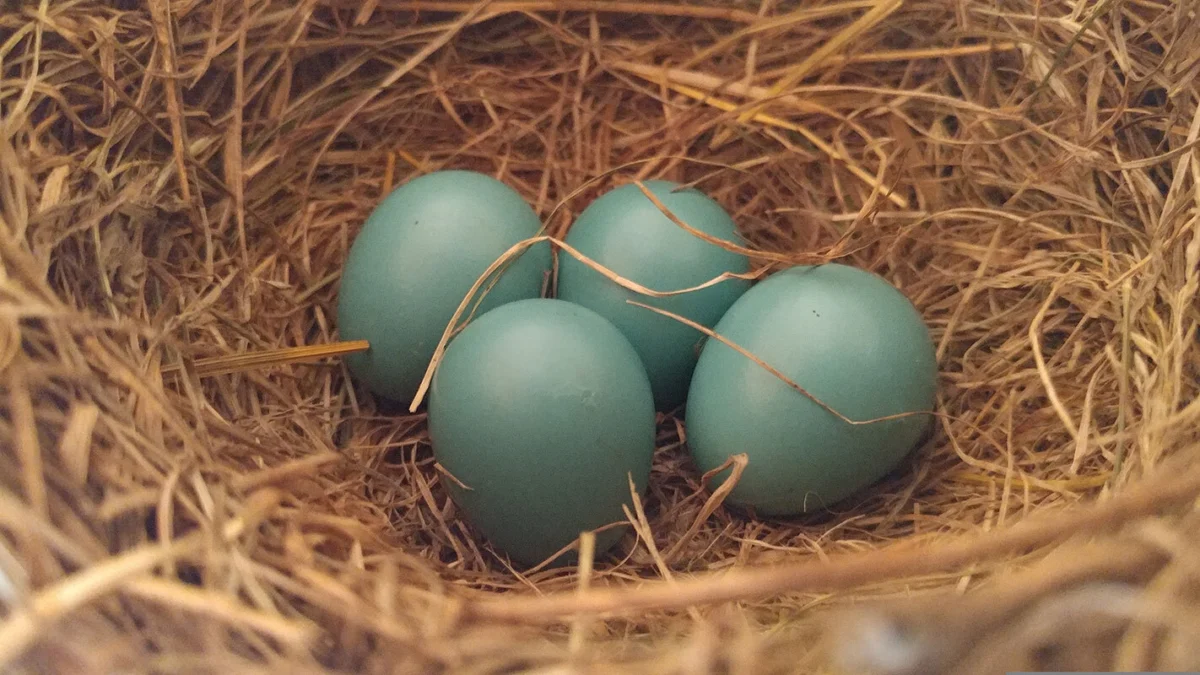
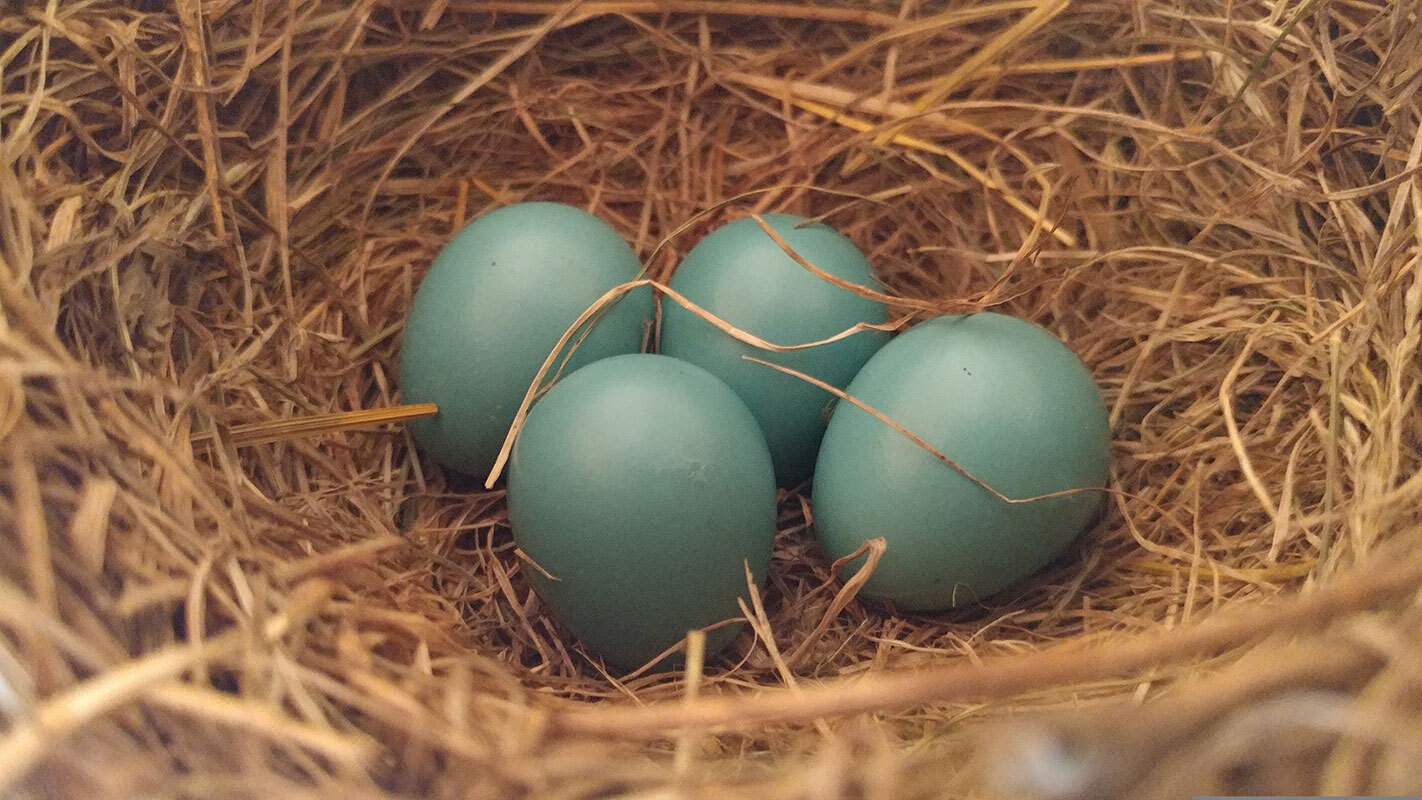
The diversity of bird egg coloration is truly staggering, ranging from the familiar robin’s egg blue to speckled browns, olive greens, and even nearly black. A comprehensive review by Birdfy.com highlights at least 26 bird species known to lay blue eggs, an intriguing observation given that only a fraction of these birds themselves exhibit blue plumage. This suggests that egg color is not simply a genetic reflection of the parent’s appearance but rather an adaptive trait. The Cornell Lab’s "Beauty and Biology of Egg Color" blog further showcases this dazzling spectrum, featuring eggs that appear exquisitely dappled or drizzled with intricate patterns, a stark contrast to the almost exclusively matte white eggs typically laid by parrots.
These colors are not arbitrary; they are the result of complex biochemical processes involving specific pigments deposited during eggshell formation in the oviduct. The two primary pigments responsible for most avian egg coloration are biliverdin, which produces blue and green hues, and protoporphyrin IX, responsible for reds, browns, and speckles. The concentration and distribution of these pigments create the vast array of colors and patterns observed across species. For instance, the striking blue of a robin’s egg is due to biliverdin, while the reddish-brown speckles often seen on thrush eggs come from protoporphyrins.
The Science Behind the Shell: Pigments and Protection
Beyond aesthetics, egg coloration serves multiple ecological roles. Camouflage is perhaps the most widely recognized function, allowing eggs to blend seamlessly with the surrounding nesting material, whether it be a leafy shrub, a rocky crevice, or a sandy beach. This reduces the risk of predation by visually oriented predators. For example, ground-nesting birds like plovers often lay eggs that are heavily speckled to mimic pebbles and dirt.
Recent research has also illuminated other, more subtle functions of egg pigments. Protoporphyrin, for instance, has been linked to eggshell strength and resistance to bacterial degradation. Studies published in journals like Functional Ecology suggest that darker or more heavily pigmented eggs may possess enhanced structural integrity, potentially providing better protection against physical damage or microbial invasion. Furthermore, some scientists propose that egg coloration, particularly in species where eggs are exposed to sunlight, might offer protection against harmful ultraviolet radiation, similar to how melanin protects human skin. Conversely, the intensity of color can also signal female health and genetic quality to potential mates, indicating a robust physiological condition capable of producing healthy offspring.
Form Follows Flight: The Engineering of Egg Shape
The diversity in bird egg morphology extends far beyond color to encompass an astonishing array of shapes. From perfectly spherical to acutely pointed, elliptical, or even pyriform (pear-shaped), egg geometry is a testament to evolutionary adaptation. A groundbreaking study covered by Harvard Magazine in 2017 proposed a compelling theory linking egg shape primarily to flight ability. This research, drawing on a comprehensive analysis of nearly 50,000 eggs from 1,400 bird species, suggested that strong fliers tend to lay more elliptical or asymmetrical eggs, while species with weaker flight capabilities often lay rounder ones.
The biophysical model developed by researchers at Harvard’s Wyss Institute for Biologically Inspired Engineering indicated that the eggshell membrane and internal pressure dynamics during formation are key determinants of final egg shape. The theory posits that birds with more streamlined bodies, optimized for efficient flight, possess a narrower oviduct, which exerts greater pressure on the developing egg. This pressure, combined with the structural properties of the eggshell membrane, influences the degree of asymmetry and ellipticity. For example, cliff-nesting birds like murres lay highly pyriform eggs, a shape that causes them to roll in a tight circle when disturbed, preventing them from tumbling off precarious ledges—a critical adaptation for survival in their challenging habitats.
Environmental Adaptations: Clues from Climate and Camouflage
Environmental factors also play a crucial role in shaping egg characteristics. Research highlighted in Science News indicates a fascinating correlation between climate and egg pigmentation: birds in colder regions tend to produce eggs with darker pigmentation. This evolutionary strategy is hypothesized to increase thermal absorption, allowing the eggs to absorb more solar radiation and maintain a warmer, more stable internal temperature. This "solar panel" effect can significantly improve the survival rates of embryos in low-temperature conditions, particularly during early incubation stages. This discovery underscores the intricate ways in which natural selection fine-tunes biological traits to optimize reproductive success in diverse environments.
Broader Ornithological Insights
The study of avian eggs, or oology, offers profound insights into bird evolution, behavior, and ecology. Analyzing egg characteristics can reveal details about a species’ nesting habits, dietary patterns, predator pressures, and even phylogenetic relationships. For conservation biologists, understanding the natural variability and environmental responsiveness of egg traits is vital. Changes in eggshell thickness, color, or reproductive success can serve as sensitive indicators of environmental health, pollution levels, or climate change impacts. For instance, the thinning of eggshells in raptors due to DDT exposure in the mid-20th century provided critical evidence for environmental advocacy and spurred conservation efforts.
The Enduring Myth: Origins of the Egg-Laying Hare
While birds are the biological architects of eggs, the popular imagination often attributes this role to the Easter Bunny, a tradition steeped in centuries of folklore and cultural evolution. This charming myth, celebrated annually, has a complex and fascinating lineage that intertwines ancient pagan rites with later Christian observances.
From Ancient Rites to Christian Observance
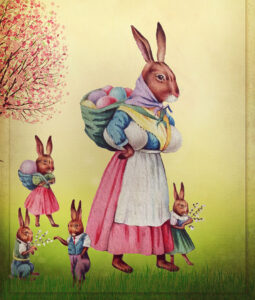
The concept of an egg-laying hare traces its roots back to old pagan springtime traditions, particularly those celebrating fertility and the renewal of life following winter. Rabbits and hares, renowned for their prodigious reproductive capabilities, have long been potent symbols of fertility and vitality across numerous cultures. Similarly, eggs, containing the promise of new life, have been universally recognized as emblems of rebirth and fecundity since antiquity.
Many scholars link the origins of Easter to ancient Germanic pagan festivals honoring Eostre (or Ostara), a goddess of spring, dawn, and fertility. Her symbols often included hares and eggs, reflecting the abundance and new life associated with the spring equinox. As Christianity spread across Europe, it often assimilated existing pagan customs and symbols, reinterpreting them within a new theological framework. This syncretism allowed for a smoother transition for converts and helped to embed Christian holidays within familiar cultural contexts. The imagery of fertility, rebirth, and spring, already associated with Eostre, found a natural resonance with the Christian celebration of Christ’s resurrection.
The Osterhase‘s Journey: A Chronology of a Cultural Icon
The specific folklore of an egg-laying hare, known in German as the Osterhase (Easter Hare), emerged distinctly in parts of Europe, most notably Germany. The earliest written accounts of this tradition date back to the 17th century.
- 1682: Georg Franck von Franckenau, a German professor of medicine, wrote "De ovis paschalibus" (About Easter Eggs), which explicitly mentions the Osterhase as a creature that lays eggs and hides them in gardens for children to find. This early reference provides concrete evidence of the tradition’s existence and popularization in German folklore.
- 18th Century: German immigrants brought the tradition of the Osterhase to America, particularly to the Pennsylvania Dutch communities. These early settlers maintained their customs, including the belief that the "Oschter Haws" would bring colored eggs to good children. Children would prepare nests (often bonnets or baskets) in their gardens, hoping the hare would fill them with colorful eggs.
- 19th Century: The Osterhase tradition gradually spread beyond German-American communities and began to gain wider acceptance in American culture. As the commercialization of holidays began to take hold, the Easter Hare evolved into the more cuddly, benevolent "Easter Bunny," becoming a central figure in springtime celebrations across the nation. Illustrated books, greeting cards, and confectionary companies played a significant role in solidifying the image of the bunny as the bringer of Easter eggs and treats.
- 20th Century to Present: The Easter Bunny became a ubiquitous symbol of Easter, largely shedding its pagan origins for a broader, secular, and commercial appeal. The practice of Easter egg hunts, decorating eggs, and gifting chocolate bunnies became ingrained in modern springtime festivities.
Folklorists and cultural anthropologists often observe that the enduring appeal of such myths lies in their ability to connect people to a sense of wonder, tradition, and community, blending the sacred with the playful. The Easter Bunny, in this sense, represents a powerful example of cultural synthesis, demonstrating how ancient symbols can transform and persist across centuries and continents.
Cultural Synthesis and Modern Manifestation
The transformation of the Osterhase from a folkloric judge of well-behaved children to the modern, often anthropomorphic Easter Bunny, reflects a broader cultural synthesis. The blending of ancient fertility symbols with Christian narratives, and later with commercial interests, created a unique holiday tradition. The emphasis shifted from a mysterious hare to a friendly rabbit, often depicted carrying baskets of brightly colored eggs and candies. This evolution showcases the dynamic nature of cultural myths, adapting to new contexts while retaining core elements of their original meaning—rebirth, abundance, and the joy of spring.
Nesting Strategies: A Tale of Two Species
While birds and rabbits diverge significantly in their reproductive biology, they do share one commonality: the instinct to build nests to protect their young. However, their nesting strategies are as distinct as their evolutionary paths, each meticulously adapted to their species’ unique needs and environmental pressures.
Avian Architecture: Diversity in Design
Bird nests are incredible examples of natural architecture, exhibiting an astounding variety of forms, materials, and locations. From the intricately woven cup nests of hummingbirds, often reinforced with spider silk and lichen, to the massive platform nests of eagles, built high in trees or on cliffs, avian nests are sophisticated structures designed for incubation, protection from predators and elements, and the safe rearing of altricial (helpless at birth) young.
- Cup Nests: The most common type, typically cup-shaped, built in trees or shrubs. Examples include robins, finches, and many songbirds. Materials vary widely, from twigs and mud to grass, feathers, and even human-made debris.
- Cavity Nests: Birds like woodpeckers, owls, and many parrots nest in hollows of trees, rock crevices, or even burrows in the ground. These nests offer excellent protection from predators and temperature fluctuations.
- Platform Nests: Large, relatively flat nests often built by raptors (e.g., eagles, ospreys) or storks, typically in tall trees, on cliffs, or artificial structures. These nests are often reused and added to over many years, becoming quite substantial.
- Pendant Nests: Elaborate, hanging nests woven by birds like orioles and weaverbirds, suspended from branches to deter predators.
- Ground Nests: Many species, including ducks, geese, and some game birds, nest directly on the ground, often relying on camouflage for protection.
The construction of these nests is a laborious and precise process, often involving both parents, and is crucial for the survival of their offspring. The choice of nest location and materials reflects evolutionary pressures, predator avoidance strategies, and the specific needs of the developing chicks.
Leporine Lairs: Subtlety and Survival
In stark contrast to the diverse and often elevated nests of birds, rabbits construct much simpler, yet equally effective, nests. Unlike birds, rabbits do not typically "sit" on their nests for extended periods. Instead, a mother rabbit creates a shallow depression in the ground, often in a hidden spot like dense grass, under a bush, or in a secluded corner of a garden. This shallow dip, known as a "form," is then meticulously lined with soft fur that the mother rabbit pulls from her own belly, providing insulation and comfort for her kits (baby rabbits). She then carefully covers the nest with dried grass, leaves, or other debris, effectively camouflaging it from predators.
This strategy is a vital adaptation for survival. Rabbit kits are born altricial—blind, deaf, and hairless—making them extremely vulnerable. To avoid attracting predators to the nest with her scent, the mother rabbit adopts a highly secretive approach to parental care. She visits her hidden nest only once or twice a day, typically at dawn and dusk, for quick feeding sessions lasting just a few minutes. During these brief visits, she uncovers the nest, nurses her kits, and then meticulously re-covers it, leaving them largely unattended for the rest of the day. This minimizes the risk of her presence betraying the kits’ location to foxes, coyotes, or other predators.
Evolutionary Divergence in Parental Care
The fundamental differences in nesting and parental care strategies between birds and rabbits highlight their distinct evolutionary trajectories and reproductive biology. Birds, laying hard-shelled eggs that require external incubation, have evolved complex nests and often prolonged parental attendance. Their altricial young, once hatched, continue to depend heavily on parents for food and protection within the nest.
Rabbits, as mammals, bear live young. Their ground nests, coupled with the mother’s infrequent visits, are adaptations to protect highly vulnerable offspring in a terrestrial environment where constant parental presence could draw unwanted attention. The kits’ rapid development, often able to leave the nest within a few weeks, further underscores this strategy of minimizing exposure.
In conclusion, while the charming tale of the Easter Bunny continues to delight, the true marvel of egg-laying belongs to the avian world, where eggs are not merely vessels but intricate biological masterpieces reflecting millions of years of evolutionary refinement. The juxtaposition of biological fact with cultural myth offers a rich tapestry of understanding, inviting us to appreciate both the wonders of the natural world and the enduring power of human storytelling.
