

Feathers, far from being mere ornamentation, are intricate biological marvels essential for a bird’s survival, facilitating flight, thermoregulation, and crucial social communication. The presence of "stress bars" on a bird’s plumage serves as a critical indicator, a visual record of physiological distress or nutritional deficiency experienced during the feather’s growth cycle. Understanding these subtle yet significant markings is paramount for avian enthusiasts and caretakers, offering invaluable insights into a bird’s overall health.
The Intricate Architecture of Avian Plumage
At the fundamental level, a feather is a highly specialized epidermal outgrowth, primarily composed of beta-keratin, a tough, insoluble protein. Each developing feather emerges from a follicle, initially encased within a protective sheath, often referred to as a "pin feather." This bird feather sheath shields the delicate, vascularized structure until it fully matures. As the feather grows, the sheath progressively flakes away, revealing the complex, interlocking architecture beneath.
The central axis of a feather is the rachis, a strong yet flexible shaft that provides structural integrity. Branching laterally from the rachis are numerous barbs, which form the main surface of the feather, known as the vane. Under microscopic examination, each barb is seen to possess even finer, hair-like projections called barbules. These barbules are equipped with tiny hooks (barbicels) that interlock with adjacent barbules, forming a cohesive, aerodynamic surface. This ‘Velcro-like’ mechanism is crucial for maintaining the feather’s integrity, allowing birds to preen and repair minor disruptions, ensuring efficient flight and insulation. This intricate design makes feathers both durable and remarkably lightweight, enabling birds to navigate diverse environments, repel water, and regulate body temperature with precision.
Beyond flight, feathers perform a myriad of functions. Contour feathers provide the bird’s streamlined shape and color, aiding in camouflage or display. Down feathers, located beneath the contour feathers, offer superior insulation due to their fluffy, disorganized structure that traps air. Flight feathers, specifically the remiges (wing feathers) and rectrices (tail feathers), are asymmetrical and robust, designed to generate lift and thrust. The meticulous design and functionality of each feather type underscore the evolutionary sophistication of avian plumage.
Nutritional Foundations for Robust Feather Development
The continuous growth and replacement of feathers, particularly during molting, demand substantial physiological resources. For birds to grow strong, healthy feathers, a comprehensive and consistent nutritional intake is indispensable. Feathers are approximately 90% protein, making dietary protein, rich in specific amino acids, the primary building block.
- Proteins and Amino Acids: Keratin synthesis relies heavily on sulfur-containing amino acids such as methionine and cysteine. Lysine and threonine are also crucial. Diets deficient in these essential amino acids will inevitably lead to weak, brittle feathers, prone to breakage and stress bar formation. High-quality protein sources include specialized avian pellets, cooked legumes, and certain seeds and nuts in moderation.
- Vitamins:
- Vitamin A: Essential for healthy epithelial tissue, including feather follicles. Deficiency can result in poor feather quality, abnormal feather growth, and compromised immune function.
- B-complex Vitamins (e.g., Biotin, Riboflavin): Critical cofactors in metabolic processes, including protein and fat metabolism, which directly impact keratin synthesis and feather pigmentation. Biotin, in particular, is often associated with skin and feather health.
- Vitamin D3: Crucial for calcium absorption and metabolism, indirectly supporting bone health and overall physiological function, which impacts feather quality.
- Minerals:
- Zinc: An essential trace mineral involved in numerous enzymatic reactions, including those related to protein synthesis and feather pigmentation. Zinc deficiency can lead to dull, discolored, or poorly formed feathers.
- Calcium: While primarily known for bone health, calcium plays a role in cellular functions that support overall bird health, which in turn influences feather development.
- Selenium: An important antioxidant, protecting cells from oxidative damage, which can indirectly affect feather health.
- Essential Fatty Acids (EFAs): Omega-3 and Omega-6 fatty acids contribute to healthy skin and a lustrous feather coat. They help maintain feather flexibility, reduce dryness, and enhance overall feather sheen.
A diet predominantly composed of seeds, which are often high in fat but low in essential vitamins, minerals, and specific amino acids, is a common culprit behind poor feather quality and stress bar development in pet birds. Avian nutritionists universally recommend a high-quality, species-appropriate pelleted diet supplemented with a diverse array of fresh vegetables, fruits, and occasional healthy treats.
Distinguishing Healthy from Compromised Feathers
Healthy bird feathers are characterized by their smooth, uniform texture, vibrant coloration, and inherent flexibility. They are resilient, repel water effectively, and provide excellent insulation. In contrast, unhealthy feathers often appear dull, discolored, brittle, or frayed. They may show signs of breakage, uneven growth, or poor structure.
Compromised feather quality extends beyond aesthetics. Damaged or weak feathers significantly impair a bird’s ability to fly efficiently, potentially limiting their capacity to escape danger in the wild or engage in essential exercise in captivity. The insulation properties are diminished, making the bird vulnerable to temperature fluctuations. Furthermore, poor feather coverage can expose delicate skin to irritation, injury, and increased risk of infection. For pet birds, this can lead to chronic discomfort, stress, and a heightened reliance on external warmth and protection. The presence of stress bars is a clear indication that the bird’s physiological well-being was compromised during a specific period of feather growth.
The Feather Growth Timeline: A Biological Chronicle
Feather growth is a dynamic process, with its speed influenced by the bird species, the type of feather, and the bird’s overall health and nutritional status. For instance, smaller passerine birds might regrow a damaged feather within a few weeks, while larger parrots could take several months for a primary flight feather to reach full maturity. The molting cycle, during which old feathers are systematically shed and replaced, is a particularly energy-intensive period, making birds more susceptible to nutritional and environmental stressors.
During development, each feather, often referred to as a "blood feather," is connected to the bird’s circulatory system via the rachis. This direct blood supply delivers the proteins, vitamins, and minerals vital for the feather’s structural integrity and resilience. Just as a plant requires a consistent supply of nutrients and water for uninterrupted growth, a developing feather relies on an unceasing flow of nourishment to develop without weaknesses or defects.
If a bird experiences any form of significant stress—be it illness, environmental disturbance, or nutritional inadequacy—during the formation of a feather, this disruption is literally etched into the feather’s structure as a stress bar. These subtle, horizontal lines represent points where growth was interrupted, resulting in thinner, weaker sections of the feather. They serve as a chronological record, visually mapping periods when the bird’s physiological demands were not adequately met. By recognizing and interpreting these markings, avian caretakers gain a valuable tool for retrospectively identifying and addressing past stressors to improve future feather health.
Identifying and Interpreting Stress Bars
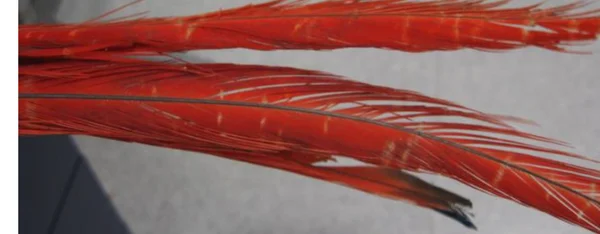
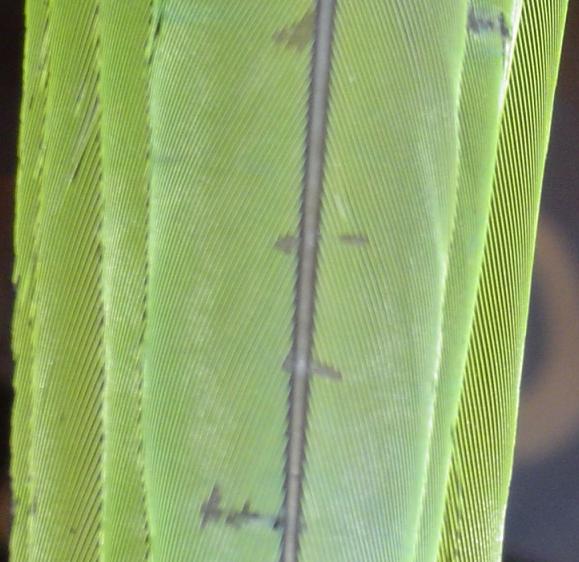
Stress bars manifest as thin, horizontal lines or bands that traverse the feather vane, disrupting its otherwise smooth texture, uniform coloration, and inherent strength. These lines may appear darker, lighter, or simply as a noticeably thinner area, creating a weak point where the feather is more susceptible to breakage. Under strong lighting, stress bars can be seen as subtle indentations or areas of reduced density within the feather structure.
They are most readily observed on the larger, more robust feathers, such as the primary and secondary flight feathers of the wings and the tail feathers, where they typically form straight, symmetrical bands. In some instances, stress bars may also be associated with faded or uneven pigmentation, causing the feather to appear dull or streaky compared to healthy plumage. The presence of multiple stress bars at the same horizontal level across several feathers strongly suggests that the bird endured a specific, systemic stressful event or prolonged period of stress that impacted concurrent feather growth.
When to Intervene: Addressing Stress Bars
Observing stress bars on a bird’s feathers, while a cause for attention, does not always warrant immediate alarm. A few minor stress bars, particularly following significant life events such as a move to a new home, a diet transition, or a major molt, may reflect temporary, unavoidable stressors. However, if stress bars are numerous, appear across multiple feathers, or are accompanied by other signs of poor feather quality (dullness, brittleness, slow growth) or general ill-health, proactive intervention becomes essential.
The initial course of action involves a thorough evaluation of the bird’s diet, living environment, and daily routine. Nutritional deficiencies, especially those stemming from an imbalanced or seed-only diet lacking essential amino acids, vitamins, and minerals, are a predominant cause of weak feathers. Concurrently, environmental stressors, such as inadequate sleep, inconsistent lighting cycles, sudden temperature fluctuations, loud noises, or insufficient mental and physical enrichment, can significantly contribute to physiological stress. Implementing a balanced, nutrient-rich diet, establishing a stable and predictable routine, and cultivating a calm, low-stress home environment are foundational steps towards fostering the growth of strong, healthy feathers during subsequent molts.
Should stress bars persist through multiple molting cycles, or if they are coupled with other concerning symptoms such as feather plucking, excessive or abnormal molting, lethargy, or unexplained weight loss (a 5-10% body weight loss can be significant), consultation with an avian veterinarian is imperative. Chronic stress bars can signal an underlying medical condition, including malnutrition, parasitic infestations (both internal and external), bacterial or viral infections, or systemic illnesses. Early diagnosis and targeted treatment of the root cause are crucial for preventing long-term feather damage and safeguarding the bird’s overall health and welfare.
Multifaceted Causes of Unhealthy Avian Feathers

The development of unhealthy feathers and stress bars is rarely attributable to a single factor but rather a complex interplay of environmental, nutritional, and physiological stressors.
1. Environmental Changes and Disruptions:
Birds are creatures of habit and thrive on predictability. Sudden or significant changes in their environment can induce considerable stress.
- Temperature and Humidity Fluctuations: Extreme heat or cold, or excessively dry air, can directly impact feather quality and cause stress. Optimal temperature and humidity levels are species-specific.
- Inconsistent Lighting: Irregular light-dark cycles disrupt a bird’s circadian rhythm, affecting sleep patterns, hormone regulation, and overall well-being. Lack of appropriate UV-B lighting can also impair vitamin D synthesis.
- Cage Location and Size: An improperly sized cage, lack of suitable perches, or a cage placed in a high-traffic, noisy area can be perpetual sources of stress.
- Unfamiliar Surroundings: Moving to a new home, changes in household members, or the introduction of new pets can be highly stressful events.
2. Diet and Routine Disruptions:
As previously emphasized, consistent access to a nutrient-dense diet is non-negotiable for feather health.
- Nutritional Deficiencies: Diets lacking in specific proteins, vitamins (A, D, B-complex), and minerals (zinc, calcium) directly impede keratin production and feather formation. Seed-only diets are particularly notorious for creating such deficiencies.
- Sudden Dietary Changes: Abrupt shifts in diet can cause digestive upset and stress, impacting nutrient absorption.
- Inconsistent Feeding Schedules: Irregular meal times can create anxiety and physiological stress.
- Disrupted Sleep Patterns: Birds require 10-12 hours of uninterrupted darkness for adequate rest. Noise, light, or disturbances during this period can lead to chronic stress.
3. Physical and Emotional Stress Factors:
Feather growth is a delicate process, easily disrupted by any form of physical or emotional strain.
- Illness and Disease: Any underlying health issue, such as bacterial or viral infections, fungal diseases, organ dysfunction, or internal parasites, diverts the body’s resources away from non-essential processes like feather growth, leading to stress bars.
- Pain or Injury: Physical trauma, even minor, can cause stress and impact feather development in the subsequent growth phase.
- Over-molting or Abnormal Molting: While molting is natural, an abnormally prolonged or intense molt can be highly taxing on a bird’s system.
- Psychological Stress:
- Loneliness and Lack of Stimulation: Social animals, many birds suffer from isolation. Lack of toys, foraging opportunities, or social interaction can lead to boredom, frustration, and stress.
- Fear and Anxiety: Loud noises, aggressive household pets, perceived threats, or inconsistent handling can induce chronic fear.
- Aggression from Cage Mates: Bullying or territorial disputes within a multi-bird environment can be a constant source of stress.
- Reproductive Stress: Egg-laying, especially chronic egg-laying, and chick rearing are physically demanding and can lead to stress bars.
Proactive Strategies for Preventing Stress Bars
Preventing stress bars requires a holistic and consistent approach to avian care, focusing on optimal nutrition, a stable environment, and regular health monitoring.
1. Establish Consistent Routines:
Birds thrive on predictability. A stable daily routine provides a sense of security and minimizes stress.
- Consistent Feeding Times: Offer meals at the same time each day.
- Regular Sleep Schedule: Ensure 10-12 hours of uninterrupted darkness for sleep.
- Predictable Out-of-Cage Time: If applicable, schedule consistent periods for supervised play and interaction.
- Consistent Cage Cleaning: Maintain a clean living environment on a regular schedule.
2. Create a Calm, Yet Enriching Environment:
A bird’s living space should balance security with mental and physical stimulation.
- Appropriate Cage: Ensure the cage is adequately sized for the species, with varied perches (different materials, diameters) to promote foot health.
- Strategic Placement: Position the cage in a safe, predictable area away from drafts, direct sunlight, and excessive noise, but where the bird can still observe household activity.
- Environmental Enrichment: Provide a rotating selection of safe, engaging toys for chewing, climbing, and foraging. Introduce foraging opportunities to stimulate natural behaviors.
- Social Interaction: For social species, provide regular, positive interaction with their human caregivers or appropriate cage mates.
- Temperature and Humidity Control: Maintain species-appropriate temperature and humidity levels. Consider a humidifier in dry climates.
- Adequate Lighting: Provide access to natural light and consider full-spectrum avian lighting with UV-B for indoor birds.
3. Optimize Nutrition:
A high-quality diet is the cornerstone of feather health.
- Pellet-Based Diet: This should form the majority (e.g., 60-80%) of the diet for most pet bird species, providing a balanced nutritional foundation.
- Fresh Produce: Supplement daily with a wide variety of fresh, bird-safe vegetables (especially dark leafy greens), fruits, and sprouts.
- Clean Water: Ensure constant access to fresh, clean water, changed at least daily.
- Supplements: Only administer supplements under the guidance of an avian veterinarian, as inappropriate supplementation can be harmful.
4. Regular Veterinary Check-ups and Monitoring:
Proactive veterinary care is crucial for early detection and prevention.
- Annual Wellness Exams: Birds are adept at hiding illness. Regular check-ups by an avian veterinarian can detect subtle health issues before they become severe.
- Parasite Screening: Routine checks for both internal and external parasites.
- Dietary Review: Discuss your bird’s diet with your vet to ensure it meets their specific needs.
- Behavioral Assessment: Your vet can help identify and address behavioral issues that may stem from stress.
Responding to Observed Stress Bars: A Structured Approach
If stress bars are observed, a systematic approach is recommended:

- Stay Calm and Observe: Assess the extent and pattern of the stress bars. Are they isolated or widespread? Are they on new growth or older feathers?
- Review Recent Changes: Consider any recent alterations in diet, environment, routine, or social dynamics that might have caused stress.
- Enhance Nutritional Intake: Double-check the diet’s balance and quality. Ensure fresh, varied produce is offered daily and that a high-quality pelleted diet forms the foundation.
- Audit the Environment: Scrutinize the cage setup, lighting, temperature, noise levels, and enrichment opportunities. Address any identified deficiencies or stressors.
- Stabilize Routine: Reinforce consistent feeding, sleep, and interaction schedules.
- Veterinary Consultation: If stress bars are persistent across multiple molts, severe, or accompanied by any other signs of illness or behavioral changes (e.g., lethargy, appetite changes, feather plucking), schedule an appointment with an avian veterinarian. They can conduct a thorough physical examination, potentially recommend diagnostic tests (blood work, parasite screening), and help identify any underlying medical conditions or chronic stressors.
Stress bars are a symptom, not a disease itself. They are valuable indicators that something in the bird’s internal or external environment requires attention. By understanding their significance and taking proactive steps, caretakers can significantly improve their bird’s quality of life and ensure the growth of vibrant, healthy plumage.
Conclusion
The presence of stress bars on a bird’s feathers serves as a compelling biological narrative, reflecting periods of physiological or psychological challenge during feather development. Recognizing these subtle markers empowers avian caretakers to act decisively, addressing potential issues before they escalate into more serious health problems. The commitment to providing optimal nutrition, a stable and enriching environment, and consistent veterinary oversight forms the bedrock of preventive care, fostering not only impeccable feather health but also the overall well-being and longevity of companion birds. By prioritizing these aspects, we ensure our feathered companions can enjoy robust health, allowing their magnificent plumage to reflect their inner vitality.
Resources for avian wellness, including specialized diets, enrichment tools, and calming aids, are widely available to support these efforts. Making informed choices today can lead to a significant, positive impact on a bird’s feather quality and overall health in the long term.
Related Posts:
- Understanding Bird Stress and How To Calm Your Bird Down
- 5 Essential Ways To Reduce Bird Stress
- Compare Parrot Calming Aids
- 6 Tips For Using Calming Bird Medicine
- 6 Essential Dimensions Of Parrot Wellness You Need To Boost Today
- The Ultimate Guide To Molting Birds
- 7 Simple Steps To Take Right Now To Help Your Molting Parrot
References:
- https://www.herebird.com/feather-stress-bars/
- https://academy.allaboutbirds.org/feathers-article/
- https://www.treehugger.com/amazing-facts-about-feathers-4863989
- https://www.merckvetmanual.com/bird-owners/disorders-and-diseases-of-birds/skin-and-feather-disorders-of-pet-birds?query=feather
Diane Burroughs, LCSW, is a licensed psychotherapist specializing in avian anxiety disorders, nervous bird behaviors, and overall bird care. With training in ABA therapy and certification in Nutrition For Mental Health, Diane has authored several books on bird behavior and offers expert consultations for resolving issues like feather plucking and bird anxiety.
Her work has been featured in the Journal of Avian Medicine and Surgery and presented at Exoticscon. Diane also mediates the Feather Plucking Help group on Facebook, offering support to parrot owners. With over 30 years of experience, Diane has developed thousands of successful individualized behavior plans, promoting parrot wellness and excellent bird care.
TAGS: #BirdStressBars #UnhealthyBirdFeathers #StressBarsInBirds
