


The Ventura City Council has officially voted to prohibit the sale and use of glue traps within city limits, marking a significant shift in urban pest management policies and animal welfare standards in Southern California. The decision, reached during a late March 2026 session, establishes Ventura as the fourth and most populous municipality in the United States to implement such a comprehensive ban. This legislative action follows a sustained period of advocacy from People for the Ethical Treatment of Animals (PETA) and a coalition of local wildlife rehabilitators who argued that the devices are inherently inhumane and pose a significant threat to non-target wildlife species.
The ordinance, which targets both the commercial sale of these traps in retail environments and their use by residents and professional pest control services, represents a growing trend in municipal governance toward "humane exclusion" methods. By passing this measure, Ventura joins a small but influential group of California cities, including West Hollywood, Culver City, and Ojai, that have sought to phase out what animal behaviorists describe as some of the cruelest methods of rodent control currently available on the market.
The Legislative Path to the Ban
The movement toward a ban in Ventura began in earnest after local wildlife centers reported a surge in "bycatch"—non-target animals such as songbirds, lizards, and even small owls—becoming ensnared in glue traps set for mice or rats. During the public comment period of the council meetings, rehabilitators presented data showing that animals caught in these traps often arrive at clinics with catastrophic injuries, including torn skin, broken limbs, and feathers stripped to the bone.
The Ventura City Council’s decision was influenced by a combination of ethical concerns and practical arguments regarding the efficacy of glue traps. Council members noted that while the traps are inexpensive and widely available, they do not address the underlying causes of rodent infestations, such as accessible food sources or structural vulnerabilities in buildings. The new ordinance is expected to be phased in over the coming months, providing a grace period for retailers to clear existing inventory and for the public to be educated on alternative pest management strategies.
Mechanics of Glue Traps and the Physiological Impact on Wildlife
Glue traps, also known as glue boards, consist of a piece of cardboard, fiberboard, or plastic coated with a synthetic adhesive. They are designed to immobilize any animal that steps onto the surface. Unlike snap traps, which are designed to kill an animal instantly by breaking the neck or spine, or live traps, which capture the animal for later release, glue traps are intended to hold the animal until it dies of other causes or is disposed of by the user.
Scientific data presented to the council highlighted the protracted nature of death associated with these devices. Research into animal welfare indicates that more than 85% of animals caught in glue traps suffer for more than 24 hours before expiring. The causes of death are rarely immediate; rather, ensnared animals typically succumb to a combination of:
- Asphyxiation: As animals struggle to free themselves, their noses and mouths often become embedded in the adhesive, leading to a slow and agonizing suffocation.
- Dehydration and Starvation: Because the traps do not kill on contact, animals may remain stuck for several days without access to water or food.
- Self-Mutilation: In a state of extreme panic, rodents and other small mammals have been observed attempting to chew off their own limbs to escape the adhesive.
- Blood Loss and Exhaustion: The intense physical exertion required to fight the glue often leads to cardiovascular collapse or fatal exhaustion.
Furthermore, the "non-target" issue was a pivotal factor for the Ventura City Council. Because the adhesive is indiscriminate, any creature small enough to fit on the board is at risk. Wildlife experts testified that glue traps are a significant secondary cause of mortality for beneficial species that control insect populations, such as geckos and small raptors.
A History of Regional and Corporate Prohibitions
The Ventura ban is part of a broader chronological progression of animal welfare legislation in the United States. The movement gained momentum in the early 2020s when West Hollywood became the first U.S. city to pass a similar ban. This was followed by Ojai and Culver City, creating a legislative template for larger municipalities like Ventura to follow.
The shift is not limited to government action. The private sector has seen a massive retreat from the sale of glue traps over the last decade. Following pressure from animal rights organizations and changing consumer preferences, dozens of major retailers have voluntarily removed glue traps from their shelves. Notable corporations that have enacted such bans include:
- Target: One of the first major retailers to phase out the devices globally.
- CVS and Walgreens: The nation’s leading pharmacy chains cited both animal welfare and public health concerns in their decision to stop sales.
- Dollar General and Dollar Tree: These discount retailers removed the items after acknowledging the cruelty associated with the products.
- Rite Aid and JPMorgan Chase: These entities have prohibited the use of glue traps within their corporate facilities and retail locations.
The cumulative effect of these corporate and municipal bans has been a significant contraction in the glue trap market, encouraging manufacturers to pivot toward more humane or technologically advanced pest control solutions.
The Inefficacy of Lethal Control and the "Vacuum Effect"
A central point of the debate in Ventura involved the long-term efficacy of glue traps in urban environments. Pest management experts and ecologists argued that lethal traps of any kind provide only a temporary reduction in rodent populations if the environment remains hospitable to them.
In biology, this is known as the "vacuum effect." When a population of rodents is removed from a specific area without addressing the food and shelter that attracted them, the sudden abundance of resources triggers a surge in the reproductive rate of the remaining rodents. Additionally, neighboring rodents quickly move into the newly vacated territory. This creates a cycle of trapping and repopulation that fails to solve the pest issue permanently.
The Ventura City Council advocated for Integrated Pest Management (IPM), a strategy that focuses on long-term prevention. IPM techniques include:
- Exclusion: Sealing cracks and crevices in foundations and walls to prevent entry.
- Sanitation: Eliminating food sources through secure trash containment and proper food storage.
- Repellents: Using non-toxic scents or ultrasonic devices to discourage nesting.
- Live Trapping: Using catch-and-release traps that allow for the humane relocation of animals.
Public Health and Safety Considerations
Beyond the ethical implications, the Ventura ban also touched upon public health concerns. The Centers for Disease Control and Prevention (CDC) and other health organizations have previously warned against the use of glue traps because they can increase human exposure to diseases. When rodents are trapped alive and under extreme stress, they frequently urinate and defecate uncontrollably. This can lead to the aerosolization of pathogens, such as hantavirus, which poses a risk to the person handling the trap.
By discouraging the use of glue traps, the city aims to promote safer methods of rodent handling that do not involve close contact with stressed, live animals or their bodily fluids.
Broader Implications and Future Outlook
Ventura’s status as the largest city to adopt this ban is expected to serve as a catalyst for other major metropolitan areas in California and across the United States. Policy analysts suggest that the success of the Ventura ordinance will be closely watched by city councils in Los Angeles and San Francisco, where similar measures have been discussed but not yet implemented.
The reaction from the pest control industry has been mixed. While some traditional firms argue that glue traps are a necessary tool for heavy infestations, many modern companies have already transitioned to "green" and humane pest control models, finding that clients are increasingly unwilling to use methods they perceive as cruel.
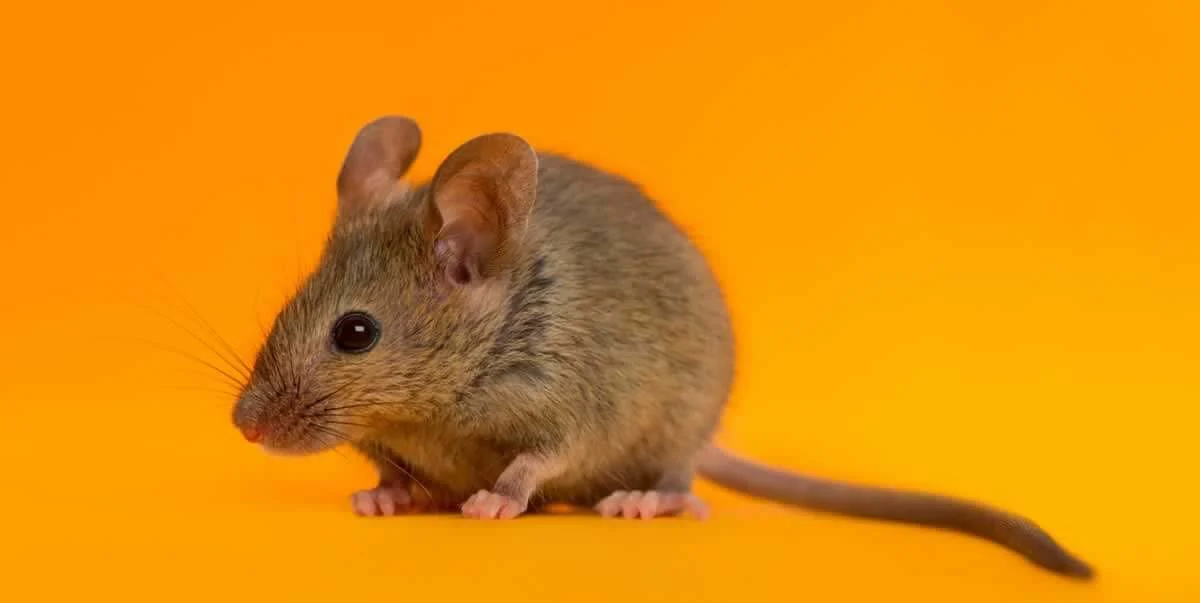
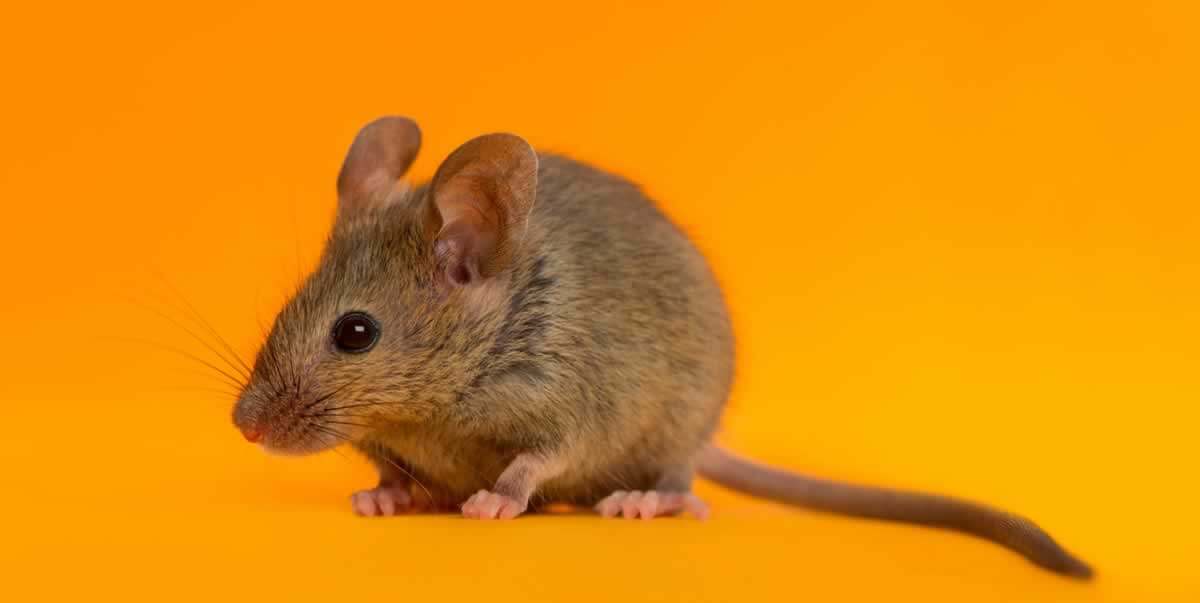
The ban in Ventura also highlights a shifting perspective on the cognitive and social lives of rodents. Recent studies in animal behavior have demonstrated that mice and rats are highly social creatures with complex emotional lives. They exhibit empathy, share food with companions, and have been shown to experience significant distress when separated from their family units. This evolving scientific understanding has played a crucial role in reclassifying what was once considered a "nuisance" into a sentient being deserving of basic welfare protections.
As Ventura prepares to implement the new regulations, the city will launch an educational campaign to assist residents in transitioning to humane pest control. The success of this initiative will likely be measured by a reduction in wildlife injuries reported by local rehabilitators and a shift in the retail landscape of the city. For now, Ventura stands as a prominent example of how municipal policy can evolve to reflect contemporary ethical standards and scientific insights into the natural world.
