

The Ventura City Council has officially approved a comprehensive ban on the sale and use of glue traps within city limits, marking a significant milestone in local animal welfare legislation. This decision makes Ventura the fourth city in the United States—and the largest to date—to implement such a prohibition, following in the footsteps of fellow California municipalities Culver City, West Hollywood, and Ojai. The move comes after a concerted campaign led by People for the Ethical Treatment of Animals (PETA) and supported by local wildlife rehabilitators, who presented evidence regarding the ecological and ethical implications of these devices.
The ordinance, which passed with a majority vote, reflects a growing trend in municipal governance toward the regulation of pest control methods deemed unnecessarily cruel or hazardous to non-target wildlife. By targeting both the sale and the professional or private use of glue traps, the city of Ventura has established a rigorous standard that aims to eliminate the presence of these devices in both residential and commercial sectors.
The Mechanics of Glue Traps and Animal Welfare Concerns
Glue traps, also known as adhesive traps, are typically composed of a piece of cardboard, plastic, or wood coated with a strong synthetic adhesive. Unlike traditional snap traps designed for immediate termination or live-catch traps designed for relocation, glue traps are intended to immobilize the animal upon contact. Once an animal steps onto the adhesive surface, the industrial-strength glue prevents escape, leading to a prolonged period of distress.
Veterinary experts and wildlife rehabilitators have long documented the physiological trauma experienced by animals caught in these devices. As the animals struggle to free themselves, they often suffer from torn skin, broken bones, and self-inflicted injuries. In many cases, trapped animals attempt to chew off their own limbs in a desperate effort to escape. The eventual cause of death is rarely immediate; instead, animals succumb to a combination of exhaustion, dehydration, starvation, or suffocation as their faces become pressed into the adhesive.
Data cited during the council proceedings indicated that approximately 85% of animals caught in glue traps suffer for more than 24 hours before expiring. This duration of suffering is a primary factor in the classification of glue traps as "cruel" by animal rights organizations and various veterinary associations. Furthermore, the traps are non-selective, meaning they frequently capture "non-target" species, including protected songbirds, lizards, squirrels, and even domestic kittens.
Public Health and Safety Warnings from Federal Agencies
The Ventura City Council’s decision was also informed by public health considerations. While glue traps are often marketed as a hygienic solution to rodent infestations, various health organizations have issued warnings regarding their use. The Centers for Disease Control and Prevention (CDC) has specifically advised against the use of glue traps because they increase the risk of human exposure to diseases.
When rodents are trapped and alive for extended periods, they experience extreme fear and distress, which leads to increased urination and defecation. This biological waste often contains pathogens such as Hantavirus, Leptospirosis, and Salmonellosis. Because the animals remain alive and struggling on the trap, they can aerosolize these pathogens, posing a respiratory risk to residents or workers tasked with disposing of the devices. By banning these traps, the council aims to encourage the adoption of pest management strategies that do not involve the prolonged presence of live, distressed, and potentially infectious rodents in human environments.
The Role of Advocacy and Wildlife Rehabilitation Experts
The path to the ban involved a structured advocacy effort that bridged the gap between national animal rights organizations and local environmental experts. PETA provided the council with extensive research and footage documenting the impact of glue traps on various species. This was supplemented by testimony from local wildlife rehabilitators who operate in Ventura County.
Rehabilitators often serve as the first responders when citizens find non-target animals, such as owls or songbirds, stuck to glue boards. The process of removing an animal from the adhesive is delicate and often unsuccessful; it requires the use of specialized oils and solvents that can damage feathers or fur, leading to secondary issues like loss of thermoregulation. The testimony provided by these experts highlighted the resource-intensive nature of treating victims of glue traps and the high mortality rate even after professional intervention.
The council’s deliberations also included a review of the "humane" alternatives available to the public. These include Integrated Pest Management (IPM) strategies, which focus on long-term prevention rather than reactive killing. IPM emphasizes sealing entry points in buildings, proper waste management to eliminate food sources, and the use of non-lethal deterrents.
The Biology of Rodents: Sentience and Social Structure
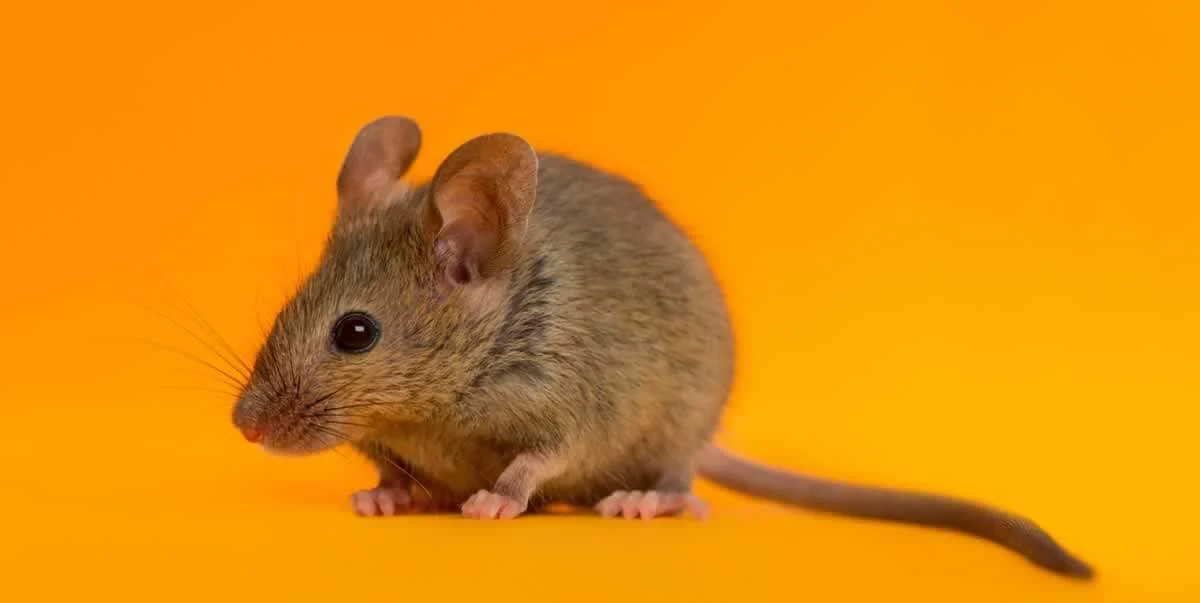
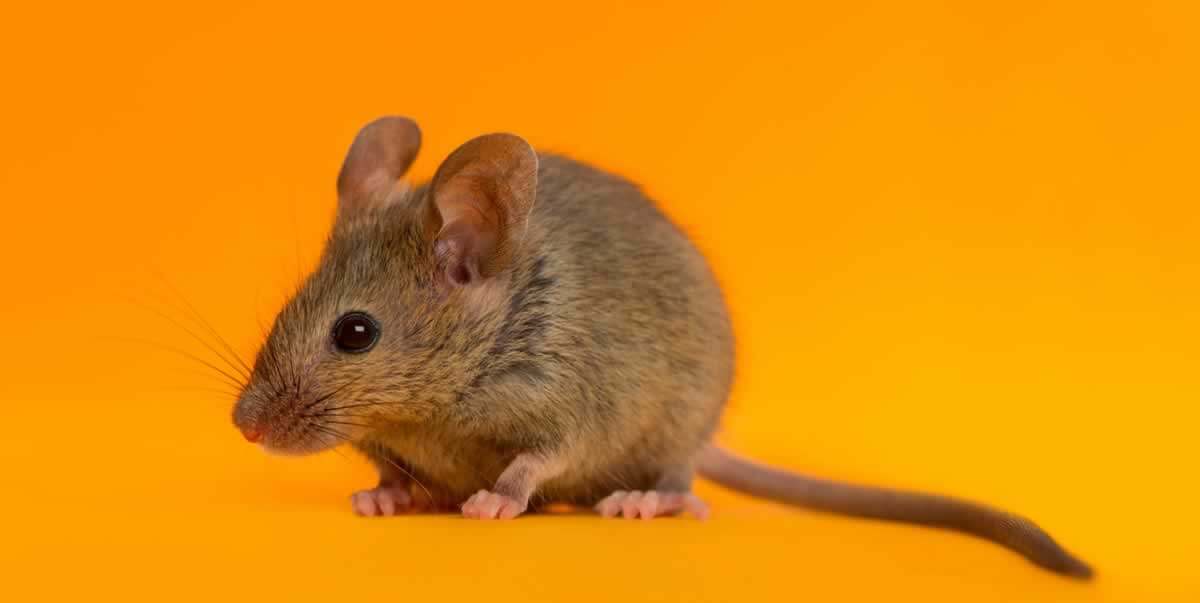
A significant portion of the discourse surrounding the ban focused on the biological and cognitive complexity of the primary targets: mice and rats. Modern ethology—the study of animal behavior—has revealed that rodents are highly social and intelligent mammals. Studies have shown that rats possess a capacity for empathy, often choosing to help a distressed companion over receiving a food reward.
Mice and rats live in intricate family structures and communicate through a range of vocalizations, some of which are in the ultrasonic range and have been described by researchers as "songs" used during courtship. They are known for their meticulous grooming habits and their ability to learn and navigate complex environments. By recognizing the sentience of these animals, the Ventura City Council aligned its legislative framework with contemporary scientific understandings of animal suffering and consciousness.
The Shift in Retail and Corporate Responsibility
The local ban in Ventura mirrors a broader shift in the corporate landscape. In recent years, dozens of major retailers have voluntarily removed glue traps from their shelves following pressure from consumers and advocacy groups. Notable companies that have discontinued the sale of these devices include Target, CVS, Walgreens, Dollar General, Dollar Tree, and Rite Aid.
This corporate trend suggests that the market for glue traps is shrinking as public awareness of animal welfare increases. However, despite the voluntary actions of these large chains, glue traps remain available in many independent hardware stores and through various online marketplaces. The Ventura ordinance ensures that even those retailers not covered by national corporate policies must comply with local standards, creating a level playing field for humane pest control products.
Alternative Solutions and Economic Impact
Critics of trapping bans often raise concerns regarding the efficacy of pest control and the potential economic burden on property owners. However, pest control experts supporting the ban argue that glue traps are actually an ineffective long-term solution. Because glue traps do not address the environmental factors that attract rodents, such as accessible food or entry holes, they often result in a "vacuum effect" where new rodents quickly move in to replace those killed.
The city of Ventura plans to provide resources to residents and business owners regarding effective alternatives. These include:
- Exclusion Services: Sealing cracks and crevices with steel wool or metal flashing to prevent entry.
- Sanitation: Ensuring that trash bins are secured and that food is stored in airtight containers.
- Humane Live Traps: Devices that capture the animal without injury, allowing for release in a more appropriate habitat.
- Electronic Repellents: Using ultrasonic devices that deter rodents from entering specific areas.
From an economic perspective, the transition to these methods is often more cost-effective over time, as they reduce the need for the continuous purchase of disposable traps and the professional labor required for their disposal.
Global Context and Future Legislative Trends
The move by Ventura is part of a global movement to restrict or ban glue traps. Several countries have already implemented national prohibitions, citing the inherent cruelty of the devices. The United Kingdom passed the Glue Traps (Offences) Act in 2022, which severely restricts their use. Similar bans exist in Iceland, Ireland, and several states in Australia and India.
In the United States, California has emerged as a leader in this legislative area. The success of the bans in West Hollywood, Culver City, Ojai, and now Ventura is expected to serve as a blueprint for other cities across the country. Legal analysts suggest that as more large cities adopt these measures, there may be future pressure for a statewide or even federal prohibition on the devices.
The Ventura City Council’s decision is seen by proponents as a victory for ethical governance, demonstrating that municipal authorities can play a pivotal role in advancing animal welfare while simultaneously addressing public health and environmental concerns. As the ordinance takes effect, the city will monitor compliance and continue to educate the public on the importance of humane cohabitation with local wildlife.
