



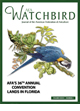
The American Federation of Aviculture (AFA) has reached a significant milestone in the preservation of ornithological knowledge with the completion of its digital archive for the Watchbird magazine. This expansive project covers the publication’s entire history, beginning with its inaugural issue in 1974 and continuing through the mid-2010s. By digitizing forty-two volumes of specialized content, the AFA has provided researchers, conservationists, and avian enthusiasts with a centralized repository of husbandry techniques, legislative history, and species-specific studies that have shaped the modern landscape of bird keeping and protection.
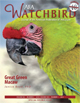
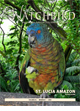
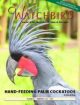
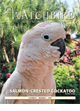
The archive, which encompasses hundreds of individual issues, serves as a chronological record of the evolution of aviculture in the United States and abroad. From the early challenges of exotic Newcastle disease in the 1970s to the complex international conservation efforts of the 21st century, the Watchbird has documented the shifts in scientific understanding and public policy regarding both captive-bred and wild bird populations.
Historical Context: The Birth of the AFA and Watchbird
To understand the weight of this digital archive, one must look back to the climate of 1974, the year the first volume of Watchbird was published. At the time, the avicultural community was facing an existential threat due to the outbreak of exotic Newcastle disease (END). Government-mandated depopulation programs threatened the collections of both hobbyists and zoological institutions. In response, bird clubs across the United States united to form the American Federation of Aviculture.
Watchbird was established as the official voice of this federation. Its mission was twofold: to educate bird keepers on the highest standards of care and to provide a platform for advocacy against restrictive legislation that did not distinguish between responsible breeding and illegal trafficking. The early volumes, specifically Volume 1 (1974) through Volume 6 (1979), reflect a community in its formative stages, focusing heavily on establishing quarantine protocols and basic breeding requirements for popular species like psittacines and finches.
Chronological Evolution of the Publication
The digital archive reveals a clear progression in the sophistication of avian science over the decades. By analyzing the transition from the 1970s to the 2010s, historians can track how the "hobby" of bird keeping transformed into the "science" of aviculture.

The Formative Years (1974–1980)
The earliest issues in the archive, represented by Volumes 1 through 7, are characterized by a sense of urgency. The articles from this era often focus on the establishment of the AFA’s legislative committee and the defense of the right to keep birds. However, even in these early stages, the magazine began publishing groundbreaking work on the hand-rearing of parrots—a practice that was then in its infancy but would eventually become a standard in preventing the extinction of species like the California Condor.

The Growth of Specialization (1981–1990)
During the 1980s, the magazine increased its frequency to a bi-monthly schedule, producing six issues per year. This era, covering Volumes 8 through 17, saw an explosion of specialized knowledge. The archive shows an increase in articles dedicated to "softbills"—non-psittacine birds such as toucans, starlings, and tanagers. This decade also marked the beginning of the AFA’s involvement in international field conservation, with Watchbird reporting on the status of wild populations in South America and Australia.
The Legislative and Conservation Shift (1991–2000)
The 1990s represented a pivotal decade for the AFA, largely due to the passage of the Wild Bird Conservation Act (WBCA) of 1992. The archive from this period (Volumes 18 through 27) documents the intense debates surrounding the cessation of wild-caught bird imports into the United States. Watchbird became a critical resource for breeders who now had to rely entirely on captive-bred populations to maintain genetic diversity. The magazine began featuring more peer-reviewed style research on avian genetics and artificial insemination.
The Modern Era and Digital Transition (2001–2015)
As the 21st century began, the publication shifted back to a quarterly format, focusing on high-quality, long-form technical articles. The final volumes in the digital archive, ending with the combined Volume 41 & 42 (2014-2015), highlight the integration of modern veterinary medicine and genomic mapping into aviculture. These issues emphasize the "One Health" approach, recognizing the interconnectedness of avian health, human health, and the environment.

Supporting Data and Publication Statistics
The comprehensive nature of the archive is reflected in the sheer volume of data preserved. According to the archive’s index, the publication maintained a consistent output for over forty years, despite economic fluctuations and changes in the publishing industry.
| Era | Volumes | Average Issues Per Year | Primary Focus |
|---|---|---|---|
| 1974–1980 | 1–7 | 6 | Advocacy & Basic Husbandry |
| 1981–1995 | 8–22 | 6 | Species-Specific Breeding |
| 1996–2005 | 23–32 | 4–6 | Conservation & Legal Compliance |
| 2006–2015 | 33–42 | 4 | Avian Medicine & Genetics |
The archive includes 42 volumes in total. While most years featured six issues (January/February through November/December), later years moved to a quarterly schedule (Spring, Summer, Fall, Winter) to allow for more in-depth technical papers. The digitization project ensures that all 200+ individual issues, including special editions and double volumes, are preserved in high-resolution formats.
The Role of Watchbird in Global Conservation
A significant portion of the digital archive is dedicated to the AFA’s "Red Siskin Project" and other cooperative breeding programs. The Watchbird served as the primary communication tool for these initiatives. By documenting the successes and failures of these programs over forty years, the archive provides a "roadmap" for modern conservationists.
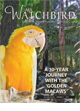
For instance, the Spix’s Macaw, which was declared extinct in the wild in 2000, is featured in numerous articles throughout the 1980s and 90s. The archive preserves the observations of the few aviculturists who worked with the species before it disappeared from its natural habitat. This historical data is now being used by the organizations currently involved in the reintroduction of the Spix’s Macaw in Brazil.

Similarly, the archive tracks the development of the "AFA Disaster Relief Fund," which was utilized during major hurricanes and wildfires to rescue and relocate avian collections. These reports provide empirical data on animal disaster management that remains relevant to emergency responders today.
Official Responses and Industry Impact
The completion of the digital archive has drawn praise from the scientific and zoological communities. While the AFA has not issued a singular press release for every volume added, the organization’s leadership has consistently emphasized the importance of accessible history.
"The digitization of Watchbird is not merely a nostalgic exercise," noted a representative of the AFA’s educational committee in a recent statement regarding the project. "It is the liberation of forty years of data that was previously trapped in paper attics and library basements. By making this searchable, we are allowing a new generation of veterinarians and biologists to build upon the foundations laid by the pioneers of the 1970s."

The American Federation of Aviculture continues to maintain that captive breeding is a vital "safety net" for endangered species. The archive serves as the evidentiary support for this stance, showcasing decades of successful reproduction of species that are now under extreme pressure in the wild.
Broader Implications for Avian Science
The availability of this archive has several long-term implications for the field of ornithology:

- Baseline Health Data: Researchers can look back at forty years of diet and nutrition articles to see how changes in manufactured bird foods have correlated with increased lifespans in captive birds.
- Trend Analysis: The archive allows for the analysis of trends in avian diseases. For example, the emergence and management of Proventricular Dilatation Disease (PDD) can be tracked through the magazine’s reporting from the mid-1980s to the present.
- Legal Precedent: For those studying the history of animal law, the Watchbird provides a detailed account of the avicultural community’s interaction with the U.S. Fish and Wildlife Service and CITES (the Convention on International Trade in Endangered Species of Wild Fauna and Flora).
- Educational Resource: The archive serves as a free, high-level textbook for students of animal science, providing practical applications of biological principles.
Conclusion and Future Outlook
The American Federation of Aviculture’s Watchbird digital archive stands as one of the most comprehensive historical records of any animal-related organization in the United States. By preserving the content from Volume 1, No. 1 (1974) through the final issues of 2015, the AFA has ensured that the collective wisdom of thousands of contributors will not be lost to time.

As the organization moves forward, the archive will continue to be updated with newer content, but its primary value remains its historical depth. In an era where information is often fleeting and unverified, the four-decade legacy of Watchbird provides a stable, fact-based foundation for the future of avian conservation and the continued excellence of avicultural practice. The project reinforces the AFA’s position as a leader in the global effort to understand and protect the world’s avian species.
