


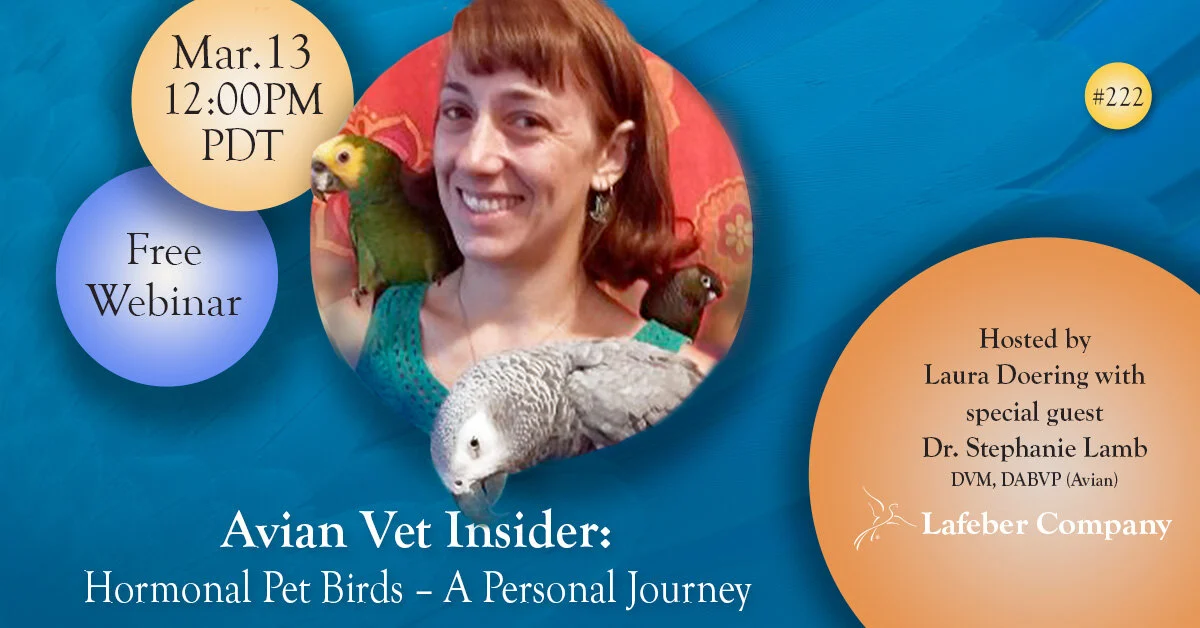
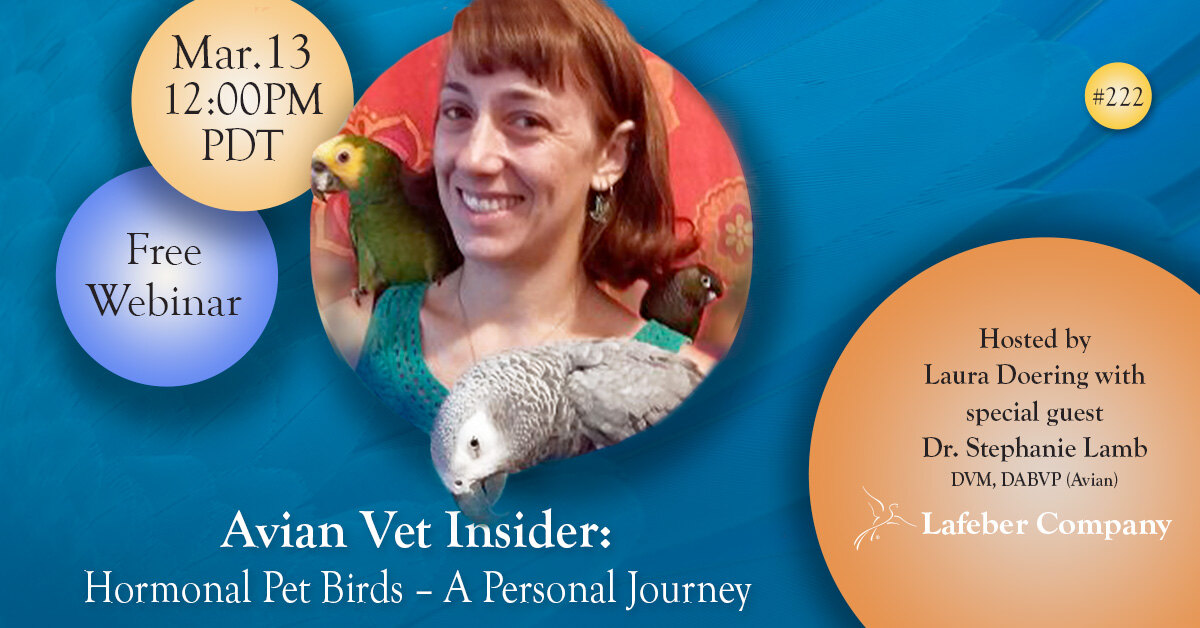
A pivotal educational event for avian enthusiasts and caretakers is slated for Friday, March 13, 2026, at 12:00 p.m. PDT, offering an in-depth exploration into the complex world of hormonal pet birds. This complimentary, live, and interactive webinar, titled "Hormonal Pet Birds – A Personal Journey," is set to feature the renowned avian veterinarian, Dr. Stephanie Lamb, DVM, DABVP (Avian Practice), as the special guest speaker. Guiding the discussion will be Laura Doering, a respected figure in the avian community and former editor of both Bird Talk magazine and Birds USA magazine. The session promises to deliver a unique perspective, as Dr. Lamb will draw upon her own experiences with hormonal pet birds, providing an invaluable "insider’s view" into the challenges and management strategies encountered both in a clinical setting and within her personal life.
Understanding Avian Hormonal Behavior: A Prevalent Challenge
Hormonal fluctuations are a natural part of a bird’s life cycle, but in the captive environment, these natural instincts can manifest as problematic behaviors, posing significant challenges for pet bird owners. These behaviors, often seasonal, can range from mild irritations to severe issues impacting the bird’s welfare and the human-animal bond. Common manifestations include increased aggression, excessive screaming, destructive chewing, feather plucking, regurgitation directed towards owners or objects, incessant nest-building, and, in hens, chronic egg-laying. While these behaviors are biologically driven by reproductive hormones, the captive setting often exacerbates them due to factors such as inappropriate diet, lack of sufficient sleep, prolonged exposure to light, perceived mates (which can include human owners or toys), and access to dark, enclosed spaces that mimic nesting sites.
The prevalence of hormonal issues is substantial within the pet bird community. Studies and anecdotal evidence from avian veterinarians suggest that a significant percentage of behavioral consultations are directly or indirectly linked to hormonal imbalances. For instance, chronic egg-laying in female birds, if left unmanaged, can lead to life-threatening conditions such as egg binding, cloacal prolapse, hypocalcemia, and osteoporosis, thereby necessitating immediate veterinary intervention. Similarly, persistent aggression can lead to bites, fear, and a strained relationship between the bird and its owner, sometimes culminating in the bird being rehomed or relinquished to a sanctuary. The seasonal nature of these issues often means that owners face a recurring cycle of behavioral challenges, requiring consistent vigilance and adaptation of management strategies. The webinar aims to equip attendees with the knowledge to navigate these often-turbultent periods effectively.
The Significance of a Personal Journey from an Avian Expert
The unique aspect of this webinar lies in Dr. Stephanie Lamb’s commitment to sharing her "personal journey" with a hormonal pet bird. Dr. Lamb, a Doctor of Veterinary Medicine and a Diplomate of the American Board of Veterinary Practitioners (Avian Practice), brings a dual perspective to this complex topic. As a board-certified avian veterinarian, she possesses extensive scientific and clinical expertise in diagnosing and treating avian diseases, including those related to the reproductive system and hormonal imbalances. Her specialization signifies a rigorous process of advanced training, examination, and demonstrated proficiency in avian medicine, placing her among the top experts in the field.
However, it is her personal experience that promises to resonate most deeply with pet bird owners. While veterinary textbooks and clinical experience provide a wealth of theoretical and practical knowledge, the daily reality of living with a hormonally driven bird can be profoundly challenging and emotionally taxing. Dr. Lamb’s willingness to openly discuss her own struggles and triumphs in managing a hormonal parrot provides an unparalleled level of empathy and relatability. This personal narrative transcends mere medical advice, offering insights into the emotional toll on caregivers, the trial-and-error process of implementing management strategies, and the patience required to foster a healthy relationship with a bird experiencing these natural, yet often disruptive, cycles. Attendees can expect practical advice grounded not just in science, but in the lived experience of someone who understands the daily realities of pet bird ownership from the inside out. This approach humanizes the veterinary profession and builds trust, reinforcing the idea that even experts face similar challenges.
The Role of Expert Hosts and Educational Platforms
The webinar is hosted by Laura Doering, whose distinguished career as editor of Bird Talk and Birds USA magazines establishes her as a knowledgeable and trusted voice in the avian community. Her experience in curating content and communicating complex avian health and behavior topics to a broad audience makes her an ideal facilitator for such an important discussion. Her involvement ensures that the webinar’s content will be accessible, engaging, and directly relevant to the concerns of pet bird owners. The collaboration between a leading avian veterinarian and an experienced avian journalist underscores the importance of disseminating accurate, practical, and empathetic information to enhance avian welfare.
The hosting of such free, live, and interactive webinars also highlights the increasing role of digital platforms in avian education and advocacy. Organizations often sponsor these events as part of their commitment to promoting responsible pet ownership and supporting the health and well-being of companion birds. These online forums break down geographical barriers, allowing bird owners from around the world to access expert advice and connect with a community facing similar challenges. The provision of a time zone converter link for the March 13, 2026, event further exemplifies the organizers’ dedication to global accessibility. This model of expert-led, freely available education is crucial for empowering owners to make informed decisions about their birds’ care, potentially preventing serious health issues and improving the quality of life for countless captive parrots.
Chronology of Hormonal Behavior and Management
The timeline of hormonal issues in pet birds often follows a predictable, albeit sometimes fluctuating, pattern. Most pet birds, particularly parrots, originate from equatorial regions where seasonal changes are less dramatic than in temperate zones. However, even subtle changes in photoperiod (light exposure), temperature, and food availability can trigger reproductive instincts. In captivity, artificial lighting, consistent food availability, and the presence of perceived mates can inadvertently keep birds in a perpetual state of hormonal readiness or induce cycles outside their natural wild rhythms.
- Initial Manifestation (Seasonal/Environmental Triggers): Typically, owners first notice subtle changes in behavior corresponding to specific times of the year, often spring or fall, or in response to perceived environmental cues. This might include increased vocalization, mild territoriality, or the initiation of nest-building behaviors.
- Escalation of Symptoms: Without intervention, these behaviors can intensify, leading to more aggressive displays, destructive tendencies, chronic egg-laying, or self-mutilation (feather plucking). This escalation often prompts owners to seek advice from online forums, bird stores, or ultimately, an avian veterinarian.
- Veterinary Consultation and Diagnosis: An avian veterinarian will typically conduct a thorough physical examination, discuss the bird’s diet, environment, and behavioral history, and may recommend diagnostic tests such as blood work (to check hormone levels, calcium, and liver function), radiographs (to assess for egg binding or reproductive organ changes), or ultrasound.
- Implementation of Management Strategies: Based on the diagnosis, a multi-faceted management plan is usually developed. This often includes environmental modifications (e.g., increasing sleep, reducing perceived nesting sites, altering diet), behavioral modification techniques, and in some cases, medical interventions (e.g., hormone therapy, GnRH agonists, or surgical sterilization for chronic egg layers).
- Ongoing Monitoring and Adjustment: Managing hormonal birds is rarely a one-time fix. It requires continuous monitoring, adaptation of strategies, and patience from the owner. Dr. Lamb’s personal journey will likely highlight this iterative process, offering valuable insights into long-term management.
The webinar, scheduled for March 13, 2026, positions itself as a critical juncture for owners, offering timely insights before the peak of many birds’ spring hormonal surges. By attending, owners can proactively prepare or address ongoing issues with expert guidance.
Supporting Data and Broader Implications for Avian Welfare
The scale of pet bird ownership globally is significant, with millions of households including avian companions. Data from various pet industry associations consistently show birds as one of the most popular types of pets, often ranking third or fourth after dogs and cats. Despite their popularity, there remains a substantial knowledge gap among many owners regarding species-specific needs, particularly concerning complex behavioral and physiological aspects like hormonal cycles. This knowledge gap frequently leads to suboptimal care, stress for the bird, and frustration for the owner.
For example, behavioral issues, often rooted in hormonal drivers, are among the leading reasons for pet bird relinquishment to shelters and rescue organizations. According to some avian rescue statistics, a significant percentage of surrendered birds are between 5-15 years old, a period when hormonal behaviors can be particularly pronounced and chronic if not properly managed from a younger age. The financial burden associated with managing severe hormonal issues can also be considerable, encompassing costs for veterinary visits, diagnostic tests, medications, specialized diets, and environmental enrichments. By providing accessible, expert-led education, webinars like "Hormonal Pet Birds – A Personal Journey" serve as a vital preventative measure, aiming to reduce these statistics and improve the overall welfare of captive avian populations.
The broader implications extend beyond individual bird welfare. A well-informed bird owner community contributes to a more ethical pet trade, as demand for responsibly bred and cared-for birds increases. It also fosters a more supportive environment for avian veterinarians, who often bear the brunt of managing complex cases that could have been mitigated with earlier owner education. Furthermore, the sharing of personal experiences, as Dr. Lamb intends to do, normalizes the challenges of pet ownership and encourages open dialogue within the community, fostering a sense of shared responsibility and mutual support.
Official Perspectives and Community Engagement
While specific quotes from Dr. Lamb or Laura Doering for this future event are not yet available, their anticipated statements would undoubtedly underscore the webinar’s mission. Dr. Lamb would likely emphasize the importance of understanding the "why" behind hormonal behaviors, stating something to the effect of: "My aim is to bridge the gap between clinical knowledge and the daily realities faced by bird owners. By sharing my personal journey, I hope to empower attendees with practical strategies and the confidence to navigate these challenging periods, fostering stronger, healthier bonds with their avian companions." Laura Doering would likely highlight the educational value, perhaps remarking: "This webinar offers a unique opportunity for bird owners to gain invaluable insights directly from an avian expert who truly understands these issues, not just professionally, but personally. It’s an essential resource for anyone looking to better understand and manage their pet bird’s hormonal health."
These types of statements reflect a broader commitment within the avian health community to proactive education. The free and interactive nature of the webinar encourages direct engagement, allowing attendees to pose questions and receive tailored advice. This real-time interaction is critical for addressing specific concerns that vary widely among different bird species and individual birds. The event serves as a testament to the dedication of avian professionals and advocates to enhance the lives of pet birds through knowledge dissemination and community building.
In conclusion, the "Hormonal Pet Birds – A Personal Journey" webinar on March 13, 2026, represents a significant opportunity for pet bird owners worldwide. By combining scientific expertise with personal experience, Dr. Stephanie Lamb, guided by Laura Doering, is set to deliver a comprehensive and empathetic exploration of a critical topic in avian care. The event not only promises practical management strategies but also fosters a deeper understanding of the biological and behavioral nuances of companion birds. Attendees are strongly encouraged to mark their calendars, convert their local time, and register now to secure their participation in this essential educational offering, which will undoubtedly contribute to improved welfare for countless pet birds and strengthen the bond they share with their human families.
