

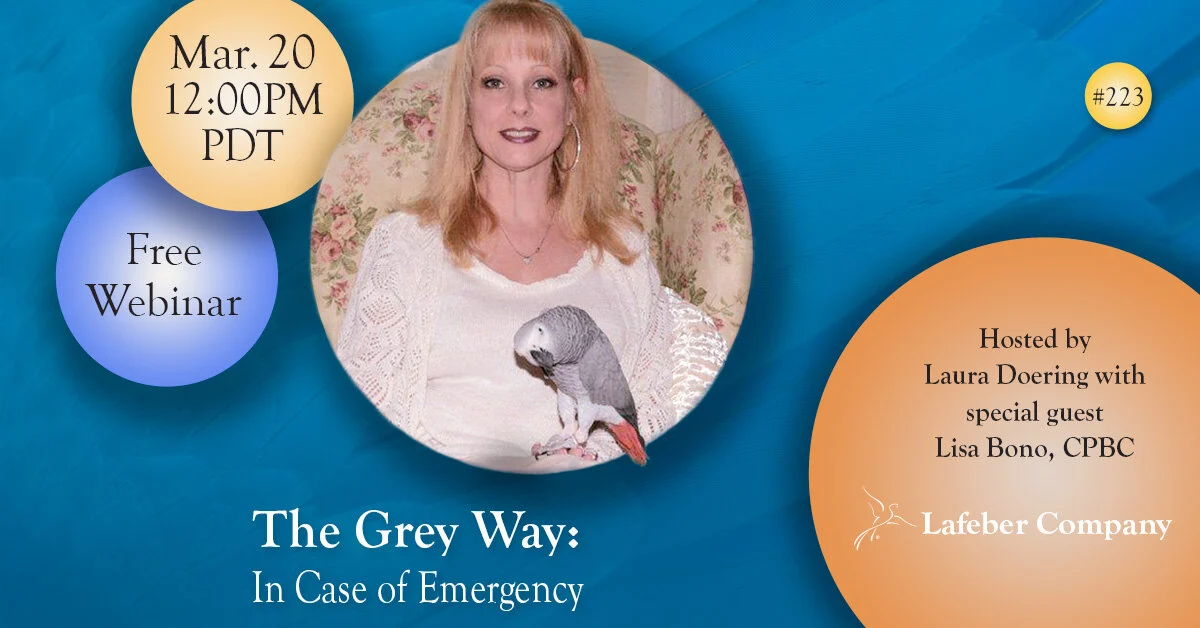
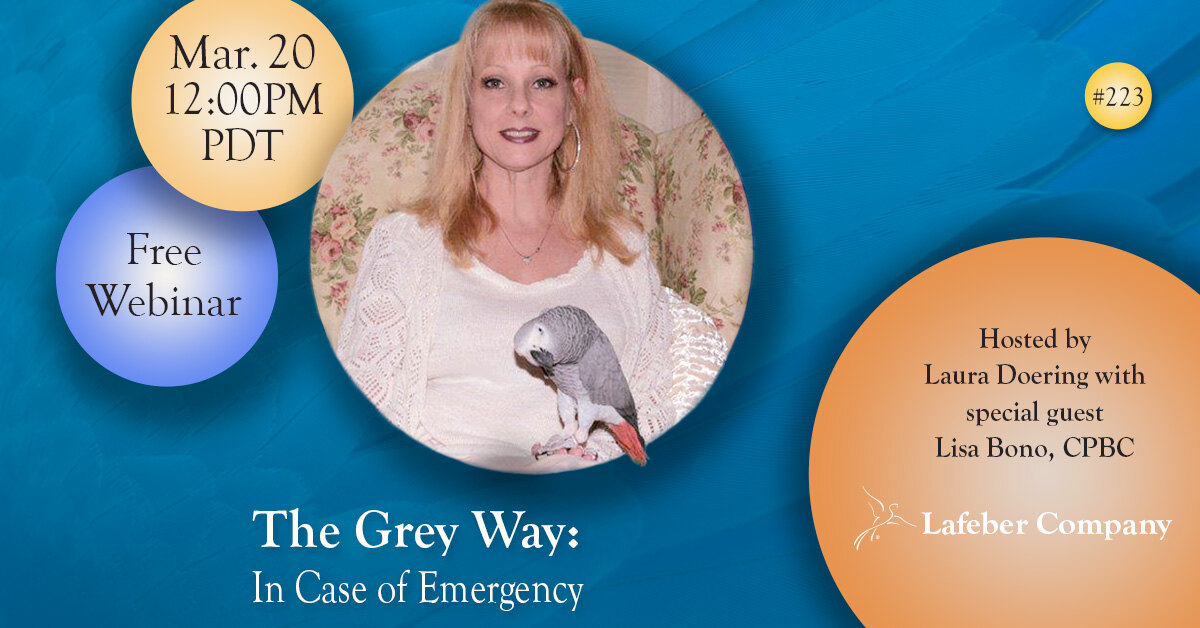
In a crucial initiative aimed at bolstering responsible pet bird ownership and emergency preparedness, an upcoming free, live, interactive webinar titled “The Grey Way – In Case of Emergency” is scheduled for Friday, March 20, 2026, at 12:00 p.m. Pacific Daylight Time (PDT). This educational event, hosted by Lafeber Company, a long-standing leader in avian nutrition and care, is poised to equip bird owners with vital knowledge and practical strategies for navigating unforeseen crises involving their feathered companions. The webinar will delve into a spectrum of emergency scenarios, ranging from immediate health issues to comprehensive disaster preparedness, ensuring that participants are better prepared to protect their pets.
Expert Guidance on Avian Emergency Preparedness
The webinar features a distinguished panel of avian experts. Hosting the event is Laura Doering, a veteran figure in the avian publishing world, recognized for her extensive work as the former editor of both Bird Talk magazine and Birds USA magazine. Doering’s deep understanding of the avian community and her ability to facilitate engaging discussions make her an ideal moderator for such an important topic. Her experience in disseminating crucial information to a broad audience of bird enthusiasts will ensure the webinar is accessible and impactful.
The central presentation will be delivered by special guest Lisa Bono, CPBC (Certified Parrot Behavior Consultant). As the owner and operator of The Platinum Parrot, a renowned establishment dedicated to avian welfare, Bono brings a wealth of hands-on experience and specialized knowledge. Her expertise is particularly focused on African Grey parrots, a species known for its complex behavioral and health needs. Bono’s segment, titled "In Case of Emergency," promises to address critical questions that often plague pet bird owners: What steps should be taken during a sudden, last-minute emergency? How can one effectively prepare for natural disasters such as storms? What protocols are necessary if a beloved bird unexpectedly escapes its enclosure?
While the webinar will incorporate "Grey-centric points" – specific considerations relevant to African Grey parrots, given Bono’s specialization – its core advice is universally applicable to all avian species within a household. This inclusive approach underscores the fundamental principles of emergency readiness that transcend species-specific nuances, offering invaluable guidance to every bird owner regardless of their pet’s breed.
The Critical Need for Avian Emergency Planning
The importance of emergency preparedness for pet owners, especially those with birds, cannot be overstated. Unlike dogs or cats, birds often have unique physiological and psychological vulnerabilities that make them particularly susceptible to stress and injury during emergencies. Their small size, delicate respiratory systems, and often flight-dependent nature necessitate specific considerations in any crisis plan. According to data from the American Veterinary Medical Association (AVMA) and various pet industry surveys, millions of households across North America own pet birds, ranging from small finches and parakeets to larger parrots like African Greys, Cockatoos, and Macaws. Each of these birds represents a significant emotional investment for their owners, and their welfare during emergencies is a paramount concern.
Common emergencies for pet birds can include sudden illnesses, such as respiratory distress, gastrointestinal issues, or neurological episodes; injuries like broken wings, blood feathers, or lacerations from household accidents; and exposure to toxins from common household items, plants, or fumes. Beyond these immediate medical crises, environmental emergencies pose a significant threat. House fires, power outages, extreme weather events (hurricanes, blizzards, floods, wildfires), and even unexpected home evacuations can place immense stress on birds, potentially leading to injury, illness, or loss. A lost bird, an all too common scenario, also constitutes a significant emergency, requiring immediate and coordinated efforts for recovery.
Understanding the African Grey Parrot: A Focus on Specialized Care
Lisa Bono’s specialization in African Grey parrots highlights a crucial aspect of responsible pet ownership: understanding species-specific needs. African Greys, renowned for their intelligence, mimicry abilities, and strong social bonds, also present unique challenges. They are known to be sensitive birds, prone to stress-related behaviors such as feather plucking if their environment or routine is disrupted. Their susceptibility to certain health issues, such as hypocalcemia (low calcium levels), further emphasizes the need for vigilant care and specialized emergency protocols.
For an African Grey, an emergency might not just be a physical injury but also a severe behavioral crisis triggered by an unfamiliar environment or the absence of their primary caregiver. Bono’s insights into Grey-centric points will likely cover how their intelligence can be leveraged in training for emergency situations, how to mitigate stress during displacement, and specific first-aid considerations for their particular physiology. This tailored advice, while focused on Greys, serves as an excellent model for owners of other species to consider their own bird’s unique characteristics when planning for emergencies.
The Role of Education in Proactive Pet Care
This webinar aligns perfectly with Lafeber Company’s long-standing commitment to avian health and education. Founded by Dr. T.J. Lafeber, an avian veterinarian and pioneer in exotic animal nutrition, the company has consistently championed scientific research and educational outreach to improve the lives of companion birds. Through initiatives like this webinar, Lafeber aims to empower bird owners with the knowledge necessary to provide optimal care, thereby reducing preventable emergencies and improving outcomes when crises do occur.
The interactive format of the webinar, utilizing the Zoom platform, allows participants to engage directly with the experts, asking questions and seeking clarification on specific concerns. This direct communication channel fosters a more dynamic learning environment than static information resources, allowing for personalized advice and a deeper understanding of complex topics. The ability for attendees to ask questions about their own experiences or specific concerns adds immense value, transforming the event from a mere lecture into a community-driven learning experience.
Structuring an Avian Emergency Plan: Key Components
A comprehensive emergency plan for pet birds, as likely to be detailed by Lisa Bono, should encompass several critical components:
- Emergency Contact List: This includes the avian veterinarian, a 24-hour emergency animal hospital, local animal shelters, trusted neighbors or friends who can assist, and poison control hotlines.
- Emergency Kit: A designated kit for each bird should contain a sturdy, secure travel carrier, enough food and water for at least 3-7 days (including familiar treats), medications with instructions, a first-aid kit (gauze, antiseptic wipes, styptic powder for bleeding, tweezers), a comfort item (favorite toy), and copies of medical records and identification photos.
- Identification: Birds should be microchipped or wear leg bands with identification. Photos of the bird from multiple angles, along with proof of ownership, are crucial for recovery if lost.
- Evacuation Plan: Knowing primary and secondary evacuation routes, identifying pet-friendly shelters or hotels, and having a designated safe meeting place outside the home are vital. Practicing evacuations with the bird in its carrier can help reduce stress during an actual event.
- Disaster-Specific Protocols: For specific threats like fires, floods, or severe storms, owners need to understand how to secure their birds, protect them from environmental hazards, and manage stress levels.
- Lost Bird Protocols: A clear action plan for a lost bird involves immediate neighborhood searches, creating flyers, contacting local shelters and veterinarians, and utilizing social media networks.
Timeline and Broader Implications
The announcement of "The Grey Way – In Case of Emergency" webinar on Friday, March 20, 2026, marks a proactive step in the ongoing efforts by avian welfare organizations and companies like Lafeber to enhance pet owner education. The lead-up to the event typically involves extensive digital promotion through Lafeber’s website, social media channels, and email newsletters, targeting a global audience of bird enthusiasts. The timing in early spring often coincides with periods of increased natural disaster risks in various regions, making the topic particularly pertinent.
The implications of such educational initiatives extend far beyond individual pet owners. By fostering a more informed and prepared pet-owning community, these webinars contribute to broader animal welfare objectives. They reduce the burden on animal shelters and rescue organizations during emergencies, minimize the number of displaced or abandoned pets, and ultimately strengthen the human-animal bond by ensuring pets are integrated into family emergency plans.
Statements from key stakeholders, while inferred, would likely echo these sentiments. Laura Doering might emphasize the power of accessible information: "Our goal is always to empower bird owners with the best possible knowledge. This webinar is a testament to the importance of proactive care and planning." Lisa Bono would likely stress the practical, life-saving aspects of her presentation: "Emergencies are unpredictable, but our response doesn’t have to be. My aim is to provide actionable steps that can make a profound difference when every second counts for our feathered friends." A representative from Lafeber Company might add, "Providing resources like ‘The Grey Way’ webinar reflects our core mission to support the health and well-being of companion birds through education and quality nutrition. We believe informed owners are the best advocates for their pets."
Looking Ahead: A Call to Action for Responsible Pet Ownership
The "The Grey Way – In Case of Emergency" webinar represents more than just a single event; it is a vital component of an ongoing commitment to responsible pet ownership and avian welfare. By participating, bird owners gain not only specific strategies for emergencies but also a broader understanding of their role in ensuring the safety and longevity of their cherished pets. The interactive nature of the webinar, combined with the expertise of Laura Doering and Lisa Bono, promises an enriching and potentially life-saving experience for all attendees. As the date approaches, bird enthusiasts are strongly encouraged to register promptly via the provided link to secure their spot and take a proactive step towards becoming a more prepared and confident bird owner. This commitment to education and preparedness is fundamental to building resilient communities where all members, including our beloved avian companions, are safe and cared for, even in the most challenging circumstances.
