



The sudden realization that a beloved pet rat has escaped its enclosure can send a wave of panic through any owner. This scenario, while distressing, is a common occurrence for rat enthusiasts and can stem from various factors, including exceptionally agile escape artists, less-than-ideal cage designs, faulty latches, or even simple human oversight. Regardless of the cause, the immediate priority is the swift and safe recovery of the missing rodent. This guide provides essential steps for owners to remain calm, implement precautions, understand rat behavior when loose, effectively locate and retrieve their pet, and, crucially, prevent future escapes.

Immediate Actions: Staying Calm and Securing the Environment
The initial moments after discovering a rat missing are critical. The instinct to panic is natural, fueled by anxieties about the rat’s well-being and the unknown duration of its absence. However, maintaining composure is paramount. Experts in exotic pet care advise that in most cases, escaped rats are not far from their usual environment and are likely seeking out dark, enclosed spaces for security, mirroring their natural burrowing instincts.
Key immediate steps include:

- Prioritize Safety: The most crucial immediate action is to remove footwear. When rats are loose, the risk of accidentally stepping on them, causing severe injury or even fatality, increases significantly with shoes. Barefoot or sock-footed movement allows for greater tactile awareness of the floor and immediate surroundings, minimizing the chance of such accidents.
- Isolate Other Pets and Children: If other pets, such as cats or dogs, reside in the household, they should be promptly moved to a secure, separate area. Their presence can introduce additional stress and danger to a frightened, escaped rat, potentially leading to a chase or harm. Similarly, young children should be safely occupied in another part of the house to prevent accidental interference with the search or potential harm to the rat.
- Assess the Situation: While avoiding panic, owners should mentally review recent interactions with the cage and the rat’s enclosure. Was the cage door recently opened? Were there any unusual sounds or observations that might indicate a breach? This brief retrospective can offer clues to the escape route or the rat’s potential direction.
Understanding Rat Behavior When Loose
Rats are naturally curious but also inherently cautious creatures. Their behavior when outside the confines of their familiar cage is heavily influenced by their individual personality, prior experience with free-ranging, and their perception of the environment as safe or threatening.
Typical behaviors observed in loose rats include:

- Seeking Concealment: The primary instinct for a loose rat is to find a dark, enclosed, and secure hiding spot. This often means exploring spaces under furniture, behind appliances, inside cabinets, or within piles of fabric. Their small size allows them to access incredibly tight nooks and crannies.
- Wall-Following: Rats tend to navigate by following the perimeter of a room. This behavior, known as "wall-hugging" or "edge-following," provides them with a sense of security, as they have a solid barrier on one side and can maintain visual awareness of their surroundings. They are less likely to venture into open, exposed areas, especially if they are unfamiliar with the space.
- Nocturnal or Crepuscular Activity: While pet rats can adapt to a human schedule, they often retain a degree of their natural crepuscular (active at dawn and dusk) or nocturnal tendencies. They may be more inclined to move and explore when the house is quiet and dimly lit.
- Vocalizations and Responses: Some rats, particularly those accustomed to interaction and training, may respond to their name being called. However, a frightened or stressed rat is less likely to come out into the open, even when called. Their instinct for self-preservation will override their social bond with the owner in such moments.
Strategies for Locating Your Escaped Rat
Effective searching requires a systematic and patient approach, combining visual inspection with auditory cues and an understanding of rat-friendly hiding spots.
A methodical search strategy involves:

- Initial Sweep of Immediate Vicinity: Begin by thoroughly inspecting the area immediately surrounding the rat’s cage. Look under furniture, behind any nearby objects, and within any accessible openings.
- Systematic Room-by-Room Search: Expand the search to other rooms, prioritizing those closest to the cage. Move slowly and deliberately, paying close attention to low-level spaces.
- Investigating Potential Hiding Places: Rats are adept at squeezing into small spaces. Thoroughly check:
- Underneath and behind appliances (refrigerators, stoves, washing machines).
- Inside cabinets and drawers, especially those with small gaps.
- Underneath and within sofas, chairs, and beds.
- Behind wall hangings, curtains, and any stored items on the floor.
- Any openings in walls, flooring, or around pipes.
- Piles of laundry or other soft materials.
- Utilizing Sensory Clues:
- Listening: Sit quietly in each room and listen for subtle sounds such as rustling, chewing, scratching, or squeaking. These can indicate the rat’s presence and approximate location.
- Visual Cues: Look for signs of recent activity, such as fresh droppings (small, dark, and pellet-shaped) or evidence of gnawing on objects.
- Creating Barriers: As you thoroughly search a room, close the doors to previously checked areas. This helps to contain the rat within a smaller, manageable space, preventing it from moving into unsearched parts of the house and making the subsequent search more efficient.
Techniques for Capturing a Reluctant Rat
Once the rat is located, the challenge shifts to safely and gently coaxing it out of its hiding spot.
Effective retrieval methods include:

- Gentle Handling (If Reachable): If the rat is accessible and appears calm enough, gently scoop it up, holding it close to your body. Speak in a soft, reassuring tone, praising it for being a good rat. Crucially, never grasp a rat by its tail to pull it out of a hiding spot. This can cause severe injury to the tail’s delicate structure and bones.
- Creating a Safe Zone: If the rat is in a confined space (e.g., under a cabinet), block off all other exits from that room. This ensures that if the rat attempts to flee, it will remain within that controlled area, preventing a prolonged chase through the entire house.
- Using Enticements:
- Favorite Treats: Offer highly palatable treats that your rat enjoys. Small pieces of fruit, vegetables, or specialized rat treats can be effective. Place them near the hiding spot and wait patiently.
- Familiar Scents: Introduce familiar and comforting scents. This could be a piece of their bedding or a toy that smells like them or their cagemates.
- Leveraging Social Bonds: If the rat remains elusive, introduce a trusted cagemate to the area. The presence and scent of a familiar companion can be highly reassuring and may encourage the scared rat to emerge. This was demonstrated in the case of Finn, a rat who was hiding under a stove and only emerged when his cagemate, Delphiniums, was brought to the scene. The comfort provided by Delphiniums, combined with the lure of treats, facilitated Finn’s reappearance.
- Temporary Cage Setup: If the rat is still unwilling to emerge and you cannot wait indefinitely, consider setting up a smaller, accessible cage in the room. Leave the door open, provide food, water, and familiar bedding. The goal is to create an enticing, safe haven that the rat will eventually choose to enter. Ensure all household members are aware of the situation and exercise extreme caution when entering the room.
- Humane Traps (Last Resort): As a final option, humane live traps can be employed. These traps are designed to capture the animal without harm once it enters. However, it is critical to select a trap of adequate size, allowing the rat to turn around comfortably. These traps must be checked frequently, as leaving a rat confined without food and water for an extended period is inhumane and dangerous. Never leave a live trap unattended for long periods, especially if you are leaving the house.
- Caution with Peanut Butter: While often recommended for luring animals, pure peanut butter can pose a choking hazard for rats. Opt for softer, more easily consumed treats.
Preventing Future Escapes: Fortifying the Enclosure and Environment
The most effective strategy for dealing with escaped rats is to prevent escapes from happening in the first place. This involves a multi-faceted approach to cage security and environmental rat-proofing.
Key preventive measures include:
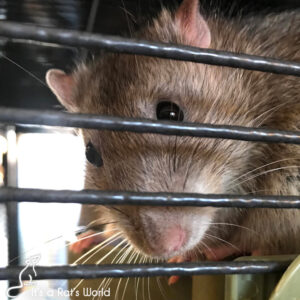
- Cage Integrity:
- Bar Spacing: Ensure the cage’s bar spacing is appropriate for rats. For adult rats, half-inch spacing is generally recommended to prevent smaller individuals from squeezing through. Many ferret cages, with their wider bar spacing, are unsuitable for containing rats, especially younger or smaller adults.
- Door Latches: Invest in cages with secure, well-functioning door latches. Regularly check latches for any signs of wear or damage that could compromise their effectiveness. Some owners opt for supplementary measures like carabiner clips or zip ties to secure cage doors, especially for known escape artists.
- Base and Pan Gaps: Inspect the cage base and pan for any gaps or openings that a rat might exploit to escape.
- Material Durability: For rats prone to chewing, consider cages with robust materials that are resistant to gnawing. Plastic bases can be vulnerable to determined chewers.
- Human Error Mitigation:
- Double-Checking Locks: Develop a habit of always double-checking that cage doors are fully latched and secured after interacting with your rats. Even a slight oversight can provide an opportunity for an escape.
- Supervised Free-Ranging: When allowing rats supervised time outside their cage, ensure the play area is adequately rat-proofed. This involves covering electrical cords, removing potential hazards, and ensuring there are no accessible escape routes from the designated play zone.
- Addressing Behavioral Motivations:
- Enrichment and Stimulation: Boredom and a lack of mental and physical stimulation are significant drivers of escape behavior. Provide a stimulating environment within the cage, including a variety of toys, climbing opportunities, and chewable items. Regularly offer supervised out-of-cage time in a safe, enriched environment.
- Adequate Cage Size: Ensure the cage is sufficiently large for the number of rats housed within it. Overcrowding can lead to stress and a greater desire to escape.
- Social Needs: Rats are social animals. Ensure they have adequate social interaction with their cagemates and with their human companions.
Advanced Detection and Prevention Techniques
For owners who have exhausted conventional search methods or wish to implement more advanced preventative measures, several strategies can be employed.
- Flour Method: A light dusting of flour around the baseboards of rooms can help detect movement. If a rat is active, it may leave footprints in the flour, indicating its presence and movement patterns within a room. This method is most effective in areas without carpeting.
- Tinfoil Auditory Detection: Placing pieces of tinfoil near walls in a quiet, dark room can alert owners to the rat’s movement through the rustling sound the foil makes. This requires considerable patience and silence from the observer.
- Rat-Proofing the Environment: Beyond the cage, a comprehensive approach to rat-proofing the home is essential. This includes securing electrical wires, removing toxic substances, blocking small openings, and ensuring all potential escape routes are inaccessible.
The Importance of Patience and Persistence
Recovering an escaped pet rat can be a stressful experience, but it is vital to remain patient and persistent. Rats are resourceful survivors, and with a systematic approach, understanding of their behavior, and a focus on safety, most owners can successfully reunite with their missing companions. By implementing robust prevention strategies, the likelihood of future escapes can be significantly reduced, ensuring a safer and more secure environment for both the pet and its owner. The ultimate goal is to foster a harmonious relationship built on trust, understanding, and proactive care.
