


The University of Louisiana at Lafayette’s New Iberia Research Center (NIRC), the largest primate testing facility in the United States, is facing renewed scrutiny following the release of whistleblower footage by People for the Ethical Treatment of Animals (PETA). The video, which allegedly captures the daily living conditions of some of the 12,000 primates housed at the facility, depicts monkeys confined to feces-stained cages, suffering from significant hair loss, and living in environments described by advocates as squalid. This latest exposure adds to a decades-long history of federal investigations, fines, and animal welfare violations at the Louisiana-based institution, raising questions about the oversight of federally funded primate research.
The New Iberia Research Center serves as a massive breeding and experimentation hub, housing various species including rhesus macaques, long-tailed macaques, pig-tailed macaques, and African green monkeys. These animals are either bred on-site, purchased from domestic facilities, or imported from overseas to be used in invasive biomedical research or sold to other laboratories. The whistleblower footage purportedly shows animals kept in barren, metal cages within closet-sized rooms where waste and rotting food accumulate beneath the enclosures. According to PETA, the lack of environmental enrichment and social interaction has led to chronic stress, manifested in self-mutilation and extensive hair loss among the primate population.
Documentation of Living Conditions and Breeding Practices
The visual evidence provided by the whistleblower highlights specific concerns regarding the housing of social primates in isolation. In the wild, macaques and African green monkeys live in complex social hierarchies; however, the footage shows many individuals confined to cages barely larger than their bodies. Beyond the physical confinement, the video documents what PETA describes as a "force-breeding" setup. In these instances, male rhesus macaques are reportedly given access to trapped females in small cages with no means of escape or social choice. One female rhesus macaque featured in the footage exhibited visible head wounds and large patches of missing fur, signs often associated with trauma or aggressive interactions in confined spaces.
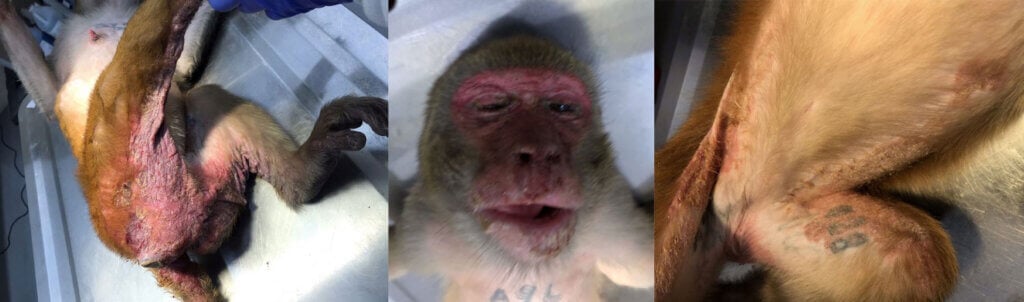
The report also brings to light the case of a rhesus macaque named Helen, who reportedly suffered from unresolved, chronic skin irritation for years. Internal records and photographs obtained through public records requests by the organization Rise for Animals indicate that Helen’s condition eventually deteriorated to the point where facility staff determined euthanasia was the only option. Critics argue that such cases represent a systemic failure in veterinary oversight and a lack of prompt medical intervention for animals held in long-term research protocols.
A History of Regulatory Violations and Animal Mortality
The NIRC has a documented history of non-compliance with the federal Animal Welfare Act (AWA), the primary legislation governing the treatment of animals in research. Over the last two decades, the U.S. Department of Agriculture (USDA) has cited the facility for numerous incidents resulting in animal suffering and death. One of the most severe recent incidents involved the deaths of 19 monkeys who were left outdoors during a period of extreme cold. Temperatures dropped as low as 2 degrees Fahrenheit, and the animals were reportedly provided with nothing but plastic barrels for shelter. Subsequent necropsies revealed that 13 of these monkeys had underlying health conditions that made them particularly vulnerable to the elements.
The facility’s record includes a variety of other preventable fatalities:
- Infrastructure Failures: Infant monkeys reportedly died of dehydration following the failure of an automated water system.
- Environmental Exposure: Animals have died from both heat exhaustion and freezing temperatures due to inadequate climate control in aging housing units.
- Accidental Deaths: Records indicate instances of electrocution caused by faulty electrical infrastructure and injuries sustained during improper handling by staff.
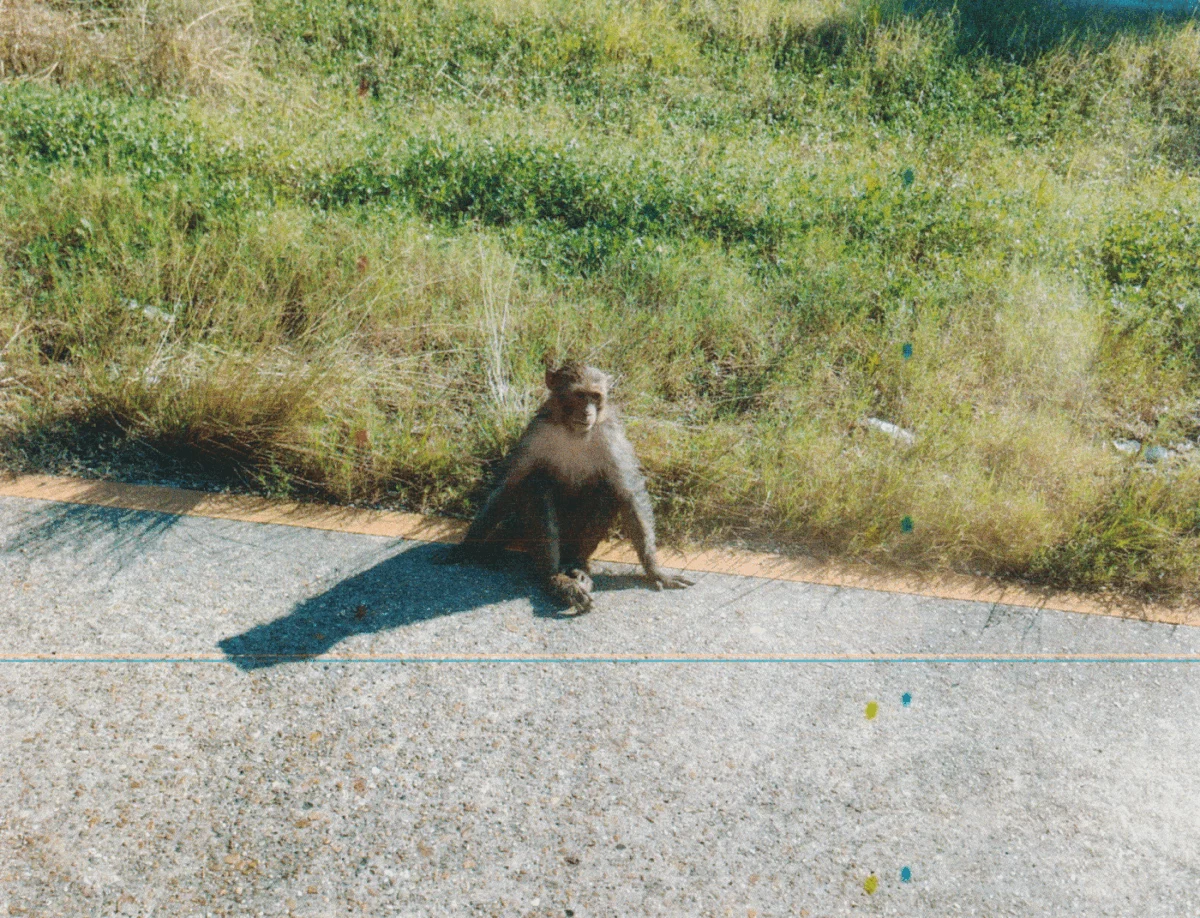
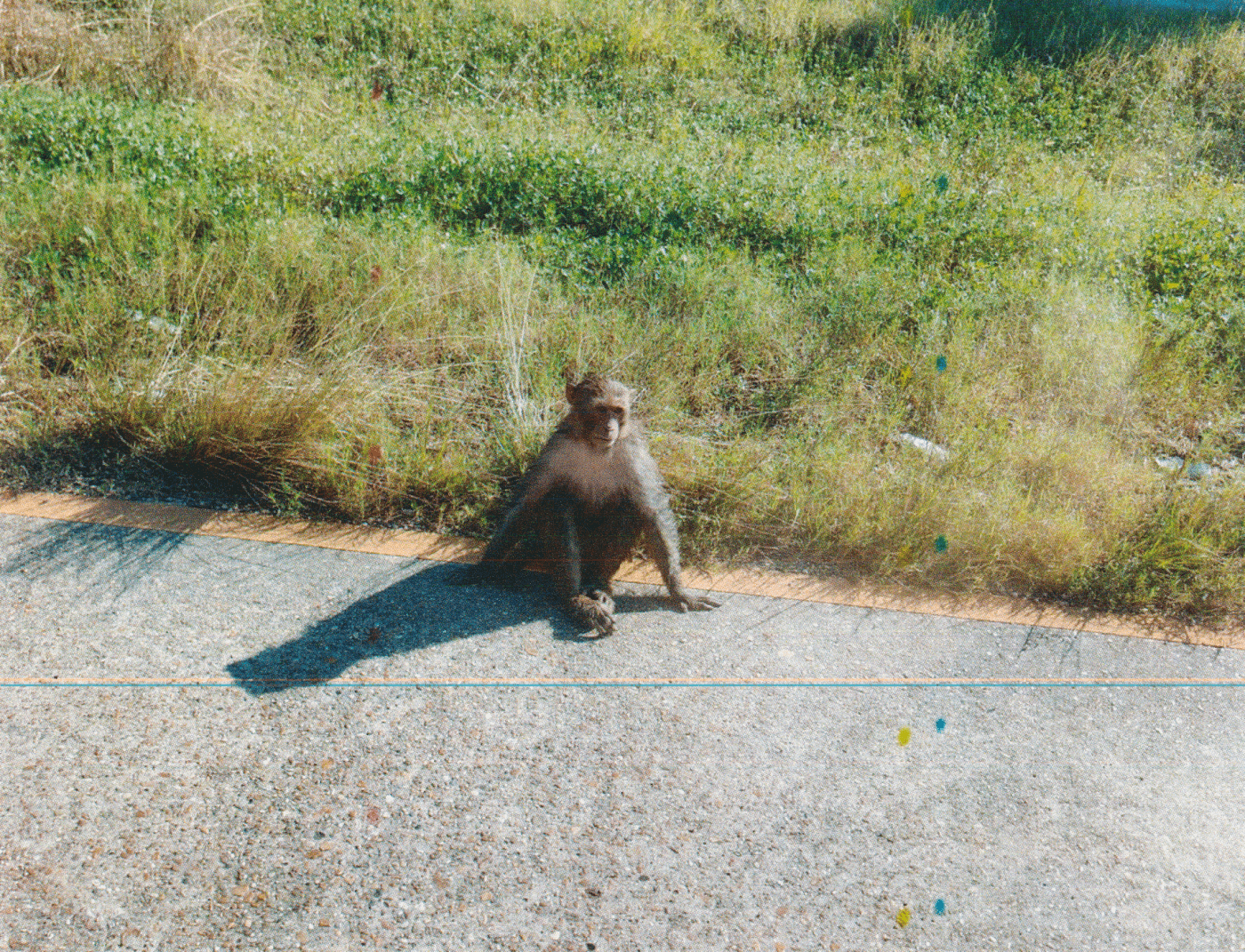
- Escapes: The facility has struggled with containment, with multiple primates escaping from poorly maintained enclosures. In one instance, a five-year-old rhesus macaque escaped into nearby woods and was only recovered two days later after being spotted on a public roadway.
According to whistleblower testimony, these failures are often the result of deliberate cost-cutting measures. Staff members have alleged that they are frequently required to use improvised "quick fixes" to keep dilapidated equipment functioning rather than receiving the necessary funds for proper repairs or upgrades.
The Scope of Invasive Biomedical Research
While the whistleblower footage focuses on housing and breeding, the NIRC’s primary function is to facilitate invasive biomedical experiments, many of which are funded by U.S. taxpayers through the National Institutes of Health (NIH). These experiments often involve infecting primates with various pathogens, including respiratory syncytial virus (RSV) and simian immunodeficiency virus (SIV), the primate equivalent of HIV.
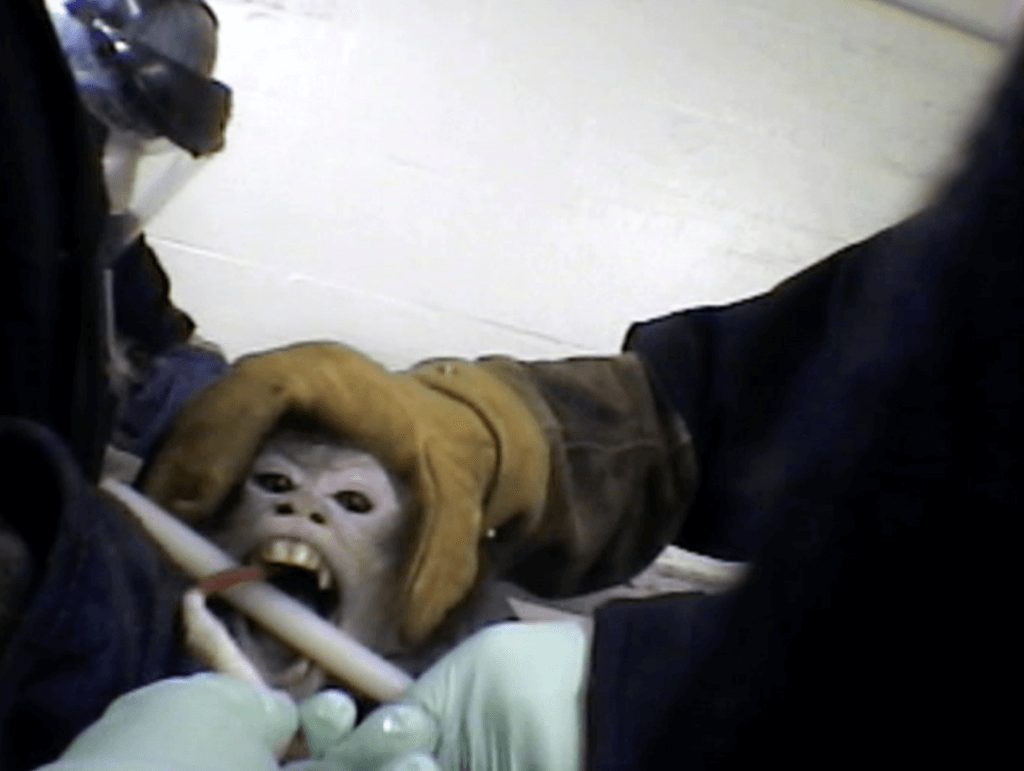
The experimental protocols described in research papers and facility records involve highly invasive procedures. Animals may undergo repeated rounds of anesthesia for blood draws and tissue biopsies. Some studies require the injection of viruses directly into the animals’ rectums or vaginas, or the forced ingestion of substances via tubes inserted through the nose or throat. In respiratory studies, fluid is sometimes flushed into the monkeys’ lungs and then suctioned back out to collect samples. Other protocols involve the injection of radioactive tracers. At the conclusion of these studies, the animals are typically killed and dissected for data collection.
Financial and Institutional Context
The New Iberia Research Center is a significant economic entity for the University of Louisiana at Lafayette and the surrounding region. It operates on a multi-million-dollar budget, largely supported by federal grants and contracts from private pharmaceutical companies. However, this financial influx has been tempered by a series of federal fines. Since 2007, the USDA has imposed more than $158,000 in penalties against the laboratory for violations of the Animal Welfare Act.
Despite these fines, animal rights advocates argue that the penalties are insufficient to compel systemic change. They characterize the fines as a "cost of doing business" for a facility of this size. The USDA inspection reports continue to document what critics call a "culture of careless disregard," citing ongoing issues with veterinary care, sanitation, and enclosure maintenance.
Public and Official Reactions
In response to the newly released footage, PETA has formally called upon the USDA to launch a comprehensive investigation into the NIRC for potential new violations of the Animal Welfare Act. Furthermore, the organization is lobbying the NIH to cease the renewal of grants and contracts with the facility, arguing that the documented conditions constitute a breach of the ethical standards required for federal research funding.
While the University of Louisiana at Lafayette has historically defended the center, emphasizing the necessity of primate research for the development of vaccines and treatments for human diseases, the recurring nature of the violations has fueled a broader national debate. Ethical concerns regarding the use of non-human primates in research are increasingly intersecting with scientific debates about the "translatability" of primate models to human clinical outcomes. Some researchers argue that the extreme stress levels observed in the whistleblower footage could potentially compromise the scientific validity of the data produced at the facility, as chronic stress is known to alter physiological and immunological responses.
Broader Implications for Primate Research in the U.S.
The controversy at the New Iberia Research Center reflects a larger tension within the American scientific community. The U.S. remains one of the world’s largest users of primates in research, even as other nations, particularly in the European Union, have moved toward stricter limitations or bans on certain types of primate experimentation.
The NIRC’s role as a major supplier and testing site makes it a focal point for this debate. If federal agencies were to take significant action against the facility—such as suspending its research license or withdrawing NIH funding—it would represent a major shift in the landscape of American biomedical research. For now, the facility remains operational, housing thousands of primates while the USDA reviews the latest allegations of neglect and squalor.
The timeline of events at NIRC suggests a pattern of regulatory struggle. From the 2007 fines to the 2024 whistleblower reports, the facility has remained at the center of animal welfare litigation. As public transparency regarding laboratory conditions increases through whistleblower disclosures and Freedom of Information Act (FOIA) requests, the pressure on institutional oversight committees and federal regulators to enforce higher standards of care is likely to intensify. For the 12,000 primates currently housed in New Iberia, the outcome of these regulatory and ethical battles will determine whether their living conditions see meaningful improvement or if the status quo of the last several decades continues.
