


The New Iberia Research Center (NIRC), a facility operated by the University of Louisiana at Lafayette and recognized as the largest primate testing laboratory in the United States, is facing intense scrutiny following the release of whistleblower footage. The evidence, obtained by the animal rights organization PETA, depicts what are described as harrowing living conditions for more than 12,000 primates confined within the complex. The footage suggests that numerous animals are subjected to environments characterized by extreme filth, structural decay, and psychological distress before being utilized in invasive biomedical experiments.
According to the documentation provided, the NIRC houses several species, including rhesus macaques, long-tailed macaques, pig-tailed macaques, and African green monkeys. These animals are either bred on-site, procured from domestic facilities, or imported from international sources. The whistleblower’s recordings highlight a stark contrast between the facility’s mission of scientific advancement and the daily reality for the primates, many of whom are seen in cages barely larger than their own bodies.
Visual Evidence of Environmental and Psychological Distress
The newly released footage offers a rare glimpse into the interior of the NIRC, revealing monkeys confined to barren, metal cages where waste and rotting food accumulate on the floors. Observations from the video indicate that rhesus and long-tailed macaques are frequently housed in isolation within small, closet-sized rooms. This lack of social interaction and environmental enrichment is a significant concern for primatologists, as these species are inherently social and intelligent.
The physical manifestations of chronic stress are evident throughout the footage. Many primates exhibit extensive hair loss, a condition often linked to self-mutilation or high levels of cortisol resulting from prolonged confinement. In one particularly graphic segment, the video depicts a force-breeding setup. Male rhesus macaques are granted access to trapped females who have no means of escape. One female shown in the footage displays visible injuries, including wounds on her head and large patches of missing fur.
Furthermore, the footage captures African green monkeys held in breeding cages where the floors are reportedly smeared with layers of feces. Such conditions not only raise ethical concerns regarding animal welfare but also pose significant risks to the integrity of scientific data, as unsanitary environments can lead to opportunistic infections and physiological anomalies in research subjects.
A History of Invasive Experimental Procedures
Beyond the daily confinement, the NIRC is a hub for high-intensity biomedical research, much of which is funded by United States taxpayers through grants from the National Institutes of Health (NIH). The whistleblower’s account and public records provide details on the nature of the experiments conducted behind closed doors.
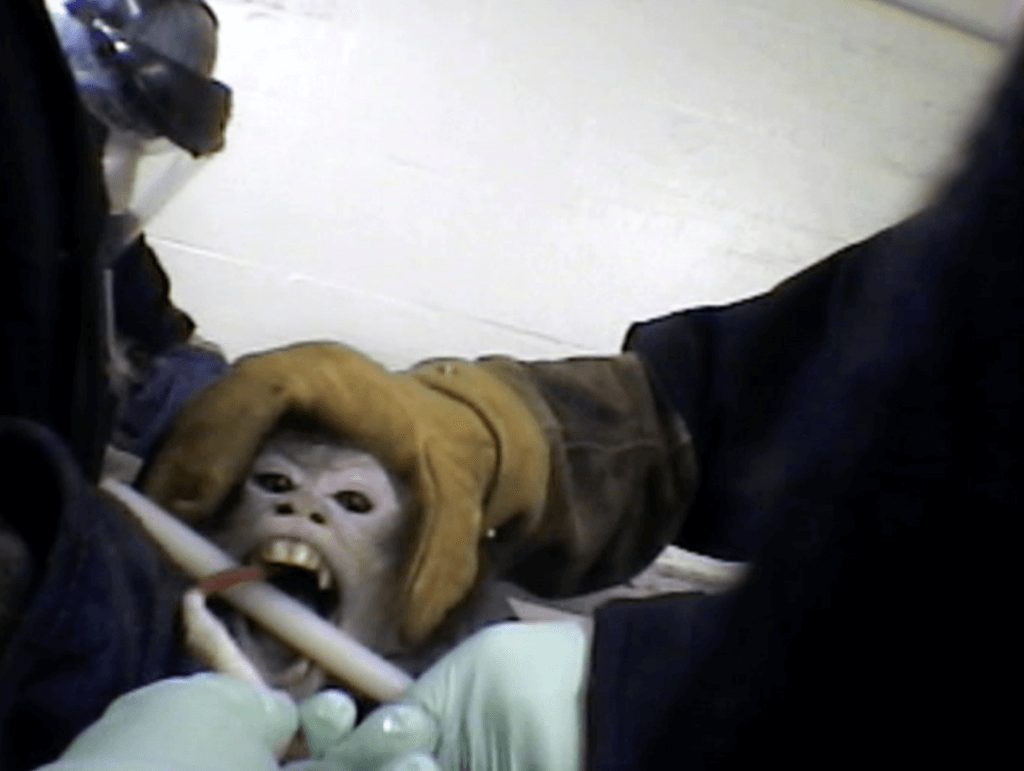
Monkeys at the facility are frequently infected with various pathogens, including respiratory syncytial virus (RSV) and simian immunodeficiency virus (SIV), the latter being the primate equivalent of HIV. The experimental protocols involve a repetitive and traumatic cycle of anesthesia, blood draws, and invasive procedures. Reports indicate that viruses are often administered via the rectum or vagina, or through tubes inserted into the animals’ throats or noses.
Following infection, the primates undergo frequent biopsies of sensitive tissues, including the cervix, vagina, and rectum. In some studies, experimenters perform "lung washes," a procedure where fluid is flushed into the animals’ lungs and then suctioned out for analysis. Other tests involve the injection of radioactive substances to track disease progression. Most of these animals are eventually euthanized so that their organs can be dissected and studied.
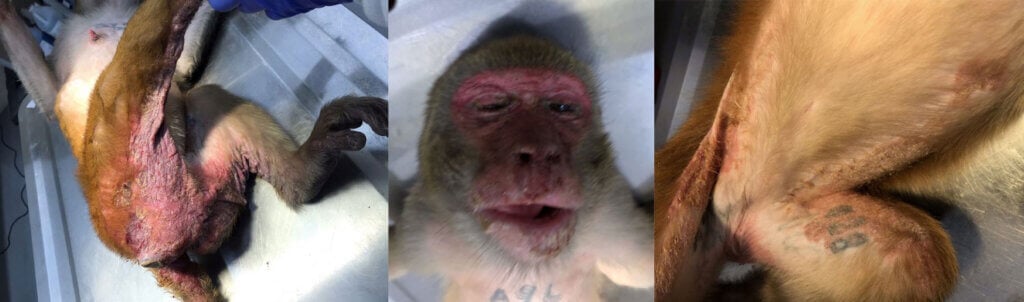
One specific case highlighted by Rise for Animals involves a rhesus macaque named "Helen." Public records reveal that Helen suffered from severe, chronic skin irritation for years. Despite her condition, the irritation was never successfully resolved, and she was eventually euthanized when the affliction became unbearable.
Chronic Regulatory Violations and Institutional Negligence
The NIRC has a long-standing history of friction with federal regulatory bodies. Since 2007, the U.S. Department of Agriculture (USDA) has levied fines exceeding $158,000 against the laboratory for various violations of the Animal Welfare Act (AWA). These violations range from inadequate veterinary care to structural failures that have led to animal deaths.
One of the most severe incidents cited by the USDA involved the deaths of 19 monkeys. These animals were reportedly left outdoors for several days during a period of extreme cold, with temperatures dropping as low as 2 degrees Fahrenheit. The only shelter provided consisted of plastic barrels. Subsequent necropsies revealed that 13 of these monkeys had been suffering from underlying health conditions that made them even more vulnerable to the elements.
Records also detail several other preventable tragedies:
- Infant Mortality: Multiple infant monkeys died of dehydration after a failure in the facility’s automated water system.
- Infrastructure Failures: Animals have been electrocuted by faulty wiring or have died from exposure due to broken climate control systems.
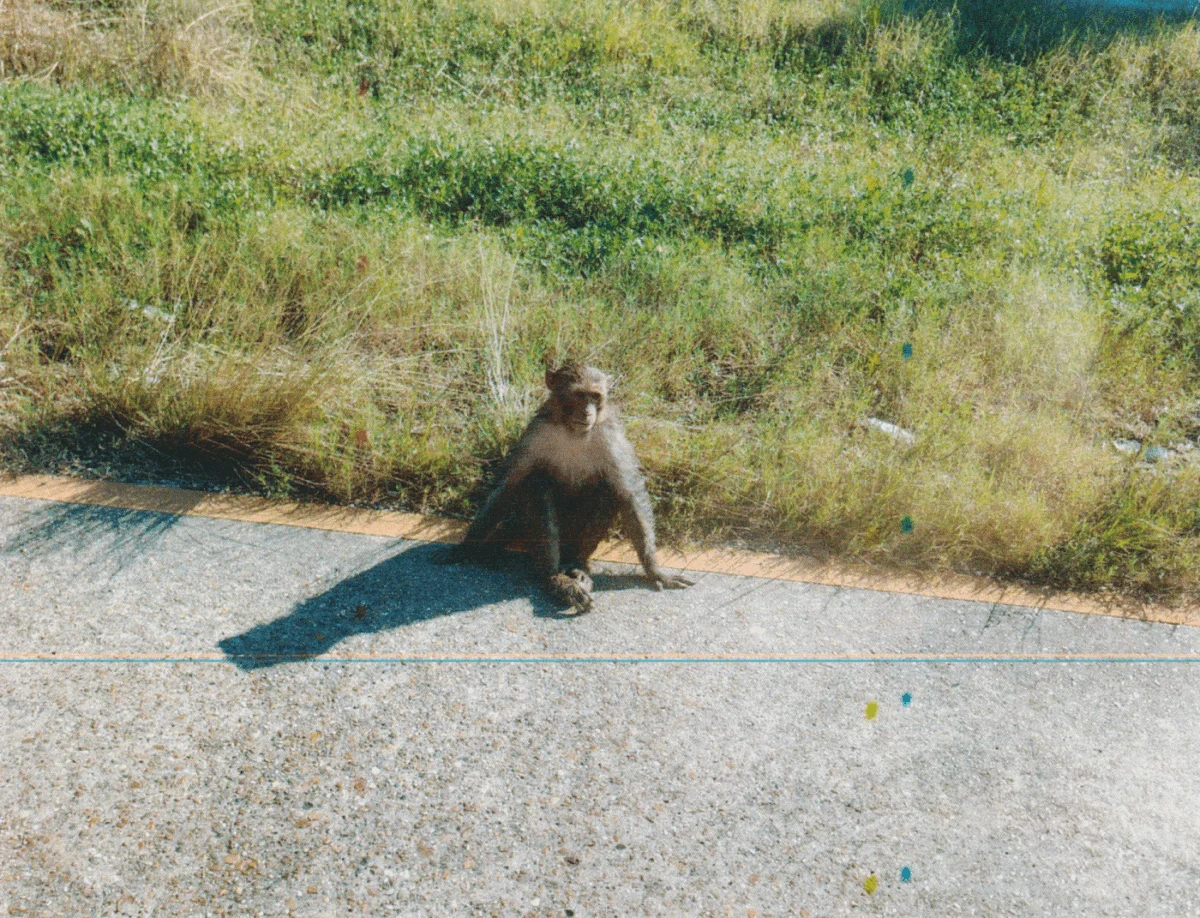
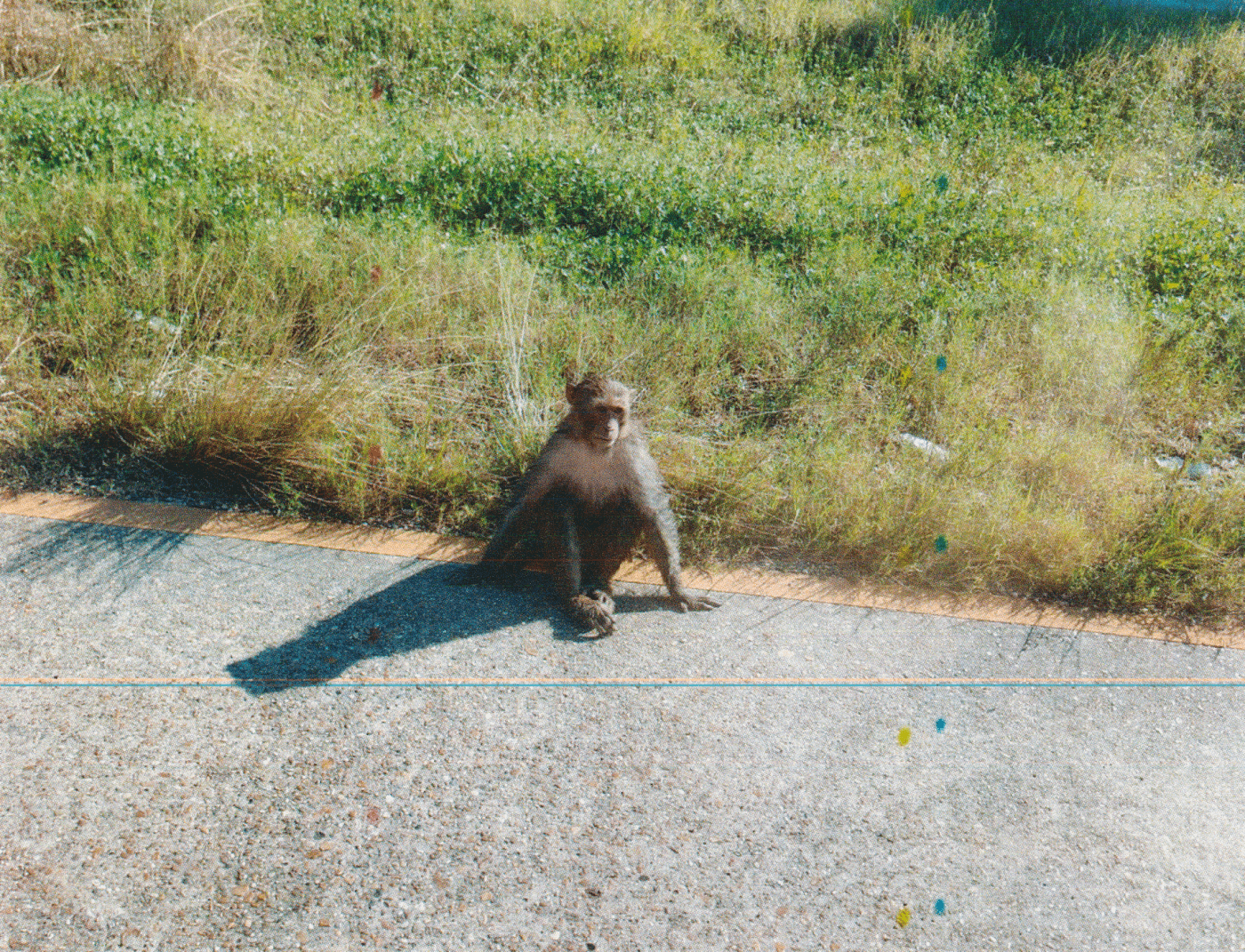
- Escapes: Monkeys have frequently escaped from poorly maintained enclosures. In one instance, a five-year-old rhesus macaque known as "A13X040" fled into nearby woods and was missing for two days before being recovered on a local roadway.
- Aggression and Neglect: Necropsy reports have documented cases where infant monkeys were killed and mutilated by other stressed primates. In some instances, the bodies were so decomposed by the time they were found that a cause of death could not be determined.
A secondary whistleblower has alleged that these incidents are not merely accidents but are the byproduct of a deliberate culture of cost-cutting. According to this source, staff members are often required to maintain aging infrastructure with makeshift repairs rather than receiving the necessary funding for equipment replacement. This systemic neglect is believed to be a primary driver of the recurring welfare violations at the center.
Institutional and Public Response
In light of the whistleblower’s findings, PETA has formally requested that the USDA launch a comprehensive investigation into the apparent AWA violations shown in the footage. Additionally, the organization is lobbing the National Institutes of Health to cease the renewal of grants and contracts with the NIRC, arguing that the facility has demonstrated a persistent inability to adhere to federal animal care standards.
The University of Louisiana at Lafayette, which oversees the NIRC, has historically defended its research programs, citing the necessity of primate models in developing vaccines and treatments for human diseases. However, the university has not yet released a specific rebuttal to the latest whistleblower allegations or the visual evidence of unsanitary conditions.
The controversy comes at a time of shifting public and legislative sentiment regarding animal testing. The passage of the FDA Modernization Act 2.0 in late 2022 signaled a move toward allowing non-animal testing methods, such as organ-on-a-chip technology and sophisticated computer modeling, to be used in drug development. Advocates for these New Approach Methodologies (NAMs) argue that they are often more predictive of human outcomes than animal models and eliminate the ethical dilemmas associated with facilities like the NIRC.
Broader Implications for Primate Research
The situation at the New Iberia Research Center reflects a broader tension within the scientific community. While some researchers maintain that non-human primates are indispensable for understanding complex diseases like Alzheimer’s, HIV, and COVID-19, the recurring reports of neglect at major facilities suggest a crisis in oversight.
The NIRC is one of several large-scale primate centers in the U.S. that have faced significant penalties. The persistence of violations despite fines suggests that the current regulatory framework may lack the "teeth" necessary to enforce lasting change. For the NIRC, the potential loss of NIH funding represents a significant existential threat, as the facility relies heavily on federal dollars to maintain its massive population of primates.
As the USDA evaluates the new evidence, the scientific community and the public are left to grapple with the implications of the "whistleblower exposé." The documented squalor and the history of preventable deaths at the New Iberia Research Center serve as a focal point for the ongoing debate over the ethics, transparency, and necessity of primate experimentation in the 21st century.
The calls for accountability are growing, with demands for not only stricter inspections but also a fundamental re-evaluation of how the United States manages its captive primate population. For the 12,000 animals currently held at the NIRC, the outcome of these investigations will determine whether they continue to live in the conditions depicted in the whistleblower’s footage or if systemic reforms will finally be implemented.
