


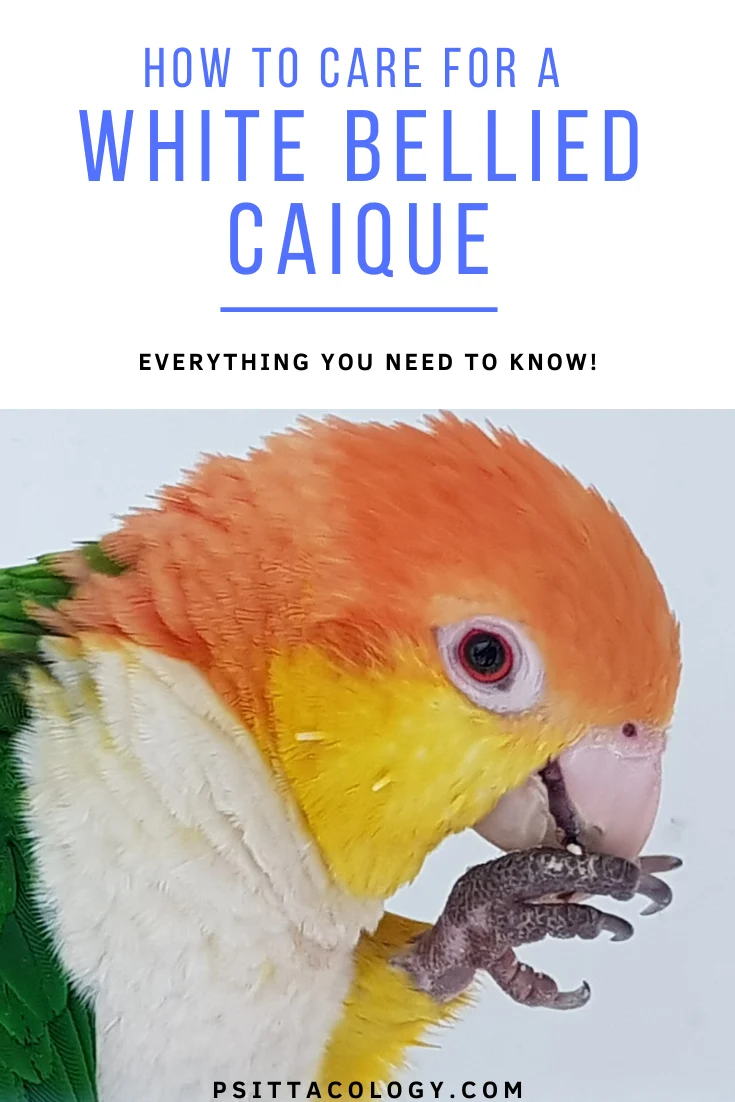
The white-bellied caique, a vibrant and energetic parrot species native to the Amazon basin, has garnered significant attention in the exotic pet community for its playful antics and striking appearance. Known scientifically as Pionites leucogaster, and sometimes referred to as the white-bellied parrot, green-thighed parrot, or yellow-thighed parrot depending on subspecies, these birds are celebrated for their "clown-like" personalities. However, their charm comes with a substantial commitment, as these intelligent creatures possess complex needs that prospective owners must thoroughly understand. With a potential lifespan exceeding 40 years, acquiring a white-bellied caique is a lifelong undertaking that demands dedication, patience, and a comprehensive understanding of their care, diet, and temperament.
A Detailed Look at Appearance and Taxonomy
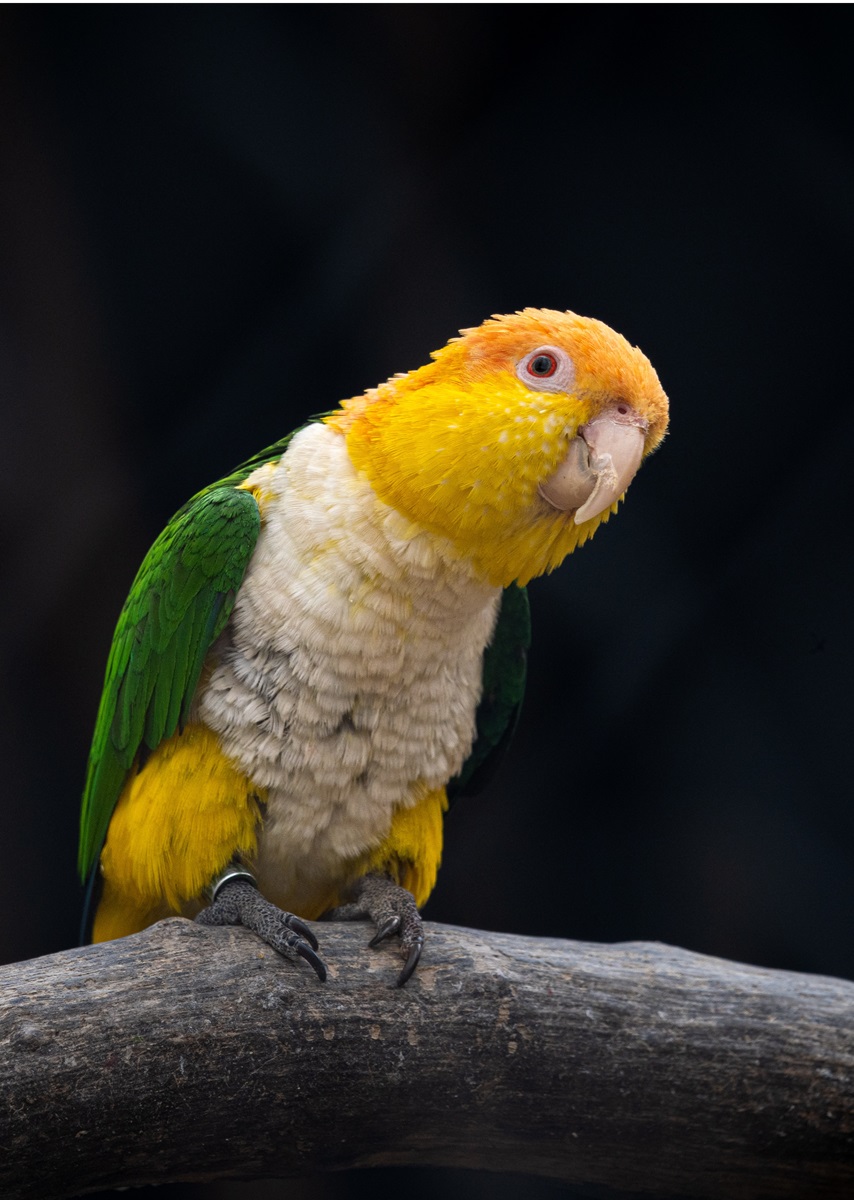
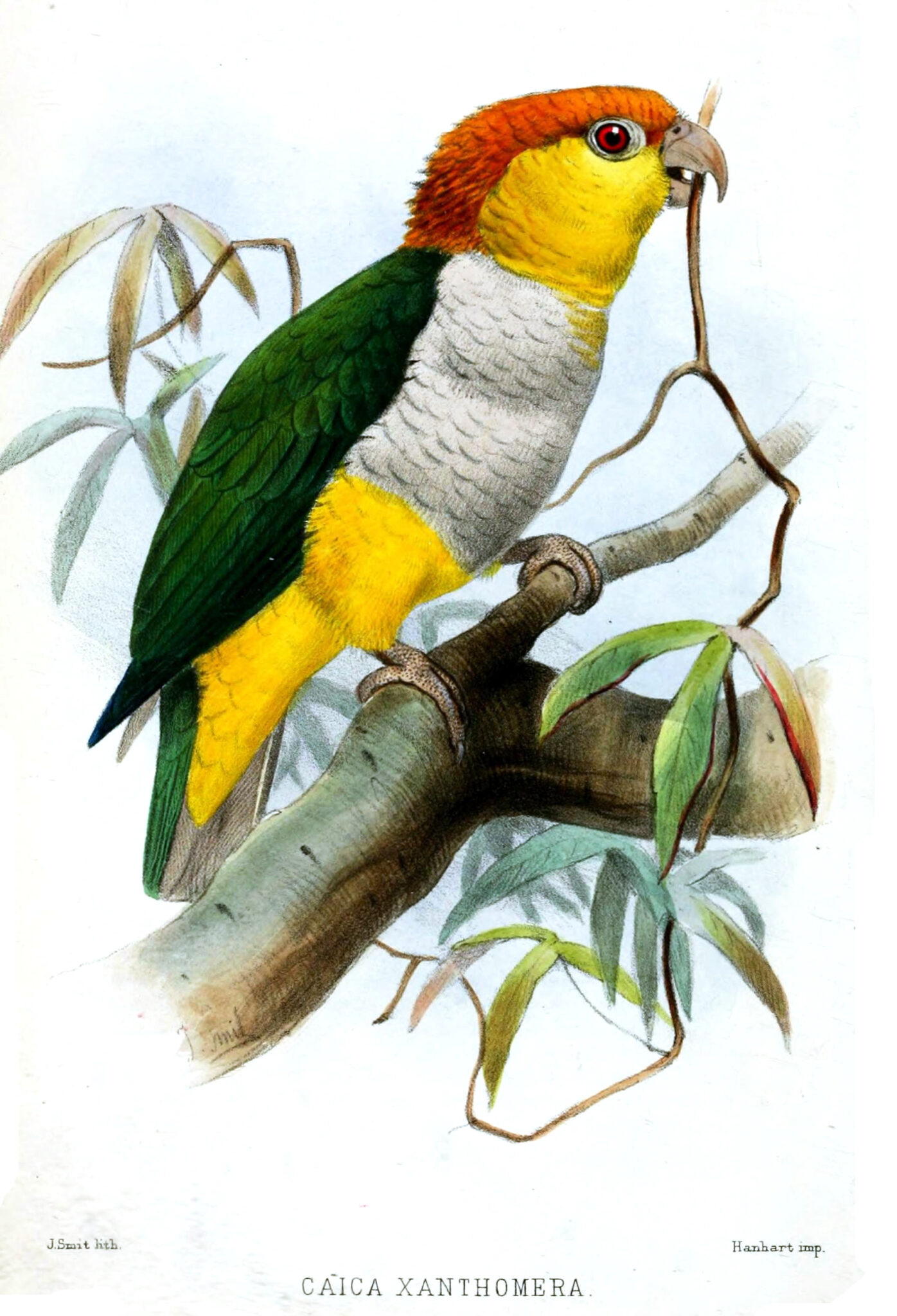
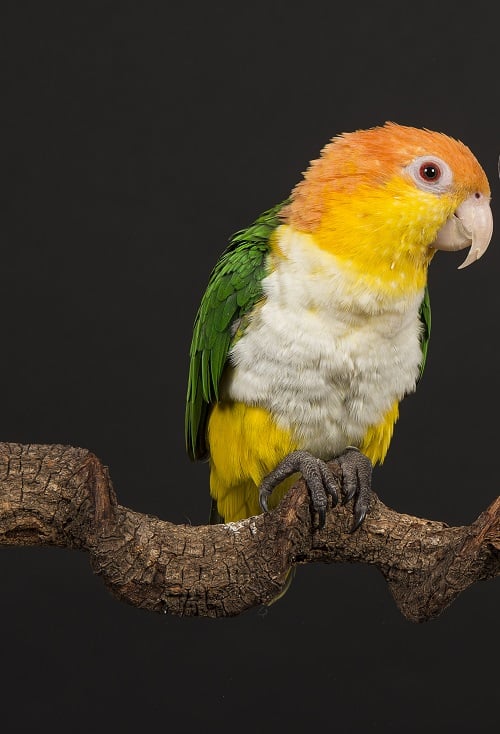
The white-bellied caique is a visually distinctive parrot, characterized by its compact, stocky build, measuring approximately 23 cm (9 inches) in length and weighing up to 170 grams. Their short, slightly stumpy tail further accentuates their robust appearance. True to their name, their chest and belly are adorned with pristine white to creamy feathers. The head boasts a vivid orange hue, complemented by bright yellow cheeks, while their wings and back are a lush green. A beige beak and unusual reddish eyes, encircled by a bare eye-ring, complete their unique look.
The taxonomy of the Pionites genus, to which caiques belong, has been a subject of ongoing scientific discussion. Traditionally, two species were recognized: the white-bellied caique (P. leucogaster) and the black-capped caique (P. melanocephalus). Within P. leucogaster, three subspecies were historically identified:
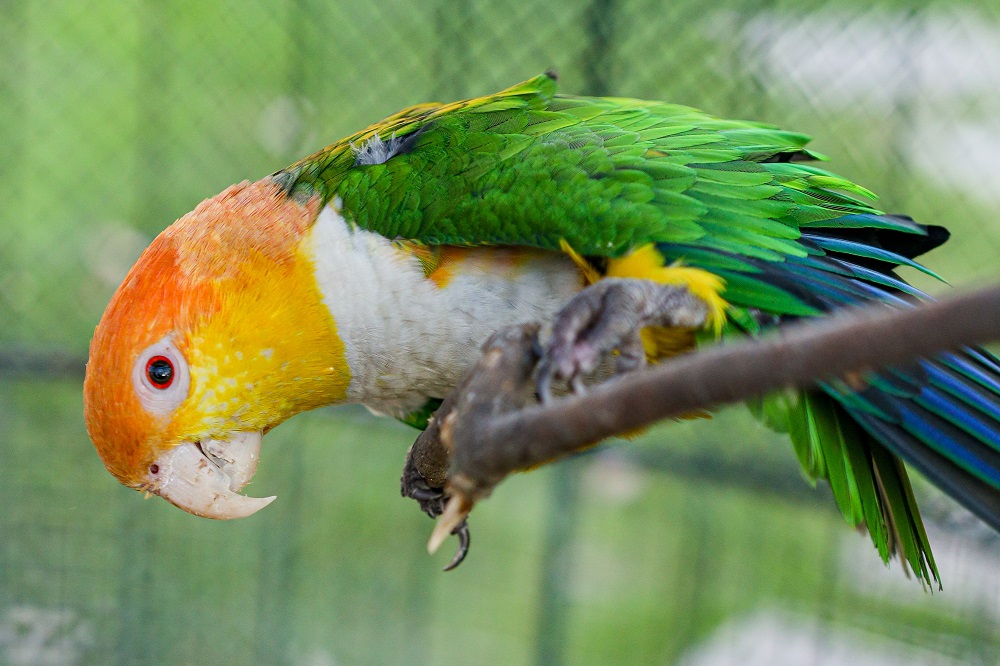
- P. l. leucogaster (green-thighed caique)
- P. l. xanthomerius (yellow-thighed caique)
- P. l. xanthurus (yellow-tailed caique)
The primary distinction among these subspecies lies in the coloration of their tail and legs. However, modern ornithological sources, such as Birds of the World, have begun to classify P. xanthomerius and P. xanthurus as distinct species, rather than mere subspecies, based on these morphological differences. This reclassification highlights the subtle yet significant variations within the group and underscores the dynamic nature of scientific understanding in the field of ornithology. Visually differentiating between male and female white-bellied caiques is not possible; a DNA test remains the most reliable method for sex determination.
Natural Habitat and Conservation Challenges
White-bellied caiques are endemic to South America, primarily inhabiting the canopies of tropical rainforests within the vast Brazilian Amazon basin. Their natural range extends beyond Brazil to include parts of Bolivia, Peru, and Ecuador. In these pristine environments, they typically nest in hollow trees, utilizing the dense foliage for both shelter and foraging. Observations indicate that these highly social parrots live in cohesive groups, often comprising up to ten individuals, a social structure that significantly influences their behavior in captivity.
Alarmingly, the majority of white-bellied caique populations are classified as "Endangered" by the International Union for Conservation of Nature (IUCN). This precarious status is predominantly attributed to extensive habitat loss driven by the relentless deforestation of the Amazon rainforest. The clearing of forests for agricultural expansion (cattle ranching, soy cultivation), illegal logging, mining operations, and infrastructure development continues to decimate their natural homes. The fragmentation of their habitat isolates populations, reducing genetic diversity and making them more vulnerable to environmental changes and disease. Conservation efforts are crucial to protect these vibrant parrots and their diminishing forest ecosystems.
Understanding the White-Bellied Caique Diet

A crucial aspect of white-bellied caique care involves replicating, as closely as possible, their diverse natural diet. Scientific research provides invaluable insights into their wild feeding habits. A comprehensive study conducted by Lee et al. in 2014, observing 190 wild white-bellied caiques, revealed that these birds forage on an astonishing 44 different plant species. Their diet varied seasonally but predominantly consisted of seeds from various plants, including fruit seeds, and a wide array of fruits, often consumed unripe. Flowers and flower buds were also significant dietary components. Another study highlighted their consumption of pollen and nectar, underscoring their role as important pollinators for certain tree species within their ecosystem. Occasionally, wild caiques have been observed eating leaves, bark, and even ants. They also visit clay licks, likely to ingest soil rich in essential micronutrients.
Translating this wild diet into a domestic setting requires careful consideration to prevent common nutritional deficiencies. A common mistake among inexperienced parrot owners is to provide a diet consisting solely of seed mixes. While seeds are a part of their natural intake, commercial seed mixes are often high in fat and lack the broad spectrum of vitamins, minerals, and other micronutrients necessary for a caique’s long-term health. Similarly, an overly fruit-heavy diet, though seemingly logical for a fruit-loving species, can be problematic. Wild fruits are generally lower in sugar than commercially cultivated varieties, and caiques often consume them unripe, further reducing sugar intake.
A balanced domestic diet for a white-bellied caique should primarily consist of:
- High-Quality Pellets: These should form the foundation of the diet, providing a consistent source of balanced nutrition. Choose a reputable brand specifically formulated for medium-sized parrots.
- Fresh Vegetables: A wide variety of fresh vegetables should be offered daily. Examples include leafy greens (kale, spinach, romaine), bell peppers, carrots, broccoli, zucchini, sweet potatoes, and various squashes. These provide essential vitamins, fiber, and moisture.
- Limited Fruits: Offer small portions of low-sugar fruits such as berries (blueberries, raspberries), melon, apple, and citrus. Always remove seeds from apples and other fruits that may contain toxins.
- Small Amounts of Cooked Grains and Legumes: Cooked brown rice, quinoa, barley, and lentils can be offered occasionally.
- Occasional Lean Protein: Cooked, unseasoned chicken or eggs can be given in very small quantities as a rare treat.
- Water and Supplements: Fresh, clean water must always be available from multiple sources. A calcium block is also important for bone health and beak conditioning.
- Treats: Very fatty or sugary foods like nuts (e.g., almonds, walnuts in moderation) and dried fruits should be reserved as occasional training treats. Avocado, chocolate, alcohol, and caffeine are toxic to parrots and must be strictly avoided.
The Dynamic White-Bellied Caique Temperament
The temperament of white-bellied caiques is arguably their most defining characteristic, earning them the moniker "clowns of the parrot world." While all parrots exhibit intelligence and playfulness, caiques elevate these traits to an exceptional level. They are renowned for their boundless energy, acrobatic antics, and a seemingly endless capacity for mischief. Owners often describe their behaviors as a blend of wrestling, dancing, rolling on their backs, and engaging in boisterous play.

However, their spirited nature also comes with significant challenges. Caiques can form incredibly strong bonds with their human companions, often developing a preference for one primary person. While this bond can be deeply rewarding, it also means they can become territorial or even aggressive towards others, including family members. As they mature and pass through puberty, they can exhibit hormonal behaviors, becoming nippy, possessive, or unpredictable. Some owners even jokingly describe them as "possessed by demons" during breeding season due to sudden shifts in temperament. This requires an owner who is prepared for these potential behavioral shifts and is skilled in positive reinforcement training to manage and mitigate unwanted behaviors.
A white-bellied caique demands substantial social interaction. They thrive on spending as much time as possible with their human flock. Owners must commit to several hours of out-of-cage time daily, providing ample opportunity for supervised play and interaction. Without sufficient attention and mental stimulation, caiques can develop behavioral problems such as feather plucking, excessive screaming, or aggression. Their territorial instincts also mean they generally cannot be housed with other bird species, as they may initiate attacks over cage or food disputes.
Patience is paramount when living with a caique. Their innate curiosity and powerful beaks mean they love to chew on everything. Damage to furniture, household items, and toys is an expected part of caique ownership. They are also adept at throwing objects, adding to the general "mayhem" they tend to create. For those who appreciate an extra dash of vibrant, boisterous energy and are prepared for the commitment, a caique can be an incredibly enriching companion. Resources like social media accounts of experienced caique owners (e.g., Jalapeño Pancake’s Instagram) offer a realistic glimpse into their daily antics.
Optimal Housing and Environmental Needs
Given their explosive energy and intelligence, white-bellied caiques require a spacious and stimulating living environment. Even with ample out-of-cage time, a large, secure cage is fundamental to their well-being.
- Cage Size: While specific minimum dimensions can vary, a general recommendation for a single caique is a cage no smaller than 24" x 24" x 30" (width x depth x height), with wider cages always preferred to allow for wing stretching and movement. Bar spacing should be appropriate for their size, typically ¾ to 1 inch, to prevent escapes or injuries.
- Construction: The cage must be sturdy, made of non-toxic materials (e.g., powder-coated wrought iron or stainless steel), and equipped with secure locking mechanisms. Caiques are highly intelligent and often learn to open simple latches.
- Perches: Provide a variety of natural perches of different diameters (e.g., java wood, manzanita, fruitwood) to promote foot health and prevent pressure sores. Avoid dowel perches as the sole option.
- Food and Water Bowls: Stainless steel bowls are hygienic and durable. Multiple water sources can be beneficial.
- Bird Bath: Caiques enjoy bathing, so a bird bath or shallow dish should be offered regularly, or they can be misted with water.
Beyond the cage, a dedicated "play gym" or bird-safe area outside the cage is essential for daily enrichment. This space should be equipped with various toys:
- Chew Toys: Wood blocks, natural branches, shreddable cardboard, and leather toys are crucial for beak health and mental stimulation.
- Foraging Toys: These challenge their intelligence by requiring them to "work" for treats, mimicking natural foraging behaviors.
- Puzzle Toys: Toys that require problem-solving keep their minds active.
- Exercise: Encourage climbing, hanging, and supervised flight (if wings are not clipped).
Parrot-Proofing and Safety: Any room a caique has access to must be thoroughly parrot-proofed. Their curious and destructive nature means they can easily encounter hazards. This includes covering electrical cords, removing toxic plants, securing windows and doors, eliminating ceiling fans, and ensuring no toxic fumes are present from non-stick cookware (PTFE), scented candles, air fresheners, or cleaning products. All household chemicals and medications must be stored out of reach.
Essential Enrichment for a Thriving Caique
All parrots, and caiques especially, require extensive daily enrichment to prevent boredom, loneliness, and the development of severe behavioral issues such as feather plucking, incessant screaming, and aggression. In the wild, they spend their days foraging, socializing, and constantly engaging their keen intellect within a dynamic flock. Replicating this mental and physical stimulation in captivity is paramount.
Key enrichment strategies for white-bellied caiques include:

- Daily Foraging Opportunities: Beyond simply placing food in a bowl, hide treats in foraging toys, shreddable boxes, or inside crumpled paper. This encourages their natural instinct to search for food, extending feeding time and providing mental exercise.
- A Diverse Range of Chew Toys: Offer a constant rotation of safe, destructible toys made from wood, cardboard, natural fibers, and safe plastics. Chewing is a vital outlet for their energy and helps maintain beak health.
- Puzzle and Dexterity Toys: Toys that require manipulation and problem-solving keep their intelligent minds engaged. These can range from simple stacking toys to more complex foraging devices.
- Consistent Social Interaction: Daily, dedicated playtime with their human companions is non-negotiable. This includes talking, training sessions, petting (if the bird enjoys it), and simply allowing them to be part of household activities.
- Training and Learning: Teach them tricks, reinforce positive behaviors, and engage them in target training. This not only strengthens the bond but also provides vital mental stimulation.
- Bathing and Preening Aids: Regular opportunities for bathing (misting, bird bath) are important for feather health. Provide rough perches or a concrete perch to aid in nail and beak maintenance.
Vocalization and Communication
When considering a white-bellied caique, prospective owners must be realistic about their vocalizations. While they are not the loudest parrot species, the notion of a "quiet parrot" is largely a myth. All parrots possess the capacity for loud vocalizations. Caiques typically emit whistles, beeps, and soft squawks for much of the day, maintaining a relatively acceptable noise level. However, they are also capable of producing incredibly shrill, piercing screams. This behavior is rooted in their natural habitat, where loud calls are essential for locating flock members across vast distances within dense forest canopies.
For apartment dwellers, caiques might be a more manageable choice than some larger, notoriously loud species like cockatoos or conures. Nevertheless, anyone bringing a caique into their home should be prepared for the reality that moments of profound silence will likely become rare.
Regarding talking ability, caiques are not among the "champion talking parrot species." While some individuals may pick up a few words or phrases, their vocabulary is generally limited compared to African Greys or Amazon parrots. However, they excel at mimicry of other sounds. Caiques are excellent candidates for vocalization training, particularly for whistles and short tunes. To teach a caique a tune, choose a short, distinctive melody, like a wolf whistle, and repeat it consistently throughout the day. Positive reinforcement, such as offering a treat when the bird attempts to mimic the sound, can be highly effective and provides a fun bonding activity.
White-Bellied Caique Medical Emergencies and Health
Owning any pet, especially a curious and energetic parrot like a caique, necessitates preparedness for potential medical emergencies. Before acquiring a caique, owners should identify a qualified avian veterinarian in their area and keep their contact information readily accessible. Understanding common signs of illness in birds is also crucial for early detection and intervention. Symptoms such as fluffed feathers, lethargy, changes in droppings, loss of appetite, discharge from eyes or nostrils, or changes in breathing patterns warrant immediate veterinary attention.
Caiques are susceptible to certain health issues. Polyomavirus is a significant concern, particularly for young birds (under 4 weeks old), as it can cause severe organ damage and often proves fatal. Vaccination against polyomavirus is highly recommended and should be discussed with an avian vet. Other general parrot health concerns that caiques can face include Psittacine Beak and Feather Disease (PBFD), nutritional deficiencies (often due to improper diet), respiratory infections, and various bacterial or fungal infections. Regular annual check-ups with an avian vet are vital for preventative care, early detection of health problems, and maintaining the bird’s overall well-being.
The Enduring Commitment of Caique Ownership
The decision to welcome a white-bellied caique into one’s family is not one to be taken lightly. Their impressive lifespan of 40 years or more means that owners are committing to a companion for several decades, a commitment comparable to raising a child. This long-term responsibility encompasses significant investments of time, financial resources, and emotional energy.
The challenges of caique ownership are multifaceted. They require a substantial daily time commitment for social interaction, training, and supervised out-of-cage play. Financially, costs include not only the initial purchase price but also a large, sturdy cage, a constant supply of high-quality food, a diverse array of toys, and regular, potentially expensive, veterinary care from an avian specialist. The noise levels, while not the highest among parrots, can still be considerable. Their tendency towards nipping, hormonal aggression, and destructive chewing requires consistent management and patience.
Ethical considerations also play a role. Prospective owners should research reputable breeders who prioritize the health and socialization of their birds, or consider adopting from a parrot rescue organization. Understanding the ethical implications of exotic pet ownership, particularly for an endangered species, is paramount. For individuals who are not prepared for the intensive demands of a caique, exploring other less demanding pet options or contributing to avian conservation efforts may be more suitable.
In conclusion, white-bellied caiques are undoubtedly charismatic and rewarding companions, bringing immense joy and laughter to their homes. However, their complex needs, spirited personalities, and long lifespans mean they are best suited for experienced parrot owners who are prepared for a significant, long-term commitment. Thorough research, an understanding of their natural behaviors, and a proactive approach to their care are essential for providing these captivating parrots with a happy, healthy, and enriched life.
