

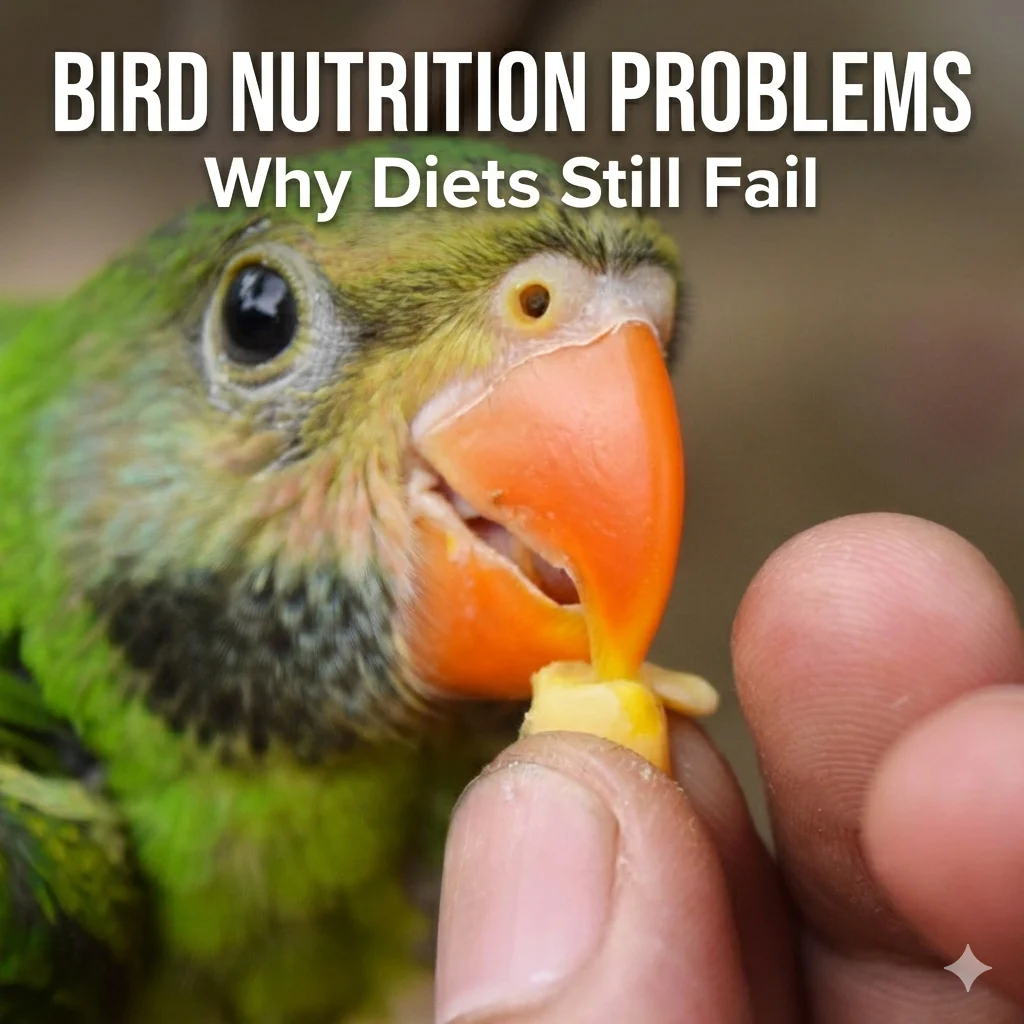
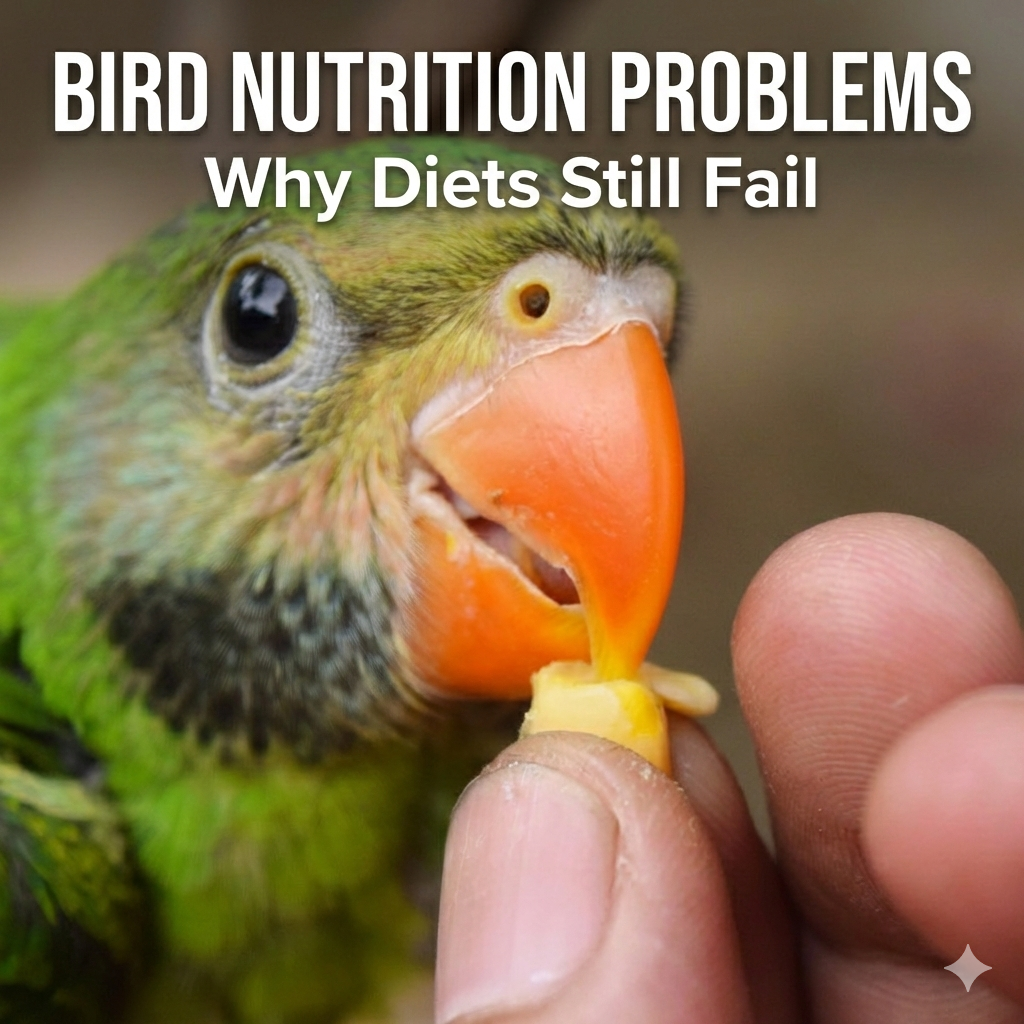
Despite diligent efforts by dedicated owners, many captive parrots appear to thrive on seemingly well-balanced diets yet still exhibit subtle signs of weakness, dull plumage, or compromised health. This perplexing paradox often stems not from a lack of food, but from a fundamental breakdown in the intricate metabolic chain involving nutrient intake, absorption, and activation. When any one of these crucial links fails, the bird’s physiological system can weaken, leading to a cascade of health issues that are frequently misdiagnosed or attributed to aging. Understanding the complex interplay of avian nutrition, environmental factors, and individual bird physiology is paramount to preventing these often silent and progressive health declines.
The Unseen Struggle: When Dietary Intake Isn’t Enough
The assumption that "eating well" directly translates to robust health for parrots is a common misconception. While providing high-quality pellets, fresh vegetables, and even controlled seed portions forms the foundation of a good diet, the journey of nutrients from the bowl to the cellular level is fraught with potential pitfalls. Two critical nutrient pathways – calcium and vitamin A – frequently become compromised, leading to widespread but often subtle symptoms.
Calcium, for instance, is not merely ingested; it must be actively absorbed through the intestinal wall and transported into the bloodstream. This intricate process is heavily reliant on adequate levels of vitamin D3, a fat-soluble vitamin that acts as a key regulator of calcium and phosphorus homeostasis. Without sufficient vitamin D3, dietary calcium remains largely unutilized, passing through the digestive system without conferring its benefits. For most indoor birds, the primary source of vitamin D3 synthesis – exposure to specific wavelengths of ultraviolet B (UVB) light – is entirely absent or severely limited, leading to a silent metabolic vulnerability.
Similarly, vitamin A, vital for maintaining healthy epithelial tissues throughout the body, is often deficient in seed-heavy diets. While seeds provide caloric energy, their vitamin A content is typically low and often in a less bioavailable form. This chronic deficiency can manifest in insidious ways, gradually eroding the bird’s natural defenses and overall vitality.
Deciphering the Symptoms: More Than Just "Looking Weak"
The manifestations of these underlying nutritional and metabolic imbalances can be diverse and often go unnoticed until they become severe. Owners frequently report a range of subtle behavioral and physical changes that, when viewed holistically, paint a clearer picture of systemic compromise.
Weakened Neuromuscular Control and Grip Strength: One of the earliest and most common indicators of marginal calcium levels is a decline in neuromuscular control. Calcium plays a direct and indispensable role in nerve impulse transmission and muscle contraction. When circulating calcium is insufficient, even slightly, high-demand activities requiring precise muscular coordination are affected first. Owners might observe a parrot struggling to maintain a firm grip on perches, toes slipping more frequently, hesitation before jumping or flying, or a general reduction in agility. These signs are often progressive, starting as mild inconveniences and gradually escalating. In severe cases of hypocalcemia, birds can experience tremors, ataxia (loss of coordination), and even seizures, necessitating immediate veterinary intervention.
Compromised Flight Dynamics and Landing Stability: As calcium levels dip, the complex muscular contractions required for sustained flight and controlled landings become impaired. Birds may exhibit shorter flight distances, increased effort during flight, or an unwillingness to take off. Landings can become clumsy, often involving a hard drop onto a perch rather than a smooth, controlled descent. This is not merely a sign of physical weakness but a direct consequence of inefficient nerve signaling and muscle function, highlighting the systemic impact of calcium deficiency.
Dull and Poor-Quality Feathers Despite Adequate Diet: Feather quality is a profound indicator of a bird’s overall metabolic health. While a varied diet is important, compromised nutrient absorption or activation can undermine even the best intentions. If amino acid profiles are incomplete, trace minerals are deficient, or calcium metabolism is inefficient, the structural integrity of feathers can suffer. During molting, new feathers may emerge with thinner shafts, reduced sheen, stress bars, dull coloration, or frayed edges. This often occurs even in birds consuming high-quality pelleted diets, demonstrating that the problem lies beyond mere dietary intake. The lack of vibrant, healthy feathers signals a deeper metabolic struggle, reflecting the body’s inability to properly synthesize and utilize essential building blocks.
The Neophobic Parrot: Navigating Dietary Transitions
A significant hurdle for many parrot owners is successfully transitioning their birds from seed-heavy diets to more nutritionally complete pellets. Parrots are inherently "neophobic," meaning they have an innate fear of new or unfamiliar objects and foods. This is an evolutionary survival mechanism in the wild, preventing them from ingesting potentially toxic substances. In a captive environment, however, it translates into a strong reluctance to try new foods, even when they are nutritionally superior.
The Dangers of "Cold Turkey" Pellet Swaps: Attempting to switch a parrot to pellets "cold turkey" by abruptly removing all familiar seeds is not only ineffective but potentially dangerous. A parrot’s neophobia can lead to severe food refusal, rapid weight loss, and even starvation, as they will often choose to starve rather than eat an unfamiliar item. Such drastic changes can trigger severe physiological stress, including hepatic lipidosis (fatty liver disease), which can be fatal. The widely cited success stories of rapid conversion often mask underlying health risks and should be approached with extreme caution.
A Gradual, Monitored Approach to Conversion: A successful and safe pellet conversion prioritizes preventing weight loss and psychological stress. The process must be gradual, involving the slow introduction of pellets mixed into the bird’s existing seed diet, progressively increasing the pellet-to-seed ratio over weeks or even months. Crucially, owners must monitor the bird’s body weight daily or weekly using a gram scale. A weight drop exceeding 3-5% of total body weight signals inadequate intake and requires a deceleration of the transition. During this "bridging" period, supplementing with liquid calcium and amino acids can help prevent acute deficiencies while the bird learns to accept the new food. This approach focuses on caloric stability first, allowing nutritional optimization to follow once the bird reliably consumes the new diet.
The Addiction to Seeds: A Learned Behavior
Many parrots exhibit a strong preference for seeds, often described as an "addiction." This preference is not driven by nutritional wisdom but by the inherent palatability of seeds, which are typically high in fat and calories. Just as humans can develop a preference for "junk food," parrots learn to favor the immediate gratification of high-fat seeds over the less stimulating texture and flavor of pellets or vegetables.
While seeds are a natural component of a wild parrot’s diet, they are consumed as part of a highly varied foraging strategy that includes fruits, nuts, flowers, and insects, ensuring a broad spectrum of nutrients. In captivity, a seed-only or seed-dominant diet invariably leads to predictable nutrient gaps. Most commercial seed mixes are deficient in essential nutrients such as vitamin A, bioavailable calcium, and crucial trace minerals like zinc and iodine. Over time, these deficiencies slowly erode the bird’s health, affecting epithelial integrity, bone density, immune response, and feather quality, even if the bird appears outwardly energetic.
The Environmental Equation: Light, D3, and Seasonal Decline
Even birds consuming excellent diets can fall short if environmental factors impede nutrient activation. The most critical example is the relationship between UVB light, vitamin D3 synthesis, and calcium absorption.
Glass Blocks UVB: The Indoor Bird’s Dilemma: Parrots, having evolved in regions with abundant sunlight, are naturally equipped to synthesize vitamin D3 in their skin when exposed to specific wavelengths of UVB light (typically 290-315 nanometers). However, standard window glass, even clear glass, effectively blocks virtually all beneficial UVB radiation. This means that an indoor parrot basking in a sunny window, while seemingly enjoying natural light, is not synthesizing any vitamin D3. Without this crucial metabolic step, dietary calcium, no matter how plentiful, cannot be efficiently absorbed and utilized, leading to the "good diet, weak bird" paradox.
Seasonal Impact in Northern Latitudes: The problem is exacerbated for indoor birds in northern climates during winter months. Shorter days and lower sun intensity significantly reduce the already limited natural UVB available. This seasonal decline in UVB directly translates to reduced vitamin D3 synthesis and, consequently, impaired calcium utilization. Owners often report a worsening of symptoms like weak grip, lethargy, or dull feathers during late winter, coinciding with prolonged periods of low UVB exposure.
Furthermore, light exposure regulates circadian rhythms, hormonal cycles, and overall metabolic stability. Inconsistent or shortened photoperiods, common in temperate winter environments, can lead to behavioral changes such as increased irritability, reduced activity levels, and even delayed or compromised molts. The parrot’s physiology, adapted for tropical consistency, struggles to cope with dramatic environmental shifts.
Supplementation: Precision Over Proliferation
When considering dietary supplements, precision is paramount. The efficacy of supplements is not inherent in the product itself but hinges on consistent delivery of a stable, bioavailable dose.
Challenges of Water-Based Supplements: Water-soluble supplements, while convenient, present several challenges. Many nutrients, particularly vitamins, degrade rapidly when exposed to light, heat, or even prolonged periods in water. Furthermore, a bird’s daily water intake fluctuates significantly based on activity levels, ambient temperature, and diet (e.g., fresh vegetables provide hydration). This variability makes it difficult to ensure a consistent, reliable dose, often leading to under-dosing or, conversely, accidental over-dosing if the bird drinks excessively. The potential for bacterial growth in supplemented water also poses a hygiene risk.
Advantages of Food-Based Delivery: Food-based delivery generally offers greater dose reliability. When a supplement is mixed into a measured portion of chop, soft food, or a small amount of palatable treat, owners can directly observe and confirm consumption. This method reduces nutrient degradation and ensures a more consistent intake, which is crucial for nutrients like calcium, magnesium, biotin, or specific amino acids that require steady levels for optimal physiological function.
Targeted Supplementation: Not a Universal Solution: Supplementation should never be a blanket approach but rather a targeted strategy based on identified needs. Birds with diagnosed deficiencies, those undergoing physiological stress (e.g., egg-laying hens, molting birds), or indoor birds lacking adequate UVB exposure are primary candidates. A properly formulated combination of calcium, magnesium, and vitamin D3 is often recommended for these birds to support nerve signaling, muscle contraction, and bone stability. However, the caveat is crucial: more is not better. Excessive supplementation, particularly of fat-soluble vitamins like A and D3, can lead to toxicity, liver strain, kidney damage, and soft tissue mineralization. Any supplementation plan should be developed in consultation with an avian veterinarian and based on species-appropriate dosages.
The Avian Veterinarian: Your Essential Partner in Health
Given the complexity of avian nutrition and metabolism, accurate diagnosis and treatment are critical. Owners should view the information on symptoms as an educational guide, not a diagnostic tool.
Distinguishing Deficiencies from Other Illnesses: Signs of vitamin A deficiency (e.g., thickened choanal papillae, nasal discharge, chronic sinusitis, poor feather quality, footpad lesions) and hypocalcemia (e.g., weak grip, clumsy flights, lethargy, tremors, seizures, dystocia in hens) can mimic symptoms of other diseases. Self-diagnosis and at-home treatment can delay appropriate care and worsen outcomes.
When to Seek Immediate Veterinary Care: Certain symptoms warrant immediate consultation with an avian veterinarian. These include acute weakness, difficulty breathing, seizures, paralysis, severe lethargy, loss of appetite, persistent vomiting or regurgitation, or any sign of bleeding. These are not "watch and wait" scenarios; they represent potential emergencies that require professional intervention, including blood tests (to measure calcium, D3, and Vitamin A levels), radiographs (to assess bone density), and supportive care.
Holistic Solutions for Avian Wellness
Effectively addressing nutritional and metabolic issues in parrots typically requires a multi-pronged, holistic approach that corrects multiple variables simultaneously.
1. Structured Dietary Overhaul: The foundation is a high-quality, formulated pelleted diet, comprising at least 80% of the bird’s daily intake. This ensures a consistent baseline of macro and micronutrients. Complement this with a measured quantity of fresh, varied vegetables, prioritizing dark leafy greens and orange/yellow produce rich in beta-carotene (a precursor to vitamin A). Fruits should be offered sparingly as treats due to their sugar content. Seeds and nuts can be used in controlled amounts for enrichment and training but should never form the bulk of the diet.
2. Optimal UVB Lighting: For indoor birds, installing a full-spectrum UVB bird light is non-negotiable. These specialized bulbs emit the critical UVB wavelengths necessary for endogenous vitamin D3 synthesis. The light should be positioned at an appropriate distance from the bird (as per manufacturer instructions, typically 12-18 inches) and used for a consistent duration (e.g., 8-12 hours daily). Crucially, UVB bulbs degrade over time, even if they still appear bright to the human eye, and must be replaced according to the manufacturer’s recommended schedule (usually every 6-12 months). Safe, supervised outdoor time in a secure aviary can also provide natural UVB exposure.
3. Targeted, Veterinarian-Guided Supplementation: When a specific deficiency is diagnosed or strong clinical signs suggest it, a veterinarian may recommend targeted supplementation. This might include a balanced calcium, magnesium, and vitamin D3 product for birds with compromised calcium metabolism, or a vitamin A supplement (often in a water-soluble form that is less prone to toxicity than fat-soluble forms) for birds with epithelial issues. All supplementation must be precise, species-appropriate, and monitored for effectiveness and potential side effects.
4. Consistent Monitoring and Proactive Care: Regular monitoring of a bird’s weight, droppings, feather quality, activity levels, and overall demeanor is vital. Any significant changes should prompt further investigation. Annual veterinary check-ups, even for seemingly healthy birds, allow for early detection of subtle issues through physical examination, blood work, and discussion of husbandry practices.
Conclusion: A Commitment to Comprehensive Avian Care
The perplexing phenomenon of "good diets still failing" in parrots underscores the intricate and often overlooked metabolic requirements of these intelligent and sensitive creatures. It is a powerful reminder that avian wellness extends far beyond merely filling a food bowl. Owners are tasked with ensuring not only adequate intake but also efficient absorption and crucial activation of essential nutrients. When the interconnected principles of diet structure, appropriate light exposure, and targeted support are aligned, the strength returns, grip improves, feathers regain their luster, and energy stabilizes. By embracing a comprehensive and informed approach to avian care, owners can prevent much of the silent suffering caused by nutritional deficiencies and enable their beloved parrots to live healthier, more vibrant, and longer lives.
