

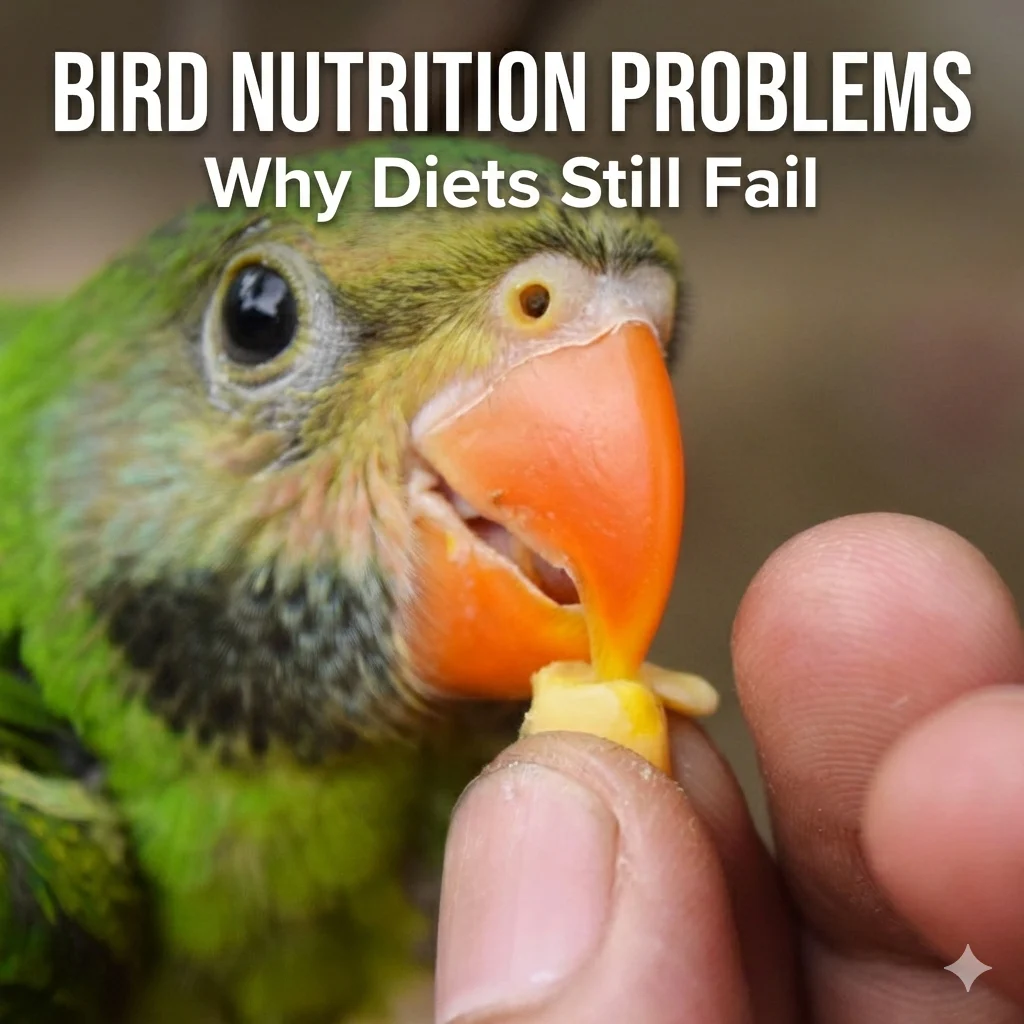
Even with conscientious efforts by dedicated owners, many pet birds consuming what appears to be a "good" diet can still exhibit signs of weakness, illness, or sub-optimal health. The challenge lies not merely in providing adequate food, but in ensuring the complex biological processes of nutrient intake, absorption, and activation are fully functional. When any one of these critical steps falters, the entire metabolic system can be compromised, leading to a spectrum of health issues often misinterpreted or attributed to other causes.
The Metabolic Minefield: Beyond the Food Bowl
The prevailing wisdom in avian care has long emphasized a shift from seed-only diets to formulated pellets supplemented with fresh fruits and vegetables. While this dietary evolution has significantly improved pet bird longevity and health compared to past generations, it has also unveiled a more nuanced set of nutritional challenges. The assumption that "eating well" directly translates to "being well" overlooks the intricate metabolic pathways that dictate how nutrients are actually utilized by a bird’s body.
A prime example of this metabolic complexity is the interplay between calcium, vitamin D3, and ultraviolet B (UVB) light. Calcium, essential for bone density, nerve transmission, and muscle function, cannot be efficiently absorbed from the diet without adequate vitamin D3. Furthermore, most pet birds, particularly those housed indoors, cannot synthesize sufficient D3 without exposure to specific wavelengths of UVB light. This means a bird can be consuming a diet rich in calcium, yet remain functionally deficient if the D3-UVB activation pathway is disrupted. The consequences often manifest as subtle, progressive weakness rather than acute, dramatic illness, making diagnosis challenging for owners and even some veterinarians.
The Enigma of Weak Grip and Dull Feathers
One of the most common early indicators of underlying nutritional imbalance, particularly related to calcium metabolism, is a decline in neuromuscular control. Owners frequently report a "weak grip" in their parrots, manifested as slipping toes on perches, difficulty stabilizing during movement, or an overall reduction in strength when grasping objects. This subtle symptom often precedes more overt signs of illness and points to marginal circulating calcium levels impacting nerve signaling and muscle contraction.
Similarly, changes in flight patterns, such as shorter flights, hesitation before takeoff, or clumsy landings, can be early red flags. Calcium’s role in coordinating the rapid, precise muscle contractions required for flight makes these high-demand activities particularly sensitive to even slight deficiencies.
Beyond physical strength, a bird’s plumage serves as a visible barometer of its internal health. Even birds on high-quality pellet diets can display dull, brittle, or structurally weak feathers during molt if underlying mineral balance or absorption is compromised. Feather quality reflects metabolic stability; compromised calcium metabolism, alongside other deficiencies, can lead to thinner feather shafts, reduced sheen, and fragile edges, signalling a systemic issue rather than just a cosmetic one. These progressive changes, often dismissed as "just getting older" or normal wear and tear, underscore the insidious nature of chronic nutritional shortfalls.
Navigating the Pellet Conversion Challenge
For many parrot owners, the journey to a balanced diet begins with converting their seed-addicted bird to pellets. This process, however, is fraught with peril if not managed carefully. Parrots, by nature, are "neophobic" – they exhibit an innate fear of new things, especially unfamiliar foods. This evolutionary trait, designed to protect them from consuming toxins in the wild, can lead to self-starvation in a domestic setting when familiar food is abruptly replaced with something new.
A successful pellet transition is therefore not about forcing hunger, but about building trust and familiarity. Experts in avian nutrition, such as Diane Burroughs, LCSW, author and avian expert, emphasize that "cold turkey" pellet swaps are dangerous. Instead, a gradual approach is recommended, where small amounts of pellets are mixed into the existing seed diet, slowly increasing the proportion over weeks or even months. Crucially, this transition must be monitored rigorously. Daily observation of food intake and weekly weighing of the bird on a gram scale are non-negotiable. A weight drop exceeding 3-5% of body weight signals inadequate caloric intake and necessitates slowing down the conversion process, potentially even reverting to a higher proportion of familiar food temporarily. The priority during this phase is preventing dangerous weight loss; nutritional optimization follows once the bird reliably consumes the new diet.
The Insidious Nature of Seed Dominance
Despite concerted efforts to promote balanced nutrition, seed-heavy diets remain a pervasive issue in pet bird ownership. While seeds provide energy, they are nutritionally imbalanced, acting as a high-fat, calorie-dense, but micronutrient-poor food source. Commercial seed mixes are notoriously deficient in critical nutrients such as vitamin A, bioavailable calcium, and essential trace minerals like zinc and iodine.
Birds on seed-only diets often appear energetic, leading owners to believe they are healthy. However, beneath this veneer of vitality, chronic nutrient imbalances slowly take hold, affecting virtually every physiological system. Vitamin A deficiency, for instance, compromises the integrity of epithelial tissues lining the mouth, sinuses, respiratory tract, and gastrointestinal system. This leads to thickened, less protective tissues, making birds highly susceptible to secondary bacterial and fungal infections. Calcium deficiency, on the other hand, weakens bones, impairs nerve function, and can lead to severe reproductive issues in breeding females, including egg binding. The long-term implications include compromised immunity, brittle bones, poor feather quality, and an increased susceptibility to organ disease, particularly liver and kidney problems, significantly shortening a bird’s lifespan and diminishing its quality of life.
Beyond the Bowl: The Critical Role of Vitamin D3 and UVB
Even birds consuming an ideal diet of pellets and fresh vegetables can suffer from nutritional deficiencies if the mechanisms for nutrient absorption and activation are not in place. The most significant oversight in indoor avian care often relates to vitamin D3 and its dependence on UVB light.
Calcium, regardless of how much is present in the diet, cannot effectively cross the intestinal wall into the bloodstream without vitamin D3. This vitamin acts as a crucial hormone, activating intestinal transport proteins that facilitate calcium uptake. For most birds, the primary source of vitamin D3 is not dietary supplementation, but rather endogenous synthesis within the skin following exposure to UVB radiation.
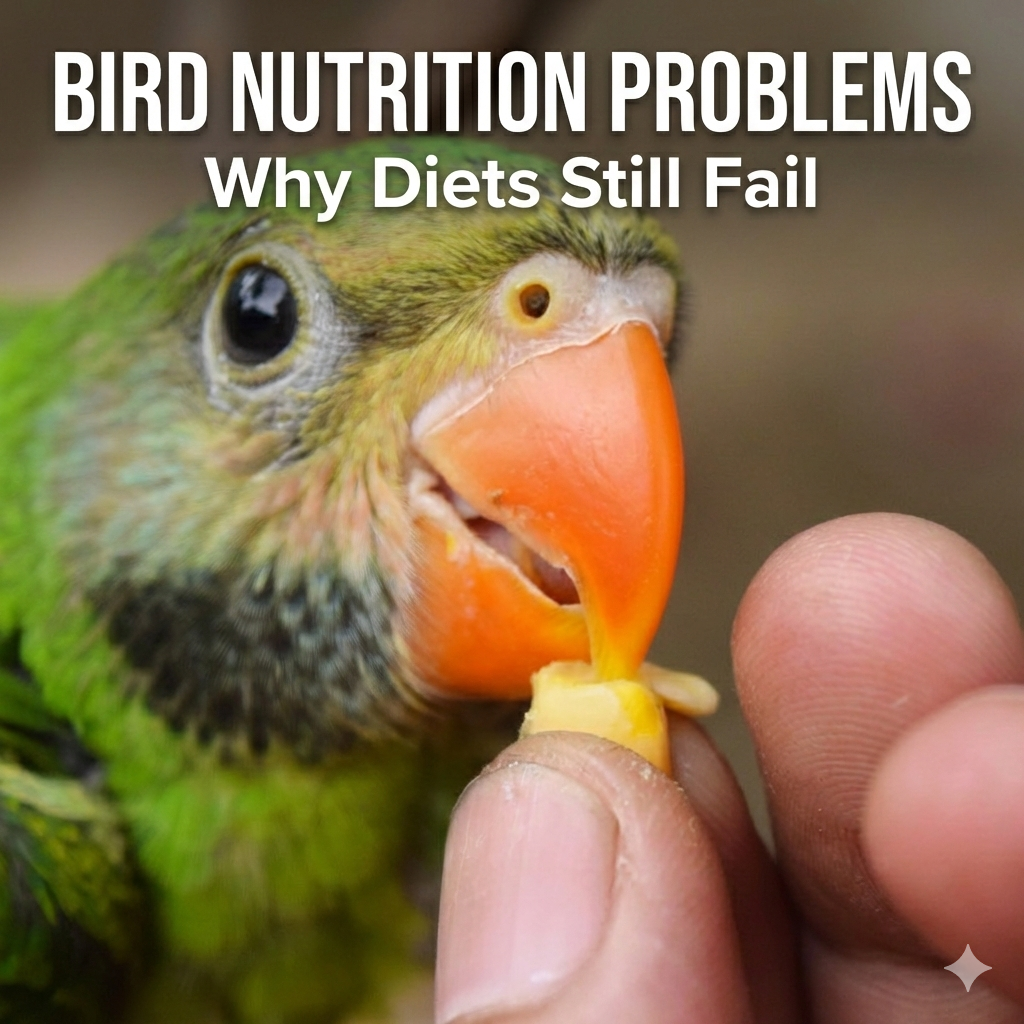
The challenge for indoor birds is that ordinary window glass blocks virtually all beneficial UVB wavelengths. Consequently, even birds basking in bright sunlight through a window are not producing vitamin D3. This creates a state of chronic metabolic "under-activation," where dietary calcium, even from high-quality sources, remains largely unutilized. Avian veterinarians consistently highlight this as a leading cause of subtle, progressive calcium deficiency (hypocalcemia) in pet birds, often manifesting as skeletal fragility, neuromuscular weakness, and reproductive complications.
The Efficacy of Supplements: When and How
When a bird exhibits signs of deficiency, supplementation often comes to mind. However, the effectiveness of vitamin and mineral supplements hinges on several factors: ingredient stability, consistent intake, and bioavailability. Water-soluble supplements, while convenient, can be problematic. Many nutrients, particularly vitamins, degrade rapidly when exposed to light, heat, or even prolonged periods in water. Furthermore, a bird’s daily water intake can fluctuate significantly, making consistent dosing unpredictable. This leads to either under-dosing, rendering the supplement ineffective, or accidental over-dosing if owners compensate by adding more.
Avian experts generally advocate for food-based delivery of supplements whenever possible. Mixing supplements into a known portion of chop, soft food, or a small amount of palatable fresh food allows for more accurate and consistent dosing, as consumption can be observed and measured. This method is particularly critical for nutrients like calcium, magnesium, or biotin, which require stable, consistent intake for optimal effect.
However, it is crucial to understand that supplementation is not a panacea. It should be targeted and administered under veterinary guidance, especially for fat-soluble vitamins (A, D, E, K) which can accumulate to toxic levels. For example, indoor birds without access to UVB light often benefit from a calcium, magnesium, and D3 combination to support bone health and nerve function. Yet, excessive calcium supplementation without proper D3 can lead to soft tissue mineralization and kidney strain. The principle remains: balance and informed application are paramount.
Seasonal Decline: The Winter Phenomenon
A common observation among bird owners is a worsening of their bird’s health or behavior during winter months. This "winter decline" is not coincidental; it reflects a profound disconnect between the bird’s tropical evolutionary biology and the realities of temperate zone living. Most parrot species originate from equatorial regions where daylight length and intensity remain remarkably stable year-round.
In northern latitudes, winter brings dramatically shorter days and significantly weaker sunlight, drastically reducing natural UVB exposure. For indoor birds already shielded by glass, this means an almost complete absence of the environmental trigger for vitamin D3 synthesis. The result is a seasonal exacerbation of vitamin D3 and calcium deficiencies, leading to more pronounced weakness, reduced activity, and even increased susceptibility to illness.
Beyond nutrient synthesis, light exposure regulates a bird’s circadian rhythm, hormone signaling, and metabolic stability. Altered or shortened photoperiods in winter can disrupt these internal clocks, affecting mood, leading to irritability or lethargy, and even impacting the quality and timing of their annual molt. When a bird’s physiology expects tropical consistency but experiences temperate seasonal shifts, behavior and physical health often decline in tandem. Providing consistent, appropriate full-spectrum lighting (including UVB) year-round becomes a critical component of winter welfare.
Distinguishing Deficiencies from Disease: When to Call the Vet
Understanding the signs of common nutritional deficiencies is vital for early intervention, but these symptoms are educational guides, not diagnostic tools. Both vitamin A imbalance and calcium imbalance are frequently encountered in parrots, and both low and excessively high levels can lead to severe health complications. Furthermore, nutritional deficiencies can mimic or predispose birds to other systemic illnesses, making accurate diagnosis complex.
Signs of Vitamin A Deficiency can include:
- Blunted choanal papillae (small, finger-like projections on the roof of the mouth).
- Thickened or swollen tissue around the glottis (opening to the trachea).
- White plaques or abscesses in the mouth or sinuses.
- Nasal discharge and chronic respiratory issues.
- Feather discoloration or poor feather quality.
- Eye discharge or swelling.
Signs of Hypocalcemia (Calcium Deficiency) can include:
- Weak grip, difficulty perching stably.
- Muscle tremors or twitching.
- Seizures or convulsions (in severe cases).
- Skeletal deformities or fragile bones.
- Egg binding in hens.
- Changes in behavior, such as increased irritability or lethargy.
Crucially, any progression or severity in these signs warrants immediate veterinary attention. Symptoms such as acute seizures, severe respiratory distress, profound weakness, or a sudden inability to perch are emergency indicators. These are not "watch and wait" scenarios; they demand prompt professional diagnosis and supportive treatment, which cannot be safely replicated at home. An avian veterinarian can perform blood tests to assess calcium and vitamin D levels, conduct radiographs to evaluate bone density, and provide appropriate medical interventions. Over-the-counter supplements should never replace a professional diagnosis or treatment plan.
A Holistic Approach to Avian Wellness
Ultimately, correcting nutritional problems in pet birds requires a multi-faceted, holistic approach that addresses intake, absorption, and activation simultaneously. There is no single "magic bullet"; rather, success hinges on a commitment to understanding and meeting a bird’s complex physiological needs.
Key corrective strategies include:
- Optimizing Diet Structure: Transitioning to a high-quality formulated pellet as the dietary foundation (60-80%), supplemented with a variety of fresh, nutrient-dense vegetables (20-30%), and only limited amounts of seeds or fruits (5-10%). This ensures a broad spectrum of macronutrients and micronutrients.
- Implementing Appropriate UVB Lighting: Installing a bird-specific UVB lamp (not a reptile lamp) within the recommended distance and duration (typically 8-12 hours daily). Regular replacement of UVB bulbs according to manufacturer guidelines (usually every 6-12 months) is essential, as their UVB output diminishes long before the visible light fades.
- Targeted Supplementation: Administering a veterinarian-prescribed calcium, magnesium, and vitamin D3 supplement, particularly for indoor birds, breeding hens, or those exhibiting deficiency signs. This ensures the full metabolic pathway for calcium utilization is supported.
- Regular Veterinary Check-ups: Establishing a relationship with an avian veterinarian for annual wellness exams allows for early detection of potential issues through bloodwork, physical examination, and discussion of husbandry practices.
The journey to optimal avian health is a continuous one, demanding vigilance and adaptability from owners. Birds do not "fail" because their owners lack care, but often because a critical link in their complex metabolic chain is unknowingly compromised. By addressing intake, absorption, and activation in a comprehensive and informed manner, owners can dramatically improve their birds’ quality of life, prevent costly and debilitating illnesses, and foster a stronger, healthier bond with their feathered companions. When these principles are aligned, strength returns, grip improves, feathers regain their luster, and energy stabilizes, allowing birds to truly thrive in our care.
