

The Silent Threat of Winter: Understanding Avian Vulnerability
As winter progresses, many indoor birds experience a significant reduction in direct sunlight exposure. This seemingly benign environmental shift can have profound physiological consequences, particularly for species naturally accustomed to abundant solar radiation. Unlike their wild counterparts who synthesize Vitamin D3 through direct sun exposure, indoor birds rely heavily on artificial full-spectrum lighting or dietary supplementation to meet this crucial requirement. Without adequate Vitamin D3, the body’s ability to absorb and utilize dietary calcium is severely compromised, leading to a condition known as hypocalcemia, or calcium deficiency. This issue is not a mere seasonal quirk but a genuine health problem that necessitates immediate attention.
Avian physiology is exquisitely tuned to natural light cycles. Birds synthesize cholecalciferol (Vitamin D3) in their skin through exposure to ultraviolet B (UVB) radiation, specifically wavelengths between 290 and 315 nanometers. This Vitamin D3 is then metabolized in the liver and kidneys into its active form, calcitriol, which plays a pivotal role in calcium homeostasis. Calcitriol regulates calcium and phosphate levels in the blood by promoting their absorption from the intestines, reabsorption in the kidneys, and mobilization from bone when blood levels are low. In an indoor environment, where windows typically filter out beneficial UVB rays, and artificial lighting often lacks the necessary spectrum, this natural process is disrupted, setting the stage for mineral imbalances.
The Progression of Deficiency: From Subtle Signs to Critical States
The onset of calcium deficiency due to insufficient UVB exposure is often insidious, manifesting initially through subtle behavioral and physical changes that can easily be misinterpreted by even attentive owners. These early indicators serve as critical diagnostic cues, signaling a potential underlying physiological imbalance before severe complications arise.
Early Warning Signs and Expert Verdicts:
- Sliding on perches or gripping less firmly: This is a classic early sign of neuromuscular weakness. Calcium is vital for muscle contraction and nerve transmission. A deficiency can impair these functions, leading to reduced strength and coordination. This warrants an immediate evaluation of UVB exposure and dietary Vitamin D3 intake.
- More irritable, reactive, or shredding excessively: Imbalances in calcium and magnesium can significantly affect the nervous system. Calcium is essential for nerve signal transmission, while magnesium helps regulate nerve and muscle function. When these minerals are out of balance, birds may exhibit heightened nervous system excitability, leading to increased irritability, anxiety, and stress-related behaviors like excessive feather shredding or aggression. Assessing the bird’s overall mineral support is crucial.
- Feathers looking dull, stress-barred, or slow to molt: Vitamin D3’s role in calcium utilization extends to cellular health, including the integrity of feather follicles. Low Vitamin D3 can impede the proper formation and growth of feathers, resulting in dull plumage, the appearance of "stress bars" (transverse lines indicating periods of nutritional or physiological stress), and abnormal molting patterns. This is a clear indicator to review the bird’s Vitamin D3 and calcium metabolism.
- Lower activity levels or shorter flights: Reduced energy and stamina are direct consequences of weakened musculature and overall physiological stress. Birds may appear lethargic, unwilling to engage in play, or demonstrate a noticeable decrease in their usual flight duration and agility.
- A "shorter fuse" or increased aggression: Beyond general irritability, some birds may develop more pronounced aggressive tendencies or become unusually reactive to stimuli that previously caused no issue. This heightened sensitivity can be a direct result of neurological disturbances caused by mineral deficiencies.
The Physiological Imperative: Why Pellets Alone Are Insufficient
Many well-meaning bird owners provide a high-quality pellet diet, often supplemented with fresh vegetables, believing this covers all nutritional bases. While pellets are formulated to be nutritionally complete, they presuppose the bird’s ability to absorb and utilize these nutrients. In the case of calcium, absorption is heavily dependent on Vitamin D3. Without adequate UVB light exposure—either from direct, unfiltered sunlight or a proper avian-specific UVB lamp—a bird cannot synthesize sufficient Vitamin D3. Consequently, the calcium present in even the best pellet diets simply passes through the digestive system unabsorbed, failing to reach the bones, muscles, and nervous system where it is critically needed.
This fundamental physiological principle means that merely increasing calcium-rich foods or providing a cuttlebone will not rectify a calcium deficiency if Vitamin D3 is the limiting factor. The bird requires bioavailable calcium, which necessitates a robust Vitamin D3 pathway. Therefore, addressing winter-induced weakness is primarily a "light problem" that requires a solution either through improved UVB exposure or appropriate Vitamin D3 supplementation, ensuring the calcium consumed can be effectively utilized for bone strength, nerve function, and overall stability.
Visual Diagnostics: Differentiating Healthy from Depleted
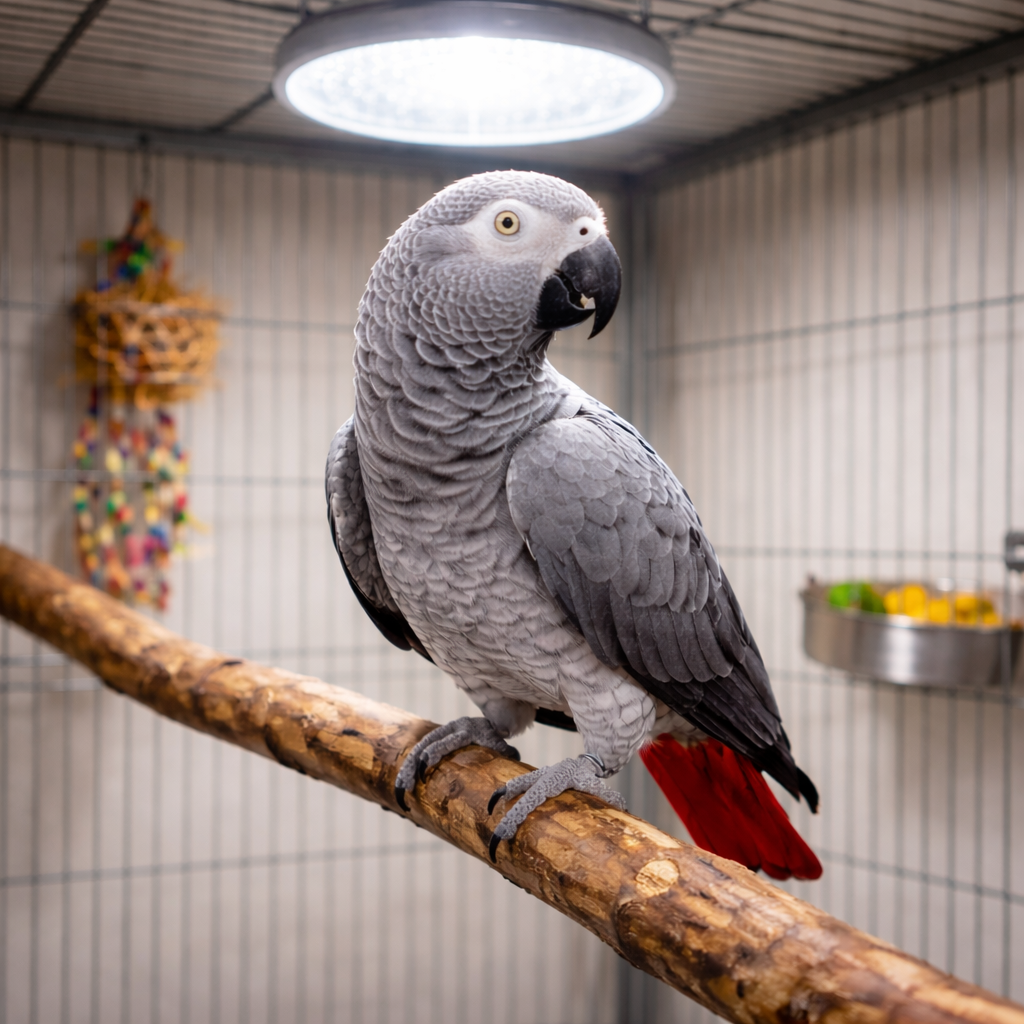
While a definitive diagnosis of calcium deficiency requires veterinary consultation and possibly blood tests or radiographs, visual observation can provide strong indicators. A healthy, winter-stable bird will exhibit an alert posture, bright and clear eyes, smooth and vibrant feathers, and a stable, upright stance on a perch or handler’s hand. Its movements will be fluid and confident.
In contrast, a bird suffering from calcium depletion may display a slouched or hunched posture, dull or disheveled feathers, a slight squint or dullness in the eyes, and a less stable, perhaps hesitant, stance. Subtle tremors, particularly noticeable when the bird is stressed or attempting a difficult maneuver, can also be present. It is crucial to remember that these visual cues are prompts for further investigation, not standalone diagnoses. Any progression of weakness warrants immediate veterinary attention.
Expert Insights: The Veterinary Perspective
Avian veterinarians emphasize the critical nature of early detection and intervention. Birds possess a remarkable compensatory mechanism: they will draw calcium from their own bones to maintain essential functions like heart rhythm and muscle contraction. This internal ‘borrowing’ can continue silently for weeks or even months, masking the underlying problem. By the time overt symptoms such as falling, noticeable tremors, or seizure-like episodes become apparent, the bird’s skeletal system may already be dangerously compromised, potentially leading to irreversible damage or pathological fractures.
When to Call the Vet: A Quick Decision Guide:
- Immediate Veterinary Care (Emergency): If the bird is experiencing full-body tremors, seizures, unexplained falls from perches, paralysis, or inability to stand. These are signs of severe, acute calcium depletion requiring urgent medical intervention.
- Prompt Veterinary Consultation (Within 24-48 hours): If there is a sudden, noticeable decline in strength, persistent weakness, difficulty perching, or changes in gait. This suggests a rapidly progressing issue that needs professional assessment.
- Routine Veterinary Check-up (Non-emergency): If observing subtle, ongoing changes like dull feathers, mild irritability, or slightly weaker grip that have developed gradually over weeks. While not an emergency, these warrant a discussion with an avian vet to review husbandry practices, diet, and light exposure.
Specific Red Flags to Watch For:
- Difficulty perching or repeated falls: Indicates significant muscle weakness and loss of coordination.
- Tremors or twitching: A neurological sign of severe calcium imbalance affecting muscle control.
- Seizure-like activity: A medical emergency, reflecting critical neurological dysfunction.
- Changes in bone structure (e.g., bowed legs, soft beak): Suggestive of chronic calcium deficiency and metabolic bone disease.
- Reproductive issues in laying hens (e.g., egg binding, soft-shelled eggs): Egg production places an immense demand on calcium reserves; deficiency can be life-threatening for laying birds.
Proactive Solutions: The 3-Step Winter Bone Reset
Addressing winter-induced calcium deficiency requires a comprehensive approach that targets the root cause: inadequate Vitamin D3.
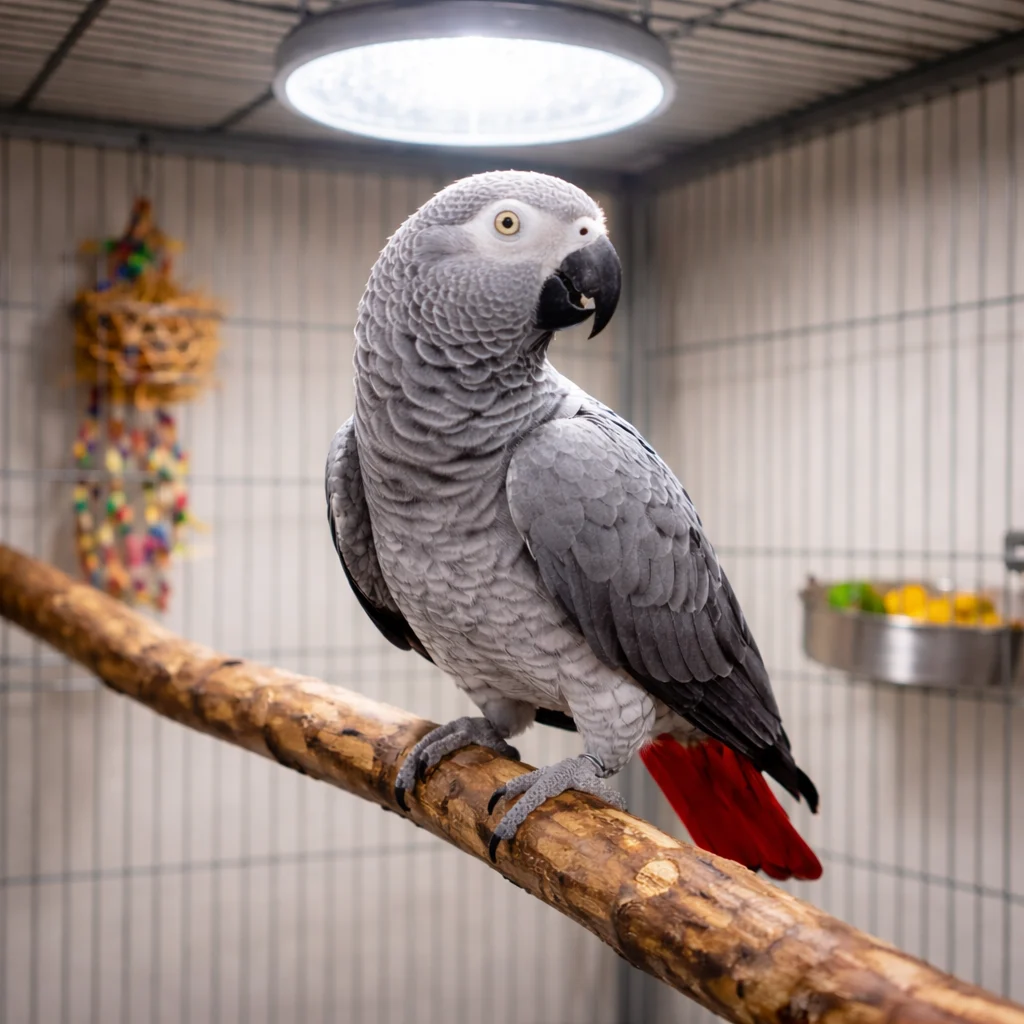
- Optimize UVB Lighting: Install a high-quality, avian-specific UVB lamp designed to mimic the sun’s beneficial rays. These lamps typically emit UVB in the 290-315 nm range, crucial for Vitamin D3 synthesis. The lamp should be placed within the manufacturer’s recommended distance (usually 6-12 inches) from the bird’s primary perch, without any glass or plastic barrier filtering the light. Aim for 10-12 hours of daily exposure. Regular replacement of UVB bulbs (every 6-12 months, depending on brand) is essential, as their UVB output diminishes over time even if they still produce visible light.
- Evaluate Dietary Vitamin D3 and Calcium: While UVB is paramount, a well-balanced diet is still critical. Ensure the bird’s primary diet consists of a high-quality, fortified pellet. If the bird is already showing signs of deficiency, a veterinarian may recommend a temporary, easily absorbed calcium supplement, often combined with Vitamin D3, to rapidly restore levels. However, caution is advised with oral D3 supplementation, as over-supplementation can lead to Vitamin D toxicity, which is also dangerous. This should ideally be done under veterinary guidance.
- Enhance Nutritional Support: Complement the core diet with calcium-rich vegetables (e.g., dark leafy greens like kale, spinach, broccoli), mineral blocks, or cuttlebones. While these won’t solve a D3 deficiency, they provide the necessary calcium once D3 levels are adequate. Ensure the diet also includes magnesium, which works synergistically with calcium and Vitamin D3 for proper bone health and nerve function.
Preventative Measures: Ensuring Year-Round Avian Wellness

The best approach to winter-related calcium deficiency is prevention. Pet bird owners should establish a year-round husbandry routine that prioritizes adequate lighting and nutrition.
- Consistent UVB Exposure: Maintain a consistent schedule for UVB lighting throughout the year, regardless of the season. Even during summer, indoor birds typically do not receive enough unfiltered sunlight.
- Balanced Diet: Adhere to a veterinarian-approved diet plan, primarily consisting of high-quality pellets, supplemented with a variety of fresh vegetables, some fruits, and occasional healthy seeds.
- Regular Veterinary Check-ups: Annual or semi-annual check-ups allow avian veterinarians to assess the bird’s overall health, including bone density and nutritional status, and to catch potential issues before they become severe. Blood tests can measure circulating Vitamin D3 and calcium levels, providing objective data.
- Environmental Enrichment: A stimulating environment encourages activity, which supports bone density and muscle strength. Provide various perches of different textures and diameters, foraging opportunities, and safe toys.
Broader Implications: The Responsibility of Pet Bird Ownership
The issue of winter-induced calcium deficiency extends beyond individual bird health; it highlights the broader responsibilities inherent in pet bird ownership. As domestic animals, captive birds rely entirely on their human caregivers to replicate, as closely as possible, the essential environmental conditions they would experience in the wild. Failure to provide adequate UVB light and a balanced diet constitutes a significant welfare concern, leading to preventable suffering and potentially shortening a bird’s lifespan.
The economic implications can also be substantial. Addressing severe calcium deficiency often involves emergency veterinary visits, diagnostic tests (X-rays, blood panels), and long-term supportive care, which can be costly. Investing proactively in appropriate UVB lighting and a quality diet is not only an ethical imperative but also a financially prudent decision in the long run.
Ultimately, ensuring a bird’s stable health throughout the winter, and indeed year-round, depends on a vigilant and informed owner. Recognizing that a bird getting weaker in winter is "not normal or safe" is the first step toward proactive care. By understanding the intricate relationship between light, Vitamin D3, and calcium, and by implementing appropriate husbandry practices, bird owners can protect their avian companions from the hidden dangers of winter and ensure they thrive year-round.
Key Takeaways:
- Winter significantly reduces natural UVB light for indoor birds, impacting Vitamin D3 synthesis.
- Without Vitamin D3, dietary calcium cannot be absorbed, leading to deficiency despite a good diet.
- Early signs include weaker perch grip, dull feathers, irritability, and reduced activity.
- Pellets alone are insufficient if Vitamin D3 is lacking; a proper UVB light is essential.
- Severe symptoms like tremors or seizures are emergencies requiring immediate veterinary attention.
- A "Winter Bone Reset" involves optimizing UVB light, evaluating diet, and providing targeted supplementation under veterinary guidance.
Other Helpful Resources:
- Do Birds Need UVB Light Indoors? (A comprehensive guide to avian lighting needs.)
- Signs of Low Calcium in Parrots (Further details on specific symptoms and their impact.)
References:
- Arca, L., & Phalen, D. N. (2002). The importance of ultraviolet B light to captive birds. Journal of Avian Medicine and Surgery, 16(2), 107-113.
- Stanford, M. (2007). Common nutritional disorders of psittacine birds. Veterinary Clinics of North America: Exotic Animal Practice, 10(1), 163-176.
- Light, N. D., & Raftery, A. (2003). Photoperiodism and light sources for captive birds. Seminars in Avian and Exotic Pet Medicine, 12(3), 161-167.
- O’Malley, B. (2005). Clinical Anatomy and Physiology of Exotic Species: Structure and Function of Mammals, Birds, Reptiles, and Amphibians. Elsevier Saunders.
Diane Burroughs, LCSW – a licensed psychotherapist and avian wellness educator, brings decades of behavior and nutrition experience to her work. She empowers bird owners by elucidating the complex physiological processes occurring within their birds and guiding them toward actionable solutions for optimal health.
