


A groundbreaking scientific study has cast a stark spotlight on the unintended consequences of wildlife rescue and release programs, revealing that returning animals to their natural habitats does not always guarantee a successful reintegration. In a significant number of cases, animals that have spent time in captivity face perilous risks upon their return to the wild, transforming what should be a sanctuary into what researchers describe as a "death trap." These sobering findings, published in the esteemed journal Global Ecology and Conservation, challenge long-held assumptions about the efficacy of such conservation efforts and call for a more nuanced, species-specific approach to rewilding.
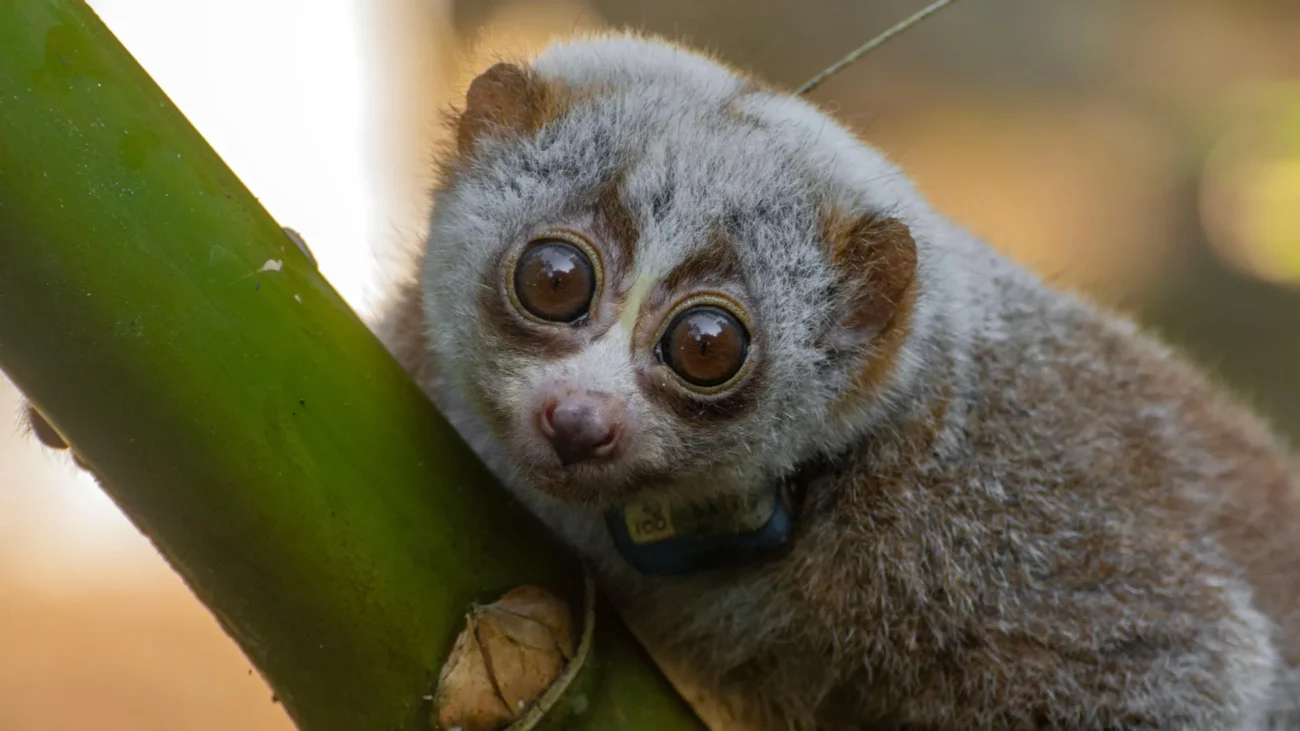
The research, a collaborative effort spearheaded by primatologist Professor Anna Nekaris OBE of Anglia Ruskin University, alongside international partners from the conservation group Plumploris e.V. and the University of Western Australia, meticulously examined the fate of Bengal slow lorises (Nycticebus bengalensis) after their release into a national park in northeastern Bangladesh. This particular species, known for its large, endearing eyes and seemingly docile demeanor, has become a tragic poster child for the devastating impact of the illegal wildlife trade. Their unique physical traits, which evoke a sense of cuteness, have tragically fueled demand in the exotic pet market, pushing them to the brink of extinction.
The Plight of the Slow Loris: A Victim of Its Charm
The Bengal slow loris, along with all other slow loris species, is categorized by the International Union for Conservation of Nature (IUCN) as either Critically Endangered, Endangered, or Vulnerable. This precarious status underscores their urgent need for conservation. Rescue and release programs have become a common, albeit often well-intentioned, tool in the conservationist’s arsenal, aiming to bolster dwindling wild populations by reintroducing confiscated or rescued individuals. However, this new research suggests that the inherent complexities of their ecology and social structures, coupled with the detrimental effects of captivity, can undermine these noble efforts.
The study’s methodology involved fitting nine Bengal slow lorises with miniature radio collars. These devices allowed researchers to meticulously track the animals’ movements and survival rates following their release into a designated national park in Bangladesh, an area previously utilized for other wildlife release initiatives. The choice of location was intended to provide a seemingly suitable environment, but the outcomes painted a grim picture, demonstrating that the assumption of a welcoming and safe wild was profoundly flawed.
A Grim Reckoning: Survival Rates and Fatal Encounters
The results of the tracking study were alarming and far from the hopeful narrative often associated with wildlife rehabilitation. Of the nine lorises released, a mere two managed to survive in the forest environment. The remaining seven succumbed to fatal circumstances within varying periods after their release. Three individuals died within a mere 10 days, indicating immediate and severe challenges in adapting to their new/old environment. Four more individuals perished within the subsequent six months.
Upon recovering four of the seven deceased animals, researchers made a critical and disturbing discovery: all bore clear evidence of having been killed by other slow lorises. The recovered bodies displayed significant bite wounds to the head, face, and digits, pointing unequivocally towards lethal territorial conflicts as the primary cause of death. This finding is particularly significant given the known behavioral traits of slow lorises.
Territoriality and Venom: A Deadly Combination
Slow lorises are not only highly territorial but also hold the unique distinction of being the only venomous primates in the world. They possess specialized glands in their elbows that secrete a toxin, which they mix with their saliva to deliver a potent, venomous bite. This evolutionary adaptation, while serving as a defense mechanism in the wild, can become a deadly weapon in the context of reintroduced, stressed, and territorial animals. The intense aggression observed in the recovered lorises suggests that the newcomers were perceived as intruders in established territories, leading to violent confrontations from which they could not recover.
The study also revealed a correlation between the duration of an animal’s time in captivity and its subsequent survival rate. Lorises that had spent longer periods in captivity tended to survive for significantly shorter durations after release. This observation suggests that prolonged confinement can exacerbate the challenges of re-adaptation, potentially leading to a diminished ability to forage, evade predators, and navigate complex social hierarchies. Furthermore, researchers noted behavioral anomalies in the released lorises; they exhibited increased movement and appeared more alert than their wild counterparts typically do. This heightened state of vigilance might indicate stress or a lack of familiarity with their surroundings, rather than a healthy adaptation to the wild.
The two surviving lorises displayed a pattern of movement that differed from those that died. They traveled across significantly larger geographical areas. This suggests that their survival may have been contingent on their ability to escape established territories and avoid direct confrontations with resident lorises. In essence, the successful individuals managed to find unclaimed or less contested areas, a feat that may not be possible for all released animals, especially in already densely populated habitats.
Re-evaluating the "Rescue and Release" Paradigm
The study’s authors emphasize that the current approach to wildlife rescue and release often overlooks the intricate ecological and behavioral needs of many species. While charismatic megafauna, such as big cats, often benefit from intensive post-release monitoring due to their public profile and the availability of resources, smaller and less conspicuous species, like slow lorises, frequently do not receive such thorough tracking. This lack of follow-up means that the true success rates of their release programs often remain unknown, potentially perpetuating flawed conservation practices.
Professor Nekaris articulated the central thesis of their research with a clear warning: "It’s assumed that returning confiscated or rescued animals to the wild is always a positive conservation story. Our research shows that for highly territorial species like slow lorises, releasing them into areas that are already densely populated can be a death trap." She further elaborated on the public perception versus ecological reality: "Many rescued endangered species are often released because the public expects it, but for animals such as the Bengal slow loris, this is not always the best course of action. Without fully understanding the animal’s behaviour, its time spent in captivity and the density of resident populations at the release site, reintroductions may do more harm than good."
Hassan Al-Razi, the lead author and team leader of Plumploris e.V. Bangladesh, echoed these concerns, highlighting the systemic issues within release practices in Bangladesh: "Rescue and release have become an increasingly common practice in Bangladesh. Many wild animals, including slow lorises, are rescued and subsequently released back into the wild. However, in many cases, these releases are conducted inappropriately. For forest-dwelling species, release sites are often selected based on logistical convenience rather than ecological suitability. As a result, certain forests have effectively become dumping grounds for rescued animals and are no longer appropriate release sites." Al-Razi’s statement points to a broader problem where expediency and public pressure may override scientific rigor in conservation efforts.
Towards More Effective Conservation Strategies
The implications of this study extend far beyond the Bengal slow loris. The researchers advocate for a fundamental shift in conservation strategies, emphasizing the critical need for careful planning and species-specific rehabilitation protocols. Key elements for improving the success rates of wildlife releases include:
- Rigorous Site Suitability Assessments: Thorough evaluations of potential release sites are paramount. This involves assessing habitat quality, resource availability, presence of natural threats, and, crucially, the density and social structure of resident populations.
- Individual Animal Condition Evaluation: Each animal’s physical and psychological health must be meticulously assessed. Factors such as age, health status, previous injuries, and the duration and quality of captivity experience are critical determinants of their ability to survive in the wild.
- Long-Term Monitoring: Implementing robust, long-term monitoring programs, even for smaller species, is essential to accurately gauge the success or failure of release initiatives and to adapt strategies accordingly. This may involve advanced tracking technologies, camera traps, and community-based monitoring efforts.
- Tailored Rehabilitation Guidelines: Developing species-specific rehabilitation programs that mimic natural behaviors and social interactions can significantly improve an animal’s readiness for release. This might include providing opportunities for foraging practice, social exposure to conspecifics (in controlled environments), and gradual acclimatization to natural stimuli.
- Understanding Interspecific Competition and Predation: For species like the slow loris, understanding the dynamics of territoriality and potential competition with existing populations is vital. Release into areas with lower population density or into carefully managed buffer zones might be more effective.
The study’s findings are particularly relevant in the context of the global illegal wildlife trade, which sees thousands of animals confiscated annually. While the intention behind returning these animals to the wild is commendable, the reality, as highlighted by this research, is that such actions can inadvertently lead to suffering and death. The "death trap" scenario described by the researchers underscores the urgent need for a more informed and scientifically grounded approach to wildlife rescue and rehabilitation. Without a comprehensive understanding of the ecological and behavioral complexities of each species, and without meticulous planning and follow-up, well-meaning conservation efforts may, paradoxically, contribute to the very decline they aim to prevent. The future of species like the Bengal slow loris hinges on a paradigm shift from simple rescue and release to intelligent, evidence-based rewilding strategies that prioritize the long-term survival and well-being of the animals.
