

As the global community observes World Water Day on March 22, 2026, the international focus has intensified on the critical state of the planet’s freshwater resources. This annual observance, established by the United Nations, serves as a poignant reminder of the escalating water crisis, characterized by shrinking aquifers, polluted waterways, and the reality that billions of people worldwide still lack consistent access to safe, clean drinking water. While public awareness campaigns traditionally emphasize domestic conservation—such as shortening showers and repairing household leaks—emerging environmental data suggests that the most significant impact on water security stems from industrial food production, specifically the animal agriculture sector.
The Global Water Crisis and the Significance of World Water Day
World Water Day was first proposed during the 1992 United Nations Conference on Environment and Development (UNCED) in Rio de Janeiro. The United Nations General Assembly responded by designating March 22, 1993, as the first World Water Day. Since then, the observance has grown into a global platform to advocate for the sustainable management of freshwater resources. The 2026 theme emphasizes the intersection of water security and food systems, highlighting the urgent need to re-evaluate how global dietary choices influence environmental stability.
Current statistics from UN-Water indicate that approximately 2.2 billion people live without access to safely managed drinking water. Furthermore, climate change is exacerbating water scarcity through unpredictable weather patterns and prolonged droughts. In this context, researchers and environmental advocates are increasingly pointing to the "virtual water" footprint of consumer goods—the total volume of freshwater used to produce a product—as a primary metric for sustainability.
Animal Agriculture: The Primary Driver of Freshwater Consumption
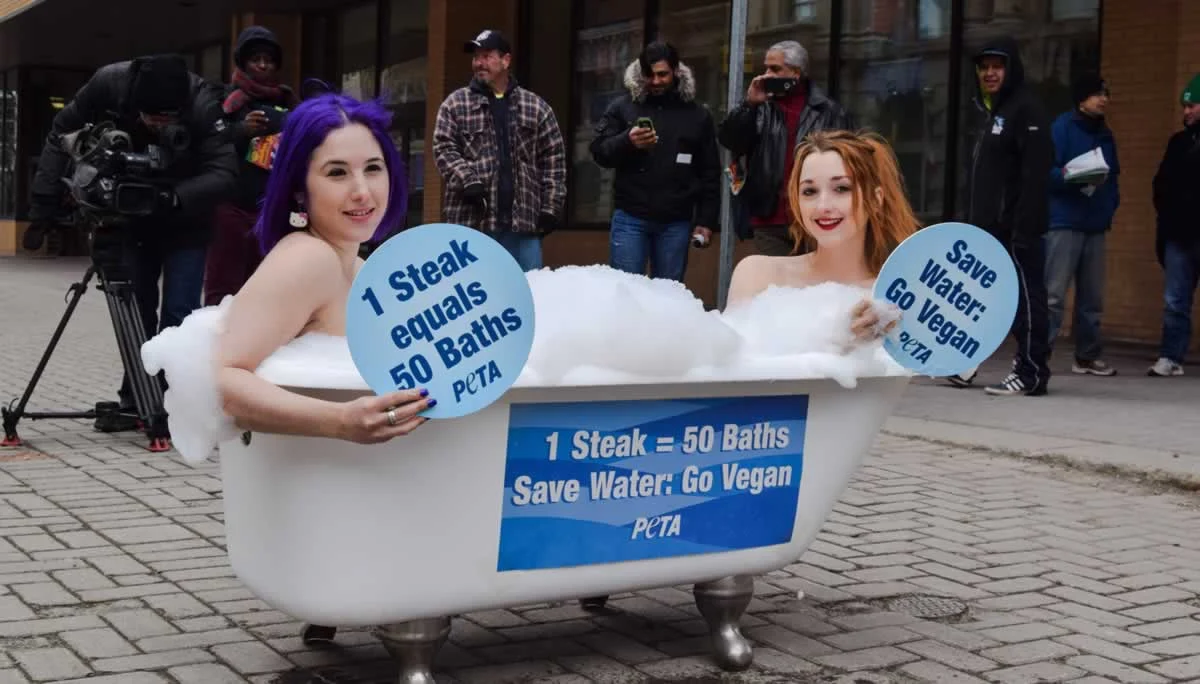
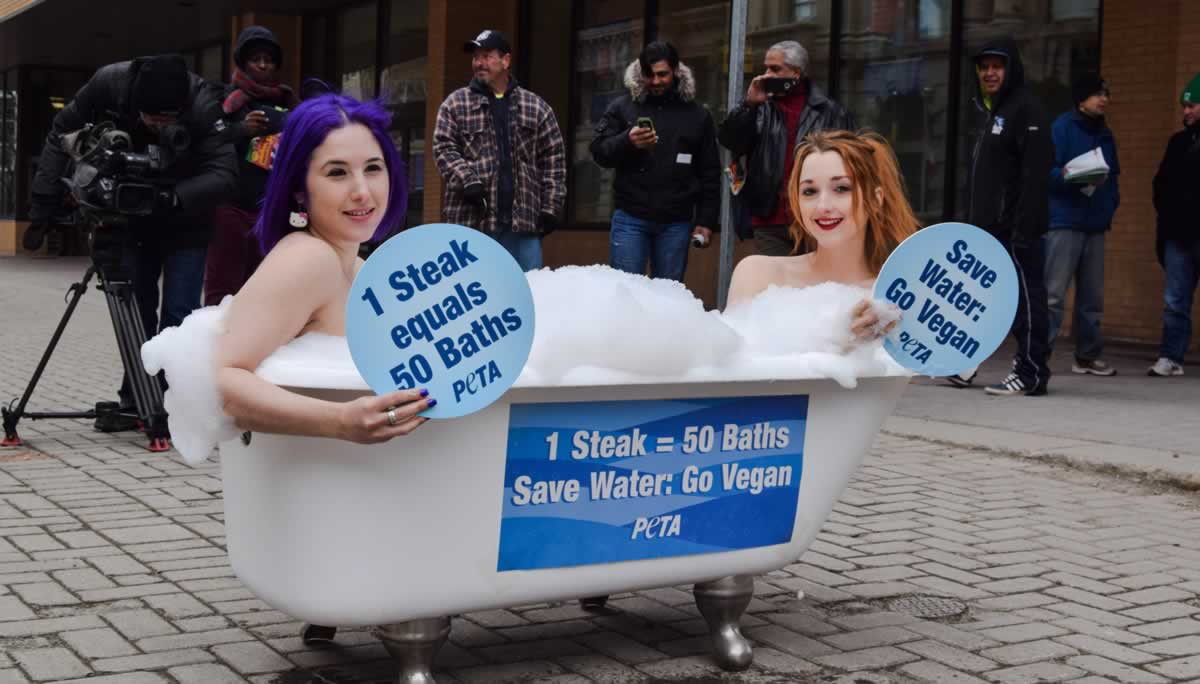
The production of meat, dairy, and eggs is one of the most water-intensive industries on the planet. In the United States, animal agriculture is estimated to consume approximately 55 percent of the total freshwater supply. This consumption is not merely the water consumed directly by livestock but includes the massive quantities required for irrigation of feed crops, such as corn and soy, and the water used in the maintenance and sanitation of industrial farming facilities and slaughterhouses.
The discrepancy between the water requirements of animal-based proteins and plant-based alternatives is stark. For example, producing one pound of beef typically requires approximately 1,800 to 2,500 gallons of water, depending on the production method and region. In contrast, one pound of wheat can be produced using roughly 25 gallons of water. Similarly, comparative studies have shown that plant-based meat substitutes, such as veggie burgers, require over 75 percent less water than their traditional beef counterparts.
Statistical Comparison of Water Requirements by Food Type:
- Beef: ~1,847 gallons per pound
- Pork: ~718 gallons per pound
- Chicken: ~518 gallons per pound
- Soybeans: ~216 gallons per pound
- Wheat: ~132 gallons per pound
- Potatoes: ~34 gallons per pound
These figures illustrate that even the most water-intensive plant crops are significantly more efficient than the most "efficient" animal proteins. As global populations rise and water supplies dwindle, these efficiencies are becoming central to international food security policy.
The Chronology of Agricultural Impact on Water Systems
The industrialization of agriculture over the last century has fundamentally altered the global water cycle. Following the "Green Revolution" of the mid-20th century, the expansion of livestock production led to a massive increase in the demand for feed crops. This necessitated the large-scale diversion of river systems and the intensive pumping of groundwater from aquifers.
By the early 2000s, environmental scientists began documenting the "dead zones" in the Gulf of Mexico and other coastal regions, largely attributed to nitrogen and phosphorus runoff from industrial farms. These nutrients, originating from animal waste and the fertilizers used on feed crops, cause algal blooms that deplete oxygen in the water, killing aquatic life.
In 2015, the adoption of the United Nations Sustainable Development Goals (SDGs), specifically Goal 6 (Clean Water and Sanitation) and Goal 12 (Responsible Consumption and Production), marked a formal recognition that global consumption patterns must change to preserve hydraulic integrity. By 2026, the narrative has shifted from "using less water at home" to "changing what we put on our plates."
Ecological Consequences of Industrial Fishing and Aquaculture
Beyond terrestrial farming, the commercial fishing and aquaculture industries contribute significantly to the degradation of marine and freshwater ecosystems. Coastal fish farms, intended to meet the demand for seafood, often result in the release of concentrated waste, antibiotics, and parasites into sensitive marine habitats. This pollution disrupts local biodiversity and can lead to the collapse of wild fish populations.
Furthermore, the "bycatch" associated with commercial trawling removes essential species from the food web, further destabilizing the oceans’ ability to regulate themselves. The environmental cost of maintaining high-output seafood production includes the destruction of coral reefs and the depletion of oxygen in coastal waters, creating a secondary water crisis within our oceans.
Institutional Reactions and Policy Implications
Governments and non-governmental organizations (NGOs) are beginning to respond to the data linking diet to water scarcity. The Intergovernmental Panel on Climate Change (IPCC) has previously noted that a shift toward plant-heavy diets could significantly reduce the pressure on global water systems. In response to these findings, several European nations have updated their national dietary guidelines to emphasize plant-based proteins over red meat, citing both health and environmental sustainability.
Environmental advocacy groups, such as PETA and the Water Footprint Network, have called for greater transparency in food labeling, suggesting that products should disclose their water footprint to allow consumers to make informed choices. Institutional investors are also taking note; environmental, social, and governance (ESG) criteria are increasingly penalizing companies with high water risks in their supply chains, particularly those in the meat and dairy sectors.
The Path Forward: Individual and Collective Action
The transition toward a more water-secure future requires both systemic changes and individual dietary shifts. Environmental experts suggest that the single most effective action an individual can take to reduce their personal water footprint is to adopt a vegan or plant-forward diet. It is estimated that a person who transitions to a vegan diet can save approximately 219,000 gallons of water annually.
Broader Benefits of Dietary Shifts:
- Carbon Footprint Reduction: Animal agriculture is a leading source of methane and nitrous oxide, potent greenhouse gases. Transitioning to plant-based diets can significantly lower an individual’s total carbon emissions.
- Biodiversity Preservation: Reducing the demand for feed crops allows for the restoration of natural habitats and forests that would otherwise be cleared for grazing or monoculture farming.
- Public Health Improvements: Diets high in plant-based whole foods are associated with lower risks of heart disease, type 2 diabetes, and certain types of cancer.
As part of the 2026 World Water Day initiatives, various organizations have launched challenges, such as the "3-Week Vegan Challenge," to encourage the public to experience the practicalities and benefits of a plant-based lifestyle. These programs aim to demonstrate that sustainable living is accessible and that collective small changes can lead to substantial environmental recovery.
Conclusion and Future Outlook
As the world reflects on the importance of freshwater this March 22, the evidence points toward a necessary evolution in the global food system. The current trajectory of animal agriculture is increasingly viewed as incompatible with long-term water security. While fixing a leaky faucet remains a valid act of conservation, the true solution to the water crisis lies in addressing the industrial consumption patterns that dominate the global landscape.
The future of water security depends on the ability of governments, industries, and individuals to recognize the "hidden" water in their food. By prioritizing crops that require fewer resources and reducing reliance on water-intensive animal products, the global community can work toward a future where clean water is accessible to all, and the planet’s ecosystems are allowed to recover. The 2026 observance of World Water Day serves as a critical juncture for this realization, urging a shift from awareness to decisive, science-based action.
