


This June, Her Imperial Highness Princess Takamado embarked on a dual-purpose expedition across North and Central America, bridging the high-energy atmosphere of the 2026 FIFA World Cup with the serene, meticulous study of regional biodiversity. Her journey, which spanned the bustling urban centers of Monterrey, Mexico, and Dallas, USA, served as a poignant reminder of the parallel intensities found in both global sporting phenomena and the fragile, vital work of environmental conservation. As Honorary President of both the Japan Football Association and BirdLife International, the Princess utilized her presence at the world’s premier football tournament to highlight the critical necessity of habitat restoration and the dedicated efforts of those working on the front lines of ecology.
The Monterrey Expedition: Sierra Madre Biodiversity
The Princess’s itinerary began in Monterrey, Nuevo León, a region defined by its rugged topography and the Sierra Madre Oriental mountain range. While many international travelers might conflate this Mexican industrial hub with the famous Monterey in California, the ecological reality of the Nuevo León site is distinct. The Princess focused her observations on the Chipinque Ecological Park, a sprawling 1,791-hectare protected zone established in 1992.
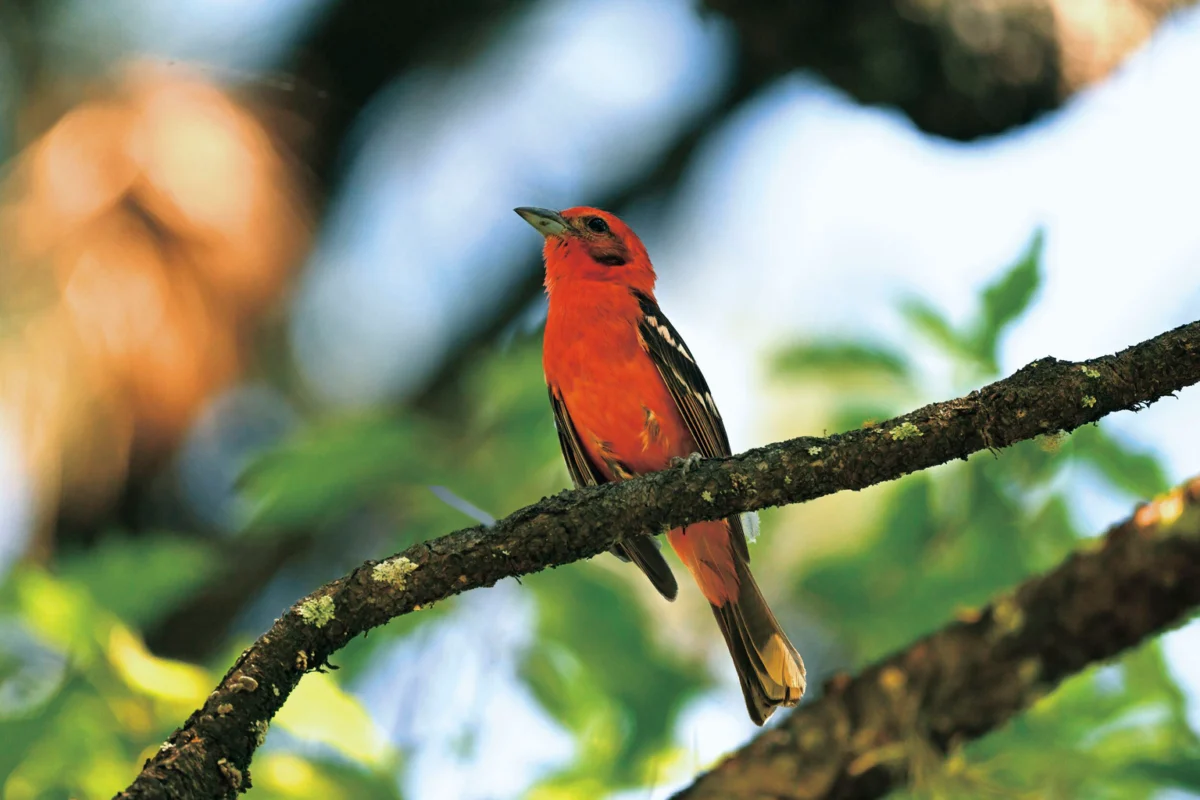
The park, which rises to elevations of approximately 2,200 meters, represents a vital refugium for diverse species. During her visit, the Princess noted the stark contrast between the city’s sweltering 39°C temperatures and the cooler, albeit intensely sun-drenched, climate of the higher altitudes. The biological significance of the area is underscored by its flora; local experts guided the Princess through the park’s extensive pine forests. Mexico is a global hotspot for Pinaceae diversity, home to nearly half of the world’s approximately 110 pine species. This botanical richness supports a complex web of insect life, which in turn sustains a vibrant avian population. The Princess captured notable images of the Flame-colored Tanager and the Dusky-capped Flycatcher, documenting their specific feeding behaviors in the face of local climatic stressors.

Dallas: Urban Reclamation and Ecological Restoration
The second leg of the journey transitioned to the United States, specifically the Trinity River Audubon Center in Dallas. The site offers a compelling case study in urban land reclamation. Once utilized as an illegal dumping ground, the 48-hectare property was transformed into a thriving ecosystem through the efforts of the National Audubon Society and local municipal cooperation.
Since its opening in 2008, the center has successfully restored critical habitats including lowland broadleaf forests, wetlands, and the rare Blackland Prairie. Situated just ten minutes from downtown Dallas, the center serves as a blueprint for how metropolitan areas can integrate nature into the urban fabric. Observations during the visit highlighted the presence of migratory and resident species, such as the Tricolored Heron and the American White Ibis. These birds utilize the site’s restored ponds and coastal-like habitats for breeding and foraging, demonstrating that even modest tracts of land, when properly managed, can significantly bolster urban biodiversity.
The Intersection of Sport and Stewardship
The dual nature of this trip—witnessing the FIFA World Cup while engaging with BirdLife International partners—was not incidental. The Princess drew a direct comparison between the fervent passion of football supporters and the quiet, persistent dedication of conservationists. For organizations like Pronatura in Mexico and the National Audubon Society in the USA, the challenges are significant: habitat loss, climate change, and the ongoing struggle for funding and public awareness.
From a journalistic perspective, the Princess’s role as a bridge between these two disparate worlds highlights the "soft power" of environmental advocacy. By lending her presence to field sites during a major global event, she underscores the idea that international cooperation—whether in sports or conservation—requires a shared commitment to common goals.

Supporting Data and Conservation Context
The organizations involved in the Princess’s tour represent a global network. BirdLife International, which acts as the umbrella organization, operates through a partnership of NGOs in over 120 countries. Their work is data-driven; they maintain the World Bird Database, which informs international policy on Important Bird and Biodiversity Areas (IBAs).
The success of sites like the Trinity River Audubon Center is backed by empirical evidence showing that urban green spaces mitigate "urban heat island" effects, improve local air quality, and provide essential stopovers for migratory birds. In Monterrey, the preservation of the Sierra Madre Oriental is critical for the survival of endemic species that are increasingly threatened by deforestation and agricultural expansion. The Princess’s focus on these specific locations serves as a high-profile endorsement of the "local-to-global" conservation model, where protecting regional hotspots is the only viable path to preventing global species decline.
Official Perspectives and Future Implications
While no official policy shifts were announced during the trip, the visit has drawn attention to the specific challenges faced by environmental NGOs in the North American corridor. Representatives from both Pronatura and the National Audubon Society have emphasized that the primary threat to their ongoing work is the fragmentation of corridors between protected areas.
The implications of this visit are two-fold. First, it brings visibility to the "hidden" work of conservationists who often labor in the shadow of major sporting events. Second, it encourages a shift in the narrative regarding urban development. As cities continue to expand, the Dallas model of converting waste sites into ecological centers provides a replicable strategy for city planners worldwide.

A Chronology of the 2026 Engagement
- Early June 2026: Arrival in Monterrey, Mexico. Initial briefings with Pronatura representatives regarding the ecological status of the Sierra Madre Oriental mountain range.
- Mid-June 2026: Field excursion to Chipinque Ecological Park. Photographic documentation of regional avian species and butterfly migration patterns.
- Late June 2026: Transit to Dallas, Texas. Visit to the Trinity River Audubon Center. Participation in roundtable discussions concerning the restoration of Blackland Prairie ecosystems.
- Post-Visit: Coordination with BirdLife International to document observations for the October 2026 issue of Fujingahou, providing a platform for broader public engagement with the findings.
Conclusion: The Lasting Impact
The Princess’s journey concludes with a reflection on the universal language of passion. Whether it is the pursuit of a goal on a football pitch or the tracking of a rare species through a dense canopy, the dedication remains the same. By documenting the beauty of the avian world in regions hosting the FIFA World Cup, the Princess has effectively reminded a global audience that the health of our planet’s ecosystems is the ultimate "game" in which all of humanity is a stakeholder. The photographs and observations gathered during this trip will serve as a permanent record of the resilience of nature in the face of human encroachment, and as a testament to the power of structured, science-based conservation.

