


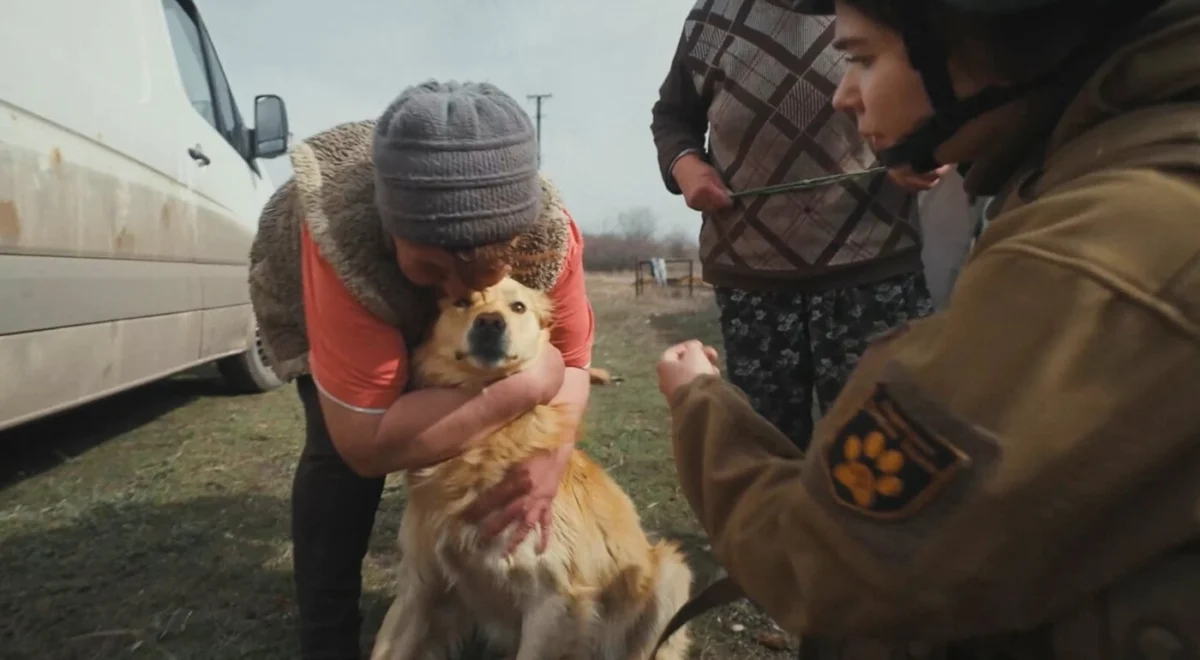
The ongoing conflict in Ukraine has created one of the most severe humanitarian and displacement crises of the twenty-first century, impacting not only millions of human citizens but also countless domestic, farm, and stray animals left behind in the chaos of active combat zones. While international headlines frequently focus on military strategies, geopolitical summits, and civilian evacuations, a quieter, equally perilous mission unfolds daily along the contested frontlines. Specialized teams of animal rights advocates, local volunteers, and international relief workers regularly head toward the sound of artillery, navigating mined roads and hostile airspace to rescue stranded creatures. Central to this frontline rescue network is Animal Rescue Kharkiv (ARK), an organization operating in tandem with the PETA Global Compassion Fund to supply critical medical care, food, and evacuation services to animals that would otherwise face almost certain death.
These high-risk operations are the subject of a powerful new documentary titled RESCUE, which chronicles the gritty, heart-wrenching, and ultimately hopeful realities faced by those who refuse to abandon vulnerable animals to the ravages of war. The film, which highlights the tireless efforts of frontline rescuers, is scheduled for a high-profile screening on October 15, 2026, at the Regal LA Live in Los Angeles as part of the DOC LA Film Festival. Through immersive footage and raw interviews, the documentary exposes audiences to a side of the war in Ukraine that rarely makes evening broadcasts: the systematic rescue of dogs, cats, goats, and other species from shelled-out villages where overhead drones and active artillery fire dictate the rhythm of daily survival.
Main Facts and Frontline Realities
The partnership between the PETA Global Compassion Fund and Animal Rescue Kharkiv has formed a vital safety net for Ukrainian animals since the escalation of the conflict. Funded entirely by philanthropic donations, the Global Compassion Fund provides the financial backbone necessary to maintain specialized vehicles, fuel supplies, emergency animal shelters, and fully functioning veterinary clinics capable of treating severe trauma, shrapnel wounds, and malnourishment.
Animal Rescue Kharkiv has successfully evacuated and rehabilitated tens of thousands of animals since the war began. The organization operates under extreme duress, deploying teams into recently shelled zones where infrastructure has collapsed, electricity is nonexistent, and unexploded ordinance litters agricultural fields and residential streets. Among the key figures highlighted in RESCUE are frontline volunteers Ruslan Horbal and Simone Eisenbeiss, whose day-to-day operations involve driving armored or reinforced transport vehicles directly into contested territory.
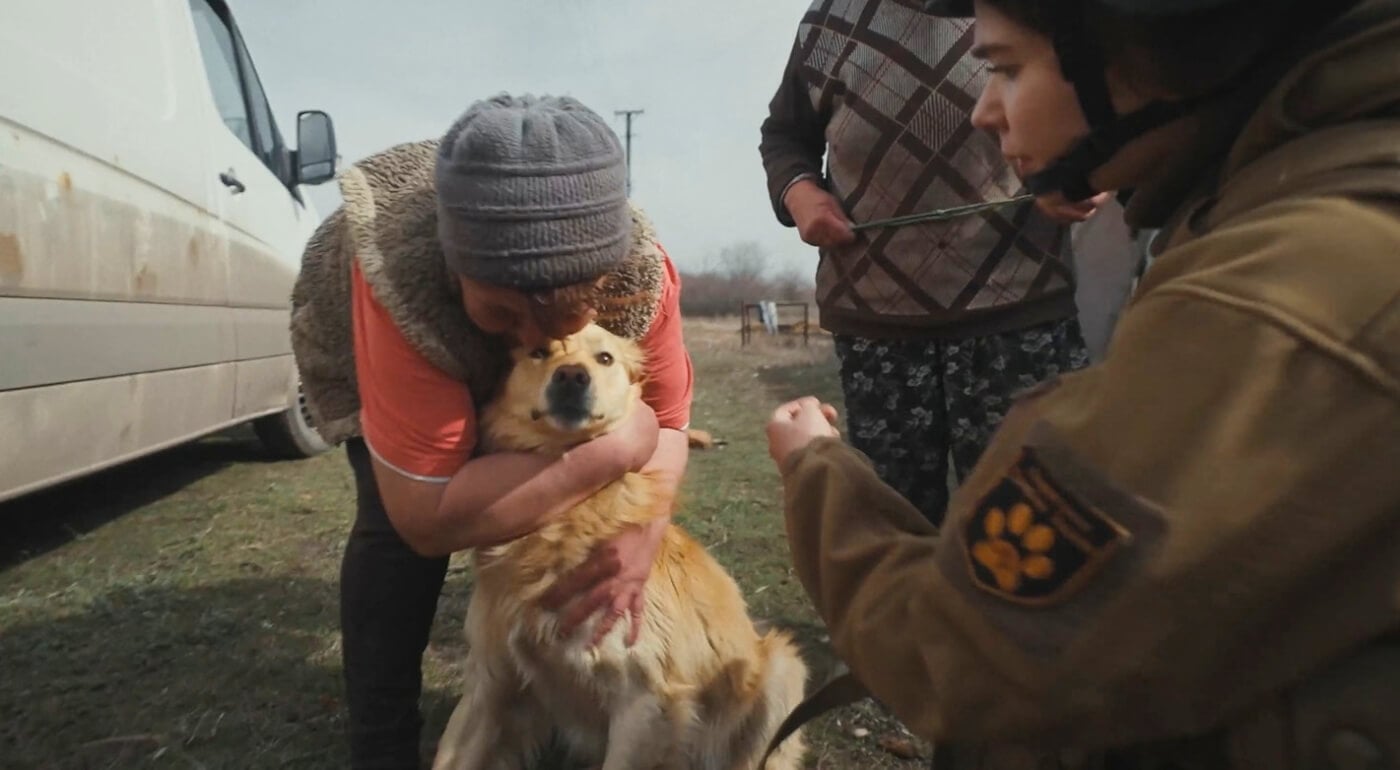
In one of the documentary’s most striking sequences, Horbal and Eisenbeiss travel to the heavily devastated village of Shyikivka. Amid the distant echoing of artillery explosions, the team works methodically to coax and capture frightened dogs and farm animals, loading them securely into their transport vehicles. For Eisenbeiss, the motivation stems from a fundamental belief in the transformative power of empathy in bleak environments. As she notes in the film, bringing kindness to animals trapped in a war zone creates an immediate bond, noting that once they sense safety, the animals willingly follow their rescuers. Horbal echoes this sentiment, emphasizing that the perilous work is not a forced obligation, but a deliberate, personal choice driven by a moral imperative to protect the helpless.
Chronology and Historical Context of Animal Displacement in Ukraine
The crisis of abandoned animals in Ukraine began to escalate dramatically in February 2022, following the full-scale invasion. As millions of Ukrainian citizens fled western regions, major cities, and frontline oblasts such as Kharkiv, Donetsk, Luhansk, and Kherson, logistical constraints, emergency evacuation protocols, and sudden bombardments forced many families to make the agonizing decision to leave their pets behind. Shelters in major urban centers were quickly overwhelmed, while rural farms found themselves abandoned, leaving livestock without feed, water, or shelter.
During the initial months of the conflict, ad-hoc rescue networks emerged organically, relying heavily on social media coordination, private donations, and grassroots bravery. By mid-2022 and into 2023, international animal welfare organizations began formalizing their support. The establishment and scaling of the PETA Global Compassion Fund allowed these chaotic, localized efforts to transform into structured, professional relief operations. Veterinary clinics were established in safer rear areas to handle the massive influx of wounded animals, while mobile response units were outfitted with specialized crates, medical kits, and protective gear for volunteers.
By 2024 and 2025, as the conflict settled into a grinding war of attrition marked by heavy drone warfare and constant aerial bombardment, the nature of animal rescue grew even more hazardous. Frontline villages were routinely reduced to rubble, and the remaining animal population shifted from well-socialized pets to feral packs, abandoned livestock, and traumatized creatures surviving on scraps. The entry of international campaigners, such as former PETA Germany activist Petya Petrova, added further momentum to the relief efforts. Petrova and her colleagues established regular supply lines into high-risk areas, delivering tons of dry food, medical supplies, and provisions to stray cats and dogs surviving in ghost towns near the contact line.
Supporting Data and the Scope of the Crisis
Quantifying the scale of animal suffering in modern warfare remains an immense challenge, but animal welfare agencies have documented staggering figures since 2022. According to aggregated reports from Ukrainian rescue coalitions and international partners, well over 100,000 domestic and farm animals have been rescued, treated, or evacuated from active combat zones across Ukraine over the past several years.
Financial audits and impact reports associated with the PETA Global Compassion Fund indicate that millions of dollars have been channeled directly into Eastern European relief initiatives. These funds have been allocated toward:

- The procurement and maintenance of emergency rescue vehicles equipped to navigate rough terrain and damaged roads.
- The construction, expansion, and operation of regional veterinary clinics capable of performing complex orthopedic and soft-tissue surgeries on trauma victims.
- The purchase of metric tons of specialized animal feed, distributed to frontline shelters, foster networks, and caretaker volunteers who refuse to evacuate.
- The provision of personal protective equipment, satellite communication devices, and safety training for local volunteers operating under the threat of shelling and drone surveillance.
Despite these ongoing interventions, the need remains acute. Supply chains are constantly disrupted by renewed missile strikes, and the psychological toll on both the animals and the human rescuers continues to mount. Animals rescued from active war zones frequently exhibit severe symptoms of post-traumatic stress disorder, including extreme skittishness, fear of loud noises, refusal to eat, and self-harm behaviors, requiring weeks or months of specialized behavioral and medical rehabilitation.
Official Responses and Humanitarian Implications
The intersection of animal welfare and human humanitarian crises has increasingly drawn the attention of international observers, sociologists, and policymakers. While traditional humanitarian law primarily focuses on the protection of civilian human populations during armed conflict, advocates argue that the psychological and physical well-being of animals is deeply intertwined with the recovery and resilience of human communities.
In official statements accompanying the release of RESCUE, human rights and animal welfare advocates emphasize that caring for animals in war zones is a vital expression of human dignity. When civilians are forced to flee, knowing that local rescue networks are actively searching for and protecting their pets provides a psychological lifeline. Furthermore, the presence of resilient rescue teams underscores the endurance of civil society in regions fractured by violence.
Psychologists and conflict analysts note that acts of compassion during wartime serve as a crucial counterweight to the systemic dehumanization inherent in armed conflict. By risking their lives to save creatures that have no geopolitical stake in the war, volunteers like Horbal, Eisenbeiss, and Petrova demonstrate a universal commitment to the preservation of life. This philosophy forms the cornerstone of the PETA Global Compassion Fund’s mission statement, which asserts that moral duty extends to all sentient beings, particularly those caught in circumstances entirely beyond their control.
Broader Impact and Implications for Future Conflict Zones
The operational framework developed in Ukraine by groups like Animal Rescue Kharkiv and international partners is rapidly becoming a case study for emergency animal rescue in modern warfare and natural disasters. As urban combat and technological warfare—such as widespread drone surveillance and precision shelling—continue to evolve, traditional relief models must adapt.
The integration of local knowledge with international philanthropic funding has proven to be the most effective mechanism for navigating high-risk environments. Local rescuers possess an intimate understanding of regional geography, language, and community networks, allowing them to locate stranded animals swiftly. Meanwhile, international funds provide the logistical scale, medical supplies, and institutional backing necessary to sustain operations over extended periods.
As RESCUE prepares for its Los Angeles premiere at the DOC LA Film Festival on October 15, 2026, producers hope the film will broaden public awareness and inspire sustained philanthropic engagement. The screening at Regal LA Live offers audiences a direct window into the realities of frontline animal rescue, bridging the vast geographical divide between southern California and the embattled plains of Eastern Europe.
Event Details for the Los Angeles Screening:
- Date: Thursday, October 15, 2026
- Time: 7:45 p.m. – 9:30 p.m. PST
- Venue: Regal LA Live
- Address: 1000 W. Olympic Blvd., Los Angeles, CA 90015
- Ticket Information: Available to the public for $15 through festival ticketing platforms.
Ultimately, the ongoing narrative of animal rescue in Ukraine is one of stubborn, unyielding hope. While geopolitical negotiations stall and conflicts persist, the daily work of feeding, treating, and evacuating war-torn animals continues unabated. Through the generosity of donors supporting the Global Compassion Fund and the physical courage of field operatives on the ground, thousands of animals are being granted a second chance at life, serving as a testament to human empathy in the darkest of circumstances.

