


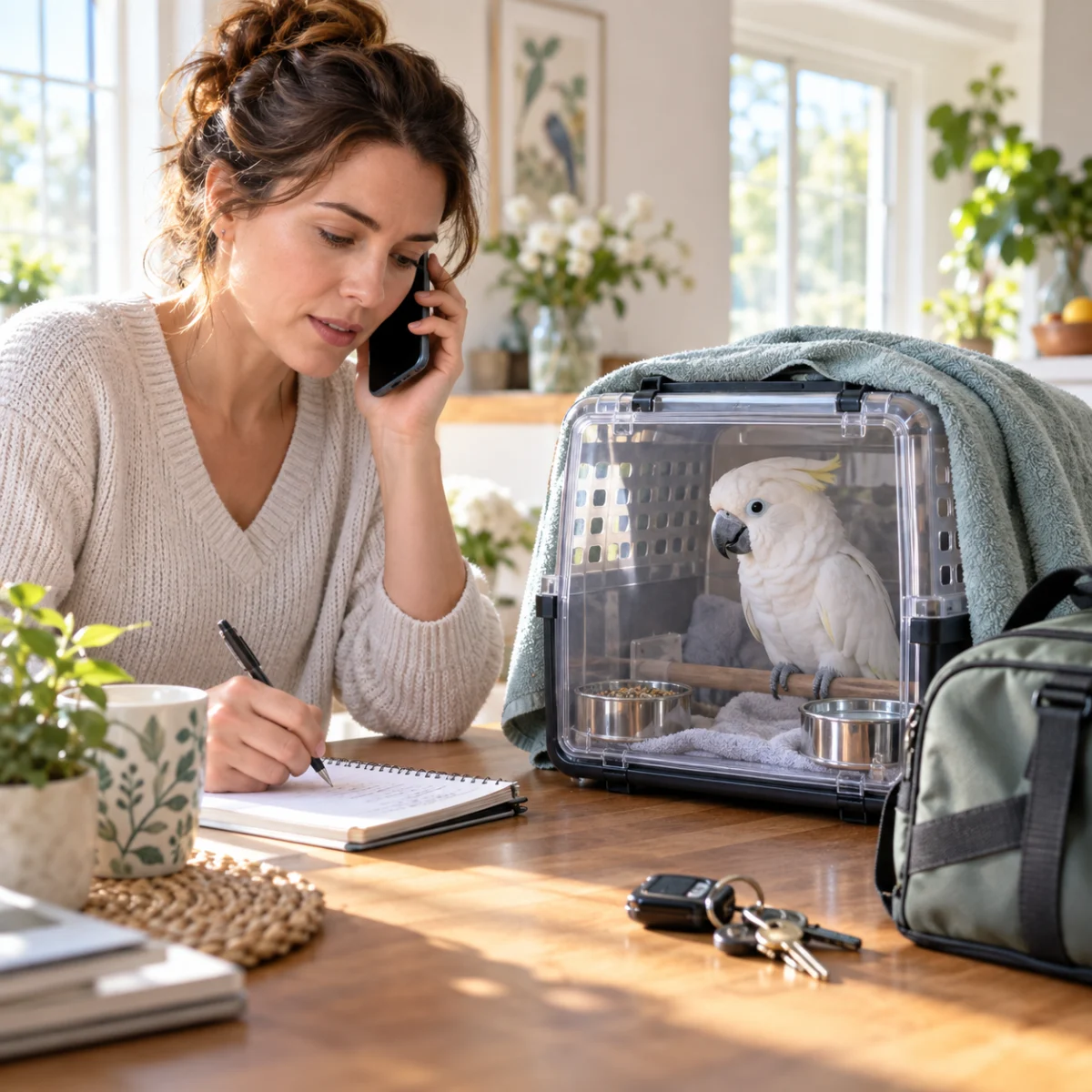
For many of the estimated 20 million households in the United States that keep birds as companion animals, the lack of accessible, specialized veterinary care represents a critical public health gap. While feline and canine emergency clinics are ubiquitous in most suburban and urban environments, the availability of avian-trained veterinarians is significantly more limited. When a medical crisis occurs—often signaled by subtle changes in behavior that owners may initially overlook—the inability to secure immediate professional intervention can lead to rapid deterioration in a patient’s condition.
The urgency of this situation is underscored by the unique physiology of avian species. Unlike mammals, birds possess highly efficient respiratory systems that are exceptionally sensitive to toxins and stress. Because they are prey animals, birds are evolutionarily predisposed to mask symptoms of illness until a condition has reached an advanced, often critical, stage. Consequently, when a bird begins to display visible signs of distress, the window for effective intervention is often measured in hours rather than days.
The Anatomy of an Avian Medical Emergency
Clinical data suggests that the most frequent emergencies involving psittacine and other companion birds include respiratory distress, metabolic collapse, egg binding, trauma from household accidents, and accidental ingestion of toxic substances. Statistics from the Association of Avian Veterinarians (AAV) indicate that owners often delay care due to the false assumption that a regular canine/feline clinic cannot assist. This delay is frequently fatal.
Emergency medicine for birds requires specialized equipment, such as smaller-gauge intravenous catheters, specialized anesthesia monitoring for tiny heart rates, and oxygen chambers designed for high-humidity, high-oxygen support. Because these resources are not standard in general practice clinics, the medical community emphasizes the importance of a pre-planned emergency protocol.
Establishing a Pre-Crisis Protocol
The most effective strategy for managing an avian emergency is the establishment of a "Veterinary Access Chain" long before a crisis occurs. This protocol begins with the primary avian veterinarian. Even in scenarios where a clinic is closed, their automated systems often hold the key to the next step. Veterinary practices typically have internal referral networks; if a clinic is unavailable, they often maintain partnerships with specific 24-hour emergency hospitals that have at least one staff member with a documented interest or specialized training in exotics.
If your primary veterinarian is unavailable, the search strategy should move systematically through three tiers:
- Direct Referral: Call the primary office. If the facility is closed, listen to the full duration of the outgoing message. Frequently, the recording will provide a direct contact for an after-hours triage service or a partnering emergency facility.
- The Exotics Tier: Search for "exotics" rather than "avian" specifically. Many clinics that market themselves as "Exotics Hospitals" employ veterinarians who have completed residencies in avian, reptile, and small mammal medicine.
- Teaching Hospitals: Veterinary colleges are the gold standard for emergencies. They are typically staffed 24/7 with specialists, including board-certified avian veterinarians. While travel times may be significant, the diagnostic and treatment capabilities available at these facilities are unparalleled.
Strategic Communication During Triage
When contacting an unfamiliar clinic, the phrasing of the inquiry is critical to securing an appointment. Simply asking, "Do you have an avian vet?" often triggers a standardized "no" from a front-desk receptionist who is following a script.
A more effective, evidence-based approach involves a three-pronged inquiry:
- "Do you have a veterinarian on duty who is comfortable performing an initial examination and stabilization on a bird?"
- "If you cannot treat the bird, are you aware of a local facility that is currently accepting avian emergencies?"
- "What is your protocol for handling exotic species in a triage situation?"
By pivoting the conversation toward "stabilization," the owner clarifies that they are not necessarily asking for a specialist to perform complex surgery at 2:00 AM, but rather for a qualified professional to assess the bird’s vitals and provide life-saving supportive care—such as heat, hydration, and supplemental oxygen—until a specialist can be consulted.
Immediate Stabilization Techniques
While in transit or awaiting professional care, the primary goal is the reduction of metabolic demand. Because a sick bird is essentially using its limited energy stores to survive, any external stressor can cause a sudden, irreversible decline.
- Environmental Control: The bird should be placed in a "hospital cage." This is typically a smaller, draft-free enclosure that limits the bird’s ability to move around, thereby conserving energy.
- Thermal Regulation: Sick birds often struggle to maintain body temperature. A heat source, such as a localized heating pad or a heat lamp adjusted to a safe distance, can be life-saving. However, monitoring is essential to prevent hyperthermia.
- Containment: The use of a transport carrier is non-negotiable. Free-roaming birds in a vehicle during an emergency are at high risk of injury, particularly if the animal suffers a seizure or loses its balance.
- Minimal Interaction: Owners should avoid the urge to constantly handle or speak to the bird. Providing a quiet, dimly lit, and secure environment is the most effective way to manage the patient during the transport phase.
The Role of Veterinary Directories and Advocacy
The search for a capable veterinarian should be informed by verified databases. The Association of Avian Veterinarians (AAV) maintains a directory of members who have demonstrated a commitment to avian medicine. Similarly, the American Board of Veterinary Practitioners (ABVP) lists board-certified specialists who have undergone rigorous testing in the avian practice category.
Beyond these directories, the "local intelligence" network is often overlooked. Bird clubs, local avian rescues, and specialized exotic pet supply stores often maintain a list of veterinarians who have successfully treated local birds. These community-led resources are often more current than static online business listings.
Long-Term Implications for Avian Care
The scarcity of emergency avian care is a systemic issue within the veterinary profession. As the number of companion birds continues to rise, there is a growing push for "GP-plus" training—a model where general practice veterinarians receive enough training in avian medicine to handle standard emergencies. This would significantly reduce the reliance on highly specialized, geographically distant clinics.
For the bird owner, the takeaway is clear: the responsibility for emergency preparedness rests with the guardian. By maintaining a printed, physical checklist of potential emergency contacts, knowing the precise location of the nearest 24-hour facility, and understanding the physiological limits of their avian companions, owners can mitigate the risks associated with the current landscape of veterinary medicine.
The health of a bird is a dynamic state. When a bird stops eating, stops vocalizing, or shows a change in droppings, it is not a "wait and see" situation. It is an immediate call to action. Whether or not an avian specialist is available, the standard of care remains consistent: seek stabilization, reduce stress, and prioritize professional intervention over home-based remedies. As the field of veterinary science evolves, the integration of exotics training into standard emergency clinics will likely become a necessity, but for now, proactive preparation remains the most vital tool in the owner’s kit.

