


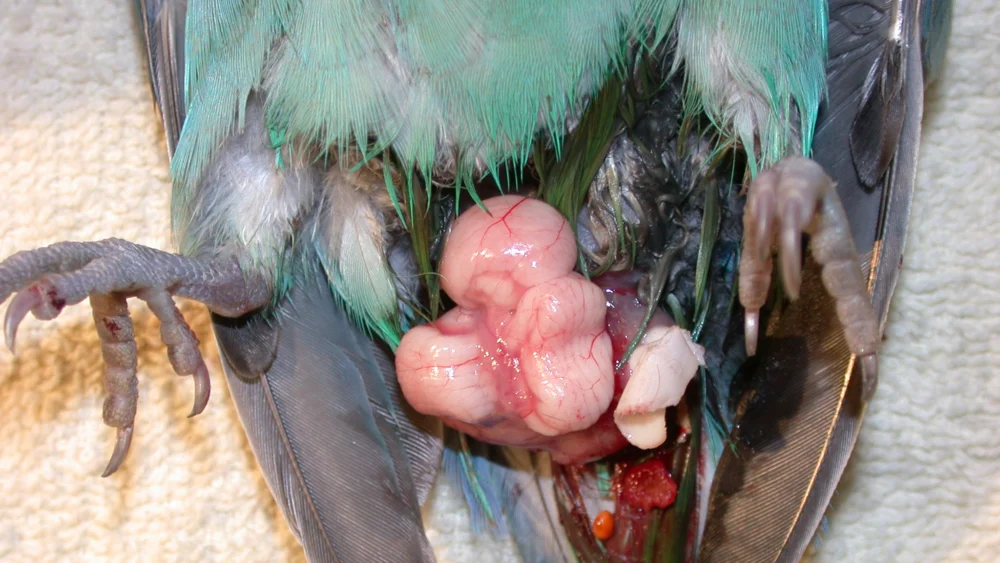
The veterinary medical community is preparing for a significant educational event scheduled for June 24, 2026, as LafeberVet hosts a comprehensive webinar titled Reproductive Disease in Female Psittacine Birds. Led by Dr. Don Harris, a renowned figure in avian medicine with over four decades of clinical experience, the session is designed to address the complex and often life-threatening reproductive pathologies encountered in captive parrots. The webinar, which commences at 2:00 pm EDT, aims to provide veterinary professionals with practical, field-tested strategies for managing dystocia and other reproductive emergencies, bridging the gap between theoretical knowledge and clinical application.
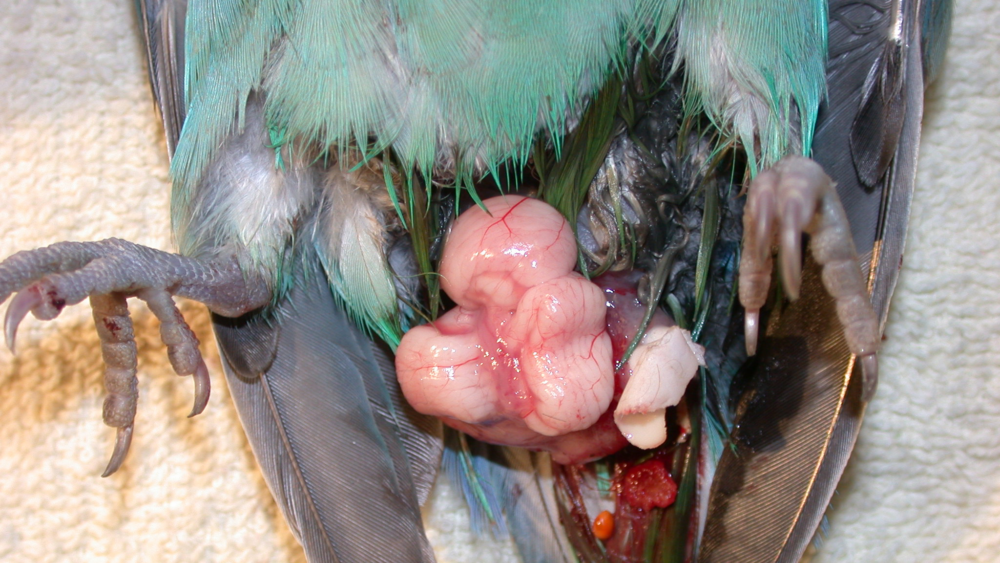
Reproductive disorders remain among the most common reasons for female psittacine birds to be presented to exotic animal clinics. While the spectrum of these diseases is broad, ranging from chronic egg laying to oviductal prolapse, the webinar will place a primary emphasis on dystocia, commonly known as egg binding. This condition occurs when an egg fails to pass through the oviduct at a normal rate, leading to metabolic exhaustion, pressure necrosis, and, if left untreated, the death of the patient. Dr. Harris, drawing on 45 years of specialized practice, intends to share refined methodologies that emphasize safety and efficacy in the resolution of these critical cases.
The Clinical Challenge of Avian Dystocia
In the realm of avian medicine, dystocia is considered a high-priority emergency. Unlike mammals, birds possess a highly specialized reproductive system that is heavily influenced by environmental cues, nutritional status, and hormonal fluctuations. Captive psittacines, such as cockatiels, budgerigars, and African greys, are particularly susceptible to reproductive dysfunction due to the artificial environments of domestic life, which often provide excessive calories and extended photoperiods that signal the body to remain in a constant state of reproductive readiness.
The causes of egg binding are multifactorial. Nutritional deficiencies, specifically hypocalcemia (low blood calcium), are a leading factor, as calcium is required both for the formation of the eggshell and for the muscular contractions of the oviduct. Other contributing factors include obesity, lack of exercise, oviductal infection, or the presence of abnormally large or malformed eggs. When a bird becomes egg-bound, it may exhibit signs of "fluffing," lethargy, straining, or a wide-based stance. Because birds naturally mask signs of illness until they are severely debilitated, the window for successful intervention is often narrow.
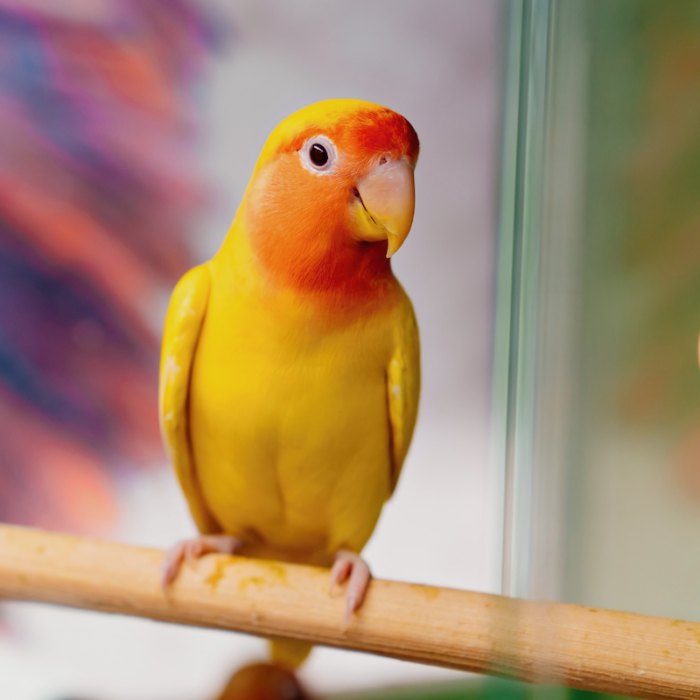
Dr. Harris’s approach to these cases is rooted in a philosophy of pragmatic intervention. During the webinar, he will detail his specific protocols for stabilizing the patient before attempting to resolve the obstruction. This often involves the administration of parenteral fluids, calcium gluconate, and thermal support. The presentation will contrast various techniques, from medical management using prostaglandins and oxytocin to manual delivery and surgical intervention, providing a nuanced look at when each method is most appropriate.
Profile of the Presenter: Dr. Don Harris
The selection of Dr. Don Harris as the lead presenter underscores the high caliber of expertise being brought to this educational initiative. Dr. Harris is a graduate of the Louisiana State University School of Veterinary Medicine and has spent the majority of his career at the forefront of exotic animal care. In 1996, he established the Avian & Exotic Animal Medical Center in Miami, which holds the distinction of being the first hospital in the region dedicated exclusively to non-traditional species.
Beyond his clinical practice, Dr. Harris has held several leadership positions within the global veterinary community. He is a Past-President of the South Florida Veterinary Medical Association, the Association of Avian Veterinarians (AAV), and the North American Veterinary Community (NAVC). His role as an organizer for the North American Veterinary Conference—the world’s largest gathering of veterinary professionals—highlights his commitment to large-scale medical education. Furthermore, his work as a consulting veterinarian for prestigious institutions such as the Georgia Aquarium Research Center, Miami MetroZoo (now Zoo Miami), and Jungle Island provides him with a unique perspective on the health management of rare and endangered avian species.
Chronology and Logistics of the Educational Session
The webinar is structured to accommodate a global audience of veterinary surgeons, technicians, and students. The timeline for the event and its associated resources is as follows:
- Registration Phase: Currently open, registration is facilitated through the Zoom platform. Participants receive a personalized access link and instructions upon signing up.
- Live Broadcast: June 24, 2026, at 2:00 pm EDT. The live session will include the primary presentation followed by a dedicated Q&A period.
- Interactive Q&A: During the broadcast, attendees can submit technical questions via the digital interface. Dr. Harris will address these in real-time, with any remaining queries answered via email and archived on the LafeberVet website.
- Post-Event Access: For those unable to attend the live session, a recorded version will be made available on the LafeberVet portal within several days of the broadcast.
- Documentation: A formal press release and instructional PDF are currently available for download, allowing clinics to share the event details with their staff.
To ensure a seamless viewing experience, the organizers recommend using updated versions of major web browsers such as Google Chrome, Mozilla Firefox, or Safari. The webinar is also accessible via mobile devices through the Zoom application, reflecting the modern veterinarian’s need for flexible, on-the-go learning opportunities.
Professional Accreditation and RACE Approval
One of the most significant aspects of this webinar is its accreditation. The program has been approved for 1.0 credit hour of continuing education (CE) by the American Association of Veterinary State Boards (AAVSB) Registry of Approved Continuing Education (RACE). This approval is critical for veterinarians and veterinary technicians who must fulfill annual CE requirements to maintain their professional licenses.
RACE-approved programs undergo rigorous vetting to ensure that the content is scientifically sound and free from commercial bias. By providing this credit, LafeberVet and Dr. Harris are supporting the ongoing professional development of the veterinary workforce, ensuring that practitioners remain updated on the latest standards of care for psittacine patients.
Broader Implications for Avian Conservation and Pet Care
The implications of improving veterinary knowledge regarding reproductive disease extend beyond the individual clinic. Psittacine birds are among the most popular exotic pets worldwide, yet they are also among the most frequently mismanaged in terms of reproductive health. By educating the veterinary community on the "Harris methods" and other advanced techniques, the mortality rate for these common yet complex conditions can be significantly reduced.
Furthermore, the insights gained from treating domestic parrots often have applications in the conservation of wild populations. As habitat loss and climate change impact the breeding cycles of wild psittacines, understanding the physiological triggers and pathological outcomes of reproductive stress becomes increasingly relevant to wildlife veterinarians and conservation biologists.
The webinar also serves as a reminder of the evolving nature of veterinary medicine. The shift toward specialized care for exotic species reflects a broader societal trend where birds are increasingly viewed as integral family members deserving of the same level of medical sophistication as dogs or cats. Dr. Harris’s 45-year career trajectory—from mixed animal practice to a world-renowned exotics specialist—embodies this evolution.

Conclusion and Future Outlook
As the date of the webinar approaches, the veterinary community anticipates a session that combines historical clinical wisdom with modern diagnostic and therapeutic tools. Reproductive Disease in Female Psittacine Birds represents more than just a lecture; it is a synthesis of decades of observation, trial, and success in a field that remains one of the most challenging areas of animal medicine.
For practitioners, the opportunity to learn directly from a pioneer like Dr. Don Harris offers a rare chance to refine their surgical and medical approaches to dystocia. For the patients—the thousands of female parrots that face reproductive crises each year—the dissemination of this knowledge represents a significant step forward in the quest for better health outcomes and a higher standard of avian welfare.
The event concludes a series of educational initiatives by LafeberVet aimed at enhancing the global standard of exotic animal care. By leveraging digital platforms to connect experts with practitioners, the organization continues to foster a community of learning that transcends geographical boundaries, ultimately benefiting the diverse array of species that fall under the care of the modern avian veterinarian.

