


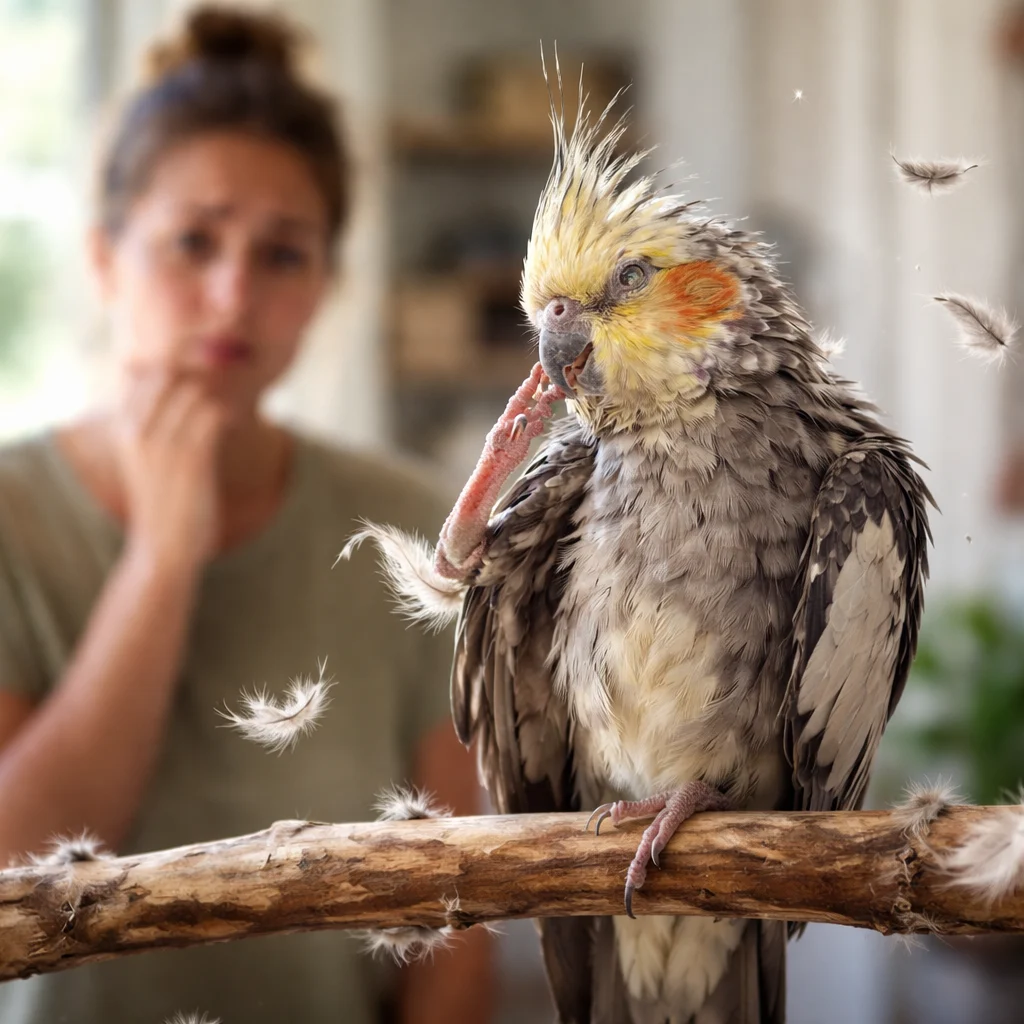
Avian feather health is a cornerstone of a bird’s overall well-being, essential for flight, thermoregulation, protection, and social signaling. Owners often observe changes in their bird’s plumage and behavior, leading to a critical question: is the bird undergoing a natural molting process or exhibiting signs of a more serious issue like feather plucking? Distinguishing between these two phenomena is paramount for providing appropriate care and preventing potential health complications. While molting is a physiological necessity, feather plucking is often a complex behavioral or medical problem demanding prompt and informed intervention.
The Avian Molt: A Biological Imperative for Feather Renewal
Molting is the natural process by which birds periodically shed old, worn, or damaged feathers and replace them with new ones. This cyclical regeneration is vital for maintaining optimal feather structure, ensuring efficient flight, insulation against environmental extremes, and protection from UV radiation and water. Feathers are non-living structures once fully grown, similar to human hair and nails, and thus cannot repair themselves. Consequently, regular replacement is essential for a bird’s survival and quality of life.
Physiology and Hormonal Regulation:
The molting process is primarily regulated by a complex interplay of hormones, notably thyroid hormones and sex hormones, which are themselves influenced by environmental cues such as photoperiod (daylight length), temperature, and food availability. For many species, molting is a seasonal event, often occurring after the breeding season when the energetic demands of reproduction have subsided. This timing allows the bird to allocate significant metabolic resources towards feather regrowth without the additional stress of raising young. Some species, particularly those in tropical regions or with continuous breeding cycles, may exhibit more continuous or less predictable molts. Juvenile birds undergo a ‘juvenile molt’ to replace their natal down with adult plumage, and some species have ‘nuptial molts’ to acquire breeding coloration.
The Stages of Feather Regrowth:
A normal molt follows a predictable pattern of feather loss and regrowth, often symmetrical across the bird’s body to maintain balance and flight capability. The process begins with the shedding of old feathers, which triggers the growth of new feathers from the same follicles. These emerging feathers are initially encased in a protective keratin sheath, appearing as stiff, spiky structures often referred to as "pin feathers" or "blood feathers." They are called blood feathers because, during their initial growth phase, they contain a blood supply within the shaft to nourish the developing feather. As the feather matures, the blood supply recedes, and the keratin sheath flakes off, revealing the fully formed feather. This process can be intensely itchy and uncomfortable for the bird, akin to human skin healing or a persistent itch.
Identifying a Normal Molt:
Owners can typically identify a normal molt by several key indicators:
- Symmetrical Feather Loss: Feathers are usually shed in an organized, symmetrical fashion. For instance, primary flight feathers will be lost from both wings simultaneously to preserve flight balance. Bald spots, if present, are often symmetrical, commonly observed under the wings, on the legs, or around the head (though head feathers are often preened by a mate or owner).
- Presence of Pin Feathers: Abundant pin feathers emerging through the skin are a definitive sign of regrowth. These may feel sharp or look like tiny quills.
- Healthy Skin: The underlying skin should appear healthy, free from redness, scabs, wounds, or inflammation.
- Normal Behavior (with some caveats): While a bird undergoing a heavy molt may be slightly more irritable, sleepy, or less active due to the energy demands and discomfort, its appetite, vocalizations, and general demeanor should remain largely consistent.
- Feather Quality: Shed feathers typically appear intact, though they may show signs of wear and tear.
Feather Plucking: A Complex Behavioral and Medical Enigma
In stark contrast to the natural process of molting, feather plucking is a pathological condition where a bird damages or removes its own feathers, and sometimes those of its cage mates, through excessive preening, chewing, or pulling. This behavior can range from mild feather damage to severe self-mutilation, leading to bare patches, skin lesions, and significant distress. Feather plucking is not a disease in itself but rather a symptom of an underlying problem, which can be medical, nutritional, environmental, or psychological.
Distinguishing Plucking from Molt:
Accurate diagnosis is crucial. Owners should look for:
- Asymmetrical Feather Loss: Plucking often results in irregular, asymmetrical bald patches, particularly in areas easily accessible to the bird’s beak, such as the chest, abdomen, inner thighs, and back. Feathers on the head and neck are typically spared unless the bird has a mate or owner who plucks them, or the bird rubs its head excessively.
- Ragged/Chewed Edges: Remaining feathers in affected areas often show signs of damage, such as chewed tips, frayed edges, or broken shafts, rather than clean, intact shedding.
- Absence of Pin Feathers in Bare Areas: If an area is bare due to plucking, there will often be a conspicuous absence of new pin feathers emerging, indicating that feathers are being removed before or as they grow.
- Skin Trauma: The most alarming sign of plucking is the presence of blood, scabs, open sores, redness, inflammation, or infection on the underlying skin. This indicates active self-harm and can lead to secondary bacterial or fungal infections.
- Behavioral Changes: Birds that pluck may exhibit obsessive preening, frantic scratching, increased irritability, aggression, vocalization changes (excessive screaming or silence), lethargy, or loss of appetite. They may also appear visibly distressed or anxious.
Root Causes of Feather Plucking:
The etiology of feather plucking is multifaceted and often involves a combination of factors. A thorough diagnostic workup by an avian veterinarian is usually required to pinpoint the cause.
-
Medical Conditions:
- Dermatitis and Parasites: Skin irritation from bacterial, fungal, or yeast infections, or external parasites like mites and lice, can cause intense itching, leading to plucking.
- Allergies: Environmental or food allergies can manifest as skin irritation and subsequent plucking.
- Systemic Diseases: Underlying organ diseases (e.g., liver disease, kidney disease), endocrine disorders (e.g., hypothyroidism), or viral infections (e.g., Psittacine Beak and Feather Disease – PBFD, Polyomavirus) can affect feather quality, cause discomfort, or lead to a general feeling of malaise that manifests as plucking.
- Heavy Metal Toxicity: Exposure to lead, zinc, or other heavy metals can cause a range of neurological and physiological symptoms, including feather plucking.
- Pain: Any source of chronic pain or discomfort can lead to a bird self-mutilating or plucking as a displacement behavior.
-
Nutritional Deficiencies:
- A diet primarily consisting of seeds, lacking essential nutrients, is a common culprit. Feathers are primarily made of keratin, a protein, requiring a robust supply of amino acids (e.g., methionine, lysine) for healthy growth.
- Deficiencies in Vitamin A (crucial for skin and epithelial health), Biotin (a B vitamin vital for feather development), and essential Omega fatty acids (e.g., Omega-3 and Omega-6, found in red palm oil or flaxseed) can lead to poor feather quality, dry skin, and chronic itching, predisposing a bird to pluck.
-
Environmental Factors:
- Low Humidity: Indoor environments, especially during winter with central heating, often have very low humidity, leading to dry, flaky skin and brittle feathers, which can be intensely itchy.
- Lack of Bathing Opportunities: Regular bathing or misting is crucial for softening feather sheaths, hydrating skin, and removing dander and debris.
- Inappropriate Lighting: An inconsistent or inadequate photoperiod can disrupt hormonal cycles, contributing to stress and poor feather health.
- Exposure to Irritants: Smoke (cigarette, cooking), chemical fumes (cleaning products, air fresheners), or even certain types of dusty bedding can irritate a bird’s respiratory system and skin, triggering plucking.
-
Behavioral/Psychological Factors:
- Stress and Anxiety: Birds are highly sensitive creatures. Changes in environment (new home, new pet, new person), lack of routine, perceived threats, or separation anxiety can induce severe stress, which often manifests as plucking.
- Boredom and Lack of Enrichment: Highly intelligent and social birds, especially parrots, require constant mental stimulation and physical activity. A lack of appropriate toys, foraging opportunities, social interaction, or sufficient cage space can lead to chronic boredom and frustration, with plucking becoming an outlet.
- Sexual Frustration: Unmet reproductive drives in sexually mature birds, particularly those housed individually, can lead to hormonal imbalances and plucking.
- Attention-Seeking Behavior: In some cases, birds learn that plucking elicits a strong reaction from their owners, inadvertently reinforcing the behavior.
- Sleep Deprivation: Not receiving enough uninterrupted sleep (typically 10-12 hours in a dark, quiet environment) can lead to chronic stress and behavioral issues.
Optimal Care During Molting: The "Smooth Molt" Routine
Even a normal molt can be uncomfortable. Owners can significantly alleviate a bird’s discomfort and support healthy feather regrowth through a focused care routine. This supportive approach is critical for the bird’s well-being and helps prevent the discomfort from escalating into problematic behaviors.
-
Nutritional Support:
- High-Quality Diet: A foundation of a balanced, high-quality pelleted diet supplemented with a wide variety of fresh fruits, vegetables, and sprouted seeds is paramount. Avoid seed-only diets.
- Protein Boost: Feathers are 85-90% protein. During a molt, a bird’s protein requirements increase significantly. Incorporate easily digestible protein sources like cooked eggs, cooked lean meat or fish (sparingly), cooked legumes (e.g., lentils, chickpeas), and quinoa.
- Vitamin and Mineral Supplementation: Specific supplements can be highly beneficial.
- Biotin (Vitamin B7): Crucial for keratin formation and overall feather strength.
- Vitamin A: Essential for healthy skin and mucous membranes.
- Omega Fatty Acids (Omega-3 and -6): Found in supplements like Red Palm Oil, flaxseed, or specific avian supplements. These contribute to skin hydration, reduce inflammation, and promote vibrant, glossy plumage.
- Amino Acids: Ensure the diet provides sufficient methionine and lysine, which are often deficient in grain-heavy diets. Products like "FeatherUp! + Biotin" are formulated to provide these specific nutrients.
-
Environmental Management:
- Humidity: Maintain optimal humidity levels, ideally between 50-70%. This is especially important for species native to tropical or subtropical regions. Use a room humidifier, place shallow water dishes near the cage, or mist the bird regularly.
- Bathing: Offer frequent opportunities for bathing. This could be a shallow dish of fresh water, a bird bath attachment, or gentle misting with a clean spray bottle. Bathing helps soften the keratin sheaths of pin feathers, making them easier to preen off, and alleviates skin dryness and itchiness.
- Consistent Light Cycle: Ensure the bird receives a consistent 10-12 hours of uninterrupted darkness for sleep, followed by 12-14 hours of natural or full-spectrum artificial light. This helps regulate hormonal cycles and reduces stress.
-
Comfort and Stress Reduction:
- Gentle Misting/Aloe Vera Spray: For particularly itchy pin feathers, a fine mist of pure water or an avian-safe aloe vera spray can provide instant relief.
- Increased Enrichment: While molting, birds may be less energetic, but mental stimulation remains important. Introduce new foraging toys or rotate existing ones to provide distraction and reduce focus on discomfort.
- Adequate Rest: Ensure a quiet, safe environment for the bird to rest and recuperate, as feather regrowth is an energetically demanding process.
- Avoid Over-Preening: While helping a bird gently remove the papery sheaths from mature pin feathers can be beneficial (especially on the head where they cannot reach), avoid excessive or forceful handling, which can damage emerging feathers.
When to Call the Veterinarian: The Avian Health Stoplight
Understanding when a situation warrants professional veterinary attention is critical for avian health. The "Avian Health Stoplight" provides a practical framework:
🔴 RED LIGHT: CALL NOW – Immediate Veterinary Attention Required
This indicates an emergency or a potentially life-threatening situation.
- Bleeding Feathers (Broken Blood Feathers): A broken blood feather is a serious emergency. The continuous bleeding can lead to significant blood loss, weakness, and shock. If the bleeding doesn’t stop with gentle pressure within a few minutes, or if the feather is deeply broken and cannot be safely removed at home, immediate veterinary care is essential.
- Severe Skin Trauma: Deep wounds, persistent bleeding, large scabs, open sores, or signs of infection (pus, swelling, foul odor) on the skin surface.
- Sudden Onset of Severe Plucking: If a bird suddenly begins to aggressively pluck or self-mutilate, particularly if accompanied by other symptoms of illness.
- Signs of Systemic Illness: Lethargy, significant loss of appetite or refusal to eat, rapid weight loss, changes in droppings (diarrhea, abnormal color/consistency), vomiting, difficulty breathing, or neurological signs. These indicate a serious underlying medical condition.
🔶 YELLOW LIGHT: MONITOR CLOSELY – Schedule a Consult
These are warning signs that require veterinary investigation, even if not immediately life-threatening.
- Persistent Plucking Without Obvious Skin Trauma: If feather plucking continues for more than a few days, even if there are no open wounds, it indicates an underlying problem that needs to be diagnosed and addressed.
- Ragged/Chewed Feather Edges: This suggests the bird is actively damaging its feathers.
- Localized Irritation: Persistent scratching, redness, or mild inflammation of the skin without open sores.
- Changes in Feather Texture or Color: Abnormal feather growth, brittle feathers, stress bars, or discoloration (e.g., black tips on usually vibrant feathers) can indicate nutritional deficiencies or systemic illness.
- Subtle Behavioral Changes: Increased irritability, mild lethargy, or decreased interaction that persists beyond typical molting discomfort.
🔲 GREEN LIGHT: PROCEED WITH CARE – Standard Supportive Molt Care
This indicates a normal molting process.
- Symmetrical Feather Loss: As described above, consistent with a natural molt.
- Abundant Healthy Pin Feathers: New feathers are actively growing.
- No Skin Trauma: The skin beneath the feathers appears healthy.
- Normal Behavior: The bird’s appetite, energy levels, and social interactions are within normal limits, accounting for minor molting-related grumpiness.
- Focus: Continue with enhanced nutritional support, environmental humidity, regular bathing, and general comfort measures.
Diagnostic Approaches and Treatment Strategies for Plucking
When plucking is suspected, a comprehensive approach is necessary, starting with an avian veterinarian.
-
Veterinary Examination and Diagnostics:
- Physical Exam: A thorough check of the bird’s overall condition, skin, feathers, and internal organs.
- Blood Work: Complete Blood Count (CBC) to check for infection/inflammation, biochemistry panel to assess organ function (liver, kidney), thyroid panel to check for endocrine issues, and heavy metal screening (lead, zinc).
- Feather and Skin Biopsies/Cultures: To identify parasites, bacterial, fungal, or yeast infections, or dermatological conditions.
- Viral Testing: For diseases like PBFD or Polyomavirus.
- Radiographs (X-rays): To check for internal organ abnormalities or foreign bodies.
-
Environmental and Behavioral Audit:
- The veterinarian or a certified avian behaviorist will review the bird’s entire environment: diet, cage size and setup, enrichment items, daily routine, lighting, humidity, interaction with owners, and presence of other pets. This helps identify potential stressors or deficiencies.
-
Treatment Modalities:
- Medical: Addressing any diagnosed underlying conditions: antibiotics for bacterial infections, antifungals, antiparasitics, detoxification for heavy metal toxicity, or supportive care for organ disease. Pain management may be prescribed if discomfort is a factor.
- Nutritional: Dietary adjustments to a high-quality pelleted diet, incorporating fresh foods, and targeted supplementation with specific vitamins, minerals, and amino acids.
- Environmental Enrichment and Behavioral Modification: This is often a cornerstone of treatment.
- Increased Foraging Opportunities: To keep the bird mentally stimulated.
- New Toys: Providing a variety of textures and destructibility.
- Consistent Routine: Predictability can reduce anxiety.
- Social Interaction: Appropriate daily interaction with owners.
- Environmental Adjustments: Correcting humidity levels, ensuring proper lighting, eliminating irritants.
- Positive Reinforcement: Rewarding desired behaviors to reduce stress.
- Pharmaceutical: In severe cases, and under strict veterinary guidance, anti-anxiety medications (e.g., SSRIs, benzodiazepines) may be used temporarily to break the plucking cycle while other interventions take effect.
- Protective Measures: E-collars or protective vests may be used as a temporary measure to prevent further self-mutilation and allow feathers to grow back, but these do not address the root cause and should be used cautiously.
The Broader Impact: Long-Term Avian Health and Owner Responsibility
The implications of misdiagnosing or neglecting feather health issues extend beyond immediate discomfort. Unmanaged feather plucking can lead to:
- Chronic Pain and Infection: Constant skin irritation and open wounds can become chronically infected, leading to systemic illness.
- Permanent Follicle Damage: Prolonged plucking can permanently damage feather follicles, preventing future feather regrowth and leading to chronic baldness.
- Psychological Distress: A bird suffering from plucking is often under significant psychological stress, impacting its overall quality of life and potentially leading to other behavioral problems.
- Reduced Quality of Life: The inability to fly, regulate body temperature, or engage in natural behaviors due to damaged plumage significantly diminishes a bird’s well-being.
- Increased Susceptibility to Disease: Compromised skin and a stressed immune system make the bird more vulnerable to other illnesses.
Responsible bird ownership hinges on vigilance, education, and proactive care. Understanding the nuances of avian physiology, behavior, and environmental needs is crucial. Regular veterinary check-ups, even when a bird appears healthy, can help catch subtle issues early. By providing an optimal diet, a stimulating environment, consistent routines, and prompt veterinary attention for any concerning changes, owners can ensure their feathered companions lead healthy, happy lives.
In conclusion, distinguishing between a natural molt and pathological feather plucking is a fundamental aspect of avian care. While a molt is a sign of health and renewal, plucking signals an underlying problem that demands thorough investigation and targeted intervention. Owners armed with knowledge and supported by avian veterinary expertise are best positioned to navigate these challenges, ensuring the vibrant health and glossy plumage that are hallmarks of a thriving bird.

