


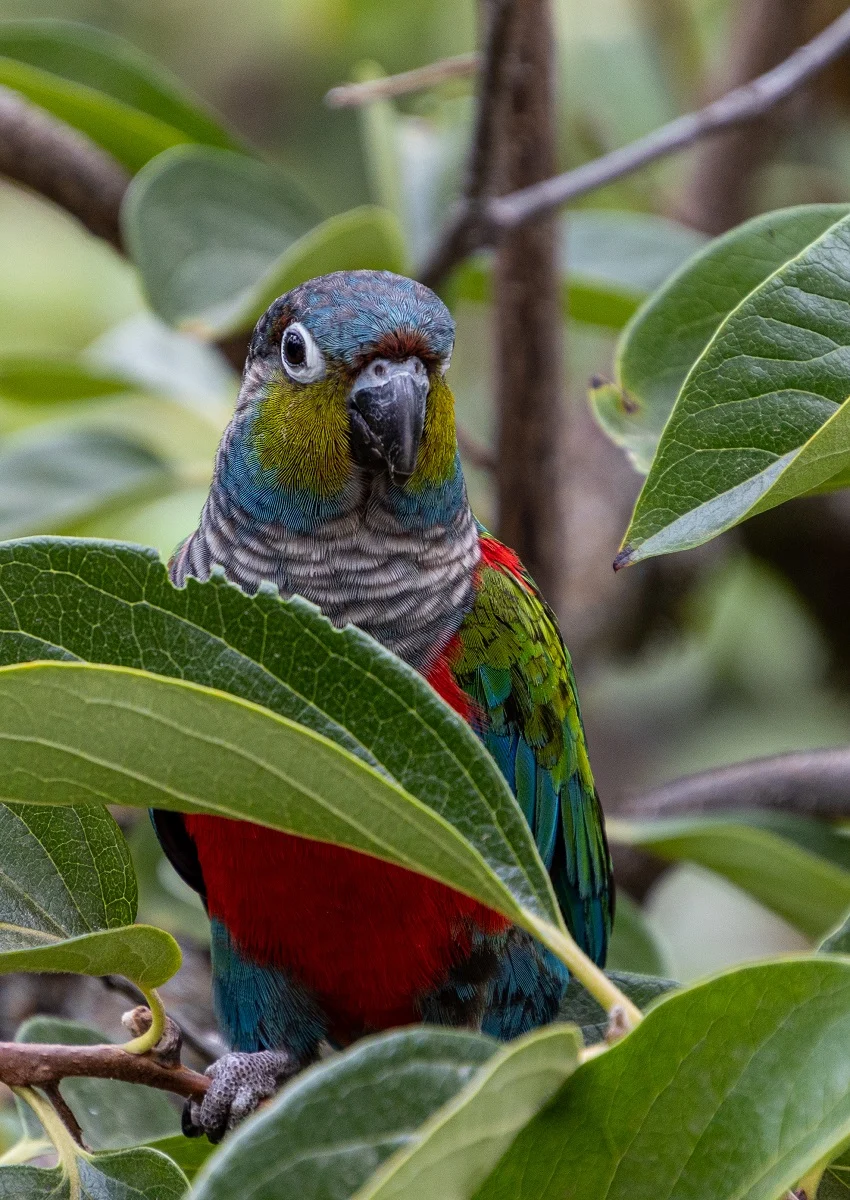
The crimson-bellied conure, also known as the crimson-bellied parakeet (Pyrrhura perlata), stands out among the diverse parrot family for its striking coloration and engaging personality. Often described as clownish yet friendly, this small parrot species presents a unique appeal for individuals seeking a long-term avian companion. However, prospective owners must undertake thorough research to understand the specific needs and characteristics of this species, encompassing its natural history, dietary requirements, housing, and behavioral patterns.
Species Overview and Distinctive Appearance
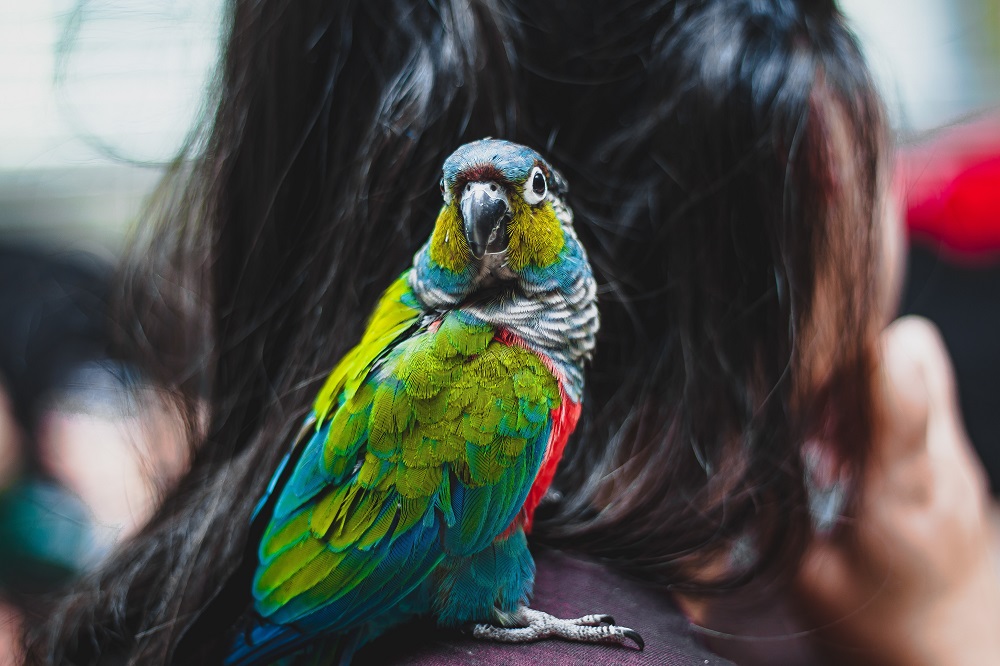
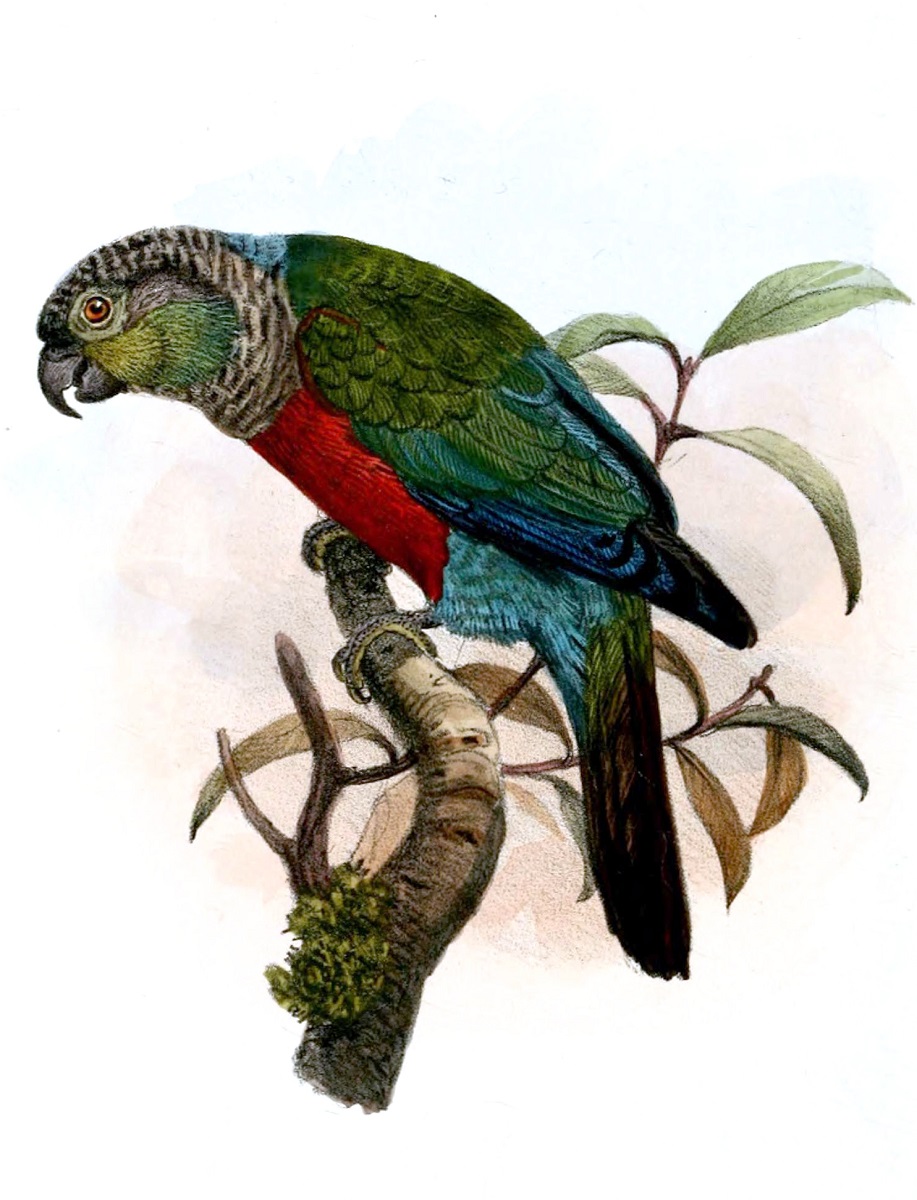
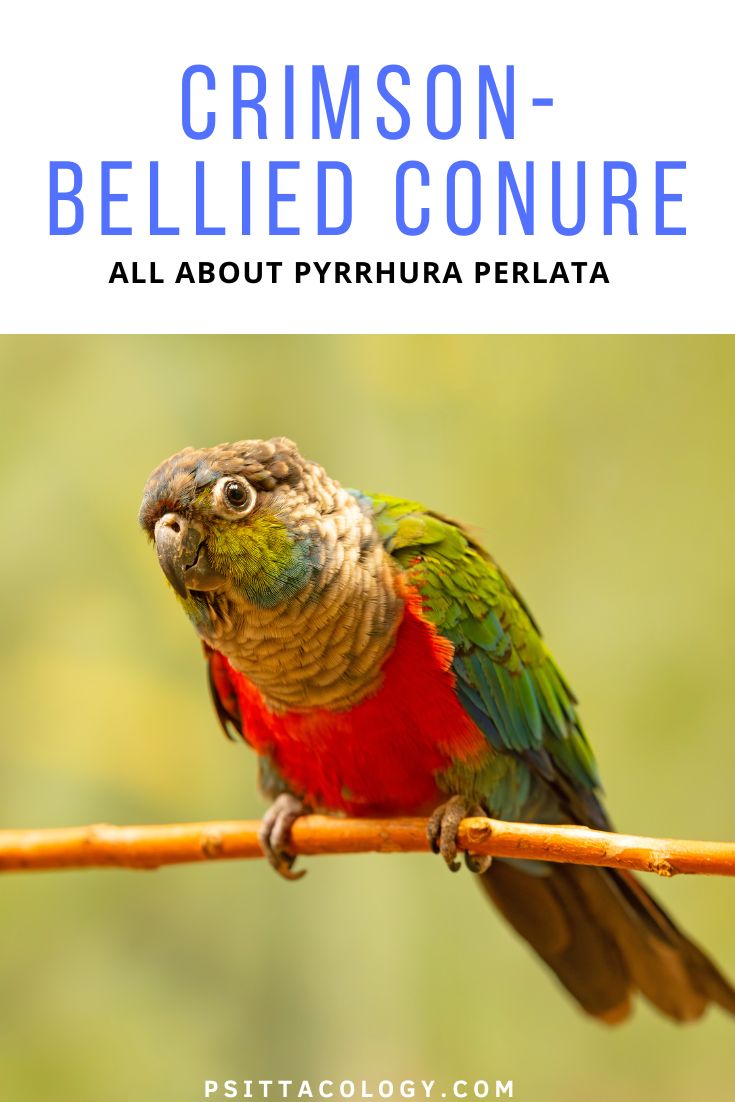
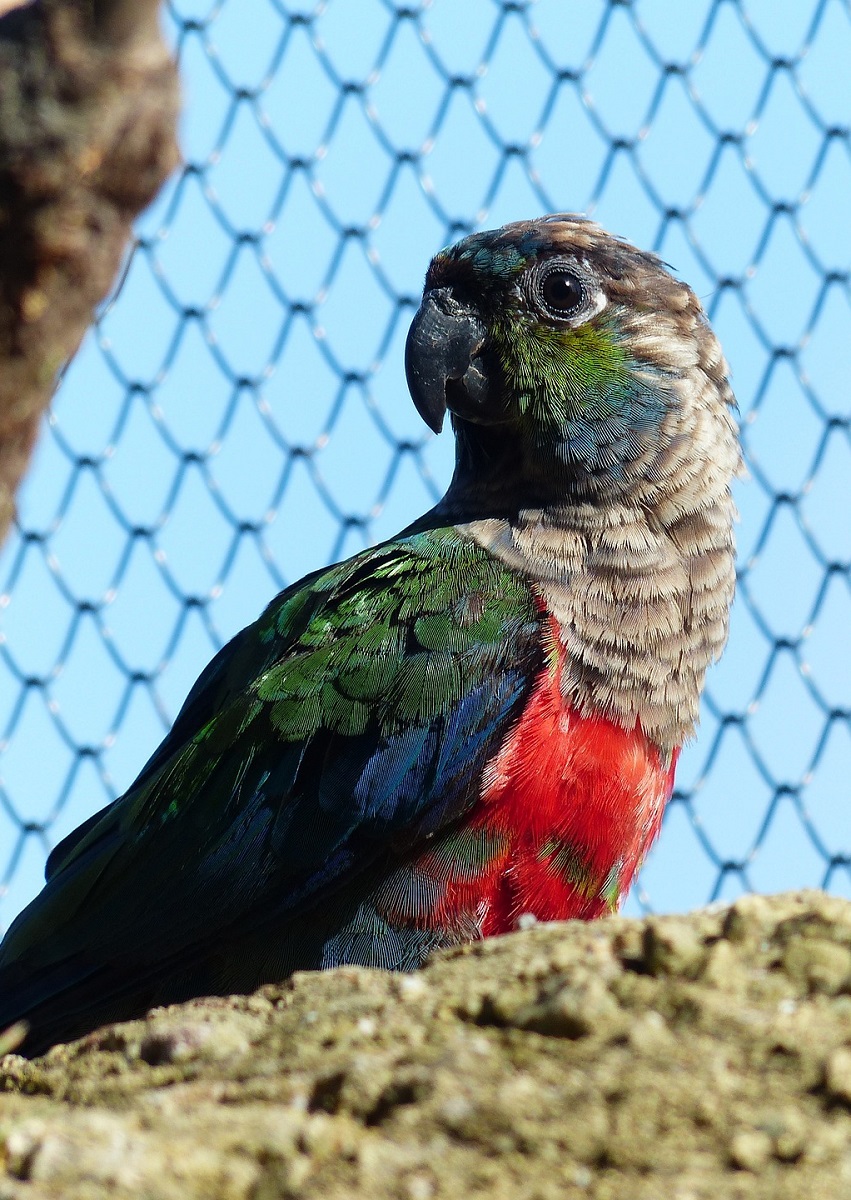
The Pyrrhura perlata is a relatively small, long-tailed parakeet, typically reaching up to 10 inches (25 cm) in length and weighing approximately 90 grams. Its most defining feature, from which it derives its common name, is a vibrant crimson belly, a characteristic that often takes up to a year to fully develop in juveniles. Beyond this eponymous trait, the crimson-bellied conure exhibits an exquisite palette of colors. Its plumage typically features a dark brown to black cap, often with a subtle scaly pattern, contrasting with a bright green back and wings. The breast can display shades of olive-green, transitioning into the vivid red of the abdomen. The tail feathers are often a rich maroon or reddish-brown, complementing the darker hues. Distinctive white eye-rings encircle dark, intelligent eyes, framed by a black beak. Unlike many bird species, there is no visual difference (sexual dimorphism) between male and female crimson-bellied conures, requiring DNA testing or surgical sexing for definitive identification.
Natural Habitat and Geographical Distribution
Native to central South America, the crimson-bellied conure primarily inhabits the Brazilian Amazon Basin, with a significant presence in the state of Rondônia. Its range also extends into northern Bolivia. These conures are predominantly found in terra firme forests – areas of lush rainforest that do not experience seasonal flooding, distinguishing them from várzea or igapó forests. They demonstrate adaptability, occupying both dense, primary forest interiors and the edges of forest clearings, as well as secondary growth forests.
In their natural environment, crimson-bellied conures are typically observed in small, cohesive flocks, a common social behavior among parrot species that aids in foraging, predator vigilance, and breeding. These flocks may occasionally intermingle with other conure species, such as the painted conure, highlighting interspecies interactions within the biodiverse Amazonian ecosystem. Nesting typically occurs in hollow trees, providing protection for eggs and chicks from predators and environmental elements.
Conservation Status and Ecological Implications
The International Union for Conservation of Nature (IUCN) Red List currently classifies Pyrrhura perlata as a species of "Least Concern" regarding its conservation status. However, this designation comes with a critical caveat: the wild population is noted to be on the decrease. The primary threats contributing to this decline are extensive deforestation across the Amazon Basin and, to a lesser extent, hunting. Deforestation, driven by agricultural expansion, logging, and mining, leads to significant habitat loss and fragmentation, disrupting natural ecosystems and isolating populations. While the species may not be immediately endangered, the observed downward trend underscores the continuous pressure on Amazonian biodiversity and the long-term implications for species like the crimson-bellied conure. Conservation efforts in the region are crucial to mitigate these impacts, focusing on sustainable land use, protected areas, and combating illegal wildlife trade.
Dietary Habits: Wild Foraging to Captive Nutrition
The incredible biodiversity of the Amazonian rainforest dictates the varied diet of wild crimson-bellied conures. They are opportunistic feeders, consuming a wide array of plant matter available throughout the year. Wild figs and other indigenous fruits form a substantial part of their diet, providing essential sugars and vitamins. Observations have also documented them feeding on flowers and catkins, indicating a preference for soft, nutrient-rich plant parts. A particularly fascinating aspect of their wild diet is their visitation to clay licks. These geological formations, rich in minerals, provide parrots with vital micronutrients and detoxifying clays, which are believed to neutralize toxins found in some of the fruits and seeds they consume. This behavior highlights a sophisticated adaptive strategy for maintaining health in a complex ecological niche.
For captive crimson-bellied conures, replicating a nutritionally complete diet is paramount for their longevity and well-being. Avian veterinarians, including Psittacology’s resident expert Dr. Daisy, strongly advocate against a seed-only diet, which is notoriously deficient in essential vitamins, minerals, and amino acids, often leading to malnutrition and associated health problems. The cornerstone of a captive conure’s diet should be high-quality, commercially formulated pellets. These pellets are designed to provide a balanced nutritional profile, serving as the primary caloric and nutrient source.
Supplementing the pellet diet with a rich variety of fresh produce is crucial. Daily servings of fresh vegetables, such as leafy greens (kale, spinach, romaine), bell peppers, carrots, broccoli, and zucchini, should be offered. Fruits, while beneficial, should be given in moderation due to their higher sugar content. Safe fruits include apples (without seeds), berries, melons, and citrus fruits. Additionally, cooked whole grains like quinoa, brown rice, and whole-wheat pasta can be provided occasionally. Foraged grasses, free from pesticides, also offer natural enrichment and dietary fiber. Treats, such as sunflower seeds or nuts, should be given sparingly as rewards, due to their high fat content. Constant access to fresh, clean water, ideally from multiple sources to encourage hydration, is non-negotiable. Adhering to these dietary guidelines is a fundamental aspect of preventive care, significantly impacting a parrot’s overall health and lifespan.
Housing and Environmental Enrichment
Despite their relatively small size, crimson-bellied conures are highly active and intelligent birds requiring substantial living space. The minimum cage size recommended is generally 36 inches (90 cm) wide, though the largest possible enclosure that can be accommodated is always preferable. If a conure cannot spend the majority of its waking hours outside the cage, a full indoor aviary might be necessary to provide adequate flight and exercise opportunities.

The cage environment must be thoughtfully designed to promote physical and mental health. A variety of natural wood perches, differing in diameter and texture, are essential. Unlike uniform dowel or plastic perches, natural branches from safe trees (e.g., Manzanita, Java, fruit woods) prevent foot problems like bumblefoot and encourage proper muscle development and circulation. Perches should be strategically placed to allow for climbing and movement, without obstructing flight paths.
Enrichment is a critical component of captive parrot care, preventing boredom, stress, and behavioral issues. Parrots, including crimson-bellied conures, are highly intelligent and curious, thriving on mental stimulation. A lack of enrichment can lead to destructive behaviors such as excessive screaming, feather plucking (a severe stress-related condition), obesity due to inactivity, and aggression. To maintain a happy and healthy conure, owners must provide a diverse range of activities:
- Foraging Toys: These encourage natural foraging behaviors, making the bird work for its food. They can range from simple cardboard boxes with treats hidden inside to complex puzzle toys.
- Chew Toys: Conures have strong beaks and an innate need to chew. A constant supply of destructible toys made from safe materials like wood, natural fibers, and paper is vital to keep their beaks trimmed and minds engaged.
- Shreddable Toys: Similar to chew toys, these allow birds to rip and tear, satisfying a natural instinct.
- Puzzle Toys: These challenge a bird’s cognitive abilities, requiring problem-solving to access treats or other rewards.
- Social Interaction: Daily interaction with human family members is crucial. This includes talking, playing, and training sessions.
- Training: Positive reinforcement training not only strengthens the bond between bird and owner but also provides mental stimulation and teaches desirable behaviors.
- Out-of-Cage Time: Supervised time outside the cage is indispensable for exercise, exploration, and social bonding. Any room a conure has access to must be thoroughly bird-proofed to eliminate potential hazards like open windows, toxic plants, electrical cords, and other household dangers.
Temperament and Social Characteristics
Conures belonging to the Pyrrhura genus, such as the crimson-bellied conure, are highly regarded as companion parrots. While green-cheeked conures are more commonly encountered, crimson-bellied conures offer a distinct charm. They are often characterized as "lovable rogues" due to their spirited, cheeky, and playful nature. A well-socialized crimson-bellied conure can be incredibly affectionate, often seeking out opportunities to cuddle on a shoulder or receive head scratches.
Their intelligence and energetic disposition mean they thrive on interaction and can form deep bonds with their caregivers. Owners must be prepared for their conure’s curious nature, which often manifests as a desire to explore and chew on household items. While some property damage may occur, those who appreciate a lively and engaged companion will find these birds to be immensely rewarding. With proper care and socialization, a crimson-bellied conure can become a loyal and entertaining friend for many decades. However, their curious nature also predisposes them to potential accidents. Owners should be knowledgeable about parrot emergency care and have an avian veterinarian readily available for unforeseen circumstances.
Vocalization and Mimicry Abilities
Regarding vocalization, crimson-bellied conures are generally considered to be in the low-to-medium noise category compared to many other conure species, which are known for their piercing calls. However, it is crucial to understand that "low-medium" for a parrot does not equate to quiet. All parrots have the capacity for loud vocalizations, particularly when excited, alarmed, or seeking attention. Owners can expect calls and squawks, especially during dawn and dusk, or when the bird perceives a threat or wants to communicate.
Prospective owners are strongly advised to experience the typical calls of a crimson-bellied conure before adoption. Resources like xeno-canto, an online bird sound library, provide recordings of Pyrrhura perlata calls. Visiting someone who owns one can also provide valuable insight into their daily vocal patterns. Understanding and being able to tolerate their noise level is a vital aspect of responsible pet ownership.
Concerning mimicry, most parrots possess an inherent ability to imitate sounds, including human speech. However, Pyrrhura conures, including the crimson-bellied variety, are not typically renowned for their talking prowess. While some individuals may learn to mimic a few words or phrases, their talent usually lies more in imitating household sounds like doorbells, alarms, or whistles. Owners seeking a highly talkative parrot might find other species more suitable, as speech imitation in crimson-bellied conures is inconsistent and generally limited.
Lifespan and Long-Term Commitment
One of the most significant considerations when adopting a crimson-bellied conure is its impressive lifespan. With optimal care, a balanced diet, a stimulating environment, and a bit of luck, these birds can live for 20 years or more. This makes them a decades-long commitment, often outliving other common household pets. Prospective owners must be prepared for this long-term responsibility, which encompasses financial implications for food, housing, veterinary care, and the substantial time commitment required for daily interaction and enrichment throughout the bird’s life.
Beyond general care, understanding potential health issues is vital. Captive parrots can be susceptible to nutritional deficiencies (especially on poor diets), respiratory infections, psittacosis, PBFD (Psittacine Beak and Feather Disease), and various other avian ailments. Regular check-ups with an avian veterinarian, at least annually, are crucial for early detection and prevention of diseases. Environmental factors such as proper cage hygiene, appropriate humidity levels, and stress reduction also play a significant role in a conure’s long-term health.
Conclusion: A Rewarding Companion for the Prepared Owner
The crimson-bellied conure offers a unique blend of vibrant beauty, playful intelligence, and affectionate companionship. For individuals prepared to meet their specific needs for a balanced diet, spacious and enriching housing, consistent social interaction, and long-term commitment, these "lovable rogues" can become incredibly rewarding members of the family. Responsible ownership involves thorough research, ethical sourcing (prioritizing captive-bred birds to avoid impacting wild populations), and a dedication to providing a stimulating and healthy environment for a creature that will share your life for decades. Understanding their natural history and ecological context enriches the ownership experience, fostering a deeper appreciation for these remarkable avian ambassadors of the Amazon.

