


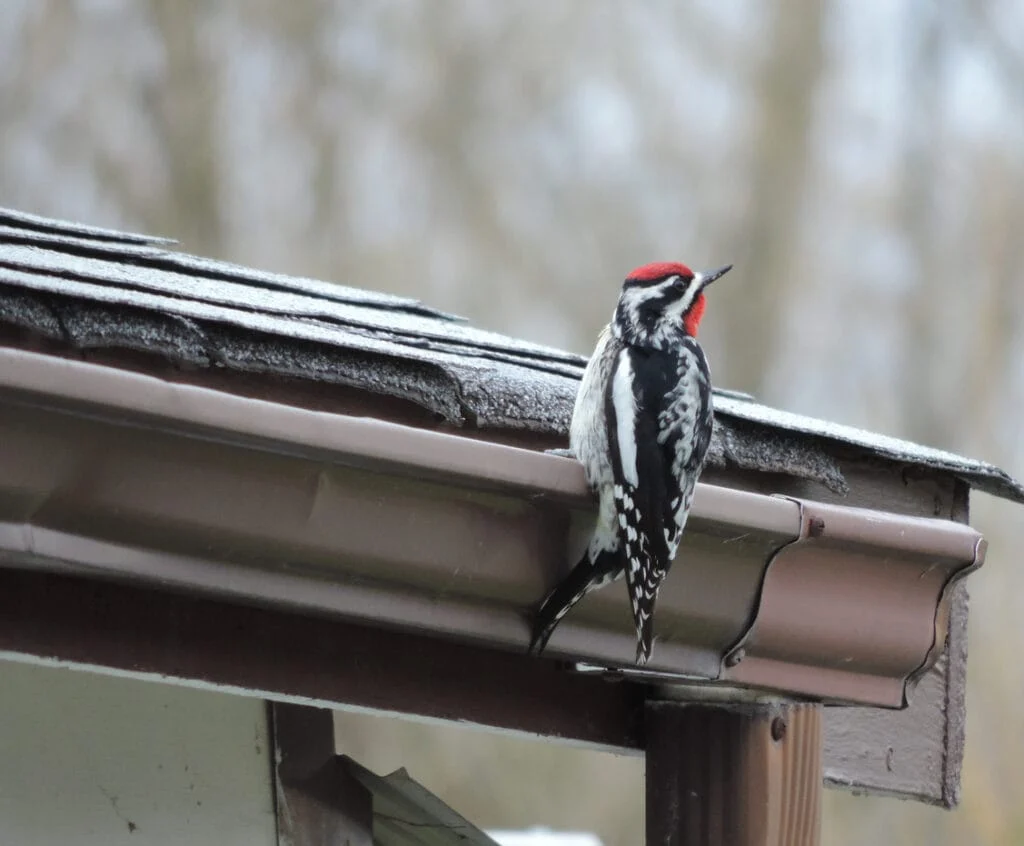
Minnesota’s diverse landscapes, from sprawling forests to backyard gardens, are home to a fascinating array of woodpecker species, each with its unique adaptations and contributions to the ecosystem. These energetic birds, known for their rapid head movements—capable of striking surfaces up to 20 times per second at speeds exceeding 15 miles per hour—are a constant source of intrigue for birdwatchers and nature enthusiasts alike. The distinctive drumming that sets them apart is not merely a sound; it’s a complex language of communication, territorial defense, and foraging strategy. This comprehensive exploration delves into the eight woodpecker species that grace the skies and trees of Minnesota, offering insights into their characteristics, habitats, behaviors, and ecological significance.
The Ubiquitous Downy Woodpecker: A Backyard Favorite
The Downy Woodpecker (Dryobates pubescens) stands as the smallest member of Minnesota’s woodpecker family, yet it is one of the most frequently encountered throughout the United States. These diminutive birds, weighing less than an ounce, are often smaller than American Robins, a trait that belies their significant ecological role. Their small stature allows them to access food sources in tight crevices and on slender branches that larger woodpeckers cannot reach, making them adept bark foragers.
Physical Characteristics and Foraging Habits:
Downy Woodpeckers are easily recognizable by their striking black and white plumage. A distinctive red patch adorns the back of the male’s head, a feature absent in females. The rest of their bodies are predominantly white. Their diet consists mainly of small insects, such as ants, which they meticulously seek out on tree bark. This bark-foraging behavior makes them a common sight in wooded areas, including urban backyards, especially those equipped with bird feeders.

Social Behavior and Vocalizations:
Due to their small size, Downy Woodpeckers often join mixed-species flocks, seeking safety in numbers. They tend to associate with birds of similar size, such as chickadees. Their vocalizations are characterized by a series of quick chirps, often accompanied by light, short drumming. Unlike some of their larger relatives, Downy Woodpeckers are not known for their loud or persistent pecking, making them a relatively unobtrusive presence.
Distribution in Minnesota:
In Minnesota, Downy Woodpeckers are widespread, found wherever trees are present. Their adaptability allows them to thrive in a variety of habitats, from dense forests to suburban gardens, making them a reliable and beloved visitor for many Minnesotans.
The Similar Yet Distinct Hairy Woodpecker: A Larger Cousin
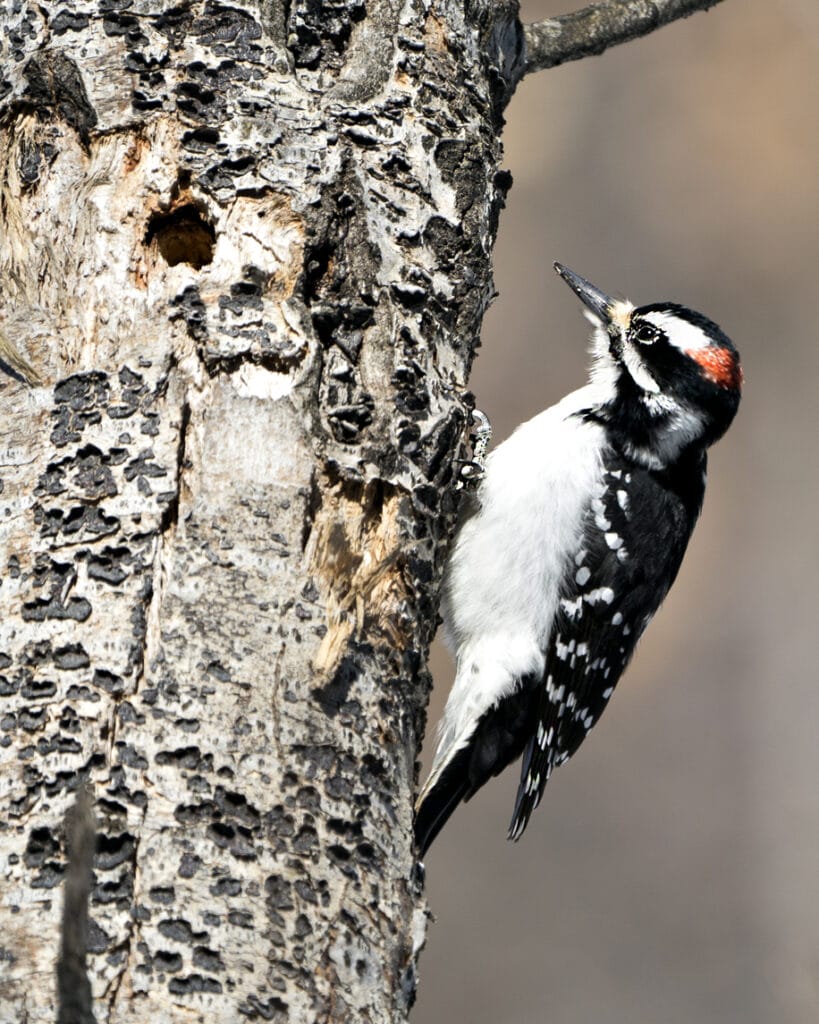
The Hairy Woodpecker (Dryobates villosus) shares a striking resemblance to its smaller counterpart, the Downy Woodpecker, leading to frequent confusion. However, the Hairy Woodpecker is a considerably larger bird, measuring almost 40% larger and weighing three times as much as the Downy. Like the Downy, the Hairy Woodpecker is a year-round resident in Minnesota.
Distinguishing Features:
While their black and white patterns are nearly identical, and males of both species sport a red patch on the back of their heads, key differences exist. The Hairy Woodpecker possesses a noticeably longer and sharper bill compared to the Downy. Its back appears straighter, giving it a more upright posture, often described as "soldier-like." These subtle distinctions require careful observation, especially from a distance.
Habitat Preferences:
Hairy Woodpeckers tend to favor larger trees and are therefore less common in highly urbanized areas or small parks. They are more likely to be found in mature forests and larger wooded tracts. Their foraging and vocalization patterns are similar to those of the Downy Woodpecker, though their drumming is typically louder and more forceful due to their larger size and greater physical strength.
Ecological Role:
Hairy Woodpeckers play a crucial role in controlling insect populations, particularly wood-boring insects that can damage trees. Their persistent drumming and probing in tree bark help to unearth and consume these pests, contributing to forest health.
The Striking Black-backed Woodpecker: A Denizen of the North
The Black-backed Woodpecker (Picoides arcticus) is a striking species, comparable in size to the Hairy Woodpecker but less common across much of the United States, as it primarily inhabits the cooler climates of Canada. However, Minnesota, particularly its northern regions bordering Canada, provides a suitable year-round habitat for this species.
Plumage and Identification:
True to its name, the Black-backed Woodpecker is predominantly black, accented by white patches on its wings and a white belly. Its black crown is bisected by two white lines near the bill, resembling a mustache. A key identifying feature is the yellow patch on the forehead of adult males, which is also present in juvenile Black-backed Woodpeckers of both sexes but typically disappears in adult females.

Habitat Specialization:
These woodpeckers exhibit a strong preference for forests that have recently experienced fires. Their dark plumage provides excellent camouflage against the charred bark of burned trees, allowing them to hunt effectively. Their primary food source consists of wood-boring beetles, which they locate by drilling test holes into the bark. Their long, specialized tongues are adept at extracting these insects from deep within the wood.
Vocalizations:
The Black-backed Woodpecker’s call is among the quietest of all woodpecker species, often consisting of a single, quick chirp followed by a brief pause, then another chirp. This subtle vocalization can make them challenging to detect.
The Unique Yellow-bellied Sapsucker: A Sap Drinker
The Yellow-bellied Sapsucker (Sphyrapicus varius) is a beautifully patterned woodpecker, roughly the size of an American Robin. They breed in the northern reaches of Minnesota and migrate to the southern parts of the state during colder months, ensuring their presence for most of the year.
Distinctive Markings and Diet:
This species is easily identified by its striking black and white plumage, though the pattern is not strictly defined. Both males and females sport a red forehead, but only the males have a red throat. The "yellow belly" from which they derive their name is a small, pale yellow patch on their chest. Their feeding habits are unique among woodpeckers: they drill rows of small, evenly spaced holes, known as "sap wells," into tree bark to drink the tree’s sap. While they also consume insects and fruits, tree sap forms the cornerstone of their diet.

Ecological Interactions:
The sap wells created by Yellow-bellied Sapsuckers also benefit other species. Hummingbirds, such as the Ruby-throated Hummingbird, often visit these wells to drink the sap, especially when other food sources are scarce. This interspecies reliance highlights the sapsucker’s significant role in supporting other avian populations.
Vocalizations:
Their call is distinctively described as a repetitive "pew pew pew," without a fixed pattern. They continue this vocalization until they choose to stop, creating a recognizable soundscape in their preferred habitats.
The Versatile Northern Flicker: A Ground Forager
The Northern Flicker (Colaptes auratus) is a relatively large woodpecker, slightly smaller than a crow, and is a common year-round resident across Minnesota. They inhabit a variety of environments, including woodlands, parks, and backyards.
Plumage and Foraging Behavior:
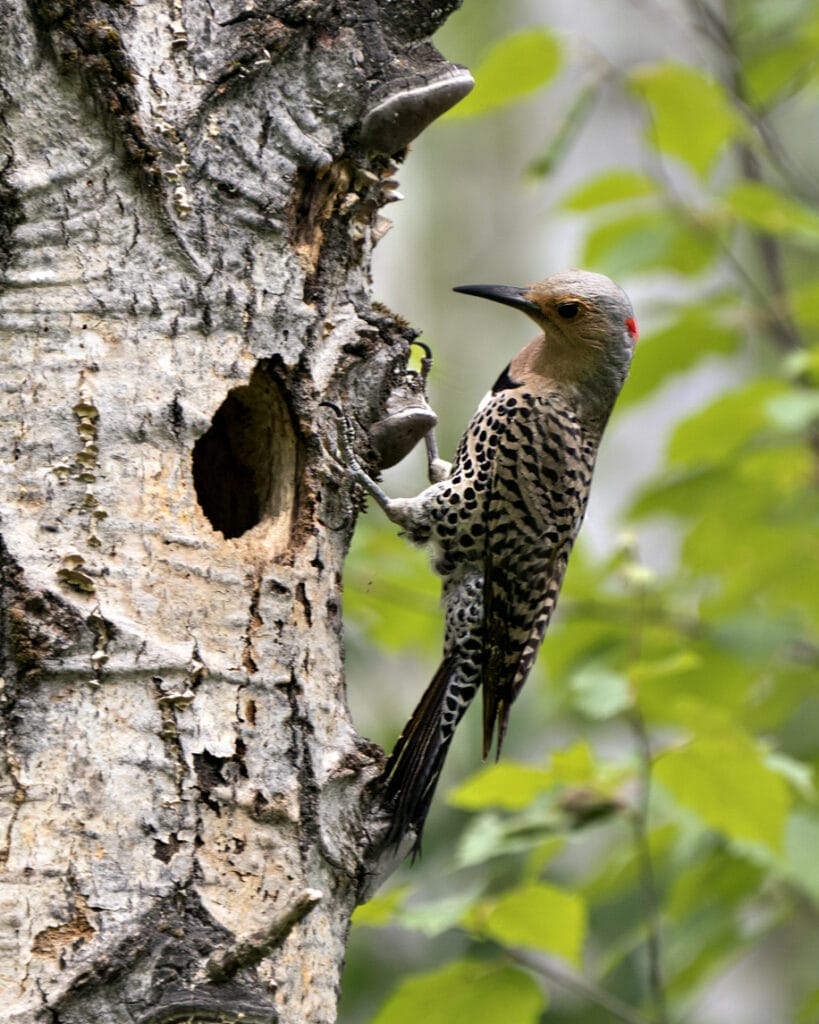
Northern Flickers possess a handsome plumage characterized by gray feathers speckled with black dots. A red patch marks the nape of their neck, and a prominent black, crest-like patch adorns their chest. Males can be distinguished by a red cheek patch, while females have a black cheek patch. Uniquely among woodpeckers, Northern Flickers are primarily ground foragers, spending a significant amount of time searching for food on the earth. This behavior often leads them to be inadvertently startled by humans or other animals.

Mating Rituals and Drumming:
During the mating season, Northern Flickers engage in intense drumming, sometimes targeting resonant metal objects, to attract mates. They are among the fastest drummers, and the competition to be the loudest can result in surprisingly loud and rapid drumming sounds, reminiscent of a machine gun. This adaptation to urban environments means that even in backyards, their drumming can be a noticeable auditory event.
The Visually Striking Red-headed Woodpecker: A "Flying Checkerboard"
The Red-headed Woodpecker (Melanerpes erythrocephalus) is one of the most easily identifiable woodpeckers, largely due to its distinctive red crown. This vibrant plumage, combined with a black and white "checkered" pattern on its body, has earned it the nickname "flying checkerboard."
Identification and Habitat:
The bold blue and white pattern of their bodies, along with the striking red head, makes them stand out. During the breeding season, from spring through summer, they are commonly observed in Minnesota. In the southeastern part of the state, however, they can be found year-round. Juvenile Red-headed Woodpeckers initially have dark brown feathers instead of red crowns and blue body markings, which gradually mature into their adult coloration.
Dietary Habits:
Red-headed Woodpeckers are omnivores, supplementing their diet of insects and tree bark with fruits and, occasionally, the eggs of other birds. This varied diet contributes to their resilience in different environments.
Vocalizations:
Their call is a loud, harsh sound that can be quite startling. This initial loud call is often followed by a series of softer chirps, making their vocalizations a mix of startling and more melodic sounds.
The Elusive American Three-toed Woodpecker: A Rare Gem
The American Three-toed Woodpecker (Picoides dorsalis) is one of the rarest woodpecker species to be found in Minnesota and across the United States. Its presence is primarily limited to the northeastern parts of Minnesota, making it a highly sought-after sighting for dedicated birdwatchers.
Unique Anatomy:
The defining characteristic of this species, and the source of its name, is its foot structure. Unlike most woodpeckers which possess four toes (zygodactyl arrangement), the American Three-toed Woodpecker has only three. This evolutionary adaptation, specifically the absence of one of the back toes, allows them to lean back further on vertical surfaces, potentially increasing the force of their drumming.
Foraging and Vocalizations:
They leverage this increased drumming force to penetrate tree bark in search of their primary food: beetles and ants. Their calls are typically a single, loud chirp. Juvenile American Three-toed Woodpeckers are notably more vocal, producing a continuous stream of chirps until they are fed, a behavior common in many young birds.

The Majestic Pileated Woodpecker: The Gentle Giant
The Pileated Woodpecker (Dryocopus pileatus) commands attention as the largest woodpecker species found in Minnesota, rivaling the size of a crow. These magnificent birds are year-round residents, found in woodlands, forests, and even backyards with suitable food sources.
Physical Characteristics and Status:
Pileated Woodpeckers generally exhibit black plumage, accented by white stripes on their neck and crown. Their most distinctive feature is a prominent, fiery red crest atop their heads. Males are further identified by a red patch on their cheeks. While not exceptionally rare, their numbers have faced challenges due to historical deforestation in the 19th century, which reduced their preferred eastern forest habitats.
Vocalizations and Behavior:
When Pileated Woodpeckers are present, they make their presence known through loud, distinctive calls that sound like "wak wak wak wak." The speed and intensity of these calls can vary, with faster, louder vocalizations often indicating a defensive posture. Their presence is a significant indicator of a healthy, mature forest ecosystem.
Conservation and Coexistence: A Shared Environment
Woodpeckers in Minnesota have demonstrated remarkable adaptability, learning to coexist with human populations. However, it is crucial to remember that these wild birds are not domesticated and should be observed from a respectful distance. Providing supplementary food and water sources can be beneficial, but attempting to capture or keep them is discouraged. Their presence enriches Minnesota’s natural heritage, and understanding their behaviors and needs is key to ensuring their continued survival.

Frequently Asked Questions About Minnesota Woodpeckers
What is the most common woodpecker in Minnesota?
The Downy Woodpecker and the Northern Flicker are consistently cited as the most commonly observed woodpecker species in Minnesota. Their adaptability to various habitats, including urban and suburban environments, contributes to their widespread presence.
Where can I find more information about local woodpecker sightings in Minnesota?
For up-to-date information on woodpecker sightings and distribution, resources like eBird are invaluable. This platform allows users to search for recent sightings, track specific species, and explore avian activity within particular geographic areas, providing a dynamic snapshot of Minnesota’s birdlife.

