


Groundbreaking research and investigative tools, powered by the rapidly advancing field of genomics, are ushering in a transformative era for conservation. The development of sophisticated sequencing machines has enabled scientists to map entire genomes—the complete genetic blueprint of an organism. This monumental leap has opened the door to an array of powerful new tools capable of identifying species, distinguishing individuals, and even mapping the genomes of entire communities of organisms, a specialized discipline known as metagenomics. These capabilities are proving to be a critical new weapon in the escalating global fight against the illegal wildlife trade, offering an unprecedented level of forensic detail to uncover clandestine operations.
The Science Behind the Solution: Decoding Life’s Blueprint
At its core, genomics is the study of an organism’s entire genetic material, or genome. While DNA (deoxyribonucleic acid) is the fundamental molecule that carries genetic instructions, genomics is the comprehensive analysis of all the DNA within an organism, including its genes and their interactions. This goes beyond traditional DNA profiling, which often focuses on specific, limited markers. Modern genomics leverages next-generation sequencing technologies that can rapidly and cost-effectively read millions or even billions of DNA base pairs. This technological prowess allows researchers to assemble a complete genetic picture, providing a wealth of information about an individual’s ancestry, health, and even its environment.
Metagenomics takes this a step further. Instead of focusing on a single organism, metagenomics analyzes the genetic material directly from environmental samples, allowing scientists to study entire microbial communities. This is particularly relevant for distinguishing between wild-sourced and captive-bred animals. The gut microbiome—the collection of bacteria, fungi, and other microorganisms residing in an animal’s digestive tract—is heavily influenced by diet, environment, and geographical location. Wild animals consume a diverse range of natural foods and are exposed to unique microbial populations in their habitat, resulting in a distinct gut microbiome signature. In contrast, captive-bred animals, typically fed standardized diets and housed in controlled environments, develop a vastly different microbiome profile. Forensic scientists are now leveraging these unique microbial fingerprints as irrefutable evidence. By analyzing DNA extracted from an animal’s faeces or gut contents, they can determine if an animal has spent its life in the wild or in captivity, effectively exposing fraudulent claims made by traffickers.
Protecting Endangered Species: The African Grey Parrot Crisis
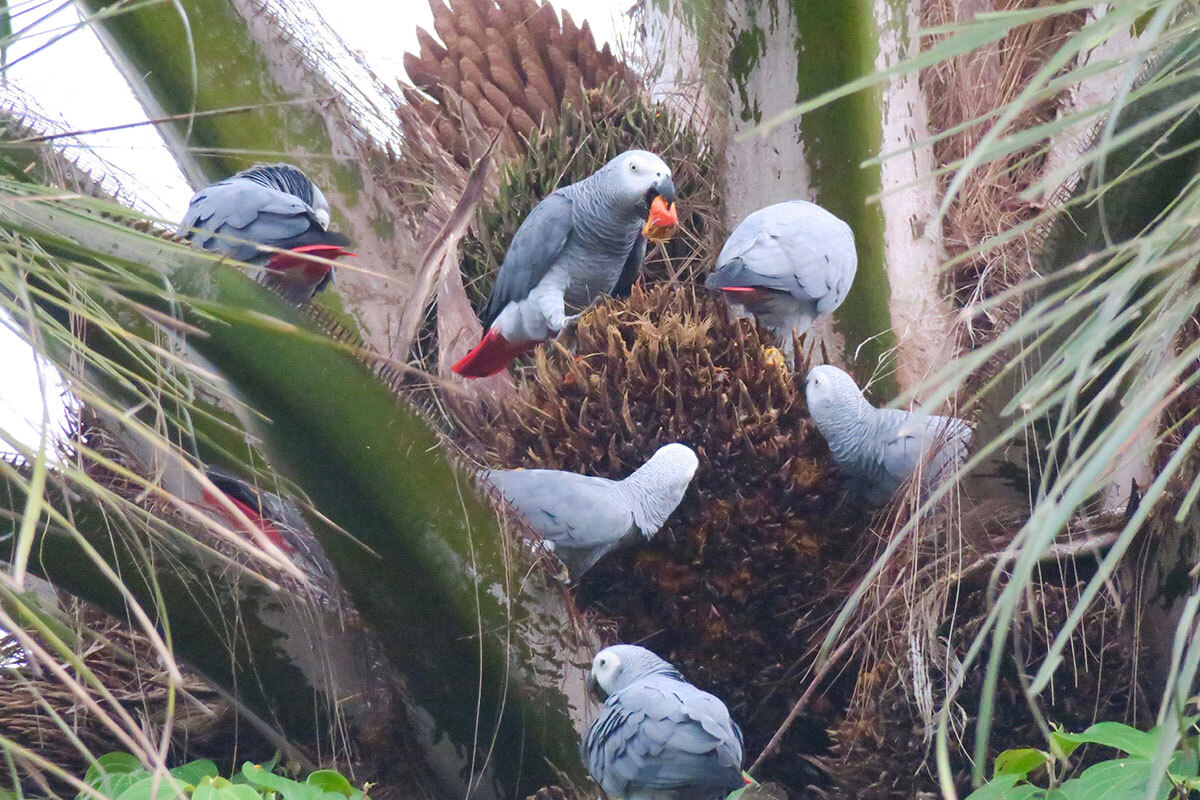
For conservationists, this genomic technology represents a potential game-changer in the relentless battle against the illegal wildlife trade, a multi-billion dollar illicit industry that decimates biodiversity and funds criminal networks. A prime example of where this technology is desperately needed is in the protection of the African Grey Parrot (Psittacus erithacus), one of the world’s most trafficked bird species.
The African Grey Parrot, renowned for its exceptional intelligence and ability to mimic human speech, has long been a highly sought-after pet. This demand has fueled an unsustainable trade that has driven the species to the brink of extinction in many parts of its native range across Central and West Africa. In 2016, following extensive advocacy from conservation organizations and scientific evidence of severe population declines, the African Grey Parrot was uplisted to Appendix I of the Convention on International Trade in Endangered Species of Wild Fauna and Flora (CITES). This listing prohibits all commercial international trade in wild-caught African Grey Parrots. However, trade in captive-bred specimens is still permitted under strict conditions, creating a significant loophole that unscrupulous wildlife traffickers ruthlessly exploit.
The statistics paint a grim picture. Since the CITES Appendix I listing in 2017, the illegal trade has merely shifted tactics. For instance, between 2020 and the present, more than 46,000 African Grey Parrots have been exported from South Africa alone, all declared as "captive-bred." This staggering number immediately raises red flags for conservationists. While South Africa does have captive breeding facilities, the sheer volume of birds purportedly bred and exported from a country that is not part of the African Grey Parrot’s natural range suggests a widespread practice of laundering wild-caught birds through legal supply chains. Genomics can now help investigators verify—or definitively challenge—these claims, providing the crucial evidence needed to expose such fraudulent activities.
The Laundering Loophole and Its Devastating Impact
The legal trade in captive-bred parrots, while intended to reduce pressure on wild populations, inadvertently creates a conduit for illegal trafficking. Wildlife traffickers often capture thousands of wild birds, many of which die during the brutal capture and transit phases due to stress, injury, and disease. Those that survive are then mixed with legitimately captive-bred birds or falsely presented as such, often with forged documentation, to enter international markets. This "laundering" process makes it incredibly challenging for regulators, who often lack the resources and sophisticated tools to verify the true origin of every bird.
The consequences for wild populations are catastrophic. Scientific studies indicate that wild African Grey Parrot populations have plummeted by as much as 90% in some areas. Beyond the individual suffering of the birds, the removal of such large numbers disrupts ecosystems, impacts seed dispersal, and severely diminishes the genetic diversity necessary for the species’ long-term survival. The illegal wildlife trade also has broader implications, fostering corruption, undermining the rule of law, and sometimes even funding organized crime and extremist groups.
Genomics in Action: A Forensic Revolution
The integration of genomics into wildlife forensics provides a powerful counter-measure. When a shipment of parrots is intercepted, or suspicions arise about the origin of birds in a legal facility, non-invasive samples such as feathers, faeces, or even oral swabs can be collected. These samples contain DNA, including that of the bird and its gut microbiome.
Here’s a simplified breakdown of the investigative process:
- Sample Collection: Forensic teams collect biological samples from suspect birds.
- DNA Extraction: DNA is meticulously extracted from these samples.
- Genomic Sequencing: The extracted DNA is then sequenced using advanced machines.
- Microbiome Profiling: Analysis focuses on the unique microbial communities present in the gut samples. A "wild" microbiome will typically show a high diversity of bacteria consistent with a natural diet and environment, while a "captive" microbiome will often be less diverse and reflect a processed diet.
- Geographic Origin Analysis: Beyond the microbiome, the bird’s own DNA can be analyzed for genetic markers that are unique to specific wild populations. This allows investigators to pinpoint the likely geographical origin of the bird, further confirming if it was wild-caught from a particular region.
- Data Comparison: The genomic and metagenomic profiles are compared against established reference databases of known wild populations and legitimate captive-bred birds. A mismatch can provide irrefutable evidence that a bird declared as "captive-bred" is, in fact, wild-caught.
This forensic approach enables the monitoring of legal supply chains for wildlife, providing investigators with robust, scientific evidence to uncover trafficking networks and prosecute offenders. It shifts the burden of proof from relying solely on often-falsified paperwork to objective biological data.
A Glimpse into the Future: Portable Laboratories
The future of this investigative field holds even greater promise with the advent of portable DNA sequencing technology. Traditional DNA sequencers are often the size of a refrigerator, requiring specialized laboratory environments and trained personnel. However, breakthroughs in miniaturization are leading to the development of devices roughly the size of a USB flash drive. These compact sequencers, like the Oxford Nanopore MinION, are already being deployed in various fields, offering transformative advantages for wildlife crime investigations:
- Field Deployment: Investigators will be able to perform DNA sequencing and analysis directly at customs checkpoints, at wildlife rescue centers, or even in remote field locations.
- Rapid Results: Real-time or near real-time sequencing can dramatically reduce the time it takes to get results, allowing for quicker decisions on seizures and arrests.
- Reduced Costs: While initial investment in portable devices might be a factor, the overall operational costs, especially in terms of logistical overhead and sample transport, are expected to decrease significantly.
- Increased Accessibility: These devices can empower local authorities in developing nations, who are often on the front lines of wildlife crime, to conduct their own forensic investigations without needing to send samples to distant, expensive laboratories.
These portable sequencers will revolutionize how wildlife crime is investigated, enabling rapid identification and verification, thus making it much harder for traffickers to operate undetected.
Statements and Reactions from Related Parties
The emergence of these genomic tools has been met with significant optimism from conservation organizations, law enforcement, and the scientific community.
Dr. Rowan Martin, Director of the World Parrot Trust (WPT), a leading conservation organization actively involved in protecting parrots globally, expressed enthusiasm: "This technology offers a beacon of hope in our fight to save species like the African Grey Parrot. For too long, traffickers have exploited loopholes and forged documents, making it incredibly difficult to prove the true origin of birds. Genomic profiling, especially of the microbiome, provides us with an undeniable scientific basis to challenge false claims of captive breeding. It’s a game-changer for enforcement and protection."
A spokesperson for CITES Secretariat, speaking on the condition of anonymity due to ongoing enforcement sensitivities, noted: "Advanced forensic techniques are crucial for upholding the CITES regulations. We welcome any scientific innovation that can strengthen our ability to monitor trade, identify illegal activities, and ultimately protect Appendix I species. The ability to verify the origin of animals with such precision will undoubtedly aid member states in their enforcement efforts."
Leading researchers in conservation genomics emphasize the scientific breakthrough. Dr. Sarah Olson, a prominent voice in the field, remarked, "We are only scratching the surface of what genomics can do for conservation. From identifying individuals to mapping population structures and understanding environmental adaptations, this technology provides an unparalleled understanding of biodiversity. Applying it to combat illegal trade is a powerful and direct way to translate scientific discovery into tangible conservation impact."
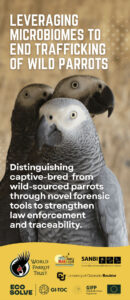
While no direct statement was available from South African government officials regarding the 46,000 parrot exports, the existence of such a large number of ‘captive-bred’ exports since the CITES Appendix I listing would likely prompt calls for increased scrutiny and collaboration with international partners to ensure compliance and combat any potential illicit activities. The use of genomic tools offers a non-confrontational, scientifically robust method for such verification.
Broader Impact and Implications: A New Paradigm for Conservation
The implications of genomic and metagenomic profiling extend far beyond parrots. This technology holds immense potential for combating the illegal trade of numerous other endangered species, including:
- Rhinos and Elephants: Analyzing DNA from horn and ivory to trace it back to specific poached populations, identifying hotspots and trafficking routes.
- Pangolins: Determining the geographic origin of scales and meat, which are heavily trafficked.
- Timber: Using wood genomics to identify the species and origin of illegally logged timber, a trade that often mirrors wildlife trafficking in scale and impact.
- Marine Life: Tracing illegally caught fish and marine invertebrates to specific protected areas or unsustainable fishing grounds.
The widespread adoption of these forensic tools will have significant policy implications. It provides CITES and national regulatory bodies with the scientific data needed to refine trade regulations, identify problematic jurisdictions, and target enforcement efforts more effectively. Countries can use this evidence to prosecute traffickers, impose stricter penalties, and close loopholes in their legal frameworks.
Furthermore, the integration of genomics into wildlife conservation fosters greater collaboration between scientists, law enforcement, and conservation organizations globally. This multidisciplinary approach is essential for tackling a complex, international problem like the illegal wildlife trade. It also highlights the critical role of organizations like Lafeber, whose recent donation supports the World Parrot Trust’s mission to use microbiome profiling as a forensic tool. Such funding is vital for translating cutting-edge scientific research into practical, on-the-ground conservation solutions. By identifying the origin of these birds through non-invasive sampling, we can significantly slow the laundering of wild parrots through legal supply chains and protect high-risk species from extinction.
In conclusion, genomics and metagenomics are not just scientific curiosities; they are emerging as indispensable tools in the urgent fight to protect Earth’s biodiversity. As technology advances and becomes more accessible, these biological fingerprints will increasingly serve as irrefutable evidence, empowering conservationists and law enforcement to dismantle illegal trafficking networks and safeguard endangered species for future generations. The era of the "pocket laboratory" is on the horizon, promising a future where science can truly be on the front lines of conservation, delivering justice for wildlife.

