


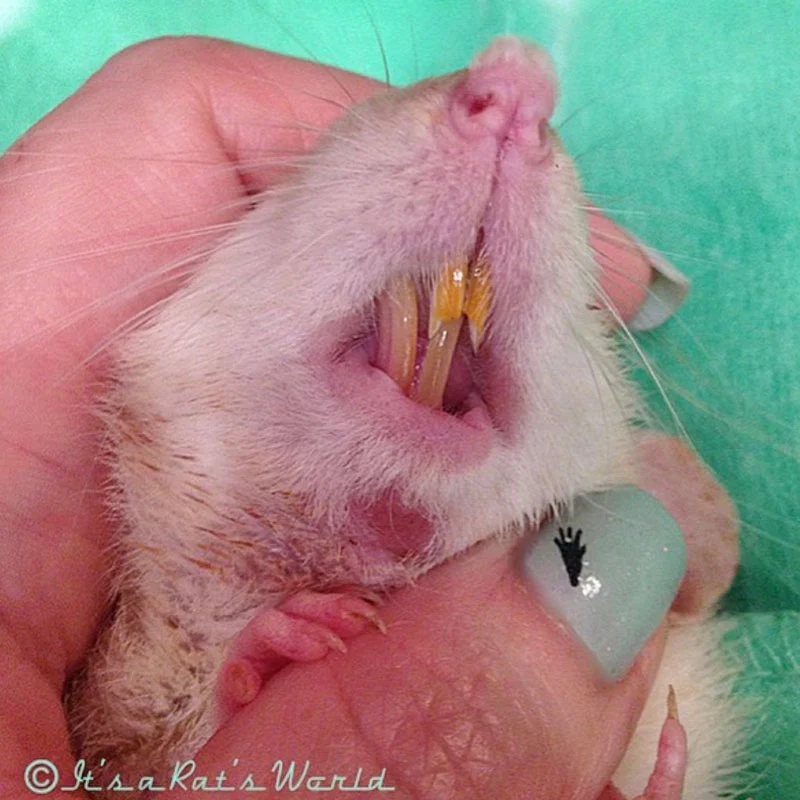
The intricate and endlessly growing incisors of rats, a defining characteristic of all rodents, present a fascinating paradox: a biological marvel that facilitates survival yet harbors potential health complications for pet owners. These specialized teeth, which continue to erupt throughout a rat’s lifetime, are crucial for their gnawing, grinding, and overall survival, but their continuous growth necessitates careful observation and understanding from those who care for them. While many rats live their lives without dental issues, a lack of owner awareness can lead to significant health concerns, underscoring the importance of understanding these unique dental features.
The Remarkable Anatomy of Rat Incisors
Rats possess a dental structure unlike many common pets. Unlike canines and felines, which have four distinct types of teeth and two sets throughout their lives (deciduous and permanent), rats are equipped with only two primary tooth types: incisors and molars. Crucially, these teeth are open-rooted, meaning they grow continuously from birth to death. A rat’s dental complement consists of 16 teeth in total. The four incisors—two upper and two lower—are the first to emerge, typically appearing between 8 and 9 days of age, and are primarily used for gnawing. The 12 molars, located at the back of the mouth, begin erupting around day 19, with the final set appearing by day 35-40, serving the purpose of grinding food.
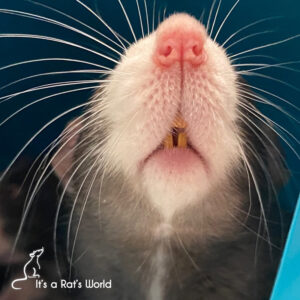
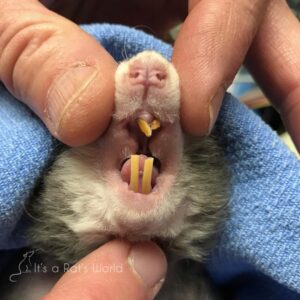
A striking characteristic of healthy adult rat incisors is their coloration. The upper incisors typically exhibit a deep orangey-yellow hue, while the lower incisors are a slightly lighter yellow. A significant indicator of a potential health issue is a sudden lightening or whitening of these teeth, a signal that warrants prompt veterinary consultation.
Behind the incisors, rats possess unique cheek folds. These folds serve a dual purpose: they act as a barrier, preventing unwanted materials from being swallowed, and they make it challenging to visualize and examine the molars without anesthesia.
The remarkable growth of rat incisors is naturally managed through a process known as bruxing, or the habitual grinding of teeth. This process, combined with the differential hardness of enamel (the outer layer) and dentin (the inner layer) of the incisors, creates a sharp, beveled edge. Without this constant wear, incisors would overgrow, potentially curling upwards and impinging on the roof of the mouth, leading to severe injury and discomfort.
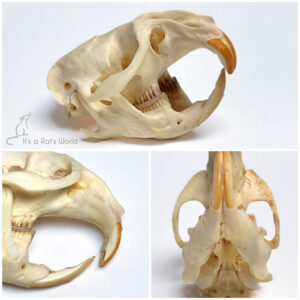
Interestingly, the continuous growth and rapid wear of rat incisors render them largely immune to cavities. The rate at which new tooth material emerges and is subsequently worn down is so rapid that dental caries, or cavities, simply do not have sufficient time to develop.
A particularly unique adaptation of the rat’s lower jaw is the presence of two independent jaw bones, separated by a flexible joint. This anatomical feature allows the bottom incisors to move independently and rotate slightly, a capability not shared by the upper incisors. This rotational movement enhances the sharpening of their teeth and provides a significant advantage when gnawing through various materials, from food to more robust substances.
The Phenomenon of Eye Boggling
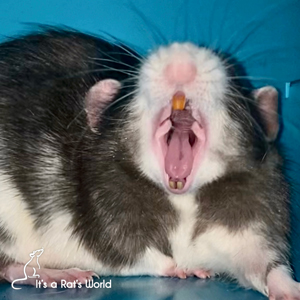
The powerful gnawing action of rats, coupled with the robust jaw muscles that extend through the eye socket, contributes to a behavior known as "eye boggling." When a rat engages in intense gnawing or bruxing, these muscles contract forcefully, causing vibrations that lead to the eyes momentarily protruding or "boggling." This seemingly unusual phenomenon is a direct consequence of their specialized dental anatomy and the forces involved in maintaining their continuously growing incisors.
Debunking Common Myths About Rat Dental Health
Several long-standing myths surrounding rat dental care persist, often leading to unnecessary owner anxiety or misguided practices.
Myth: Rats require hard foods or specific chew items to maintain proper tooth length.
This pervasive myth suggests that owners must provide hard substances to ensure rats wear down their incisors. However, the reality is that rats’ jaws and teeth are naturally designed for self-maintenance through bruxing. As long as their teeth are healthy and properly aligned, they do not require external aids for wear. The primary concern arises when malocclusion, or misalignment, occurs, necessitating intervention.
Myth: Rats can chew through virtually any material, including steel.
While rats possess impressive gnawing capabilities, capable of breaching materials such as concrete, aluminum, and drywall, the notion that they can chew through steel is an exaggeration. Their dentition, though formidable, has limitations, and steel remains beyond their capacity to penetrate.

The Dangers of Malocclusion
Malocclusion, the misalignment of a rat’s upper and lower incisors, is a serious dental condition that can have severe consequences if left unaddressed. This condition can arise from various factors and can rapidly escalate into a life-threatening situation for the affected rat.
Causes of Malocclusion:
- Trauma: Falls or accidents, such as being stepped on or experiencing a significant impact, can lead to jaw misalignment or even fractured incisors. A broken incisor disrupts the synchronized wear pattern of the remaining teeth, causing them to grow unevenly.
- Pathologies: Oral abscesses, cysts, or tumors near the jawline can compromise dental alignment. Conversely, malocclusion itself can create an environment conducive to the development of oral infections and growths. For instance, a tooth growing at an incorrect angle can abrade gum tissue, leading to inflammation and potential infection.
- Genetics: Some rats are genetically predisposed to malocclusion. In these cases, prevention is impossible, and management through veterinary intervention is the only recourse.
Consequences of Untreated Malocclusion:
The most immediate danger of malocclusion is the overgrowth of incisors. If left unchecked, these teeth can extend to the point of puncturing the roof of the mouth, causing extreme pain, infection, and potentially leading to starvation due to an inability to eat. Furthermore, misaligned lower incisors can erode the upper incisors to mere nubs, hindering the rat’s ability to gnaw and maintain proper tooth length for both sets. This inability to eat effectively can result in malnutrition, weight loss, and ultimately, a significantly reduced quality of life.

Proactive Measures for Minimizing Malocclusion Risks
While malocclusion cannot always be prevented, owners can take proactive steps to reduce the likelihood of its occurrence and ensure early detection.
- Safe Environment: Preventing falls and injuries is paramount. Keeping rats in secure enclosures and avoiding free-ranging them in potentially hazardous areas can significantly minimize the risk of trauma-induced malocclusion. Supervised time outside their cage should be conducted in safe, enclosed spaces.
- Dietary Considerations (Indirect): While not a direct preventative for malocclusion, a balanced diet contributes to overall health, which can indirectly support oral health. Ensuring access to appropriate food types that encourage natural gnawing behaviors can be beneficial, though not a substitute for vigilance.
- Behavioral Monitoring: Closely observing a rat’s eating habits is a crucial indicator of dental health. A noticeable decrease in food intake, refusal of favored treats, or apparent difficulty chewing can signal oral discomfort or dental problems.
- Physical Examination: Regular visual inspections of a rat’s mouth are essential. Weekly or biweekly checks should include looking for any signs of sores, gum irritation, redness, or infection. Crucially, owners should assess the alignment of the incisors, ensuring they meet evenly and are not worn to a point or an unnatural angle. Any signs of cracks, chips, or breaks in the teeth warrant immediate veterinary attention.
Veterinary Intervention: Teeth Trimming and Management
When malocclusion is diagnosed, veterinary intervention becomes necessary. Teeth trimming, performed by a veterinarian, is the standard treatment. This procedure typically involves using a Dremel tool or specialized clippers to reduce the length of overgrown incisors. Due to the sensitive nature of the procedure and the inherent difficulty in restraining a rat, light anesthesia is often administered to ensure the safety and comfort of the animal.
In some instances, a veterinarian may guide an owner on how to perform minor trims at home. However, this is a challenging undertaking that requires extreme caution, as improper technique can easily lead to injury. The stress and thrashing of an uncooperative rat can make home-based trimming a risky endeavor, often necessitating the assistance of another person to safely restrain the animal.
The effectiveness of teeth trimming can vary. For some rats, a few trims may be sufficient to restore proper alignment and allow them to resume natural tooth wear. However, for many, particularly those with genetic predispositions or severe malocclusion, continuous and lifelong trimming may be required. It is important to note that trimming teeth can paradoxically accelerate their growth rate. This means that the frequency of trimming may need to increase over time as the rat ages, a pattern observed in cases where rats require monthly, then bi-weekly, and eventually weekly trims.
Preparing for the Realities of Rat Dental Care
The journey of managing rat dental issues, particularly malocclusion, can be demanding. The exact causes of malocclusion in individual rats often remain elusive, sometimes attributed to unobserved incidents or genetic factors. Regardless of the origin, the responsibility falls on the owner to provide the necessary care and support. By understanding the unique biology of rat incisors, recognizing the signs of potential problems, and knowing when to seek veterinary guidance, pet owners can be better equipped to navigate the complexities of rat dental health and ensure their beloved companions live long, comfortable, and healthy lives. The ongoing commitment to observation and prompt veterinary care is the cornerstone of responsible rat ownership when it comes to their extraordinary, ever-growing teeth.

