


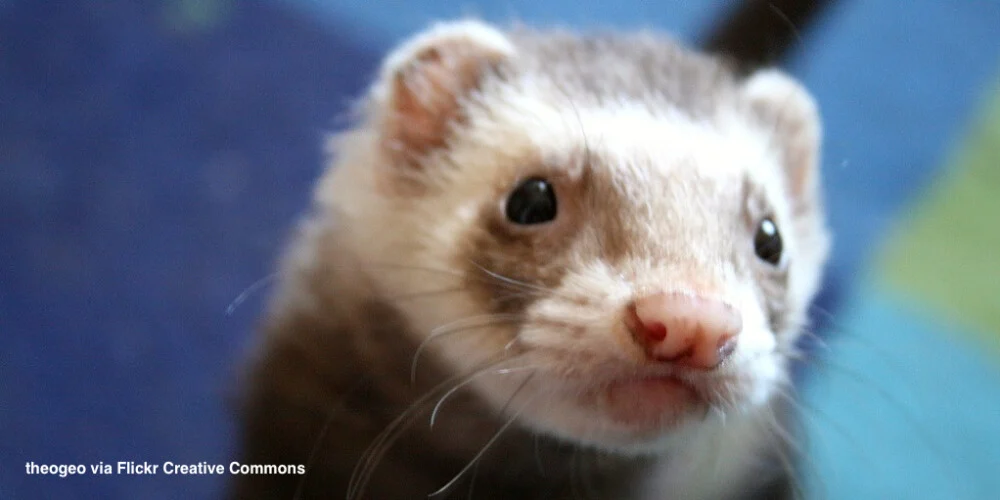
The upcoming virtual master class titled The Geriatric Collapsing Ferret: More Than Insulinoma, led by the distinguished Cathy Johnson-Delaney, DVM, is set to address one of the most persistent diagnostic challenges in exotic animal medicine. Scheduled for Wednesday, May 20, 2026, at 2:00 pm EDT, this session aims to provide veterinary professionals with a more nuanced understanding of the geriatric ferret, specifically focusing on the complex array of conditions that can lead to intermittent collapse, ataxia, and exercise intolerance. As the population of pet ferrets continues to age due to improvements in husbandry and nutrition, the demand for sophisticated geriatric care has reached an all-time high, making this educational event a critical touchstone for clinicians worldwide.
In the current veterinary landscape, the presentation of an aging ferret with hind-limb weakness or a sudden "fainting" spell often triggers an immediate clinical suspicion of insulinoma. Insulinoma, or pancreatic beta-cell tumor, is indeed a common neoplasia in North American ferrets, characterized by the overproduction of insulin and subsequent hypoglycemia. However, Dr. Johnson-Delaney argues that the rush to this diagnosis—often based on a single, potentially inaccurate glucometer reading—can lead to the oversight of other life-threatening or chronic conditions. This master class will dismantle the "insulinoma-first" reflex and encourage a more holistic, evidence-based diagnostic protocol.
The Diagnostic Dilemma: Beyond the Glucometer
The core of the presentation addresses a significant technical hurdle in ferret medicine: the reliability of handheld glucometers. Most devices used in general practice are calibrated for human, canine, or feline blood. Due to differences in how glucose is distributed between plasma and red blood cells across species, these devices often yield lower-than-actual readings in ferrets. When a clinician sees a blood glucose level below 70-90 mg/dL, the standard response is often to prescribe prednisone, a corticosteroid that increases blood sugar.
While prednisone may provide temporary symptomatic relief by boosting glucose levels, it does not address the underlying pathology if the cause is not islet cell disease. Furthermore, ferret physiology is unique; their blood glucose levels fluctuate significantly based on diet, fasting intervals, and stress. Dr. Johnson-Delaney will emphasize that a definitive diagnosis of insulinoma should never rely on a single data point but should instead involve a combination of clinical history, repeated fasting glucose tests processed via laboratory-grade analyzers, and imaging.
The lecture will delve into the "prednisone trap," where the administration of steroids can mask signs of other diseases or even exacerbate conditions like congestive heart failure or certain renal pathologies. By shifting the focus away from a purely endocrine-centric view, the master class intends to sharpen the diagnostic acumen of attending veterinarians.
Comprehensive Differentials for the Fainting Ferret
A major portion of the webinar will be dedicated to the "differential diagnosis" list, which is often extensive for geriatric ferrets. When a ferret "collapses," it is rarely a simple case of low blood sugar. Dr. Johnson-Delaney will categorize these differentials into several key physiological systems:
Cardiac Dysfunction and Arrhythmias
Cardiovascular disease, particularly dilated cardiomyopathy (DCM) and hypertrophic cardiomyopathy (HCM), is a frequent but underdiagnosed cause of weakness in older ferrets. Unlike the "star-gazing" or pawing at the mouth seen in hypoglycemic episodes, cardiac-related collapse often follows exertion. The master class will review the importance of thoracic radiographs and echocardiography, noting that while splenomegaly (an enlarged spleen) is a common incidental finding in ferrets, cardiomegaly (an enlarged heart) must be evaluated with scrutiny.
Renal and Metabolic Failure
Chronic kidney disease (CKD) can lead to systemic weakness, uremic episodes, and electrolyte imbalances such as hyperkalemia or hypocalcemia. These imbalances can cause muscle tremors or profound lethargy that mimics a hypoglycemic crash. Dr. Delaney will discuss how to interpret chemistry panels in the context of the geriatric ferret, where "normal" values might shift as organ function declines.
Musculoskeletal and Neurological Issues
In many cases, what appears to be a "collapse" is actually severe orthopedic pain or neurological deficit. Disseminated idiopathic skeletal hyperostosis (DISH), osteoarthritis of the spine or hips, and intervertebral disc disease (IVDD) can cause a ferret to "drag" its hind end or suddenly stop moving during play. Distinguishing between metabolic weakness and mechanical failure is a primary goal of the session.
Other Neoplasia and Chronic Inflammation
Beyond insulinoma, ferrets are prone to lymphoma, adrenal gland disease, and various carcinomas. Chronic inflammatory states, such as severe dental disease or gastrointestinal disease (IBD), can lead to "anemia of chronic disease," resulting in poor oxygen delivery to tissues and subsequent exercise intolerance.
Chronology of the Master Class and Registration Details
The announcement for this master class was released on April 5, 2026, via the LafeberVet platform, a leading resource for exotic animal continuing education. The event is structured to provide both theoretical knowledge and practical application through case reports.
- Announcement Date: April 5, 2026
- Live Event Date: Wednesday, May 20, 2026
- Time: 2:00 PM EDT (New York Time)
- Platform: Zoom Video Communications
- Post-Event Access: A recorded version will be available on the LafeberVet website several days after the live broadcast for those unable to attend in real-time.
Participants are encouraged to register early through the Zoom portal. The session is designed to be interactive, featuring a dedicated Q&A segment where clinicians can submit specific cases for Dr. Johnson-Delaney’s insight. For those seeking professional development credits, this program is approved for 2.0 RACE credit hours, recognized by the American Association of Veterinary State Boards (AAVSB).
Profile of the Presenter: Dr. Cathy Johnson-Delaney
Dr. Cathy Johnson-Delaney is a seminal figure in the world of exotic animal medicine. With over 30 years of experience practicing in the Puget Sound area of Washington State, her career has spanned private practice, laboratory animal medicine, and wildlife conservation.
As the principal author and editor of the textbook Ferret Medicine and Surgery, she literally wrote the book on the subject. Her contributions to the field have been recognized with numerous accolades, including being named the 2003 Exotic DVM of the Year and receiving the 2009 Oxbow Exotic Mammal Health Award. Her leadership roles as Past President of both the Association of Avian Veterinarians (AAV) and the Association of Exotic Mammal Veterinarians (AEMV) further solidify her status as a global authority.
Dr. Johnson-Delaney’s involvement with the Washington Ferret Rescue & Shelter has provided her with a unique perspective on the long-term management of "shelter ferrets," who often arrive with complex, multi-systemic issues. This practical, "in-the-trenches" experience informs her teaching style, making her lectures highly relevant to practicing veterinarians.

Broader Implications for Veterinary Medicine and Ferret Welfare
The shift toward a more comprehensive diagnostic approach for geriatric ferrets reflects a broader trend in veterinary medicine: the move toward specialized geriatric care. As pet owners become more invested in the longevity of their exotic pets, the "minimum database" of testing—radiographs, ultrasound, and comprehensive blood panels—is becoming the expected standard rather than an optional add-on.
This master class also highlights the importance of continuing education in correcting "clinical myths." The over-reliance on glucometers and the automatic association of hind-limb weakness with insulinoma are examples of clinical shortcuts that can compromise animal welfare. By educating vets on the intricacies of ferret-specific physiology, LafeberVet and Dr. Johnson-Delaney are fostering a higher standard of care.
The implications extend to the pharmaceutical management of these animals. If a ferret is correctly diagnosed with a cardiac condition rather than insulinoma, the treatment shifts from steroids to diuretics or ACE inhibitors, fundamentally changing the animal’s quality of life and prognosis. In an era where "evidence-based medicine" is the gold standard, this master class serves as a vital update for any practitioner who counts ferrets among their patients.
Technical Requirements and Accessibility
LafeberVet has ensured that the master class is accessible to a global audience. The use of the Zoom platform allows for participation across various devices, including Apple and Android mobile units. The organizers recommend using updated browsers such as Google Chrome or Mozilla Firefox to ensure a stable stream.
For the veterinary community, these virtual sessions represent an efficient way to gain high-level expertise without the costs and logistical hurdles of international travel. The inclusion of a downloadable press release and a comprehensive FAQ section on the LafeberVet website further supports the dissemination of this information to clinics and rescue organizations worldwide.
As the date of May 20, 2026, approaches, the veterinary community anticipates a session that will not only challenge existing diagnostic habits but also provide the tools necessary to improve the lives of aging ferrets. Through the expert guidance of Dr. Cathy Johnson-Delaney, the "collapsing ferret" will no longer be a diagnostic dead-end, but a puzzle that can be solved with precision and care.

