


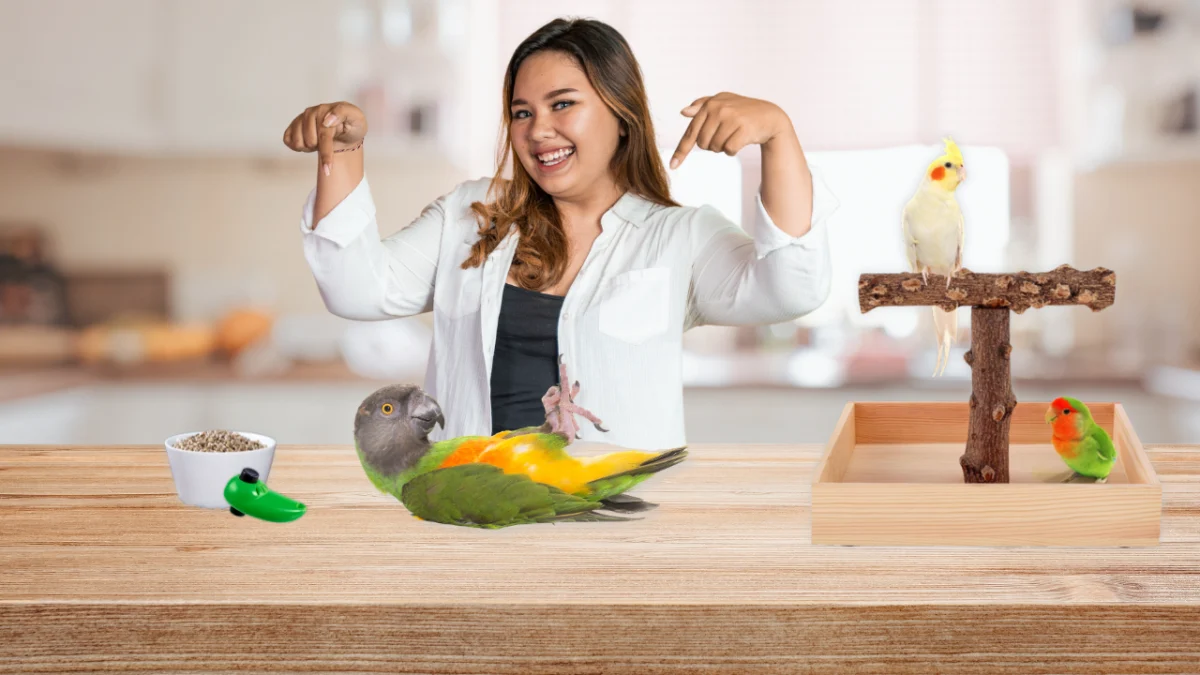
Parrots are renowned for their remarkable intelligence, placing them among the most cognitively advanced animals on the planet. Their sophisticated brains are uniquely adapted for complex learning, intricate problem-solving, and even nuanced communication. However, much like humans, these intelligent avian companions require consistent mental stimulation and daily challenges to maintain optimal cognitive function, emotional well-being, and appropriate behavior within a domestic setting. This article delves into the scientific underpinnings of parrot intelligence and outlines seven research-backed strategies, complete with a practical 4-week implementation plan, designed to enhance your parrot’s brainpower through a holistic approach encompassing training, environmental enrichment, dietary considerations, and guided exploration.
The Neuroscience of Avian Cognition
Recent scientific advancements have significantly deepened our understanding of avian intelligence, particularly in parrots. Far from being "bird-brained" in the pejorative sense, parrots possess a brain structure strikingly analogous to key regions of the primate brain. Researchers have identified the nidopallium caudolaterale in parrots, which serves a function akin to the prefrontal cortex in mammals—the primary hub for executive functions such as decision-making, memory, planning, and complex problem-solving (Gutiérrez-Ibáñez et al., 2018). This specialized neuroanatomy provides the biological basis for their impressive cognitive feats.
Further studies have revealed that parrots exhibit neuron densities in their forebrains comparable to, and in some cases even exceeding, those found in primates of similar brain size (Olkowicz et al., 2016). This high concentration of neurons, packed into a relatively small volume, enables efficient information processing and supports advanced cognitive abilities. Such neurological wiring explains why parrots can learn intricate sequences, decipher puzzle toys, engage in mimicry (Benedict et al., 2022), and even demonstrate self-control and delay gratification, as observed in studies of Grey parrots (Pepperberg & Hartsfield, 2023). The evolutionary trajectory of parrot intelligence, characterized by heightened longevity and sophisticated cognition, continues to be a fertile area of research, offering clues into the broader evolution of intelligence across species (Wirthlin et al., 2018; Garcia de Jesús, 2024).
The Critical Role of Mental Stimulation for Parrot Welfare
Given their profound cognitive capabilities, mental stimulation is not merely a luxury but an absolute necessity for the health and welfare of captive parrots. In their natural habitats, parrots spend a significant portion of their day engaged in complex activities: foraging for diverse food sources, navigating intricate environments, evading predators, and interacting within dynamic social structures. These activities provide continuous mental "workouts" that keep their brains active and engaged.
In a domestic environment, where food is readily available and threats are minimal, parrots can quickly succumb to boredom if their cognitive needs are not met. This lack of engagement can lead to a range of undesirable and often self-destructive behaviors, including excessive screaming, feather plucking, self-mutilation, and destructive chewing of household items. These behaviors are often manifestations of stress, anxiety, and an unmet need for intellectual challenge. Avian veterinarians and behaviorists universally emphasize that consistent, varied mental enrichment is one of the most effective strategies for preventing and mitigating these common behavioral problems. By providing stimulating activities, caregivers are not just entertaining their birds; they are actively supporting their emotional resilience, fostering brain development, and enhancing overall quality of life. Enrichment acts as a form of "avian therapy," empowering parrots to express their natural instincts in healthy ways, building confidence, and fostering a sense of security and purpose within their world.
Strategic Enrichment Pathways for Enhanced Cognition
Implementing a comprehensive enrichment program requires a multi-faceted approach. The following strategies, grounded in avian behavioral science, offer practical ways to foster a parrot’s intellectual growth and emotional stability.
1. Cultivating a Dynamic, Puzzle-Rich Environment
In the wild, foraging for food can consume up to six hours of a parrot’s day, demanding problem-solving, dexterity, and persistence. In contrast, captive parrots often have food presented in a static bowl, requiring no effort. This stark difference highlights a critical need for environmental modification.
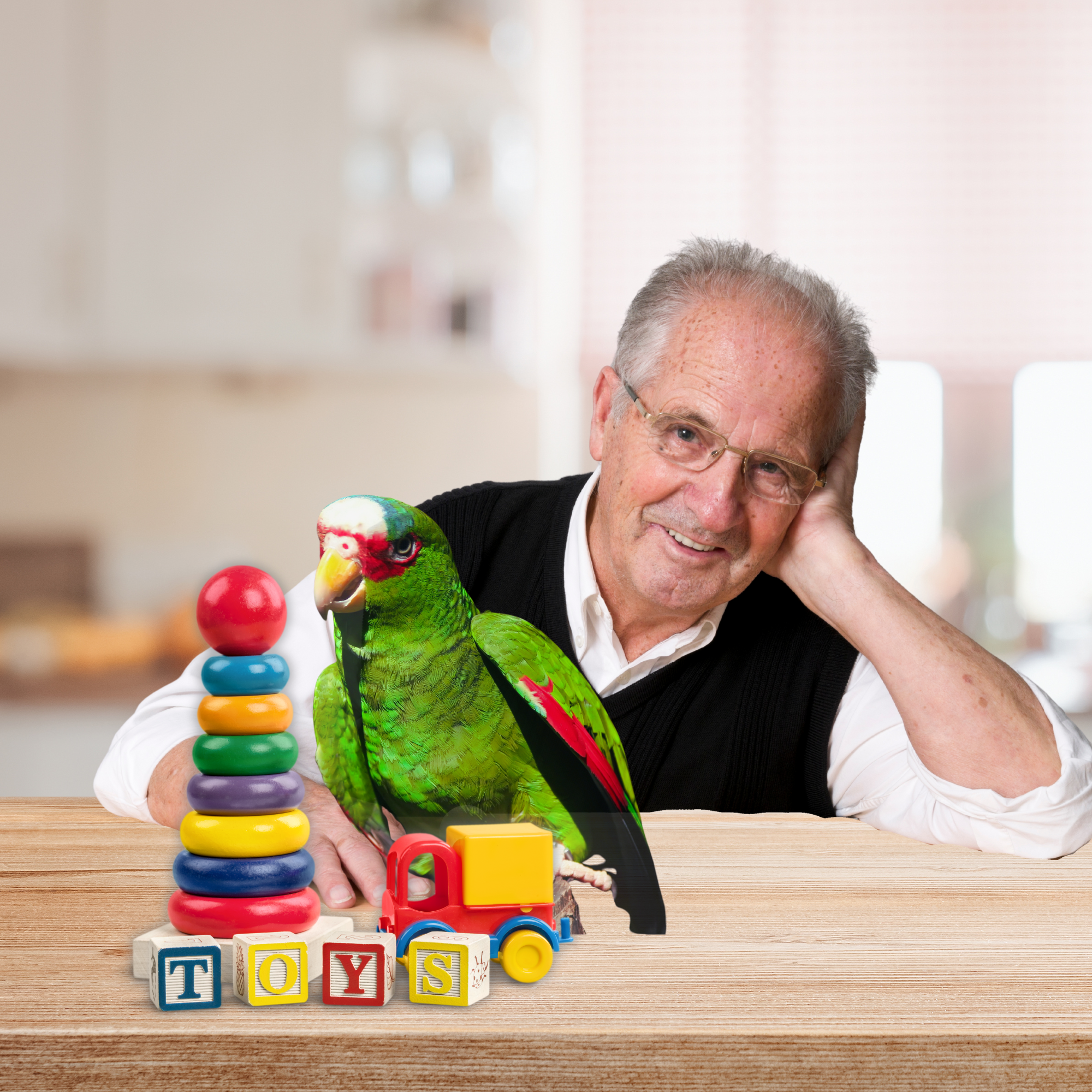
- Integrate Foraging Toys: Foraging toys are indispensable tools for cognitive enrichment. These devices transform mealtime into an engaging mental exercise, requiring parrots to shred, twist, manipulate, or open compartments to access treats. Starting with simple puzzles, such as hiding a favorite treat under a paper cup, and gradually progressing to more complex multi-step foraging devices, taps into a parrot’s innate drive to work for food, significantly stimulating their problem-solving abilities.
- Implement Regular Toy Rotation: Even the most sophisticated toy loses its appeal if it remains in the same position day after day. A consistent schedule of toy rotation—swapping out 2-3 toys weekly—introduces novelty and prevents habituation. This practice mimics the changing environment a wild bird experiences, maintaining interest and encouraging continuous exploration. Storing retired toys with bird-safe herbs like chamomile or lavender can further refresh their appeal upon reintroduction.
- Vary Difficulty Levels: Effective cognitive challenge involves a progression of difficulty. Providing toys that offer "easy wins" builds confidence and positive associations with problem-solving. These can then be interspersed with more challenging puzzles, such as multi-layered toys or those requiring specific sequences of actions. A diverse array of toy styles—shreddables, spinners, drawers, and even safe DIY puzzles made from cardboard—ensures a varied mental workout without causing frustration. The goal is to challenge the bird appropriately, celebrating each small "aha!" moment.
2. Implementing Positive Reinforcement Training
Clicker training, a methodology rooted in positive reinforcement, is an exceptionally effective means of boosting a parrot’s intelligence while simultaneously strengthening the human-animal bond. It capitalizes on how birds naturally learn: by associating behaviors with positive outcomes.
- Principles of Clicker Training: The clicker acts as a precise marker signal, immediately pinpointing the exact moment a desired behavior occurs. This "click" is consistently followed by a high-value reward, such as a favorite seed or nut. This clear association teaches the parrot that performing certain actions leads to positive reinforcement, encouraging repetition and accelerating learning. It establishes a clear line of communication, effectively teaching the bird a new language where the click signifies "You did it right!"
- Foundational Behaviors: Complex tricks are not necessary to begin. Starting with simple, confidence-building behaviors like "targeting" (touching a specific object), "stepping up" onto a hand or perch, or a simple "spin" provides immediate success. Keeping training sessions brief (3-5 minutes), ending on a positive note, and utilizing highly motivating treats are key to maintaining enthusiasm.
- Therapeutic Benefits of Training: Beyond teaching tricks, training serves a profound therapeutic purpose. It provides parrots with a sense of purpose and control, which is vital for their psychological health. For anxious, fearful, or rehomed birds, training can be transformative, helping them reframe their perception of their environment and their human companions. It fosters confidence, reduces fear-based reactivity, and strengthens trust, even when initiated through cage bars. Each successful click contributes to a bird’s mental and emotional resilience.
3. Optimizing Nutritional Support for Brain Function
Just as with humans, a parrot’s diet directly influences its cognitive performance. A well-balanced, nutrient-rich diet is fundamental for optimal brain health, impacting memory, focus, mood, and even behavioral regulation.
- Key Neuro-Nutrients: Specific nutrients are crucial for supporting brain tissue and function. Omega-3 fatty acids, found in sources like hemp, flax, and chia seeds, are vital for cell membrane health and reducing inflammation in the brain. B vitamins, abundant in leafy greens and whole grains, play critical roles in neurotransmitter synthesis and energy metabolism within brain cells. Antioxidants, plentiful in colorful fruits and vegetables, protect brain cells from oxidative stress. Ensuring these nutrients are consistently supplied supports rapid and robust neural firing.
- Dietary Diversity with "Chop" and Sprouts: Incorporating "chop" – a finely diced mixture of fresh vegetables, fruits, grains, and herbs – and sprouts into a parrot’s daily diet is an effective way to deliver a broad spectrum of nutrients. Chop allows for endless variety, preventing dietary boredom and ensuring a diverse intake of vitamins, minerals, and antioxidants. Sprouts provide highly bioavailable living enzymes and natural vitamins. Regular variation in ingredients, such as rotating between bell peppers, sweet potatoes, bok choy, and quinoa, keeps the diet exciting and nutritionally comprehensive. Products like OmegaGlow can further enhance the intake of brain-loving plant-based fats, while SereniTea Calming Herbs can add an extra layer of wellness.
- Targeted Supplements: Even with an excellent diet, some birds may benefit from targeted supplementation, particularly during periods of stress, molting, or aging. A daily multivitamin such as FeatherUp can address potential nutritional gaps, providing essential biotin, B-complex vitamins, and amino acids. For birds requiring support for joint mobility and antioxidant protection, formulations like UnRuffledRx Joint Relief, rich in turmeric and natural anti-inflammatories, can contribute to overall vitality, indirectly supporting activity levels crucial for cognitive engagement. Additionally, hemp seeds offer healthy fats and skin support, particularly beneficial during molting. A well-nourished brain is inherently more curious, calm, and capable of learning.
4. Facilitating Safe External Exploration and Adventures
Confining a parrot to a single environment can lead to sensory deprivation. Safely introducing new surroundings profoundly activates a parrot’s senses and provides significant cognitive boosts, akin to a "field trip" for their mind.
- The Value of Novel Environments: Short, supervised outings—whether a walk in a bird harness, a car ride in a secure carrier, or even just sitting on a porch—expose parrots to new sights, sounds, and smells. This sensory input requires their brains to process novel information, stimulating curiosity and cognitive flexibility. For birds not yet harness-trained, a secure travel carrier positioned near a window or on a patio offers a controlled introduction to external stimuli.
- Natural Light and Auditory Stimulation: Exposure to natural light is vital for vitamin D synthesis, which is critical for calcium absorption, immune function, and mood regulation. The sounds of nature—chirping wild birds, rustling leaves, distant neighborhood noises—provide rich auditory enrichment that can stimulate mimicry and cognitive processing. If outdoor access is limited, a bird-safe patio setup, a window perch, or even playing nature soundtracks indoors can partially fulfill this need. Intentional exposure to natural elements, even in simple ways, can be deeply enriching.
- Rigorous Safety Protocols: Outdoor adventures necessitate meticulous planning and adherence to safety guidelines. A properly fitted bird harness is essential, with indoor practice preceding any outdoor excursions. Parrots should be kept close to the handler, away from potential dangers like other pets, loud noises, sudden gusts of wind, or toxic plants. Secure carriers, such as a Pak O Bird Backpack Carrier, offer a safe alternative, especially for birds not yet comfortable with harnesses. It is paramount that birds are never left unattended, even in a seemingly secure aviary, due to the risk of predators, unexpected environmental changes, or escape. Careful planning transforms outdoor time into a beneficial and cherished enrichment experience.
5. Empowering Parrots Through Autonomy and Choice
Parrots are intelligent, opinionated creatures that thrive in environments where they possess a degree of autonomy and control. Providing opportunities for choice fosters confidence and critical thinking, significantly contributing to their emotional and cognitive health.
- Establishing "Yes Spaces": A "yes space" is a designated, parrot-proof area where the bird can safely explore, play, chew, and forage without constant supervision or correction. This might be a tabletop play stand, a dedicated window perch, or a section of a room equipped with safe shreddables, swings, and natural branches. These spaces promote independent exploration and encourage natural behaviors without the stress of constant "no’s," fostering a sense of freedom and security.
- Fostering Independent Decision-Making: Allowing a parrot to make small, everyday choices—such as selecting a toy, choosing a perch, or deciding whether to engage in a training session—is a powerful confidence-builder. These acts of autonomy make them feel respected and secure, which can reduce reactive and fear-based behaviors. This principle is foundational to force-free training, where parrots are given the agency to "opt-in" or "opt-out," fostering a collaborative learning partnership rather than a power dynamic. A parrot that feels in control of its environment is more likely to be curious, calm, and receptive to learning.
- Strengthening the Human-Animal Bond: The act of offering choices significantly strengthens the bond between a parrot and its caregiver. For shy, anxious, or rehomed birds who may have experienced a lack of control in their past, autonomy can be deeply healing. Asking simple questions like, "Do you want to target or spin?" or "Which perch would you like to go to?" demonstrates that their preferences are acknowledged and respected. These small moments build trust, reduce anxiety, and cultivate a secure, reciprocal relationship.
6. Structuring Brain-Boosting Routines
While novelty is crucial, parrots also benefit immensely from predictable routines. A consistent daily rhythm provides a foundational sense of security, which is essential for emotional stability and optimal learning.
- The Psychological Comfort of Predictable Patterns: Parrots, like many intelligent animals, thrive on predictability. Knowing what to expect throughout their day reduces stress and anxiety, creating a calm and confident state conducive to exploration and learning. Simple routines, such as consistent times for breakfast chop, midday foraging sessions, and evening wind-downs, help a bird anticipate events, fostering a sense of safety that opens the door for cognitive engagement. A stable environment is a prerequisite for effective learning.
- Thematic Weekly Enrichment: To prevent routines from becoming monotonous, incorporating weekly themes can introduce structured variety. For example, one week might focus on foraging challenges, introducing new puzzle types or hiding treats in novel locations. The next could be dedicated to new textures, offering vine balls, palm leaf shredders, or natural branches. Subsequent weeks might center on training games to solidify learned behaviors or sound play with new musical genres or natural audio recordings. This thematic approach ensures diverse cognitive stimulation without overwhelming either the bird or the caregiver.
- Strategic Daily Brain Boosts: Optimizing the beginning and end of the day can maximize cognitive enrichment. Mornings are ideal for presenting nutrient-rich chop with sprouting toppers or supplements like OmegaGlow or a sprinkle of SereniTea, setting a positive tone for the day. Evenings are best suited for calming play, engaging with puzzle toys, or short clicker training sessions. Maintaining a low-stress, predictable environment during wind-down, including consistent dimming of lights or cage covering, supports better sleep—a critical component for memory consolidation, learning, and emotional balance.
7. A Comprehensive 4-Week Cognitive Enhancement Program
To facilitate the implementation of these strategies, a structured, progressive plan can be highly beneficial. This 4-week program provides a framework for integrating diverse enrichment methods into your parrot’s routine.
- Week 1: Foraging Foundation: This initial week focuses on engaging your parrot’s natural foraging instincts. Introduce one to two new foraging toys or create simple DIY options using bird-safe materials like paper cups, coffee filters, or cardboard tubes. Hide favorite treats inside to ignite curiosity. Additionally, scatter a small portion of pellets or sprouted seeds in their play area to encourage a "food treasure hunt." This foundational week emphasizes the intrinsic value of working for food, activating primal problem-solving skills.
- Week 2: Foundational Skill Training: Building on the previous week’s engagement, this week introduces the power of clicker training. Dedicate short, upbeat sessions (5 minutes daily) to teach simple, confidence-boosting behaviors such as targeting, spinning, or stepping up on cue. The consistent use of a clicker followed by a high-value reward reinforces success and maintains motivation. For those new to this method, resources like a comprehensive clicker training guide can provide step-by-step instructions. This stage deepens the human-animal bond and transforms learning into an enjoyable, interactive game.
- Week 3: Multisensory Engagement: This week is dedicated to broad sensory activation. Introduce novel textures, such as vine balls or palm leaf shredders, to stimulate tactile senses. Rotate in spinning toys for visual stimulation or bell toys for auditory engagement. Play varied sounds, such as nature recordings or gentle classical music, during playtime. For an extra dimension, securely hang a bird-safe branch from outdoors within their play space for exploration. Consider offering calming support with SereniTea Calming Herbs or a foot-soaking bowl with an aloe spray for a spa-like sensory experience.
- Week 4: Expanding Horizons (Safe Exploration): Having established a solid foundation, this week encourages safe external exploration. Attempt a short harness walk, a supervised sit on a front porch, or a brief car ride in a secure travel carrier with a view. These experiences expose your bird to new sights, sounds, and smells, offering profound cognitive stimulation. Safety precautions, as outlined previously, are paramount. Conclude the week by reviewing your parrot’s preferences, identifying which activities elicited the most positive responses, and integrating them into an ongoing, flexible enrichment plan. This continuous assessment ensures the enrichment program remains tailored to your bird’s individual needs and preferences.
Conclusion
The intelligence of parrots is a profound and fascinating aspect of their being, demanding more than just basic care. By understanding the sophisticated neurological structures that underpin their cognitive abilities and committing to intentional, varied enrichment, caregivers can unlock their parrot’s full potential. The strategies outlined – from creating puzzle-filled environments and implementing positive reinforcement training to optimizing diet, facilitating safe exploration, empowering choice, and structuring routines – collectively contribute to a parrot’s cognitive health and overall well-being.
As a leading voice in avian wellness, Diane Burroughs, LCSW, whose expertise in psychotherapy and Applied Behavior Analysis informs her approach, emphasizes that effective enrichment does not have to be overwhelming. Her vet-informed products, such as OmegaGlow for brain function, SereniTea Calming Herbs for mood balance, and Joint Relief for mobility, are designed to seamlessly integrate into a bird’s daily routine, making it easier for owners to support their parrot’s brain, body, and behavior. The journey of enhancing a parrot’s intelligence is an ongoing celebration of their brilliance, fostering a stronger, healthier, and more enriching bond between parrots and their human companions, one intentional step at a time.

References:
Bastos, A. P. M., Mioduszewska, B., Uomini, N., Laland, K. N., & Auersperg, A. M. I. (2023). Crowdsourcing and phylogenetic modelling reveal parrot tool use is not rare [Preprint]. bioRxiv. https://doi.org/10.1101/2023.08.14.553302
Benedict, L., Patel, M., Miles, J., & Furlong, M. (2022). A survey of vocal mimicry in companion parrots. Scientific Reports, 12, 21533. https://doi.org/10.1038/s41598-022-24335-x
Garcia de Jesús, E. (2024, September 19). Parrots may offer clues to how our intelligence evolved. Science News Explores. https://www.snexplores.org/article/parrots-evolved-intelligence-bird-brain
Gutiérrez-Ibáñez, C., Iwaniuk, A. N., & Wylie, D. R. (2018). Parrots have evolved a primate-like telencephalic-midbrain-cerebellar circuit. Scientific Reports, 8, 2207. https://doi.org/10.1038/s41598-018-28301-4
Olkowicz, S., Kocourek, M., Lučan, R. K., Porteš, M., Fitch, W. T., Herculano-Houzel, S., & Němec, P. (2016). Birds have primate-like numbers of neurons in the forebrain. Proceedings of the National Academy of Sciences, 113(26), 7255–7260. https://doi.org/10.1073/pnas.1517131113
Pepperberg, I. M., & Hartsfield, L. A. (2023). A study of executive function in grey parrots (Psittacus erithacus): Experience can affect delay of gratification. Journal of Comparative Psychology. https://doi.org/10.1037/com0000361
Wirthlin, M., Chang, E. F., Guo, J. U., et al. (2018). Parrot genomes and the evolution of heightened longevity and cognition. Current Biology, 28, 4001–4008.e7. https://doi.org/10.1016/j.cub.2018.10.050

