


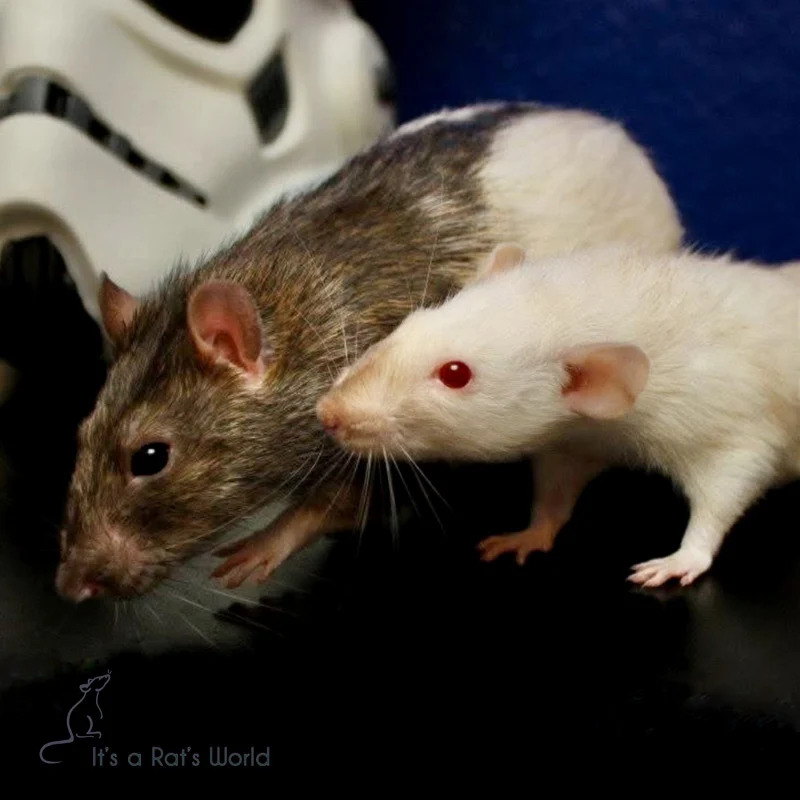
A common question for prospective rat owners revolves around selecting between male and female rats as companions. This inquiry often stems from a desire to understand potential differences in temperament, care requirements, and overall suitability as pets. While personal anecdotes and anecdotal evidence abound, a deeper examination of the physiological and behavioral characteristics of both sexes can provide a more informed basis for decision-making. Ultimately, both male and female rats possess unique qualities that make them exceptional pets, with individual personalities playing a significant role in their compatibility with owners.
Understanding the Physical Differences Between Male and Female Rats
One of the most immediately apparent distinctions between male and female rats lies in their size. On average, male rats tend to be larger than their female counterparts. Adult males typically measure between 10 to 12 inches in body length, excluding their tails, and weigh approximately 450 to 650 grams, which translates to about 1 to 1.4 pounds. In contrast, adult females generally range from 9 to 10 inches in body length and weigh between 350 to 450 grams, or roughly 12.3 ounces to 1 pound.
However, it is crucial to recognize that these are average figures, and considerable variation exists within each sex. Factors such as genetics, diet, and overall health can influence an individual rat’s size. For instance, some male rats may be smaller than average, while some females can be exceptionally large. Anecdotal evidence from experienced rat keepers suggests instances of males being no larger than females and females rivaling males in size. Similarly, specific individuals, like the documented male rats weighing up to 2 pounds and others around 1.8 pounds, illustrate the upper end of the size spectrum for males, while some females might not reach these larger sizes.
Beyond size, a noticeable difference can be observed in the texture of their fur. Adult intact male rats often produce more oil on their backs than females. This oily secretion, known as "buck grease," is typically orangish-yellow and can sometimes lead to a greasier coat. In some cases, the accumulation of buck grease can cause skin irritation and necessitate occasional baths. A significant change in fur texture can occur when male rats are neutered, as the reduction in hormone production often leads to a decrease in oil production, resulting in softer fur. Females, on the other hand, generally maintain a softer coat without the same level of oil accumulation.

Exploring the Olfactory Distinctions
A less commonly discussed but distinct difference between intact male and female rats is their natural aroma. Experienced rat owners often report being able to differentiate between sexes based on scent alone. Female rats are frequently described as having a pleasant, fragrant scent reminiscent of grape soda or a combination of grape and fabric softener. This aroma is often attributed to their natural body chemistry and is considered by many to be a delightful characteristic.
Intact male rats, in contrast, possess a different olfactory signature. Their scent is often likened to warm corn tortillas or tortilla chips. While this description might sound unusual, many find it to be a surprisingly pleasant and unique aroma. It is important to note that this scent is primarily associated with intact males and often diminishes or changes significantly after neutering. Male rats that have been neutered commonly adopt a scent profile similar to that of females, often described as flowery or grape-like.
The practice of "huffing," where owners deeply inhale the scent of their rats’ fur, highlights the unique and often appealing aromas that rats can possess. However, both sexes can sometimes develop less desirable odors. A phenomenon known as "marinating" occurs when rats, more commonly males, sleep in their soiled bedding or hammocks, leading to a strong urine odor. Excessive buck grease in males can also contribute to a less pleasant smell. In such instances, owners may resort to wiping their rats with unscented baby wipes or damp paper towels to help manage odor and cleanliness.
Behavioral Traits and Energy Levels: A Nuanced Perspective
The general perception often posits that male rats are more laid-back and inclined towards cuddling, while females are more energetic, prone to climbing, and less inclined to be held. However, personal experiences and detailed observations suggest a more nuanced reality. While it is true that male rats can become notably more sedentary as they age, particularly if neutered, they are often quite active during their younger years. Furthermore, a preference for lounging near their owner does not automatically equate to being cuddly, and some males may not enjoy being held directly.
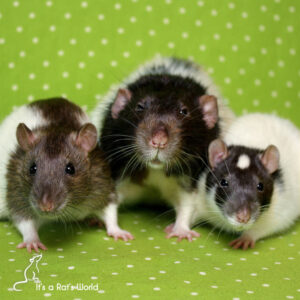
The energy levels of female rats can also vary significantly. While some females, like the anecdotal case of Leeloo who remained highly energetic until health issues arose, can be exceptionally active, many female rats also settle into a more relaxed demeanor as they mature, mirroring the behavior of their male counterparts. This tendency towards reduced activity in older age is a natural progression for many rats, regardless of sex.
A factor that can influence observed behaviors in females is their estrus cycle. Intact females typically go into heat every four to five days, a period that can be characterized by increased restlessness, hyperactivity, agitation, and distinct behaviors like ear wiggling. Owners who have only interacted with spayed females may miss out on observing these hormonal influences on behavior. The decision to spay or neuter can therefore impact the perceived personality and energy levels of a rat.
Ultimately, the assertion that one sex is inherently more cuddly or energetic than the other is often an oversimplification. Individual personality traits, genetic predispositions, and life experiences, including whether a rat has been spayed or neutered, play a far more significant role than sex alone in determining a rat’s inclination towards affection or activity.
Behavioral Differences: Social Maturity and Urine Marking
A more pronounced difference between male and female rats often emerges in their temperament, particularly concerning social maturity and urine marking. Rats reach puberty around 6 to 8 weeks of age. However, social maturity, the period when behavioral changes related to dominance and territoriality become more prominent, occurs later. While some sources suggest this period begins between 5 to 6 months for males, many experienced owners and breeders observe it extending to between 6 to 9 months.

During this transitional phase, some male rats may experience a personality shift. They can become more agitated, irritable, and potentially more aggressive towards cagemates or even their owners. While such instances are not universal and can be rare, they can necessitate intervention. Castration, or neutering, has been observed to significantly mitigate these hormonal-driven behavioral changes, restoring a calmer disposition.
Territoriality and aggression can also be a factor when introducing new rats, especially males to other males. Even seemingly docile males can exhibit territorial behavior when faced with a new conspecific. This does not imply that males are inherently incapable of coexisting peacefully or that all males are territorial. However, it suggests that introductions between male rats may require more patience and careful management. In cases where aggression poses a risk to other rats, separation of groups or neutering may be necessary.
Introductions between male and female rats, or between two females, are often reported to be less stressful than male-to-male introductions. Nevertheless, female rats can also display territorial behavior and resist the integration of new members into their social group, particularly during middle age. As they age, this tendency may diminish. Generally, many owners find that managing introductions with female rats is comparatively easier than with males exhibiting territorial tendencies.
Another distinct behavioral difference is urine marking. Intact male rats are considerably more prone to marking their territory, including their owners and belongings, with urine. While some males may reduce or cease this behavior once they acclimate to their environment, others continue throughout their lives. Female rats, conversely, exhibit far less propensity for urine marking.

In terms of litter box training, female rats are often perceived as being easier to train than males. However, it is common for both sexes to not consistently utilize a litter box, and some degree of house-soiling is to be expected.
The Impact of Spaying and Neutering
Sterilization procedures, spaying for females and neutering for males, have significant implications for both health and behavior, and understanding these impacts is crucial for responsible pet ownership.
1. Preventing Unplanned Litters: The most straightforward benefit of spaying and neutering is the prevention of unwanted pregnancies. Rats are prolific breeders, with females capable of producing litters of 8 to 18 pups. If males and females are housed together, even in adjacent cages, intact females can be highly motivated to escape and seek out males, potentially resulting in pregnancy. Sterilization is essential to prevent such occurrences.
2. Minimizing Health Risks: Both male and female rats are susceptible to hormone-related health issues, including mammary and pituitary tumors. However, female rats are particularly prone to developing mammary tumors. They also face risks of ovarian and uterine diseases, conditions that can significantly shorten their lifespan. Spaying female rats at a young age, ideally between 3 to 6 months, can dramatically reduce the incidence of these health problems. While some sources suggest a broader window for spaying (5-7 months), younger ages are generally considered more beneficial for preventing future health complications. The spay surgery for females is more invasive and costly than a neuter for males. Despite the risks and expense, spaying is widely considered a beneficial procedure for female rats. Anecdotal evidence suggests that females spayed later in life may still be at risk for mammary tumors, even if they were spayed.

3. Improving Behavior and Overall Well-being: For males, neutering offers several behavioral advantages. It helps to temper aggression, reduce urine marking, and decrease the production of buck grease. Furthermore, neutering can prevent the formation of penile plugs (vesical proteinaceous plugs) in older or mobility-challenged males, a condition that can cause discomfort and health issues. While less common, neutering can also prevent testicular cancer. The impact of neutering on reducing the risk of mammary or pituitary tumors in males is less extensively documented, but it contributes significantly to their overall health and behavioral stability.
It is vital for rat owners to consult with a veterinarian to discuss the specific benefits and risks associated with spaying and neutering for their individual pets. This collaborative approach ensures that the best decisions are made for the rat’s long-term health and happiness.
Considerations for Mixing Sexes
The decision to house rats of both sexes together requires careful consideration and, most importantly, sterilization of at least one of the individuals to prevent reproduction. However, the experience of housing mixed-sex pairs or groups can be incredibly rewarding. Many owners report observing strong bonds, even romantic "crushes," developing between male and female rats. In one documented instance, a male rat, whose aggression towards his cagemates subsided after neutering, maintained a profound and loving bond with his female companion, remaining by her side until her passing. Such deep connections underscore the capacity for affection and companionship that rats, regardless of sex, possess.
Ultimately, whether one chooses male rats, female rats, or a combination of both, the experience is likely to be filled with joy and companionship. The inherent delightfulness of rats as pets transcends gender. However, the responsibility of preventing accidental litters through appropriate sterilization remains paramount. By understanding the nuances of each sex and prioritizing responsible pet care, owners can ensure a fulfilling and harmonious relationship with their beloved rat companions.

