


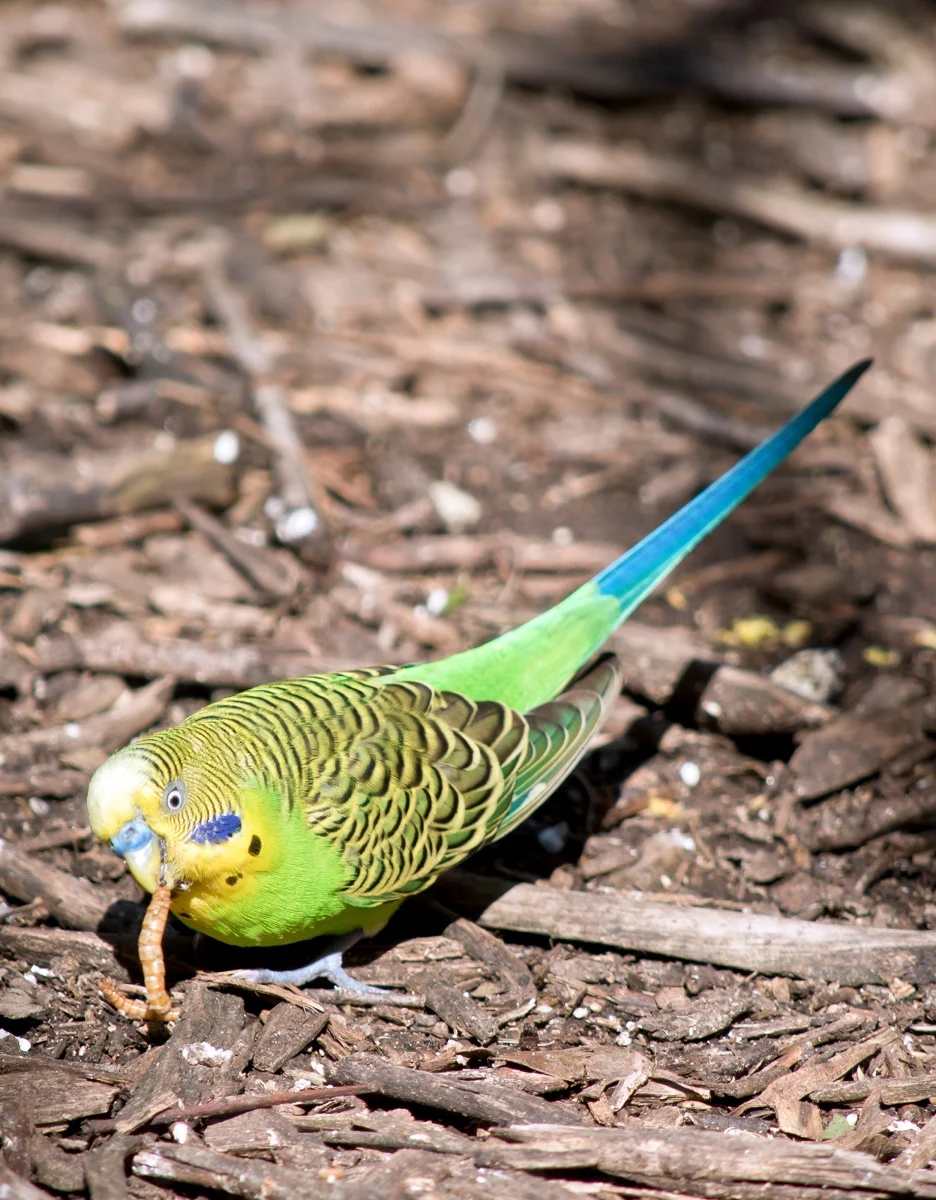
A diverse and balanced diet is paramount to the health and longevity of budgie parakeets, offering essential nutrients that bolster their immune system, maintain vibrant plumage, and support overall well-being. While commercial budgie feeds form a foundational component of their nutrition, supplementing with a variety of safe human-grade foods can significantly enrich their diet and provide crucial mental stimulation through foraging. However, discerning which household items are beneficial and which pose serious risks is a critical aspect of responsible pet ownership. This guide explores a comprehensive list of common foods found in most homes, categorizing them into safe additions and hazardous substances, providing vital information for budgie owners seeking to optimize their feathered companions’ dietary intake.
The Evolving Landscape of Avian Nutrition
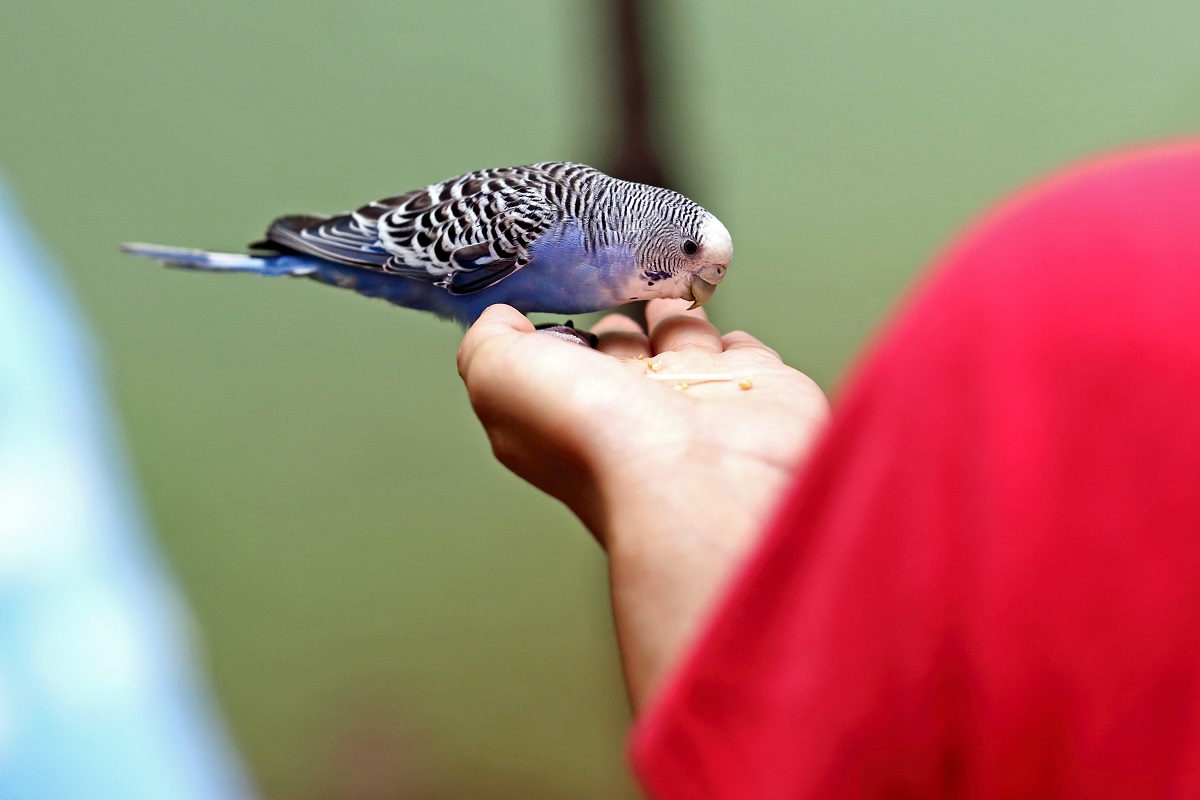
Historically, pet budgies were often maintained on an exclusive diet of seed mixes, a practice now widely recognized by avian veterinarians as insufficient and detrimental to long-term health. While seeds are a natural part of a wild budgie’s diet, the seeds typically found in commercial mixes are often high in fat and low in essential vitamins and minerals, leading to nutritional deficiencies, obesity, and associated health complications such as liver disease. Modern avian care advocates for a pelleted diet as the primary food source, supplemented generously with fresh vegetables, some fruits, and a carefully selected array of other wholesome foods. This approach more closely mimics the varied diet wild budgies consume, which includes diverse grass seeds, native plants, and occasional insects. Understanding the role of household foods within this broader dietary framework is key to providing optimal care.
Pantry Power: 19 Safe Household Foods for Your Budgie
Many common kitchen staples can be safely offered to budgies, providing both nutritional benefits and an exciting change of pace from their regular diet. The guiding principle for these additions is always "natural, unsalted, unsweetened, and unprocessed."
- Bread (Whole-Wheat, Unprocessed): While not a top-tier nutritional choice, small amounts of plain, whole-wheat bread can be offered occasionally. It is crucial to avoid white bread, brioche, or any bread laden with sugar, excessive salt, or other additives. Seeds on top, like sesame or poppy seeds, are generally safe.
- Sunflower Seeds (Unsalted): These are often a budgie favorite due to their high fat content, making them excellent training treats. However, their caloric density means they should be offered sparingly and always unsalted. Avoid seed mixes that feature sunflower seeds prominently as a daily staple.
- Peanut Butter (Natural, Unsalted): Natural peanut butter, consisting solely of peanuts and perhaps a tiny amount of salt, can be a safe, high-energy treat. Brands with added sugar, hydrogenated oils, or excessive salt are unsuitable. A tiny smear can be used strategically to encourage a budgie to explore new toys or foods, leveraging its irresistible taste.
- Boiled Eggs (Plain): A fantastic source of protein and calcium, plain boiled eggs are highly beneficial, particularly for laying hens who require extra nutrients. Any plain, cooked egg preparation, such as scrambled eggs without oil or salt, is also acceptable.
- Chia Seeds: These tiny seeds are a nutritional powerhouse, packed with Omega-3 fatty acids, fiber, and various minerals. While not native to Australia, budgies can safely consume them. They can be sprinkled in food bowls (approx. 1/4 tsp) or offered as part of a water-soaked pudding.
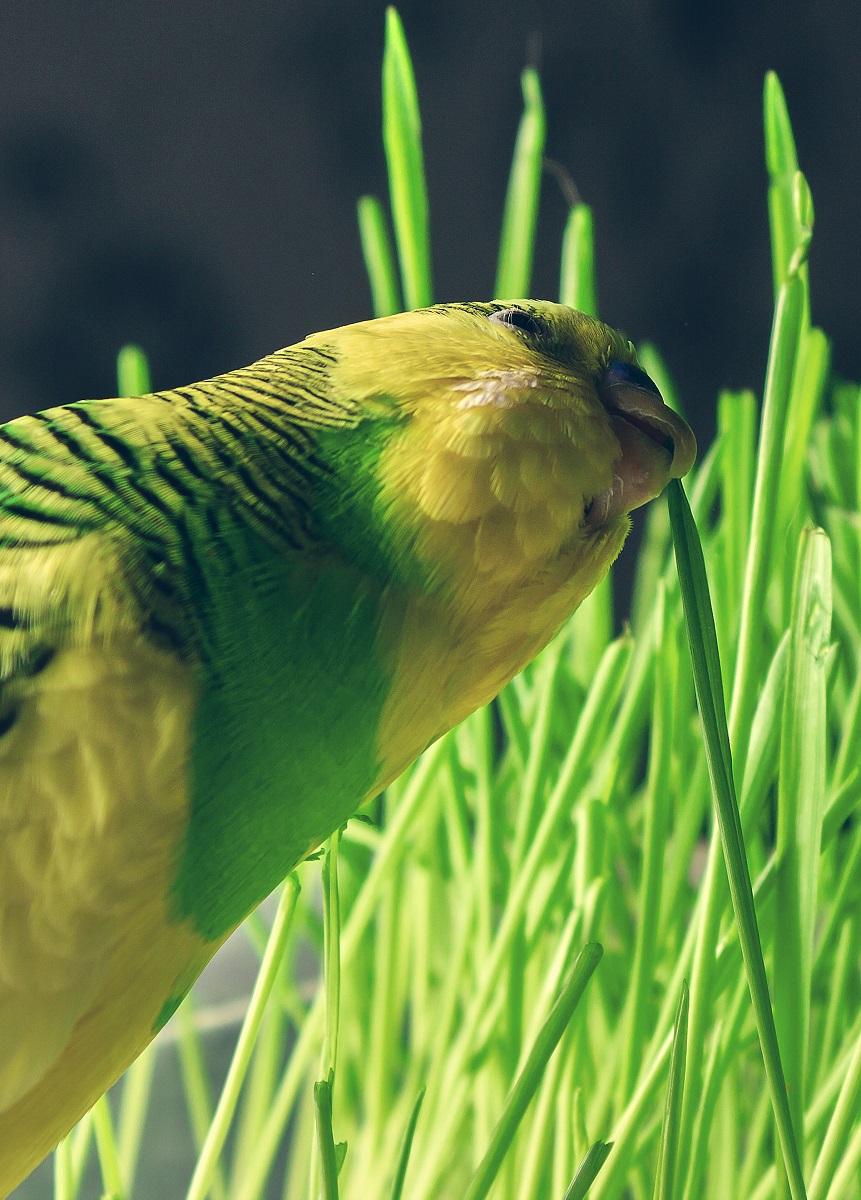
- Wheatgrass (Sprouted): An excellent source of vitamins and chlorophyll, sprouted wheatgrass offers both nutritional value and enrichment. Growing wheatgrass through a mesh prevents budgies from ingesting soil, which can contain harmful bacteria or additives.
- Cashews (Unsalted, Roasted or Raw): Like other nuts, cashews are safe in very small quantities. They must be unsalted. Due to their high fat content, a quarter of a crushed cashew nut is a sufficient portion for a budgie.
- Cheerios (Plain, Original): Unlike many sugary cereals, plain, original Cheerios have a relatively simple ingredient list (whole-grain oats, corn starch). However, they still contain some sugar and salt, so they should only be offered in very small pieces and on rare occasions.
- Pumpkin Seeds (Unsalted): Similar to sunflower seeds, unsalted pumpkin seeds are acceptable treats. Due to their larger size, owners may need to offer half a seed at a time, and assist with shelling if the budgie struggles.
- Almonds (Unsalted, Raw or Roasted): Unsalted almonds, offered in small, chopped pieces, are safe. Sprouting raw almonds can enhance their nutritional profile and digestibility. As with all nuts, moderation is key due to their fat content.
- Chicken (Plain, Cooked): While not a dietary necessity for most budgies, plain, cooked chicken breast or thigh can provide a protein boost, especially for birds under nutritional stress or laying eggs. All seasoning, oil, and skin must be removed.
- Dried Fruit (Unsweetened, No Preservatives): Natural, unsweetened dried fruits without added preservatives can be offered. However, the natural sugars become concentrated during dehydration, so portions should be very small. Home dehydration is ideal to ensure purity.
- Hemp Seeds: Often found in commercial bird seed mixes, hemp seeds are rich in healthy Omega-3 fatty acids. The varieties sold for consumption are non-psychoactive and safe for budgies.
- Pasta (Plain, Cooked or Dry): Plain, unsalted pasta, especially whole-wheat varieties, can be offered cooked or dry. Dry pasta pieces make excellent, edible foraging toys. Lentil, corn, or pea-based pastas are also acceptable.
- Pine Nuts (Unsalted): These small nuts are safe for budgies in tiny, unsalted quantities, adhering to the same principles as other nuts regarding fat content and moderation.
- Peanuts (Unsalted, Human-Grade): Peanuts have historically raised concerns due to the risk of Aspergillus mold, which can cause aspergillosis in birds. However, high-quality, human-grade, unsalted peanuts are generally safe in small amounts. Offering them in the shell can promote natural foraging behaviors.
- Popcorn (Plain, Air-Popped): Unsalted, unbuttered, air-popped popcorn is a safe and enjoyable treat for budgies. Its texture is often appealing, and it can be incorporated into homemade bird toys.
- Quinoa (Cooked or Uncooked): As a member of the Amaranth family, quinoa is a nutritious grain rich in protein and micronutrients. It can be offered cooked or uncooked, with white, red, and black varieties all being suitable.
- Rolled Oats (Plain): Rolled or steel-cut oats are a good source of fiber and carbohydrates. They can be offered plain, soaked in water, or mixed with unsweetened nut milk (like almond milk). If using nut milk, ensure it’s truly unsweetened and be mindful of the stickiness once dry.
Best Practices for Offering Safe Foods:
- Wash Thoroughly: Always wash fresh produce to remove pesticides and contaminants.
- Portion Control: Offer small amounts, especially when introducing new foods.
- Observe Reactions: Monitor your budgie for any adverse reactions after introducing a new food.
- Remove Promptly: Uneaten fresh foods should be removed from the cage within a few hours to prevent spoilage and bacterial growth.
- Variety and Rotation: Rotate safe foods regularly to ensure a broad spectrum of nutrients and prevent boredom.
The Perilous Pantry: 9 Foods to Strictly Avoid for Budgies
Just as there are beneficial foods, there are numerous common household items that are toxic or highly detrimental to budgie health. Owners must be vigilant to prevent accidental ingestion.
- Avocado: This is one of the most explicitly toxic foods for budgies and many other pets. Avocados contain persin, a fungicidal toxin that can cause severe respiratory distress, cardiac issues, weakness, and even sudden death. Due to their small size, budgies are particularly sensitive to persin. Immediate veterinary attention is required if ingestion is suspected.
- Chocolate: Containing both theobromine and caffeine, chocolate is highly toxic to birds. These compounds can cause hyperactivity, tremors, seizures, cardiac arrhythmias, and can be fatal. All forms of chocolate, from cocoa powder to dark chocolate, pose a significant risk.
- Honey: While seemingly natural, honey can contain Clostridium botulinum bacteria, which can produce toxins leading to botulism. This condition is rare but can be deadly for budgies. Additionally, honey’s high sugar content is entirely unsuitable for a budgie’s diet, offering no nutritional benefit and posing risks for obesity and diabetes.
- Chips (Potato and Corn): Processed snack chips are a cocktail of salt, unhealthy fats, artificial flavorings, and preservatives. None of these ingredients are appropriate for a budgie’s delicate system. High sodium can lead to dehydration and kidney problems, while excessive fat contributes to liver disease.
- Aloe Vera (Plant Leaves): Although the clear gel inside an Aloe leaf is generally considered safe for topical use, the yellowish layer beneath the leaf’s skin contains aloin. Aloin has a strong laxative effect, which can cause severe gastrointestinal distress, diarrhea, and dehydration in birds.
- Ice Cream: Budgies, like most birds, are lactose intolerant. Ingesting dairy products like ice cream will lead to digestive upset, including diarrhea and vomiting. Furthermore, ice cream is excessively high in sugar and unhealthy fats, making it a poor choice.
- Cheese: While some parrot owners might offer small pieces of hard cheese (which has lower lactose levels), it is generally not recommended. Cheese is high in fat and salt, both of which are detrimental to budgie health. Soft cheeses are particularly problematic due to their higher lactose content.
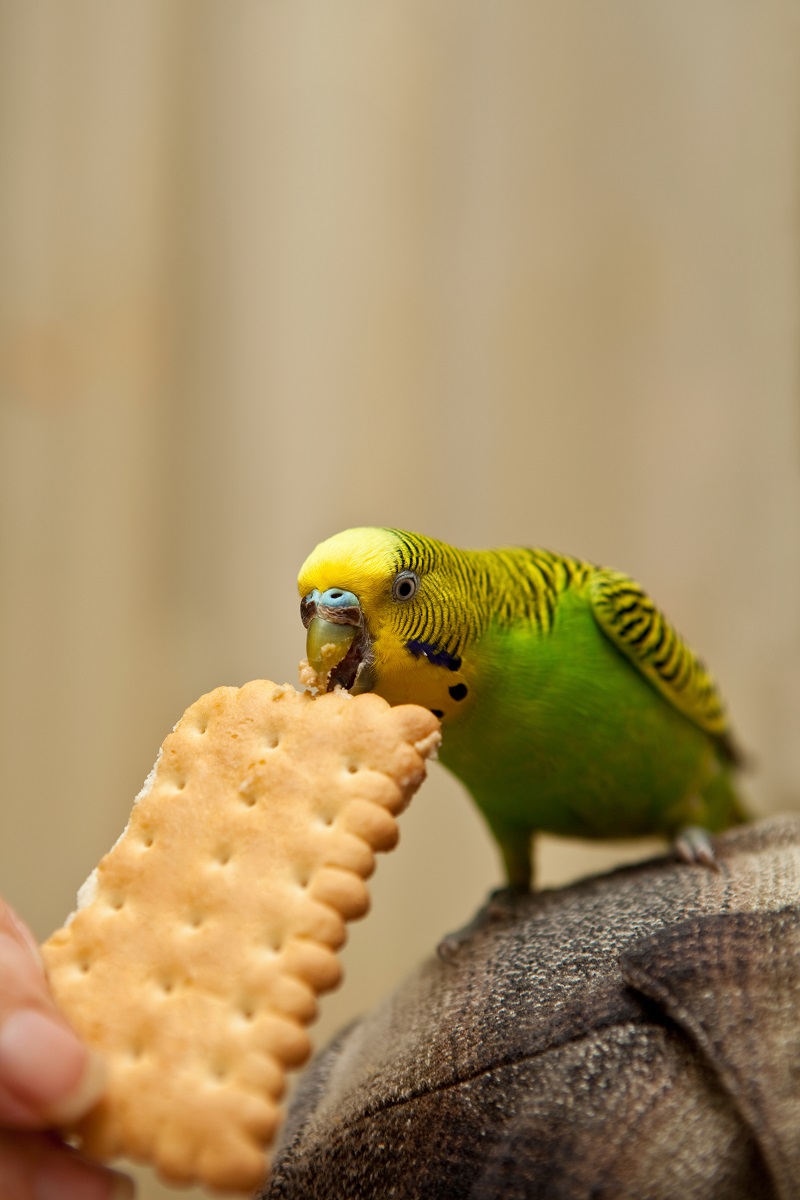
- Crackers (Savory): Most savory crackers contain vegetable oils, high levels of salt, and often refined flours. While a few crumbs might not be immediately fatal, regular consumption can contribute to poor health, including obesity and kidney issues.
- Biscuits (Cookies/Sweet Biscuits): Regardless of whether "biscuit" refers to a savory leavened bread or a sweet cookie, these items are typically loaded with sugar, unhealthy fats, and preservatives. They offer no nutritional value and pose significant health risks, including obesity, diabetes, and digestive upset.
Other Toxic Items to Note:
- Alcohol: Extremely toxic, causing liver damage and central nervous system depression.
- Caffeine (Coffee, Tea, Soda): Can cause cardiac issues, hyperactivity, and seizures.
- Onions and Garlic: Belonging to the Allium family, these contain sulfur compounds that can cause hemolytic anemia in birds, damaging red blood cells.
- Apple Seeds: Contain cyanide, which is toxic. Always remove seeds before offering apple flesh.
- Xylitol: A sugar substitute found in many sugar-free products, xylitol is highly toxic to many animals, including birds, causing rapid drops in blood sugar and liver failure.
Recognizing and Responding to Toxic Ingestion:
Symptoms of toxic ingestion can vary widely depending on the substance and amount consumed but may include lethargy, vomiting, diarrhea, tremors, seizures, labored breathing, or sudden collapse. If you suspect your budgie has ingested a toxic substance, it is crucial to act immediately.
- Remove the Source: Safely remove your bird from the toxic item.
- Contact Your Avian Veterinarian: This is the most critical step. Provide as much detail as possible about what was ingested, how much, and when. Do not attempt home remedies without veterinary guidance.
- Observe Closely: Monitor your budgie’s behavior and physical condition for any changes while awaiting veterinary advice or transport.
Beyond the Plate: Nutritional Nuances and Expert Advice
Providing a balanced diet is a continuous learning process. The ideal budgie diet revolves around a high-quality pelleted food, supplemented daily with fresh, dark leafy greens, various vegetables, and small amounts of safe fruits. The household foods discussed here serve as valuable additions to this core diet, offering variety and enrichment. Foraging opportunities, such as hiding treats in toys or spreading them around a foraging tray, encourage natural behaviors and combat boredom.
It is always advisable to consult with an avian veterinarian regarding your budgie’s specific dietary needs, especially if your bird has pre-existing health conditions or unusual eating habits. They can provide tailored advice and ensure your feathered friend receives the best possible nutrition for a long, healthy, and happy life. By carefully managing their diet, budgie owners play a pivotal role in promoting the overall welfare of these cheerful parakeets, transforming ordinary kitchen items into extraordinary elements of their care.

