


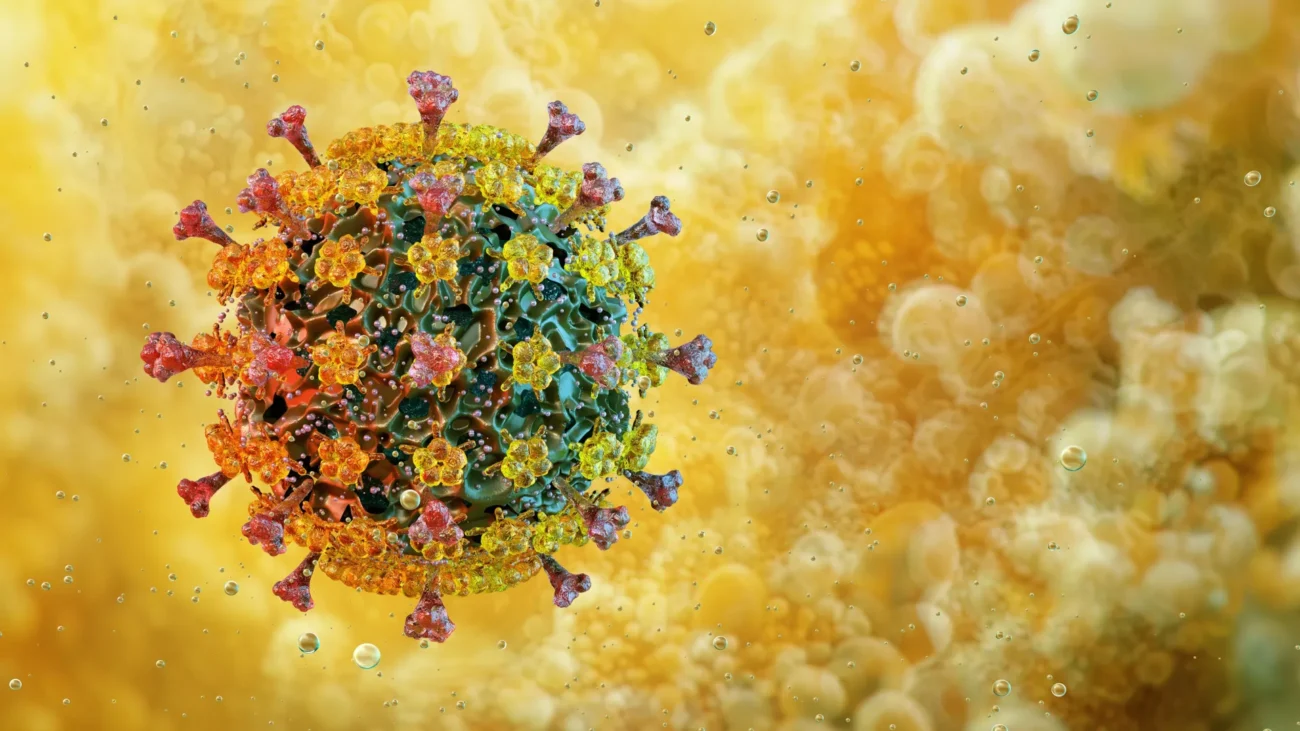
A groundbreaking study spearheaded by researchers at the Universities of Cambridge and Glasgow has illuminated a critical factor behind the formidable threat posed by avian influenza viruses to human health. The findings, published on November 28th in the prestigious journal Science, reveal that these bird-borne viruses possess a remarkable ability to replicate even at temperatures that would typically cripple human influenza strains. This resilience is directly linked to a specific gene, offering crucial insights into why past pandemics emerged and how future outbreaks might be better anticipated.
The Unsettling Resilience of Avian Flu
For decades, scientists have observed that while human influenza viruses generally thrive in the cooler conditions of the upper respiratory tract (around 33°C), they are significantly hampered by the elevated temperatures characteristic of a fever (up to 41°C). Fever, a vital component of the body’s immune defense, acts as a biological deterrent, slowing down the multiplication of many viral pathogens. However, new research indicates that avian influenza viruses, the same strains that cause outbreaks in poultry and occasionally spill over into human populations, operate on a different thermal principle. They are not only tolerant of, but can actively replicate at, temperatures that would effectively shut down their human-adapted counterparts. This inherent resistance to fever is a primary reason why avian flu poses a disproportionately severe risk when it does infect humans, often leading to severe illness and a higher fatality rate.
Unraveling the Thermal Advantage: The PB1 Gene’s Central Role
The core discovery of this latest research centers on the PB1 gene, a crucial component responsible for the replication of the viral genetic material within infected host cells. The study meticulously details how the presence of an avian-like PB1 gene confers a significant thermotolerance upon influenza viruses. Experiments conducted with mice, a common model for studying influenza pathogenesis, provided compelling evidence.
In these experiments, researchers simulated fever conditions in mice infected with influenza viruses. They observed that elevating the body temperature of the mice to fever levels was highly effective in inhibiting the replication of a laboratory-adapted human-origin influenza strain (PR8). This outcome aligns with established understanding of how fever typically combats viral infections. However, when avian influenza viruses were subjected to similar temperature increases, their replication remained largely unimpeded. A mere 2°C rise in body temperature was sufficient to transform what would have been a lethal infection with a human-origin strain into a mild one, while the avian strains continued their destructive course.
This differential response underscores the critical role of the PB1 gene. Viruses equipped with an avian-derived PB1 gene demonstrated a marked ability to withstand the thermal stress of a fever, allowing them to continue their replication and cause significant disease. Conversely, human flu viruses, lacking this specific genetic adaptation, were effectively suppressed by the simulated fever.
A Historical Context: Pandemics and Gene Swapping
The implications of this finding extend beyond current understanding, offering a potential explanation for the severity of past influenza pandemics. The study highlights that during the major global flu pandemics of 1957 and 1968, the PB1 gene from avian influenza viruses appears to have transferred into circulating human flu strains. This genetic exchange, a phenomenon known as reassortment, is a well-documented mechanism by which novel and potentially more virulent influenza viruses emerge.
During these historical pandemics, the acquisition of an avian-like PB1 gene by human influenza strains likely provided them with the same fever-defying capabilities observed in the current study. This would have enabled these novel viruses to replicate more efficiently within the human population, even in the presence of fever, thereby contributing to their widespread dissemination and the severe illness that characterized those global health crises. The research thus provides a crucial molecular explanation for the enhanced pathogenicity observed during these pivotal pandemic events.
The Mechanism of Fever and Viral Inhibition
To fully appreciate the significance of these findings, it’s important to revisit the general mechanism by which fever combats viral infections. When the body detects a pathogen, it initiates a complex inflammatory response. One of the key outcomes of this response is an increase in body temperature, a process known as fever. Elevated temperatures can disrupt the delicate molecular machinery that viruses rely on for replication. This includes interfering with the function of viral enzymes, such as polymerases, which are essential for copying the viral genome, and destabilizing viral proteins. Furthermore, higher temperatures can enhance the efficacy of the immune system itself, accelerating the activity of immune cells and the production of antiviral compounds.
However, not all viruses are equally susceptible to these thermal challenges. Avian influenza viruses, having evolved in environments and hosts that often experience higher temperatures (e.g., the gut of birds, which can reach up to 40-42°C), have developed genetic adaptations that confer a remarkable degree of heat resistance. The PB1 gene, as identified in this study, appears to be a linchpin in this adaptive strategy. Its structure or function is such that it can continue to operate effectively even when subjected to the elevated temperatures associated with a mammalian fever.
Broader Implications for Public Health and Pandemic Preparedness
The identification of the PB1 gene as a key determinant of fever resistance has profound implications for global public health and pandemic preparedness efforts.
Surveillance and Early Warning Systems: Dr. Matt Turnbull, the study’s first author from the MRC-University of Glasgow, emphasized the critical need for continuous monitoring of avian flu strains. "The ability of viruses to swap genes is a continued source of threat for emerging flu viruses," he stated. "We’ve seen it happen before during previous pandemics, such as in 1957 and 1968, where a human virus swapped its PB1 gene with that from an avian strain. This may help explain why these pandemics caused serious illness in people." Dr. Turnbull suggested that testing potential spillover viruses for their resistance to fever could serve as an early indicator of their potential virulence in humans. This could allow public health agencies to prioritize surveillance and intervention efforts towards the strains posing the greatest risk.
Understanding Pathogenicity: Professor Sam Wilson, the senior author from the Cambridge Institute for Therapeutic Immunology and Infectious Disease, highlighted the persistent danger posed by bird flu. "Thankfully, humans don’t tend to get infected by bird flu viruses very frequently, but we still see dozens of human cases a year," he noted. "Bird flu fatality rates in humans have traditionally been worryingly high, such as in historic H5N1 infections that caused more than 40% mortality." Understanding the precise mechanisms, such as the thermal resistance conferred by the PB1 gene, that enable bird flu viruses to cause severe illness in humans is crucial for developing effective countermeasures and informing pandemic preparedness strategies, particularly in the context of highly pathogenic avian influenza viruses like H5N1.
Rethinking Fever Treatment: The findings also raise intriguing questions about the traditional approach to managing fever in influenza patients. While fever is often a distressing symptom, its role in combating viral infections is significant. Some clinical evidence has suggested that aggressive fever reduction with antipyretic medications (like ibuprofen and aspirin) might not always be beneficial and could potentially even facilitate viral spread in humans. This new research provides a potential biological underpinning for such observations, suggesting that suppressing a fever that the virus is already resistant to might not only be ineffective but could, in some cases, remove a natural barrier to viral replication. However, the researchers stressed that more studies are necessary before any changes are made to clinical treatment recommendations.
The Global Threat Landscape of Avian Influenza
Avian influenza, commonly known as bird flu, is a disease caused by influenza viruses that primarily infect birds. While wild birds, particularly waterfowl, are natural reservoirs for many strains of avian influenza viruses and often show no signs of illness, these viruses can cause severe disease and death in domestic poultry. The concern for human health arises from the potential for these viruses to "spill over" from infected birds to humans.
Historical Context of Spillover Events:
- H5N1: This highly pathogenic avian influenza virus has been a significant concern since its emergence in Hong Kong in 1997. Human infections have been relatively rare but have carried an exceptionally high fatality rate, often exceeding 50% in reported cases. This has led to widespread fear of a potential H5N1 pandemic.
- H7N9: This strain emerged in China in 2013 and has also caused severe human illness and fatalities, though with a lower case fatality rate than H5N1.
- Other Strains: Various other avian influenza strains, including H5N6, H7N4, and H9N2, have also been responsible for sporadic human infections, demonstrating the ongoing risk of interspecies transmission.
The economic impact of avian flu is also substantial, with recurrent outbreaks in poultry leading to mass culling of birds, significant financial losses for the agricultural sector, and disruptions to international trade. The constant evolution of these viruses, coupled with their ability to reassort with human influenza viruses, creates a dynamic and unpredictable threat landscape.
Future Research Directions and Funding
This landmark study was made possible through significant funding from various national and international research bodies. The Medical Research Council provided primary funding, with additional support from the Wellcome Trust, the Biotechnology and Biological Sciences Research Council, the European Research Council, the European Union Horizon 2020 program, the UK Department for Environment, Food & Rural Affairs, and the US Department of Agriculture.
Moving forward, researchers aim to build upon these findings by:
- Investigating the specific structural and functional changes in the avian PB1 protein that confer heat resistance.
- Examining other genes that might contribute to the thermotolerance of avian influenza viruses.
- Conducting further in vivo studies to assess the impact of fever management on the outcomes of avian flu infections in more complex mammalian models.
- Developing and validating diagnostic tools that can quickly assess the fever resistance of newly identified influenza strains.
- Exploring potential therapeutic strategies that could specifically target the heat-resistant replication mechanisms of avian influenza viruses.
The research signifies a crucial step forward in understanding the complex interplay between influenza viruses, host temperature, and disease severity. By unraveling the genetic basis of avian flu’s remarkable resilience, scientists are better equipped to predict, prepare for, and ultimately mitigate the threat of future influenza pandemics.

