


The question of whether pet birds benefit from antioxidant support during heightened stress periods, such as molting, aging, hormonal cycles, routine changes, or dietary limitations, frequently arises among avian enthusiasts and caregivers. The concise answer is affirmative, though with important caveats: such support is beneficial in specific situations, and always as an integral component of a broader, well-rounded nutritional strategy. While daily antioxidant supplementation is typically unnecessary for most birds, periods where a bird’s physiological systems are under increased demand can warrant thoughtful, targeted intervention to aid in maintaining normal cellular function and bolstering overall resilience. This inquiry often originates from observant owners who detect subtle shifts in their birds’ demeanor or physical state, signaling a need for proactive, long-term wellness support without resorting to excessive measures. This comprehensive analysis aims to demystify the role of antioxidants, clarify the concept of oxidative stress as a normal biological process, delineate scenarios where additional support is judicious, and distinguish situations where it is likely superfluous, providing a fact-based context devoid of sensational claims.
Understanding Oxidative Stress in Avian Physiology
Oxidative stress is an inherent biological process, a fundamental consequence of aerobic life. For birds, every essential function – from metabolic processes involved in digestion and respiration to physical activities like flight and feather growth – generates metabolic byproducts. Among these byproducts are reactive oxygen species (ROS), commonly known as free radicals. These unstable molecules possess unpaired electrons, making them highly reactive and capable of causing damage to cellular components such as DNA, proteins, and lipids if their levels become excessive. While the body possesses its own intrinsic antioxidant defense systems to neutralize these free radicals, an imbalance between free radical production and the body’s ability to counteract them leads to oxidative stress. This state, if prolonged or severe, can contribute to cellular dysfunction and impact overall health.
Antioxidants are crucial nutrients that assist the body in maintaining this delicate cellular balance. They function not by halting oxidative processes entirely, but by efficiently neutralizing free radicals, thereby preventing or mitigating potential cellular damage. The avian metabolism is remarkably rapid, a physiological adaptation that facilitates their high energy demands for flight and sustains their vibrant, active personalities. This heightened metabolic rate, however, also means their bodies are in a constant state of work, necessitating robust nutritional support to maintain equilibrium. Over time, consistent and appropriate antioxidant support can contribute significantly to the smooth functioning of bodily systems, enhancing a bird’s physical condition and its intrinsic capacity to manage daily stressors.
The prevalence of this topic in bird owner communities, including online forums, underscores a growing awareness among caregivers about advanced avian nutrition. Most individuals inquiring about antioxidants are already implementing sound husbandry practices, providing balanced pelleted diets complemented by fresh, plant-based foods, adhering to consistent routines, and meticulously observing their birds’ behavioral patterns. Their motivation is not to chase ephemeral trends or seek miraculous solutions, but to make informed, deliberate choices that genuinely support their avian companions’ well-being without becoming overwhelmed by misinformation.
The Unique Environmental and Physiological Demands on Pet Birds
Even impeccably cared-for parrots inhabit environments vastly different from their wild counterparts. This divergence introduces several factors that contribute to a bird’s daily metabolic workload and, consequently, their susceptibility to oxidative stress. Indoor air quality, often laden with household chemicals or pollutants; artificial lighting cycles that may disrupt natural circadian rhythms; limited opportunities for varied foraging, which in the wild provides a diverse array of nutrients; the consumption of processed foods, even high-quality pellets, which may lack certain phytonutrients present in whole, fresh foods; sudden or gradual routine changes; and various forms of social stress (e.g., inadequate social interaction, perceived threats, changes in flock dynamics) all impose demands on a bird’s physiology. These factors do not necessarily indicate substandard care but rather highlight the inherent challenges of replicating a natural environment. Recognizing these normal demands underscores the profound role of superior nutrition in enabling birds to cope, recover, and ultimately thrive over their extended lifespans.
Critical Periods for Enhanced Antioxidant Support
Certain physiological states and environmental circumstances significantly increase a bird’s metabolic requirements, making them particularly opportune times for targeted antioxidant support.
Molting: The process of feather production is an extraordinarily nutrient-intensive undertaking. Feathers are composed primarily of keratin, a protein, and their growth demands significant quantities of amino acids, vitamins, and minerals. A single molting cycle can involve replacing up to 25% of a bird’s total body weight in feathers. This massive protein synthesis and cellular regeneration process places substantial metabolic strain on the bird, even those maintained on excellent diets. Antioxidants can help mitigate the increased oxidative load associated with this rapid cell turnover and energy expenditure, supporting efficient feather regrowth and overall vitality.
Aging: As birds age, their physiological systems, much like those of other animals, become less efficient. Older birds and rescue birds, who may have endured prior neglect or stress, often exhibit a reduced capacity to recover from physiological and environmental stressors. Their metabolic processes may slow, immune function can decline, and their ability to produce endogenous antioxidants may diminish. Targeted antioxidant support can aid in buffering age-related cellular wear and tear, supporting cognitive function, and enhancing their overall resilience to change and illness.
Dietary Limitations: The cornerstone of optimal avian nutrition is a varied diet rich in fresh, plant-based foods. These natural sources are replete with a wide spectrum of antioxidants, including vitamins C and E, carotenoids, flavonoids, and polyphenols. However, many captive birds, despite their owners’ best intentions, do not consistently consume a sufficiently diverse array of fresh produce. This lack of dietary variety can lead to nutritional gaps, including insufficient intake of natural antioxidants. In such cases, supplemental support can bridge these gaps, ensuring the bird receives a broader spectrum of protective compounds.
Hormonal or Seasonal Shifts: Changes in light cycles, sleep patterns, and reproductive hormones can significantly impact a bird’s physiology and behavior. Seasonal changes can trigger breeding behaviors, which are metabolically demanding, involving nest building, egg laying, and chick rearing. These periods of heightened activity and hormonal flux increase physical demands and can elevate oxidative stress. Antioxidant support can help stabilize cellular function during these energetic shifts.
Environmental or Emotional Stress: Birds are highly sensitive creatures. Routine changes, exposure to unfamiliar noises, travel, rehoming, or social disruptions within the household (e.g., new pets, visitors, changes in family dynamics) can all induce significant psychological and physiological stress. Stress responses trigger the release of hormones like corticosterone, which, while adaptive in the short term, can contribute to increased oxidative stress if prolonged. During such periods, the body’s nutrient requirements, including those for antioxidants, are elevated to cope with the physiological cascade initiated by stress.
The Role and Limitations of Antioxidant Support
It is crucial to understand what antioxidant support entails and, equally important, what it does not.
What it IS: Antioxidant support is a simple, proactive method to provide the body with additional resources during periods of normal, yet elevated, stress. It integrates seamlessly into existing care routines, typically by adding beneficial nutrients to food or water already being provided. It acts as a supportive measure, reinforcing the body’s natural defenses.
What it IS NOT: Antioxidant support is not a panacea for behavioral issues, nor is it a substitute for fundamental care practices. It works synergistically with a foundation of excellent nutrition, consistent routines, mental and physical enrichment, and appropriate veterinary care. It cannot "fix" underlying health problems or compensate for chronic neglect. Serious symptoms such as sudden weight loss, lethargy, significant appetite changes, breathing difficulties, or drastic behavioral shifts warrant immediate consultation with an avian or exotic veterinarian, not merely the addition of supplements.
A helpful analogy is to view a varied, nutrient-rich diet as protective "armor" against the daily onslaught of environmental and metabolic stressors. Incorporating elements like herbs, specific seeds, or plant-based nutritional toppers into a bird’s daily chop is one of the most accessible ways to consistently build this protective layer. Rotating different plant-based nutritional supports over time acts as a form of nutritional insurance, helping to preemptively cover potential nutritional gaps before they manifest as health issues. This simple, consistent habit can significantly ease the burden of long-term avian care.
When Antioxidant Support May Be Unnecessary
If a bird is consistently consuming a balanced pelleted diet alongside a diverse array of fresh, plant-based foods, and exhibiting normal, healthy behaviors, additional antioxidant supplementation may not be immediately necessary. Indicators of a strong foundational health status include maintaining a healthy weight, consistent appetite, regular activity levels, vibrant and appropriate feather condition for the season, steady energy, and relaxed, positive engagement with its environment and human companions.
It is important to reiterate that birds generally do not require a plethora of synthetic additives to thrive. A foundation built upon high-quality pellets, simple, whole plant-based nutrition, and consistent care often yields superior results compared to relying on heavily processed supplements, especially those with lengthy ingredient lists resembling a chemical formula rather than real food. The emphasis should always be on whole-food nutrition first.
Common Misconceptions and Responsible Implementation
Well-meaning bird owners, driven by deep affection for their pets, sometimes make common mistakes that can inadvertently complicate avian care.
Simultaneous Changes: One frequent error is altering multiple variables—diet, lighting, routines, and supplements—all at once. When such widespread changes are implemented concurrently, it becomes virtually impossible to ascertain which specific intervention yielded positive effects or, conversely, induced stress or negative outcomes. A systematic approach, introducing one change at a time and observing its impact, is paramount for accurate assessment.
Context-Free Advice: While online communities and social media groups offer invaluable platforms for sharing experiences and insights, they cannot replace the nuanced understanding of an individual bird’s specific needs. Birds, even within the same species, possess unique genetic predispositions, health histories, personalities, and environmental conditions. What proves beneficial for one bird may be entirely superfluous or even detrimental to another. Context is always critical when evaluating advice. A recommendation that aids a bird recovering from illness, for instance, may be entirely unnecessary for a healthy, thriving individual.
Antioxidant-Rich Foods for a Healthy Avian Foundation
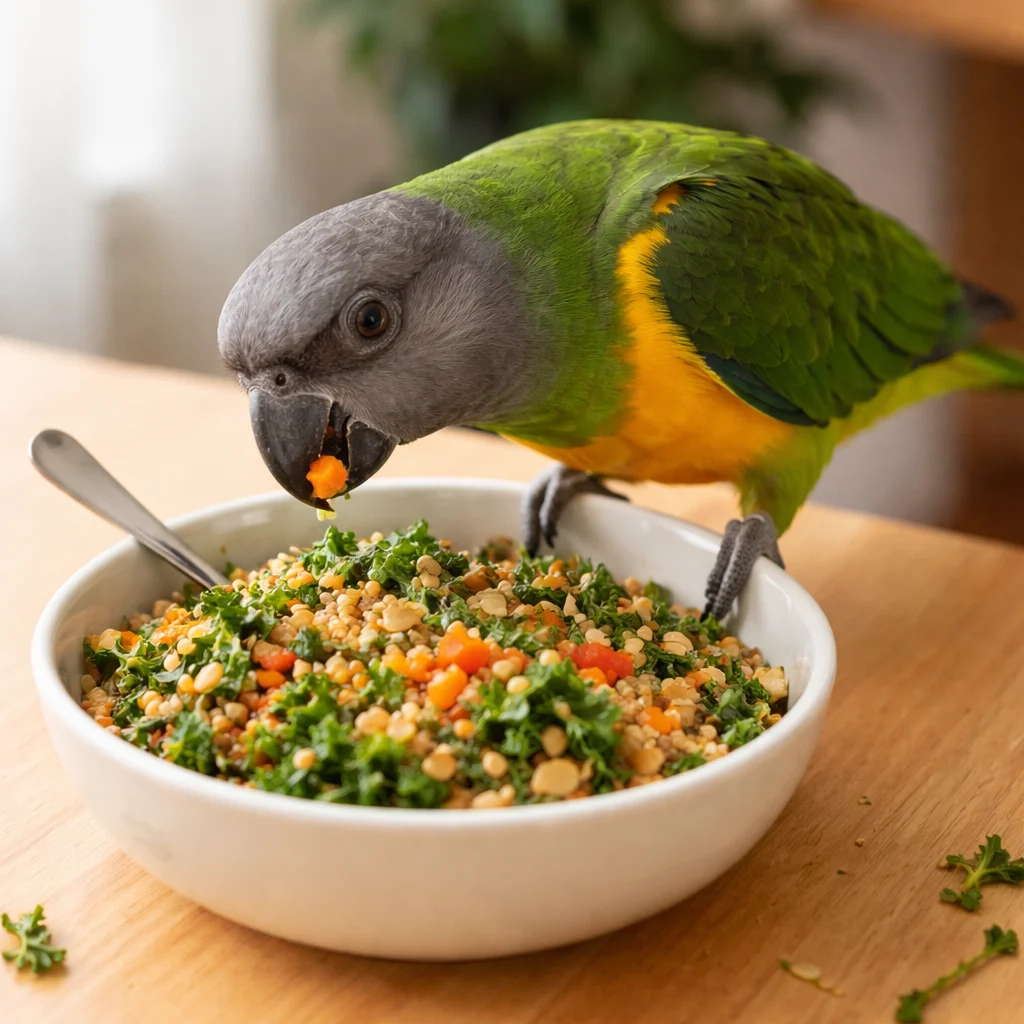
Building a diet rich in natural antioxidants is the most effective and safest approach. Examples of antioxidant-rich foods that can be incorporated into a parrot’s diet include:
- Dark Leafy Greens: Kale, spinach, collard greens, dandelion greens are packed with vitamins A, C, E, and various carotenoids.
- Berries: Blueberries, raspberries, strawberries, and cranberries are powerhouses of anthocyanins and vitamin C.
- Colorful Vegetables: Bell peppers (especially red and yellow), carrots, sweet potatoes, and squash are rich in beta-carotene and other carotenoids.
- Cruciferous Vegetables: Broccoli and cauliflower contain glucosinolates and other potent antioxidants.
- Certain Seeds: Hemp seeds, chia seeds, and flaxseeds offer omega-3 fatty acids and lignans, which have antioxidant properties.
- Herbs and Spices: Turmeric, ginger, and parsley contain curcuminoids, gingerols, and flavonoids, respectively.
When considering supplemental antioxidant support, exploring options specifically formulated for birds, often derived from natural plant sources, can be a prudent step. These are designed to be easily integrated into their diet.
A Safe and Effective Approach to Avian Health
The most effective approach to bird health is often characterized by simplicity and consistency.
Start Small and Observe: When introducing any new dietary component or supplement, begin with a small amount and meticulously observe the bird for any changes in appetite, the consistency or appearance of droppings, energy levels, and overall behavior. This allows for a gradual adaptation and helps pinpoint the effects of the new addition.
Professional Veterinary Consultation: It cannot be overstressed that sudden, significant changes in a bird’s health—such as unexplained weight loss, pronounced lethargy, severe appetite reduction, signs of respiratory distress, or dramatic shifts in temperament or behavior—are clear indicators that immediate professional veterinary attention is required. These symptoms signal potential underlying medical conditions that cannot be resolved through dietary supplements alone and demand prompt diagnosis and treatment by an avian or exotic veterinarian.
Holistic Avian Wellness in Practice
Supporting a bird’s health does not necessitate an overly complicated regimen. Rather, it is the cumulative effect of small, consistent, and informed choices that ultimately contribute most significantly to their long-term well-being. A robust everyday diet, carefully balanced and diverse, undertakes the majority of the "heavy lifting" in maintaining health. Thoughtfully integrated and rotating plant-based nutritional supports can then provide an invaluable boost during periods when a bird’s physiological needs are elevated, ensuring comprehensive care without leading to over-supplementation. This balanced perspective empowers bird owners to be proactive, informed, and effective advocates for their cherished companions’ health.
Quick Recap
- Targeted Support: Antioxidants can benefit pet birds during specific high-stress periods, not necessarily daily.
- Oxidative Stress: A normal biological process, but an imbalance can lead to cellular damage.
- Key Stressors: Molting, aging, hormonal cycles, limited diet variety, and environmental/emotional stress increase metabolic demand.
- Antioxidant Role: Neutralize free radicals, support cellular function, and enhance resilience.
- Holistic Approach: Supplements are not a cure-all; they complement a foundation of excellent diet, consistent routines, enrichment, and veterinary care.
- Responsible Practice: Introduce changes gradually, observe carefully, and consult an avian vet for serious health concerns.
- Natural Sources: Prioritize a diet rich in fresh, plant-based foods for natural antioxidant intake.
This comprehensive guide, informed by over 25 years of hands-on experience in parrot health, behavior, and nutrition, emphasizes evidence-based care and practical routines essential for real bird owners. It highlights the importance of understanding complex nutritional concepts in a practical, accessible manner, ensuring that the well-being of avian companions remains at the forefront of husbandry practices.

