


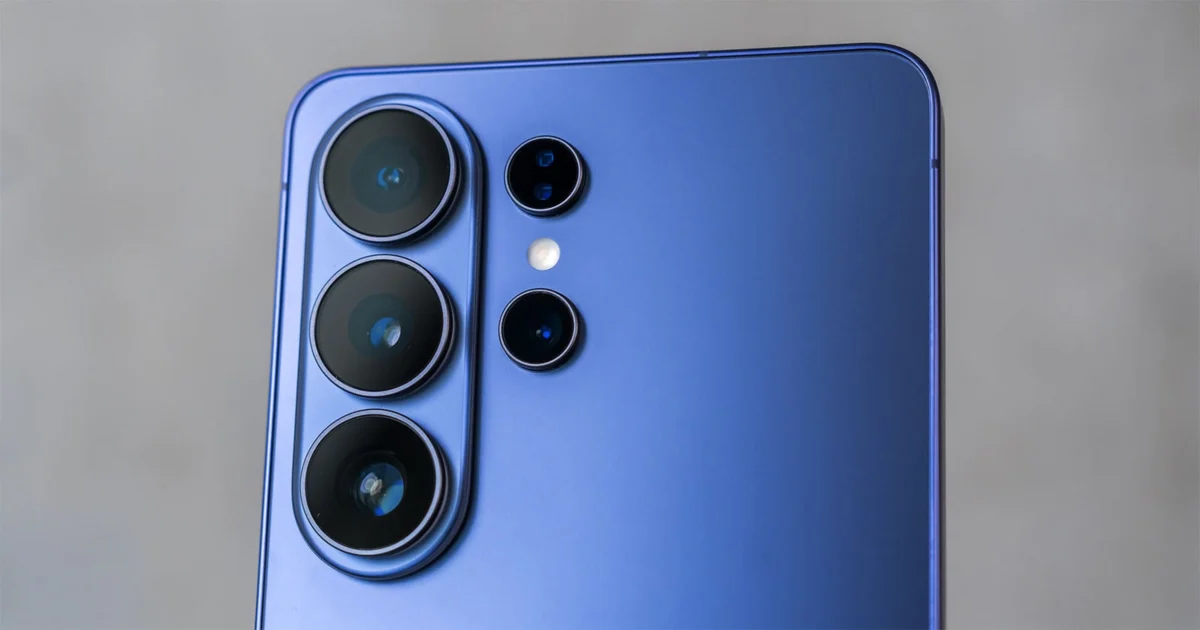
For over a decade, Samsung has been synonymous with the vanguard of Android mobile photography. The South Korean tech giant built its global reputation on a foundation of aggressive hardware experimentation, often being the first to market with high-resolution sensors, periscope zoom lenses, and variable apertures. However, a growing sentiment among industry analysts and photography enthusiasts suggests that Samsung has abdicated its role as the industry’s hardware pacesetter. The recent unveiling of the Galaxy S26 Ultra has solidified this narrative, revealing a device that, while refined, relies on primary camera hardware that has remained largely unchanged for three consecutive generations.
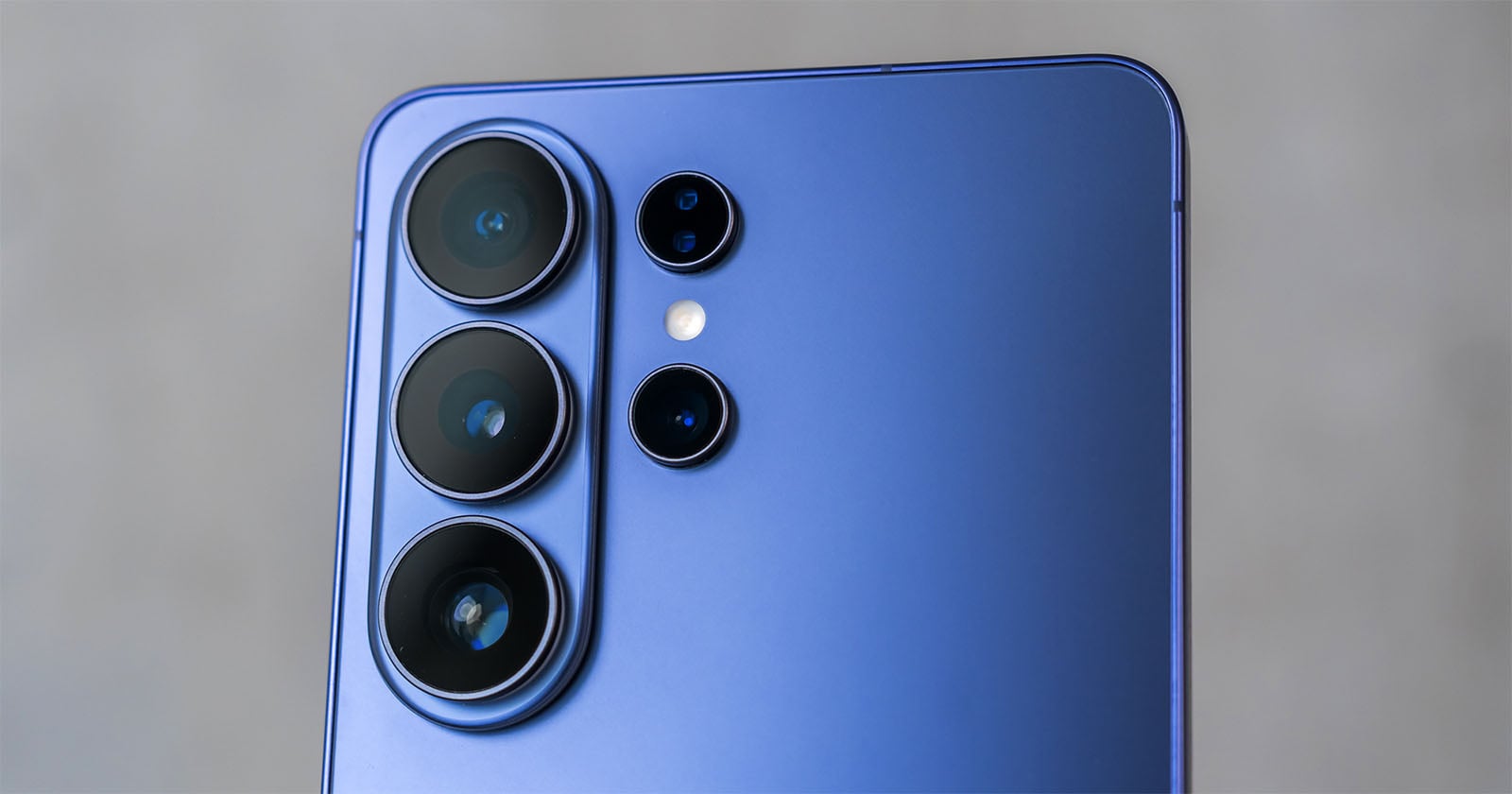
The crux of the controversy lies in the continued use of the Isocell HP2, a 200-megapixel sensor first introduced with the Galaxy S23 Ultra in early 2023. While the Galaxy S26 Ultra introduces a wider f/1.4 aperture to improve light gathering, the underlying silicon remains the same. This hardware plateau occurs at a time when Chinese competitors like Xiaomi, Vivo, and Oppo are pushing the boundaries of mobile imaging with one-inch type sensors and advanced optics, creating a widening gap between Samsung’s "tried and true" approach and the cutting edge of the industry.
The Evolution of the Ultra Series: A Chronological Plateau
To understand the current state of Samsung’s camera strategy, one must look at the timeline of the Galaxy S Ultra line. From the Galaxy S20 Ultra to the S23 Ultra, Samsung was in a state of constant hardware flux. The S20 Ultra introduced the 108MP era, which was refined through the S21 and S22 models. The leap to the 200MP Isocell HP2 in the S23 Ultra was marketed as a revolutionary step in mobile detail and low-light performance through advanced pixel-binning technology.
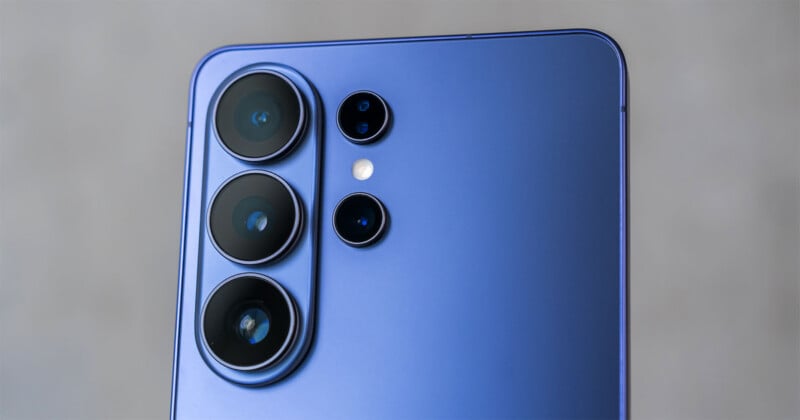
However, since 2023, the primary sensor hardware has entered a period of relative stasis. The Galaxy S24 Ultra and S25 Ultra maintained the HP2 sensor, focusing instead on incremental software improvements and minor lens adjustments. With the Galaxy S26 Ultra, the pattern continues. While the telephoto systems have seen some variation—most notably the shift to a 50MP 5x periscope lens in the S24 Ultra—the core wide-angle experience has not evolved at the component level.
This three-year cycle is unprecedented for a company that once prided itself on "gimmicky" but rapid innovation. In contrast, the broader mobile photography landscape is roaring ahead. Chinese manufacturers have moved toward "Type 1" sensors (roughly one inch diagonally), which offer significantly more surface area for light collection than the Type 1/1.3 sensor found in the HP2. By standing still, Samsung is effectively banking on the strength of its image processing and brand loyalty rather than raw hardware superiority.
Internal Contradictions: The HP2 vs. the HP9
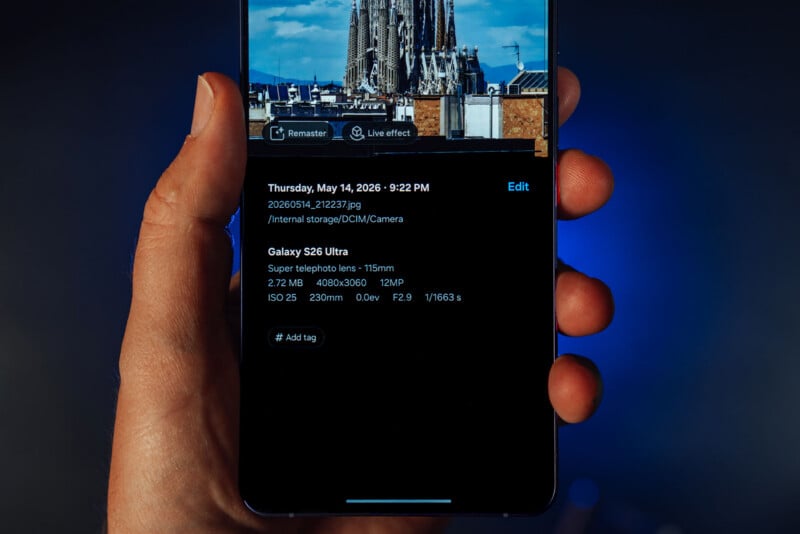
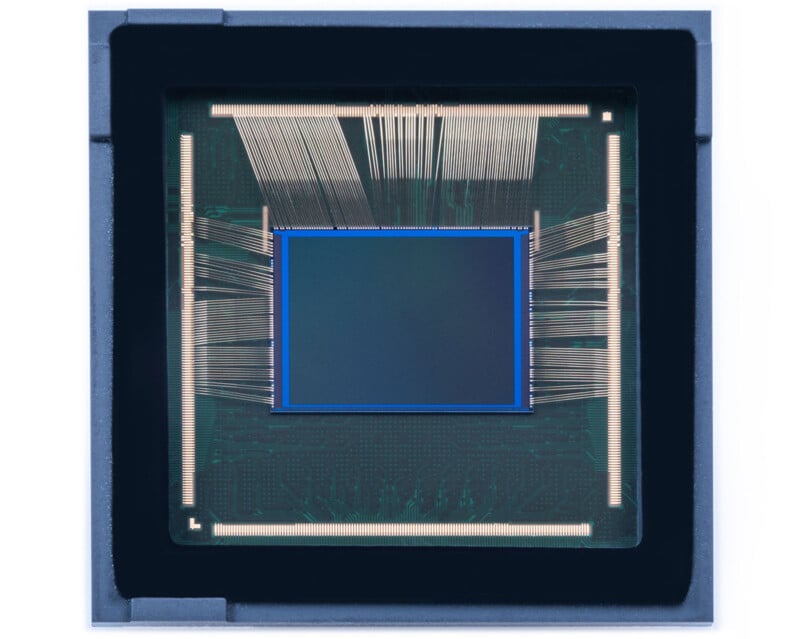
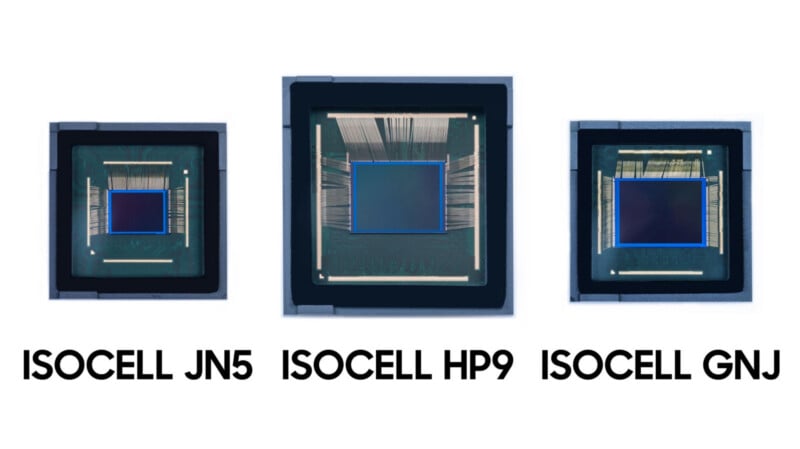
The most perplexing aspect of Samsung’s current strategy is the existence of the Isocell HP9. Samsung is a vertically integrated conglomerate; its System LSI Business designs and manufactures world-class image sensors, which it then sells to other smartphone manufacturers. The HP9 is a Type 1/1.4 200-megapixel sensor that is technically superior to the HP2 in several metrics, including light sensitivity and HDR processing capabilities.
Currently, the HP9 is being utilized by brands like Vivo and Xiaomi for their flagship telephoto modules. This creates a strange market dynamic where Samsung’s competitors are buying better Samsung-made hardware than Samsung’s own mobile division (the MX Business) chooses to use in its flagship devices.
When questioned about this discrepancy, Samsung executives point toward "system-level optimization." Joshua Cho, Executive Vice President and Head of the Visual Solution Team at Samsung’s MX Business, suggests that leadership is not defined by a "race to introduce new sensors every year." According to Cho, the HP2 provides a stable foundation that allows engineers to refine performance across various scenarios, such as high-zoom video and low-light photography, without the unpredictable variables of new hardware.
Technical Data: The Shrinking Telephoto and the Design Trade-off
The hardware stagnation is not limited to the main sensor. Data reveals that the Galaxy S26 Ultra’s 3x telephoto camera (69mm equivalent) utilizes an Isocell 3LD Type 1/3.94 sensor. By modern flagship standards, this is a remarkably small sensor. For comparison, it is smaller than the Sony IMX754 used in the older S23 Ultra.
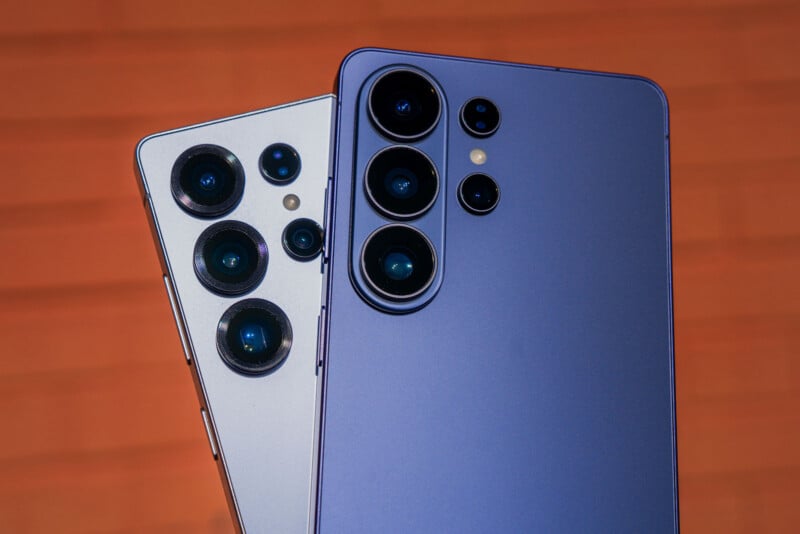
The rationale behind these smaller sensors appears to be driven by industrial design rather than photographic excellence. The Galaxy S26 Ultra is marketed as the thinnest "Ultra" model to date. Physics dictates that larger sensors require thicker lens assemblies to maintain focal length, leading to the massive "camera bumps" seen on the Xiaomi 14 Ultra or the Vivo X100 series. Samsung has made a deliberate choice to prioritize device thickness and ergonomics over the maximum possible sensor size.
Sunghoon Moon, Senior Executive Vice President of the Hardware Team at Samsung MX, noted that fitting newer, larger sensors creates significant integration challenges. Thinness, thermal management, and battery capacity all compete for space within the chassis. While Chinese brands have embraced thick, camera-centric designs, Samsung believes its mainstream audience prefers a more balanced, pocketable device.
The Software Defense: ProVisual Engine and Galaxy AI
In the absence of hardware breakthroughs, Samsung has pivoted its marketing toward computational photography. The "ProVisual Engine" is the company’s suite of AI-driven algorithms designed to compensate for hardware limitations. This system focuses on multi-frame processing, noise reduction, and object-aware sharpening.
Samsung’s defense is that image quality is a result of the synergy between the sensor, lens, actuator, and software stack. By keeping the sensor constant, they can more precisely tune the ISP (Image Signal Processor) and AI models. This approach mirrors the strategies previously used by Apple and Google, both of whom used the same primary sensors for four or five years while leading the industry in "look" and consistency.
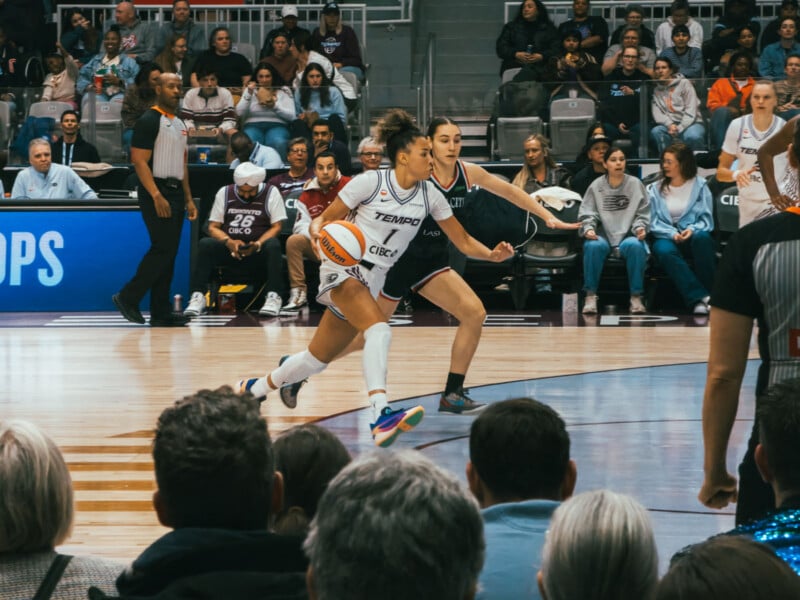
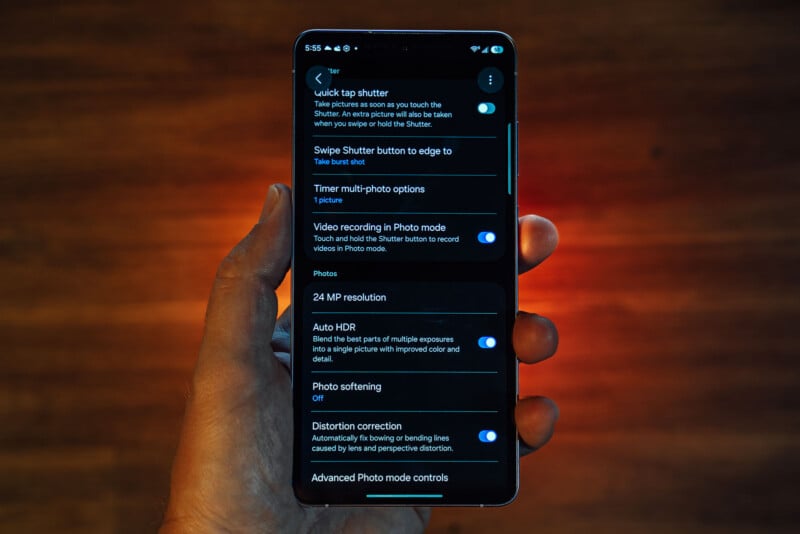
However, this strategy faces a significant hurdle: the "shutter lag" and motion blur issues that have plagued Samsung phones for years. Despite the advanced AI, the S26 Ultra still struggles to freeze fast-moving subjects in indoor lighting—an area where competitors with larger sensors and faster shutter responses excel. Samsung’s solution is the "Camera Assistant" app, a separate download that allows users to prioritize shutter speed over image quality. Critics argue that these features should be integrated into the core experience rather than hidden in a secondary utility.
Analysis of Market Implications and Brand Perception
Samsung’s current trajectory suggests a shift from being a "technology leader" to a "lifestyle leader." By focusing on AI features like "Circle to Search" and generative photo editing, Samsung is targeting a broader demographic that values convenience and "smart" features over the raw optical quality demanded by professional photographers.
However, this strategy carries long-term risks:
- Enthusiast Defection: Prosumers who once looked to the Galaxy Ultra as the ultimate "camera in your pocket" are increasingly looking toward imported Chinese flagships or the refined consistency of the iPhone Pro Max.
- Diminishing Returns on AI: There is a limit to how much software can compensate for physical light-gathering capabilities. AI-generated detail can often look "plastic" or over-processed compared to the natural bokeh and texture provided by a large sensor.
- The Perception of Value: As the price of flagship phones exceeds $1,300, consumers expect the best possible components. The knowledge that a "better" Samsung sensor exists in a cheaper competitor’s phone can erode brand prestige.
Future Outlook: A Crossroads for the Galaxy
The mobile photography landscape is currently split between two philosophies. One side, led by Chinese innovators, believes that the smartphone should eventually replace the professional camera through sheer hardware force. The other side, led by Samsung, Apple, and Google, believes that the smartphone is a distinct category where software intelligence is the primary differentiator.
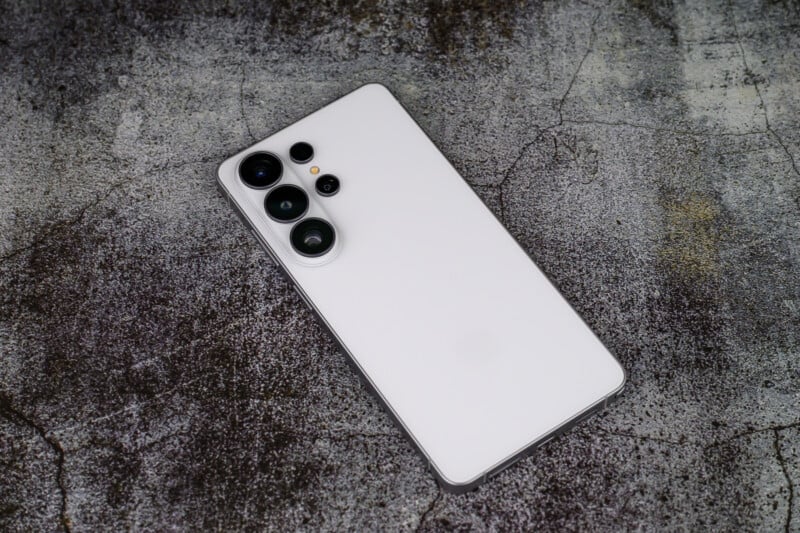
Samsung’s vertical integration remains its greatest strength, but currently, it appears to be a house divided. The semiconductor arm is producing world-class optics that the mobile arm is hesitant to implement. Whether the Galaxy S27 Ultra finally breaks this cycle will depend on whether Samsung perceives the hardware gap as a threat to its market share.
For now, the Galaxy S26 Ultra represents a "safe" evolution. It is a highly capable, dependable tool that offers a consistent experience for the millions of users who upgrade every three to four years. But for those who follow the industry’s rapid pulse, the S26 Ultra is a reminder that in the world of technology, standing still—even for the sake of refinement—is often perceived as falling behind. As the ProVisual Engine and Galaxy AI continue to mature, the question remains: how much longer can software carry the weight of three-year-old hardware?

