


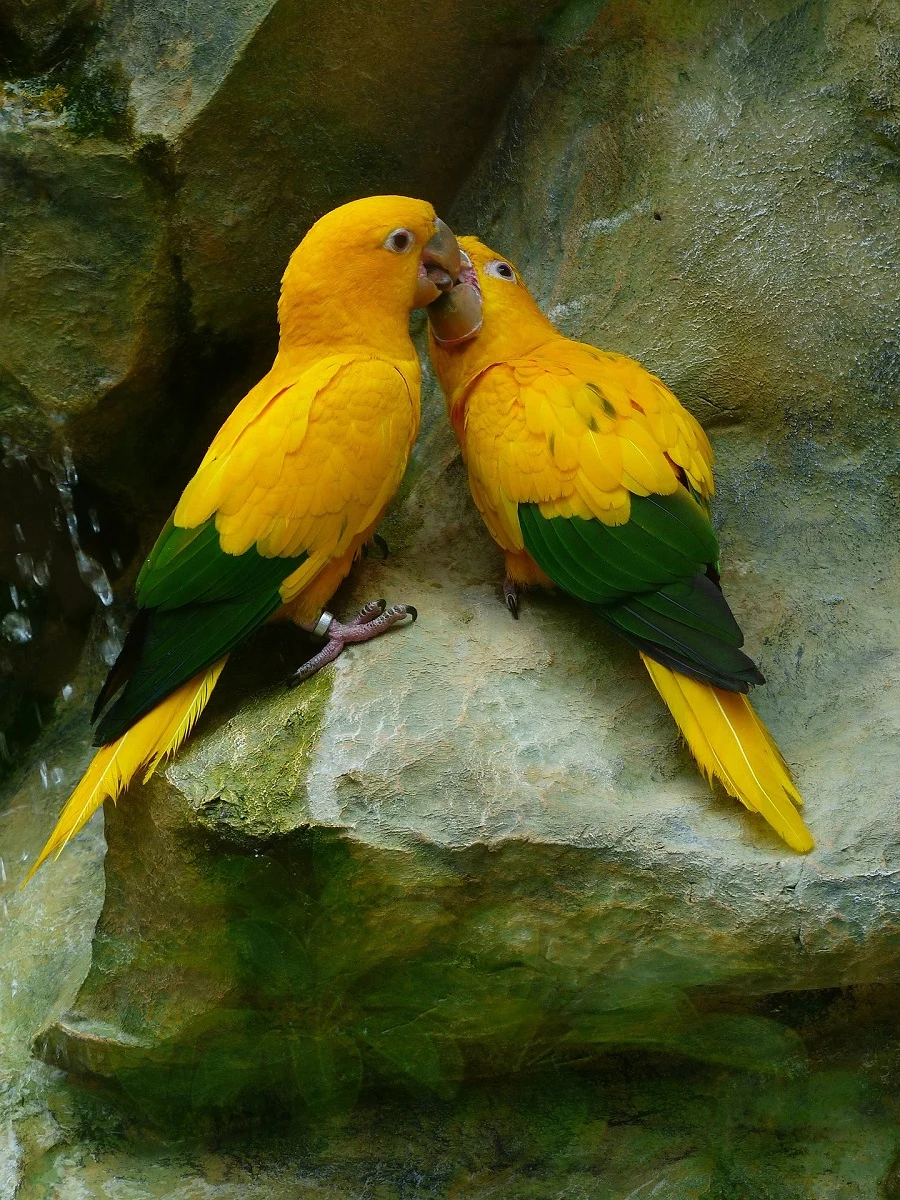
For those considering adding a parrot to their family, the Golden Conure, also known as the Queen of Bavaria Conure or Golden Parakeet, often captures immediate attention with its striking, uniformly golden plumage. Widely regarded as one of the most aesthetically stunning species within the entire parrot family, its vibrant appearance belies a complex natural history and a vulnerable conservation status. This article delves into the intricate world of Guaruba guarouba, exploring its distinctive features, ecological role, taxonomic journey, and the multifaceted considerations for its survival both in the wild and as a cherished companion animal.
Key Characteristics and Initial Overview
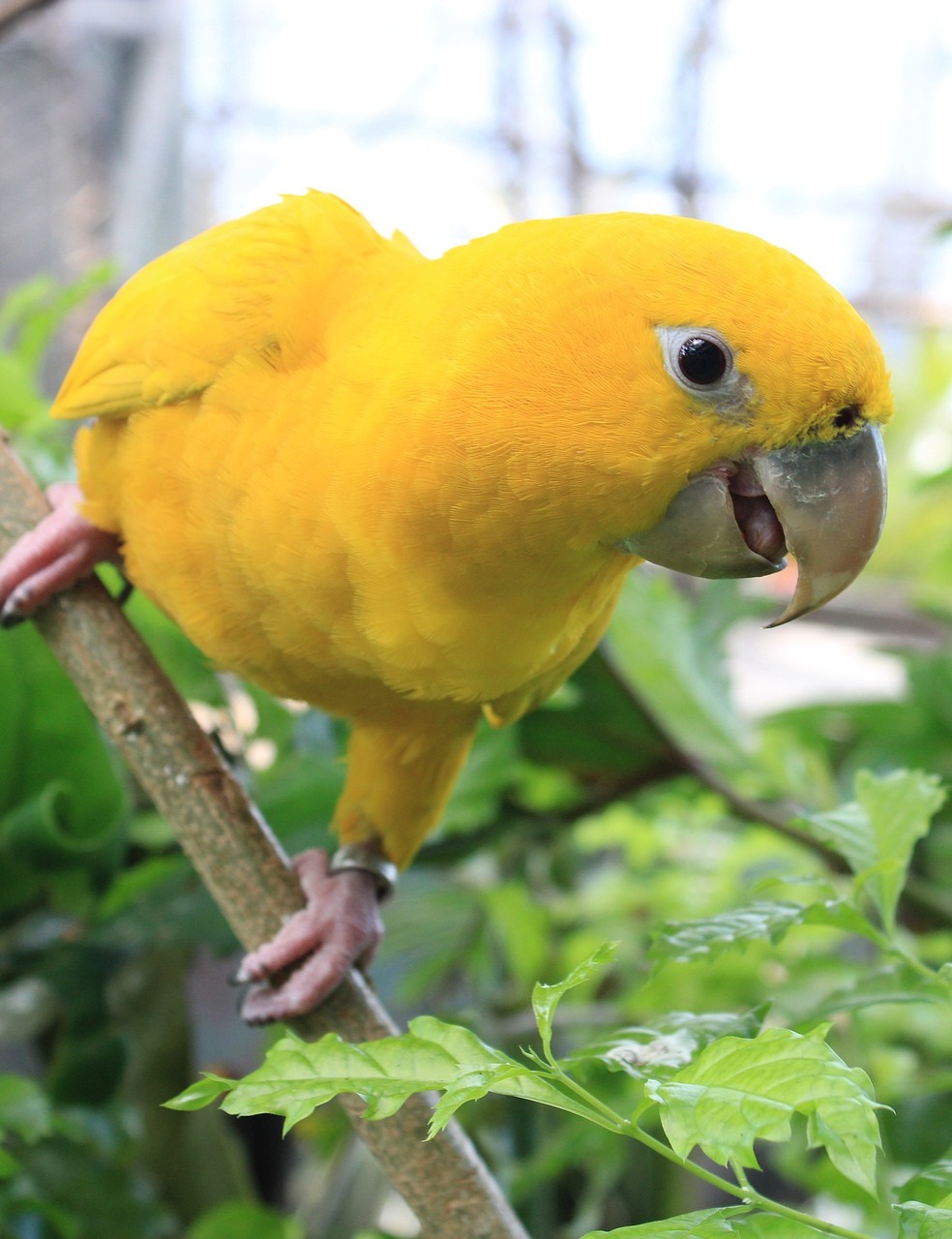
The Golden Conure is a medium-sized parrot, typically reaching up to 14 inches (35 cm) in length and weighing an average of 250 grams. Its most defining characteristic is its brilliant golden-yellow feathers, punctuated only by dark green primary flight feathers at the wingtips in adults. Possessing a robust, horn-colored beak, this species is known for its energetic, sociable, and affectionate temperament, often forming strong bonds with multiple family members. With a lifespan that can extend up to 30 years, it represents a significant, long-term commitment for potential owners. Despite its captivating beauty and gentle disposition in captivity, the Golden Conure is a vocal bird, capable of medium to high noise levels, a factor crucial for prospective owners to consider. Critically, its natural population in the Brazilian Amazon Basin faces severe threats, leading to its classification as a Vulnerable species by the IUCN Red List.
A Scientific Identity: The Taxonomic Journey of Guaruba guarouba
The scientific classification of parrots, particularly Neotropical species, has been a dynamic field, often leading to changes in nomenclature as new genetic and morphological data emerge. The Golden Conure is a prime example of this scientific evolution, having traversed a series of generic classifications before settling into its current, unique designation.
Historically, this species was initially placed within the genus Conurus, a broad grouping that encompassed many conure species. As ornithological understanding deepened, it was subsequently reclassified into Eupsittula and then, for a significant period, into Aratinga. The latter genus is well-known for housing a diverse array of conures, including the popular Sun Conure, and shared some superficial similarities with the Golden Conure. However, even during its time within Aratinga, there was a persistent suspicion among ornithologists that the Golden Conure possessed sufficiently distinct characteristics to warrant its own genus.
This hypothesis gained substantial traction with the publication of Joseph Forshaw’s authoritative guide, "Parrots of the World," in 2006. Forshaw formally listed the species as Guaruba guarouba, a classification that reflected its unique evolutionary lineage. The validity of this reclassification was subsequently confirmed by rigorous phylogenetic studies. A seminal 2006 article published in Systematic Biology, for instance, presented compelling evidence from mitochondrial and nuclear DNA sequences, demonstrating that Guaruba is, in fact, more closely related to red-shouldered macaws of the genus Diopsittaca than to the Aratinga conures it was once grouped with. This revelation underscored the importance of genetic analysis in resolving complex taxonomic puzzles and highlighted the unique evolutionary path taken by the Golden Conure, making it the sole species within its genus, Guaruba. This journey through scientific naming reflects the ongoing process of refining our understanding of biodiversity and the intricate relationships between species.
Appearance: The Golden Standard
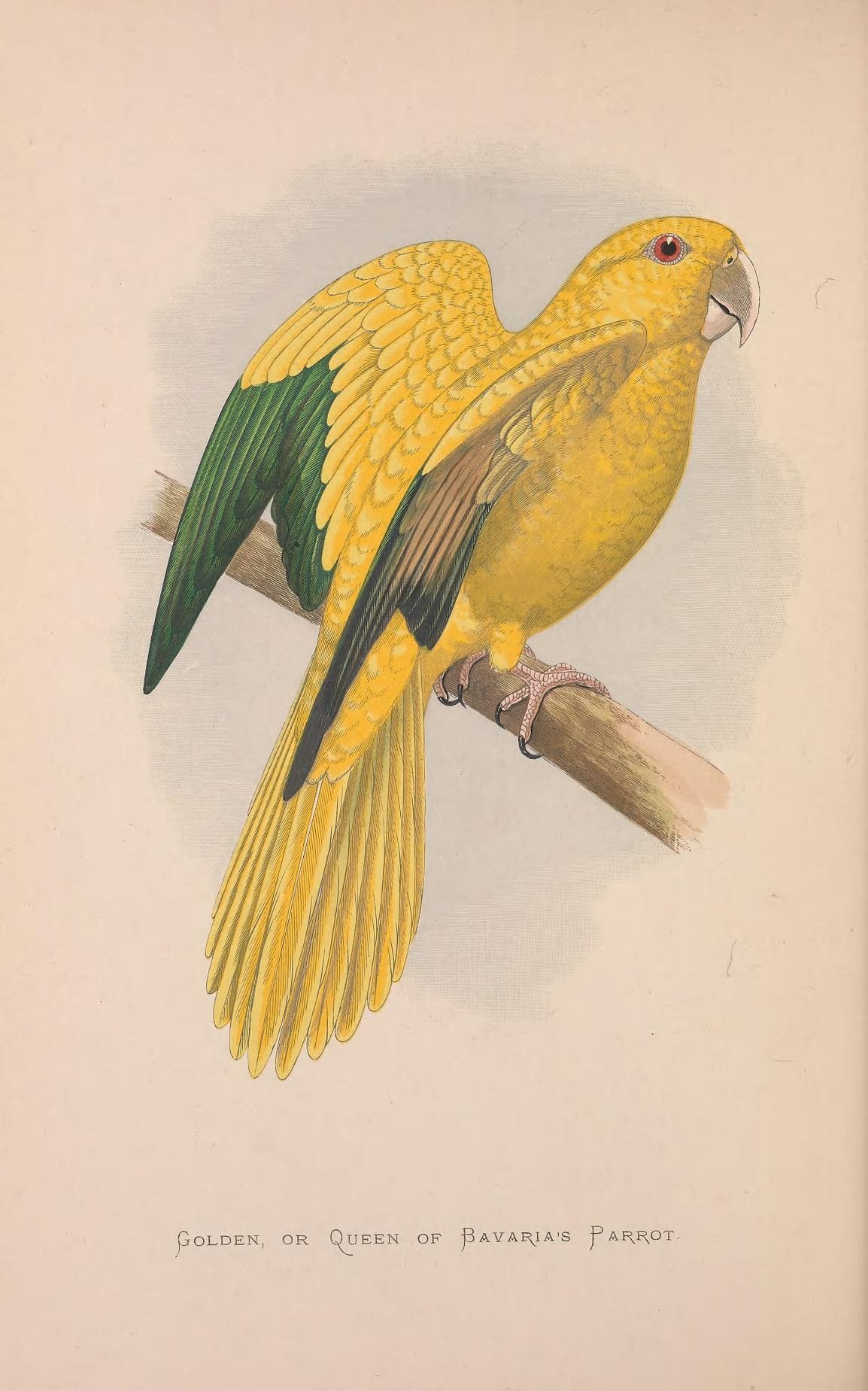
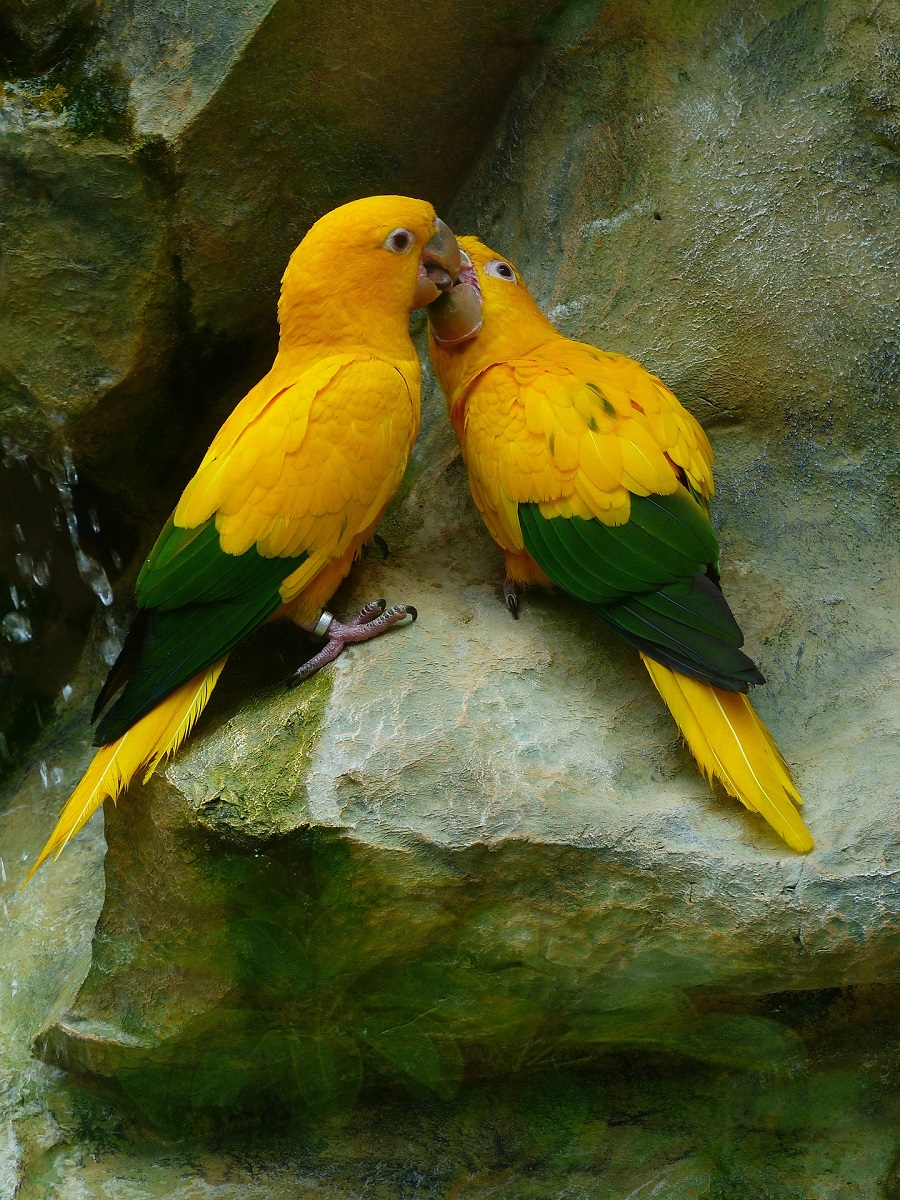
The Golden Conure’s appearance is undeniably its most celebrated attribute, earning it epithets like "Queen of Bavaria" and "queen among parrots." Its uniform golden plumage is exceptionally rare and striking, setting it apart from other conure species that often display a mosaic of colors. Adult Golden Conures are almost entirely covered in this brilliant yellow, a hue that ranges from a rich buttercup to a deep, sun-kissed gold. The only notable exception to this golden dominance is the presence of dark green primary flight feathers at the very tips of their wings, providing a subtle, yet elegant, contrast.
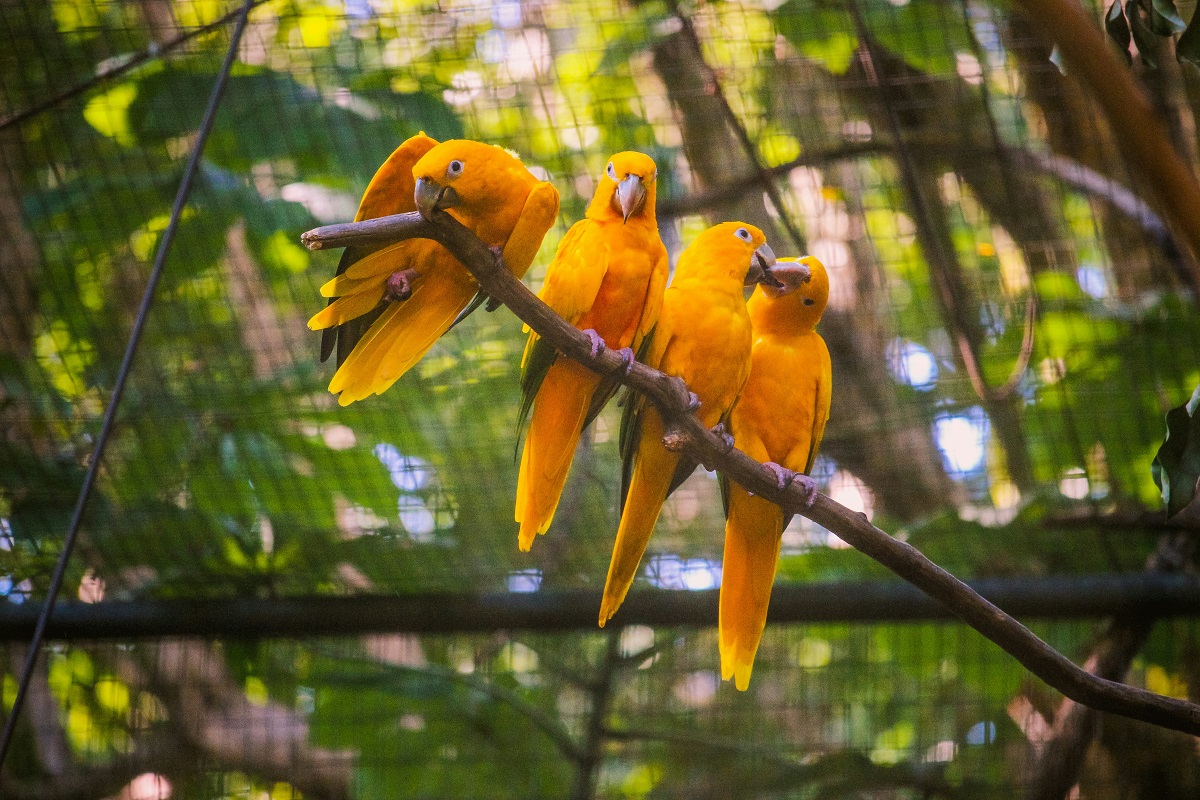
Juvenile Golden Conures, however, present a slightly different coloration. Young birds exhibit a more pronounced presence of green, particularly on their wings, and often have green speckles scattered across their backs and heads. This juvenile plumage gradually transitions to the full golden glory of adulthood over time, a process that can take several months. The large, horn-colored beak is another defining feature, perfectly adapted for cracking seeds and fruits. One interesting characteristic of the Golden Conure is the absence of visual sexual dimorphism; males and females are indistinguishable by sight. Consequently, determining the sex of an individual bird requires genetic testing, typically performed through a DNA sample from a feather or blood.
Natural Habitat and Ecological Dynamics: A Jewel of the Brazilian Amazon
The Golden Conure is endemic to the lush and biodiverse Brazilian Amazon Basin, with its primary range concentrated within the state of Pará and potentially extending into neighboring Maranhão. This region, characterized by its vast, unbroken tracts of rainforest, provides the specific ecological conditions necessary for the species’ survival.
Within their natural habitat, Golden Conures exhibit a preference for dry lowland forests, often referred to as "terra firme" forests. These areas are typically not subject to seasonal flooding and support a distinct array of plant species. However, their adaptability allows them to occasionally venture into "várzea" forests, which are seasonally flooded areas along riverbanks. This flexibility in habitat use likely relates to seasonal availability of food resources and nesting sites.
The species is known for its nomadic tendencies, often moving across its range in response to the fruiting cycles of various trees. Observations indicate that during the breeding season, pairs or small groups may temporarily leave the dense jungle for less dense, more open zones, possibly to reduce predation risk or access specific nesting trees. Nests are typically established in relatively isolated hollow trees, often repurposed or enlarged from cavities previously excavated by other species.
A fascinating aspect of their reproductive biology is their communal nesting behavior. Unlike many parrot species where a single pair raises a clutch, multiple female Golden Conures have been observed laying their eggs in the same nest. This can result in unusually large clutches, sometimes containing ten or more eggs. While the exact evolutionary advantages of this behavior are still being studied, it is thought to potentially enhance predator defense or increase overall reproductive success in a resource-rich environment. This communal approach highlights the social complexity of these birds in the wild.
Conservation Imperative: Addressing the Vulnerability of Guaruba guarouba
Despite its captivating beauty, the Golden Conure faces a precarious future, officially classified as a Vulnerable species on the IUCN Red List. This designation underscores the significant threats impacting its wild populations, primarily stemming from anthropogenic activities within its limited range.
Historically, the trapping of Golden Conures for the illegal pet trade was a major driver of population decline. Their striking appearance made them highly desirable, leading to extensive poaching. While this direct threat has reportedly diminished due to stricter regulations and increased enforcement, its legacy continues to impact wild numbers. However, the most pervasive and ongoing threat to Guaruba guarouba today is habitat fragmentation and destruction. The Brazilian Amazon, the conure’s sole natural home, is under immense pressure from various forms of deforestation. Large swathes of forest are cleared for agricultural expansion, particularly cattle ranching and soy cultivation. Logging operations, mining activities, and infrastructure development, such as road construction and hydroelectric dams, further contribute to the loss and degradation of critical forest habitats. These activities not only reduce the overall area available to the conures but also fragment existing forests, isolating populations and hindering genetic exchange. The loss of old-growth trees, which are crucial for nesting sites, also poses a significant challenge to their reproductive success.
Beyond its ecological significance, the Golden Conure holds deep cultural value for indigenous populations in Brazil. Locally known as "Ararajuba," meaning "yellow macaw," its golden feathers have long been prized for ceremonial purposes and adornment. This cultural reverence is reflected in historical accounts, such as those by Helmut Sick in "Ornitologia Brasileira," which mention instances where other conure species were dyed yellow to fetch higher prices at local animal markets, highlighting the profound admiration for its unique coloration.
Conservation efforts for the Golden Conure are multifaceted. They involve establishing and enforcing protected areas within its range, which help safeguard critical habitats from further destruction. Anti-poaching initiatives, though less focused on the pet trade now, remain important for broader wildlife protection. Furthermore, community engagement programs aim to educate local populations about the importance of biodiversity and sustainable land use practices, fostering a sense of stewardship. International collaborations with organizations like the IUCN also play a vital role in monitoring population trends, identifying new threats, and coordinating conservation strategies to ensure the long-term survival of this magnificent species.
Dietary Needs: Sustenance for a Golden Life
The diet of the Golden Conure, both in the wild and in captivity, is a critical factor influencing its health and longevity. Understanding its natural feeding habits provides valuable insights for responsible pet ownership.
In their native Amazonian rainforest, wild Golden Conures enjoy a remarkably diverse diet, dictated by seasonal availability. Scientific studies have shown that fruits constitute the primary component of their diet. Favorites include the nutrient-rich fruits of açaí and bacaba palms, as well as those from cashew, ice cream bean (Inga edulis), nance (Byrsonima crassifolia), and locustberry (Hymenaea courbaril) trees. These fruits provide essential vitamins, minerals, and natural sugars. Beyond fruits, the birds also consume flowers and flower buds, which offer additional nutritional benefits and micronutrients. Like many parrot species, Golden Conures are opportunistic feeders and will occasionally raid local farmers’ crops, showing a particular fondness for corn and mango. This natural foraging behavior, which involves searching for and processing a variety of foods, is crucial for their physical and mental stimulation.
For captive Golden Conures, replicating the nutritional diversity and foraging challenges of their wild diet is paramount. The cornerstone of a healthy captive diet should be high-quality parrot pellets. These specially formulated pellets are designed to be nutritionally complete and balanced, providing a wide spectrum of essential nutrients while being lower in fat compared to traditional seed mixes. While pellets may seem less exciting, they prevent selective feeding and ensure comprehensive nutrition.
To enrich their diet and provide mental stimulation, a wide array of fresh foods should supplement the pellets daily. This includes:
- Fruits: Apples, berries, bananas, oranges, mangoes, papayas, grapes (in moderation). Ensure all fruit is thoroughly washed and seeds/pits removed if toxic.
- Vegetables: Dark leafy greens (kale, spinach, romaine lettuce), carrots, bell peppers, broccoli, sweet potatoes, peas, corn on the cob.
- Sprouts: Various seed and bean sprouts offer a boost of enzymes and vitamins.
- Healthy Seeds and Nuts (in moderation): Sunflower seeds, pumpkin seeds, almonds, walnuts can be offered as treats, but sparingly due to their high fat content.
- Cooked Grains and Legumes: Brown rice, quinoa, lentils, chickpeas (plain, unsalted).
It is crucial to avoid feeding avocados, chocolate, caffeine, alcohol, and processed human foods, as these can be toxic or harmful to parrots. Presenting food in a foraging setting, using puzzle toys or hiding treats, is an excellent way to combine mealtime with play, mimicking their natural behavior and preventing boredom. A well-balanced and varied diet is one of the most significant contributors to a Golden Conure’s long and happy life in captivity.
Housing and Enrichment: Creating a Stimulating Environment
Given their energetic nature and relatively large size, Golden Conures require spacious housing and extensive enrichment to thrive in a captive environment. Confining these intelligent and active birds to a small, barren cage can lead to significant behavioral and health problems.
Housing Requirements:
For a single Golden Conure, an enclosure with a width of at least 40 inches (1 meter) is generally considered a minimum, especially if the bird will have several hours of supervised out-of-cage time daily. Ideally, a full-sized indoor aviary that allows for short flights would be preferred. The cage bars should be appropriately spaced (typically 0.75 to 1 inch) to prevent escape or injury.
The cage interior must be thoughtfully furnished to encourage activity and provide comfort:
- Perches: Offer a variety of natural wood perches of different diameters and textures (e.g., java wood, manzanita, sassafras). This helps prevent foot problems like bumblefoot and allows for natural nail wear. Avoid dowel perches as the sole option.
- Platforms and Ladders: These add verticality and different resting spots, encouraging climbing and exploration.
- Food and Water Dishes: Stainless steel dishes are hygienic and durable, easily cleaned and resistant to bacterial growth.
- Bathing Opportunities: A shallow water dish for bathing or regular misting with a spray bottle is essential for feather health.
Environmental Enrichment:
Golden Conures are highly intelligent, curious, and playful birds that bore easily. In the wild, they spend their days foraging, socializing, and exploring. In captivity, without adequate stimulation, they can develop stress-related behaviors such as excessive screaming, feather plucking, self-mutilation, or aggression. Enrichment is therefore not a luxury but a necessity for their well-being.
Key enrichment strategies include:
- Foraging Toys: These are paramount. They challenge the bird to "work" for its food, mimicking natural foraging behaviors. This can range from simple toys where treats are hidden to complex puzzles.
- Chewable and Shredding Toys: Parrots have a natural instinct to chew. Providing a constant supply of safe, destructible toys made from wood, paper, or natural fibers helps keep their beaks healthy and prevents destructive chewing on inappropriate items.
- Puzzle Toys: These require problem-solving skills and provide excellent mental stimulation.
- Preening Toys: Toys designed to mimic natural preening materials can help redirect over-preening behavior.
- Social Interaction: Daily, dedicated interaction with their human companions is crucial. This includes talking, playing, and training sessions.
- Out-of-Cage Play Areas: A cage-top playground or a dedicated parrot tree provides a safe, stimulating space for the bird to explore and exercise outside its primary enclosure.
- Variety and Rotation: Regularly rotate toys and rearrange cage furnishings to keep the environment novel and engaging.
- Training: Positive reinforcement training not only strengthens the bond between bird and owner but also provides mental exercise and can teach useful behaviors.
- Environmental Sounds: Background music or television can provide auditory stimulation when owners are busy.
Prior to allowing a conure access to any room, it is vital to "parrot-proof" the area by removing potential hazards such as toxic plants, exposed electrical wires, open windows or doors, other pets, and small ingestible objects. It is also important to note that obesity is a common cause of death in pet parrots. These enrichment tips not only prevent boredom but also encourage physical activity, directly contributing to the Golden Conure’s overall health and longevity.
Temperament and Social Dynamics: A Charismatic Companion
The Golden Conure is celebrated not only for its beauty but also for its delightful personality. While individual birds can vary, most Golden Conures exhibit a temperament as bright and engaging as their plumage. They are generally known for being friendly, affectionate, and highly sociable, making them excellent companion birds for individuals or families willing to meet their significant social needs.
Unlike some parrot species that tend to bond exclusively with one person, Golden Conures are often described as "multi-person birds," capable of forming strong, loving bonds with several family members. This makes them a more inclusive pet for households with multiple individuals. They thrive on interaction and attention, relishing playtime as much as they do quiet moments perched on a shoulder, receiving gentle cuddles or head scratches. Their energetic nature means they enjoy active play sessions, often engaging in comical antics that entertain their owners.
Golden Conures are generally even-tempered and are not typically known for aggression, especially when well-socialized from a young age. Their intelligence allows them to learn quickly and respond well to positive reinforcement training, further enhancing their integration into a family. However, it is crucial to understand that their sociable and intelligent nature means they are not low-maintenance pets. They require significant daily interaction, mental stimulation, and a consistent routine. A neglected Golden Conure, deprived of attention and enrichment, can quickly become bored, stressed, and develop undesirable behaviors, underscoring the deep commitment required to care for these charismatic birds.
Vocalizations and Communication: The Sound of the Amazon
While the Golden Conure is a highly desirable pet, its vocal capabilities are a significant factor for potential owners to consider. Parrots, by their very nature, are vocal creatures, and the Golden Conure is no exception.
Noise Level:
Golden Conures are not quiet birds. Their vocalizations can range from medium to high in intensity. While their screams may not reach the ear-piercing decibel levels of some Aratinga species, such as the Sun Conure, their relatively large size means they possess powerful voices. They often communicate through a variety of squawks, chirps, and whistles, which can be quite loud, especially during dawn and dusk, or when seeking attention or expressing excitement. For individuals living in apartments or close quarters, or those sensitive to noise, it is paramount to experience the sound level firsthand before acquiring a Golden Conure. Visiting a breeder, a friend who owns one, or watching videos (such as those available on platforms like xeno-canto, featuring Guaruba guarouba calls) can provide a realistic impression of their vocalizations.
Talking Ability:
Like almost all parrot species, Golden Conures possess the anatomical ability to remember and imitate sounds they hear in their environment, including human speech. However, they are not typically regarded as "champion talkers" when compared to species like African Greys or Amazon parrots. Their capacity for mimicry is generally more limited, and their voices, while capable of producing words, may not be as clear or articulate.
A Golden Conure can be expected to pick up a repertoire of simple words, such as its name, short phrases, and easy tunes. They may also imitate common household sounds. The extent of their talking ability varies greatly among individuals, influenced by factors such as early socialization, consistent training, and the amount of verbal interaction they receive. Owners should approach the expectation of a "talking" Golden Conure with realistic understanding, appreciating their natural vocalizations and intelligence as primary forms of communication.
Responsible Ownership: A Lifelong Commitment
Bringing a Golden Conure into a home is a profound commitment that extends for decades. With a potential lifespan of up to 30 years, this is not a short-term pet but a lifelong companion that will require consistent care, attention, and resources.
Prospective owners must carefully consider several key aspects of responsible ownership:
- Time Commitment: Golden Conures are highly social and intelligent. They demand several hours of dedicated interaction, playtime, and mental stimulation daily. Neglect can lead to severe behavioral issues and distress for the bird.
- Financial Investment: Beyond the initial cost of the bird, ongoing expenses include a large, high-quality cage, a diverse range of toys, premium pellets, fresh fruits and vegetables, and regular veterinary check-ups with an avian specialist. Emergency veterinary care can also be costly.
- Noise Tolerance: As established, these are not quiet birds. Owners must be prepared for regular, loud vocalizations and ensure their living situation can accommodate this.
- Environmental Control: Providing a safe, stimulating, and "parrot-proofed" environment both inside and outside the cage is crucial for their physical and mental well-being.
- Ethical Sourcing: Given the species’ vulnerable status in the wild, it is imperative to acquire Golden Conures from reputable breeders who prioritize ethical breeding practices, bird welfare, and do not contribute to the illegal wildlife trade. Breeders should be transparent about their birds’ origins and health.
- Education: Continuous learning about parrot behavior, diet, health, and enrichment is essential for providing the best possible care throughout the bird’s long life.
The Golden Conure is a magnificent creature, a true gem of the Amazon, whose presence enriches the lives of those dedicated to its care. However, its beauty comes with a responsibility to understand and meet its complex needs, ensuring that this vulnerable species can thrive, both in the wild through dedicated conservation efforts and in captivity through informed and compassionate ownership.

