


Virginia, a state celebrated for its breathtaking landscapes and rich cultural tapestry, also harbors a vibrant and diverse avian population, with woodpeckers being a particularly captivating group for enthusiasts. The Old Dominion offers a remarkable array of woodpecker species, each with its unique appearances, sizes, and ecological roles. This article delves into the fascinating world of Virginia’s woodpeckers, providing an in-depth look at eight of the most common species, detailing their identification characteristics, habitat preferences, and conservation status, offering a valuable resource for both seasoned birdwatchers and newcomers to ornithology.
The Enduring Appeal of Virginia’s Woodpeckers
The state of Virginia, nestled in the Mid-Atlantic region of the United States, boasts a varied geography that supports a wide range of habitats, from the Appalachian Mountains to the Chesapeake Bay. This ecological diversity translates into a rich biodiversity, with over 400 species of birds documented within its borders. Among these, woodpeckers, with their distinctive drumming, climbing abilities, and often striking plumage, hold a special place in the hearts of many. Understanding these species is not only a matter of appreciation for nature’s beauty but also crucial for conservation efforts, especially given the varying challenges faced by different woodpecker populations.
1. The Red-Cockaded Woodpecker: A Symbol of Conservation Challenges
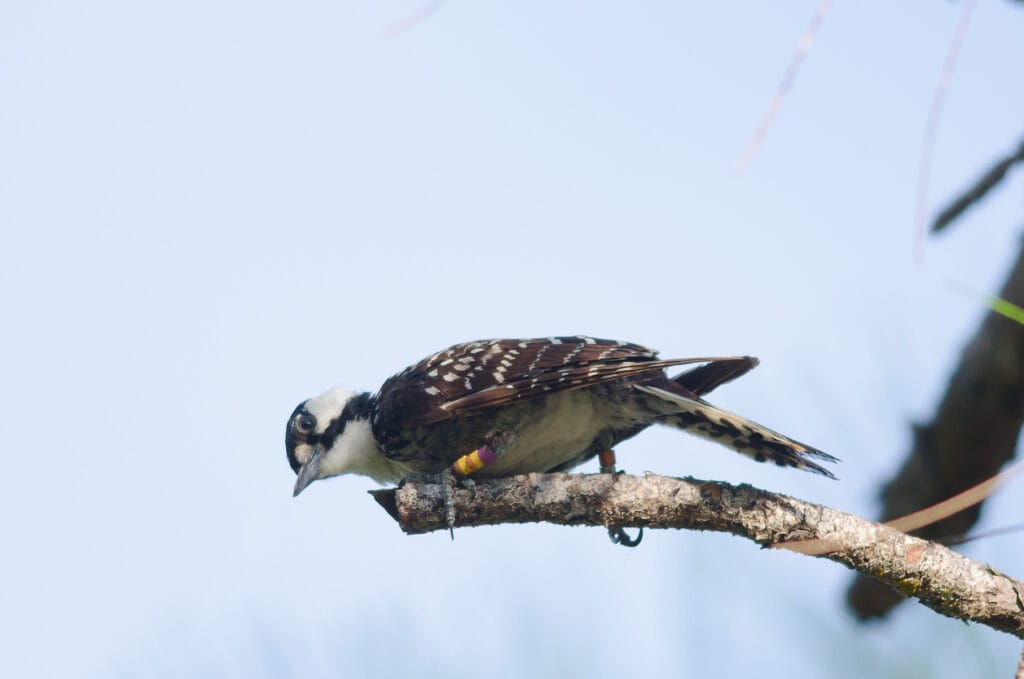
The Red-cockaded Woodpecker (Picoides borealis) is a species of significant conservation concern, primarily found in the mature pine forests of the southeastern United States, including a presence in parts of Virginia. Despite its name, the "red" in its moniker is subtle, referring to a small, often barely visible red patch on the side of the male’s black cape. Distinguishing features include its predominantly black and white patterned back, white cheeks, and a black cap. Females lack the red patch, while juveniles may exhibit it centrally on their heads. These woodpeckers are relatively small, measuring approximately 7.9 to 9.1 inches in length with a wingspan of 13 to 16 inches.
Historically, Red-cockaded Woodpeckers thrived in old-growth pine forests characterized by open understories, where natural fire cycles played a vital role in maintaining their preferred habitat. These birds excavate their nest cavities exclusively in living pine trees infected with red heart fungus, which softens the wood. This specialization makes them particularly vulnerable to habitat loss and degradation. Over decades, factors such as fire suppression, logging, and the development of pine forests have led to a drastic decline in their population, from an estimated 1.5 million to a mere 10,000 individuals. This precipitous drop led to their listing as an endangered species.
In recent years, significant conservation initiatives have been undertaken to protect and restore populations of the Red-cockaded Woodpecker. These efforts often involve prescribed burning to mimic natural fire regimes, the installation of artificial nest cavities, and habitat restoration projects within protected areas like national forests and wildlife refuges. Their diet consists primarily of insects and arthropods, including ants and beetles, supplemented occasionally by fruits and seeds.
2. The Red-Headed Woodpecker: A Striking Bird Facing Habitat Pressures
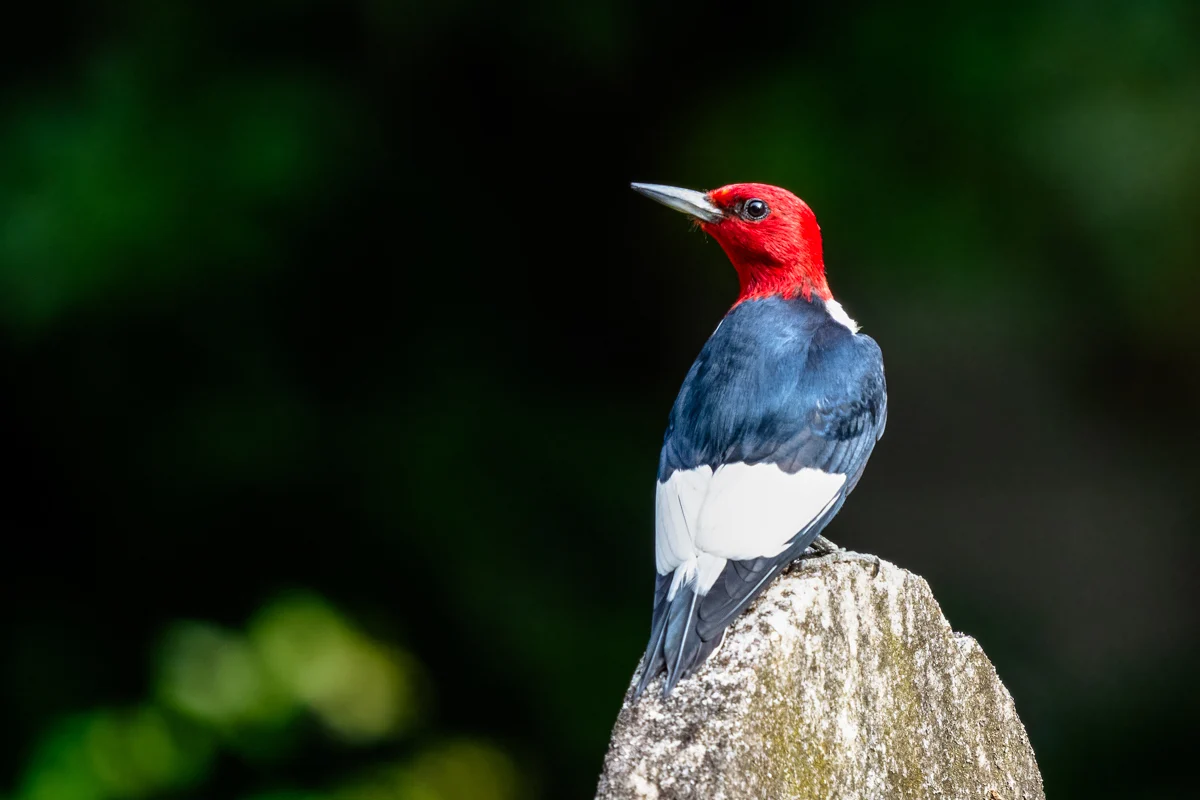
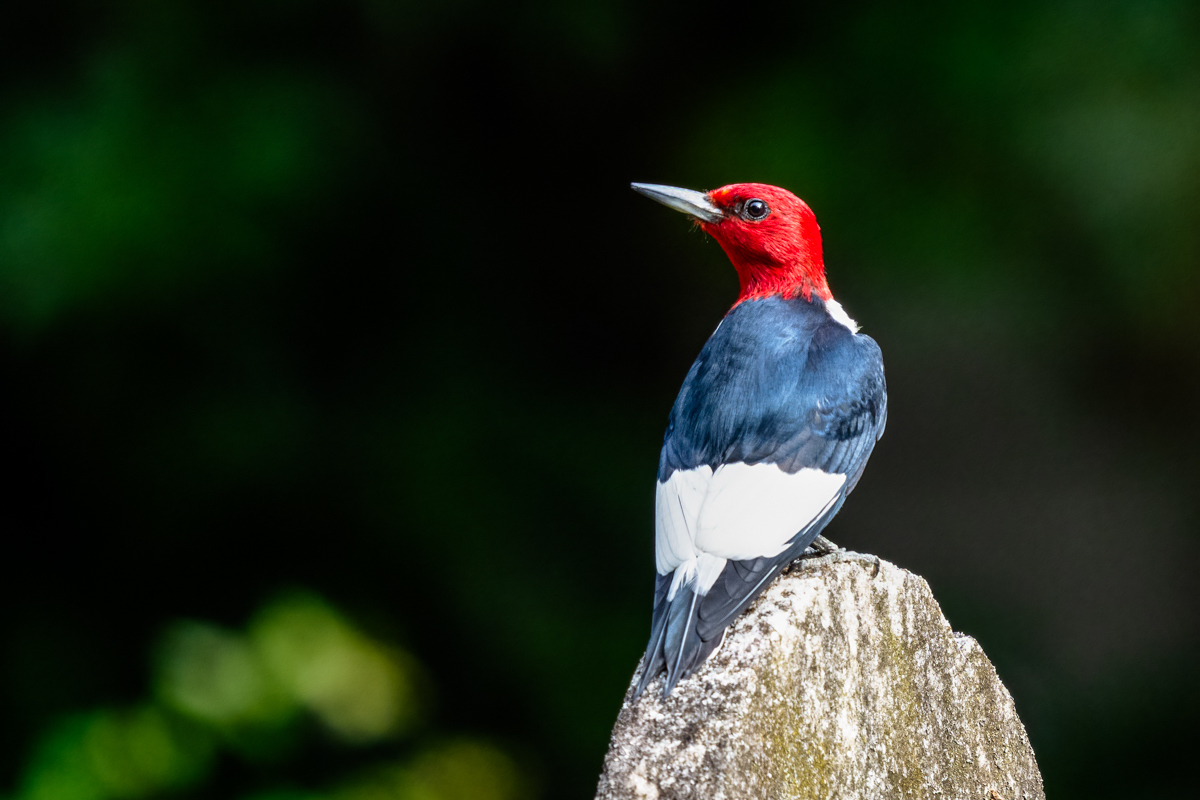
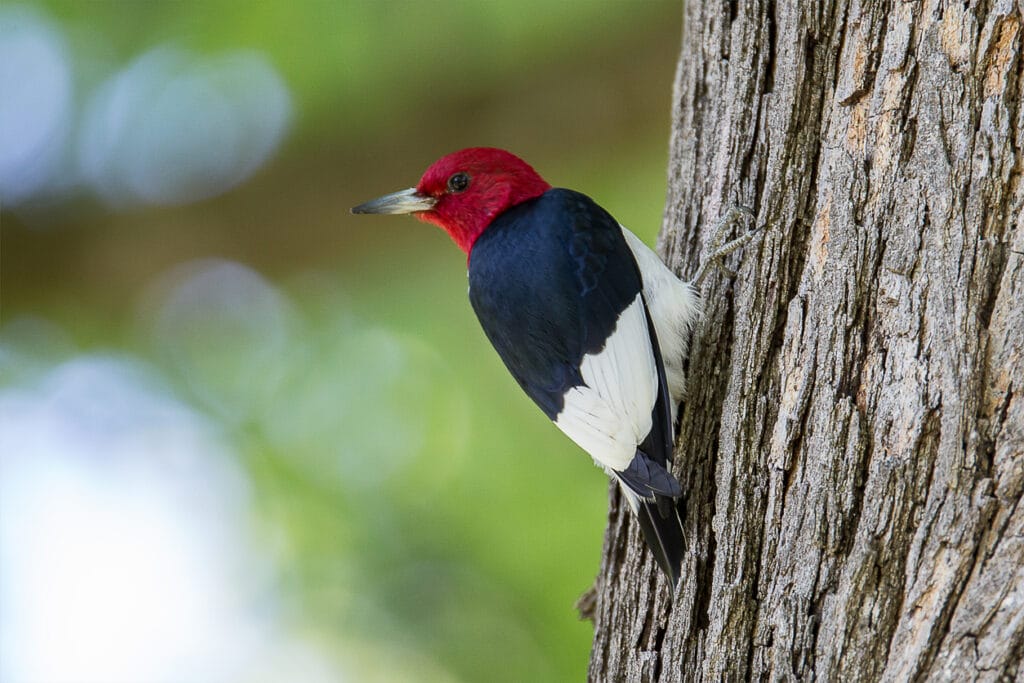
The Red-headed Woodpecker (Melanerpes erythrocephalus) is easily recognizable by its entirely red head, contrasting sharply with its black wings that feature bold white patches and its white underbelly. Juveniles are born with brown heads, which gradually develop their characteristic red hue as they mature. Adults measure between 7.5 and 9.8 inches in length, with a wingspan of about 16.5 to 16.7 inches.
Identifying the sex of Red-headed Woodpeckers based on appearance alone is challenging, as males and females are morphologically similar. However, behavioral observations, particularly during the nesting season, can offer clues. Both parents participate in nest building and incubation, but the male is often observed doing the majority of the drilling for the nest cavity and typically takes the night shift for incubation.
These woodpeckers prefer open woodlands, forest edges, orchards, and areas with a significant presence of dead trees. Dead trees are crucial for nesting as they provide readily available cavities or are easily excavated. Unfortunately, the removal of dead trees by landowners, often for aesthetic reasons, has significantly reduced the availability of suitable nesting sites. This scarcity intensifies competition with other bird species for prime nesting locations, contributing to a decline in the Red-headed Woodpecker population. Their diet is varied, encompassing insects like grasshoppers and beetles, as well as fruits, seeds, and nuts.
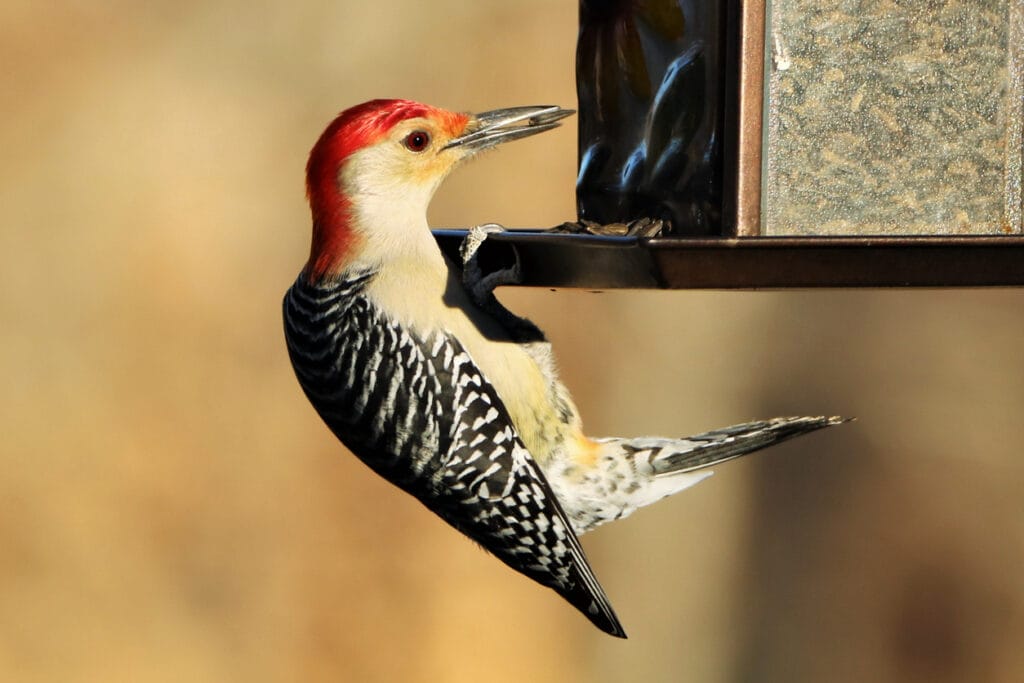
3. The Red-Bellied Woodpecker: An Adaptable Survivor
Often confused with the Red-headed Woodpecker, the Red-bellied Woodpecker (Melanerpes carolinus) presents a distinct set of characteristics. While it does not possess a fully red head, it features a prominent red wash extending from its nape to its bill, along with a red cap. Its back is marked with distinctive black and white barring, and its underbelly exhibits a faint crimson hue, though this is not always easily visible. Males display a more extensive red coloration on their heads compared to females, who have a red nape and a smaller red patch above their bill. Red-bellied Woodpeckers are typically 9 to 10.5 inches long with a wingspan of 13 to 16.5 inches.
These woodpeckers demonstrate remarkable adaptability, inhabiting a variety of woodlands, including hardwood forests, mixed pine-hardwood forests, and pine flatwoods. This flexibility has contributed to their expansion and population growth in recent years, reflected in their relatively low Continental Concern Score. Their diet is omnivorous, consisting of invertebrates such as ants, caterpillars, and flies, along with fruits, nuts, and seeds.
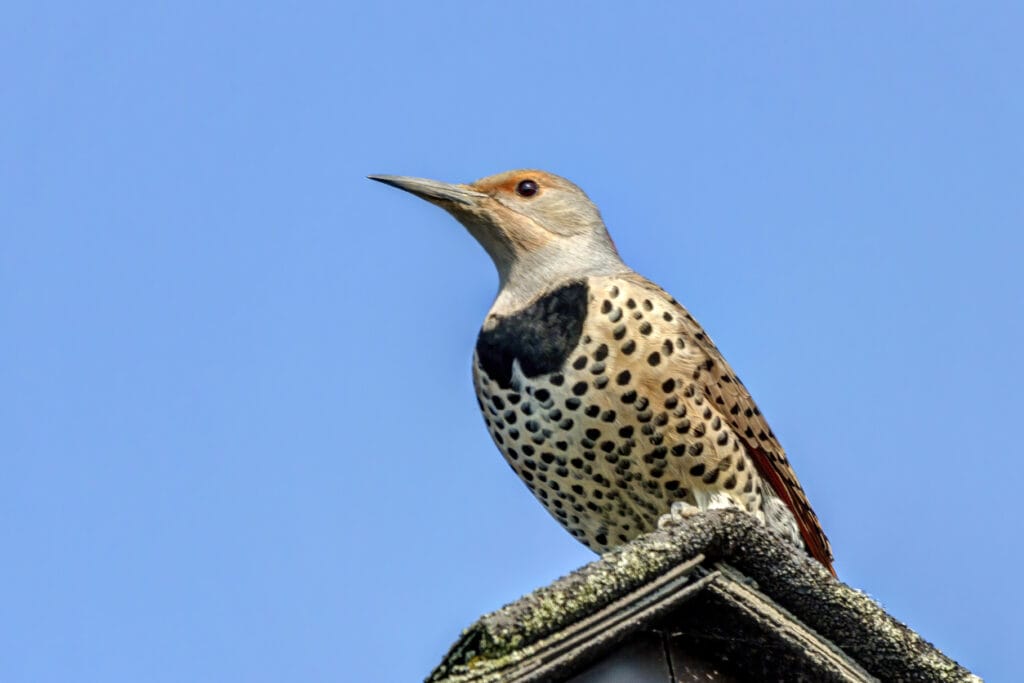
4. The Northern Flicker: A Ground-Foraging Specialist
The Northern Flicker (Colaptes auratus) stands out from many other woodpecker species due to its unique plumage and foraging habits. While they possess brown feathers with black spotting on their underparts and black barring on their backs, the most striking feature is the presence of yellow shafts on their flight feathers, particularly visible in flight. In Virginia, the Yellow-shafted Flicker is the common form. This form is characterized by a brown face and throat, a gray upper head, and a red nape. Males can be identified by a distinctive black "mustache" marking on their cheeks, absent in females. Northern Flickers are among the larger woodpeckers, measuring 11 to 14 inches in length with a wingspan of 16.5 to 20.1 inches.
Unlike most woodpeckers that forage primarily on tree trunks, Northern Flickers frequently descend to the ground to feed on ants and beetles, a behavior that makes them susceptible to being startled by unsuspecting walkers. Their diet also includes fruits and seeds. They inhabit a wide range of open spaces with scattered trees, including parks, groves, and forest edges. While not considered endangered, their populations have seen a decline due to habitat loss, earning them a moderate Continental Concern Score.
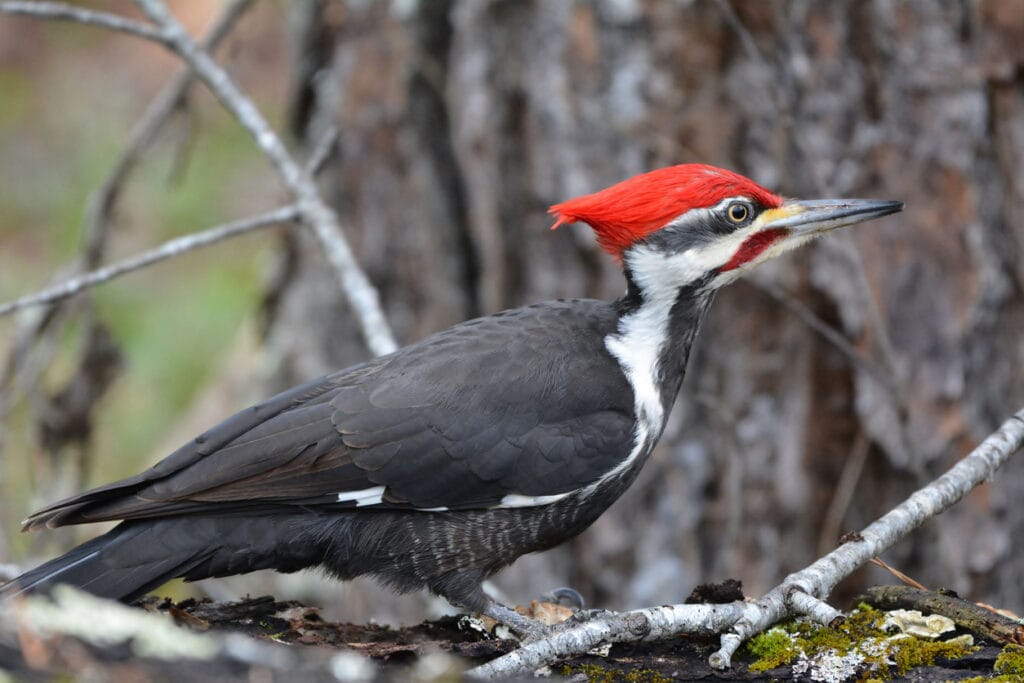
5. The Pileated Woodpecker: The Giant of the Forest
The Pileated Woodpecker (Dryocopus pileatus) is the largest woodpecker species found in North America, making it an impressive sight for any observer. Adults are characterized by their striking black plumage, accented by a prominent white stripe running down their cheeks and throat. Their most distinctive feature is their vivid red crest, which is more pronounced in males. Males also possess a red mustache, while females have a black mustache and a shorter crest. These magnificent birds measure between 15.8 and 19.3 inches in length with a substantial wingspan of 26 to 29.5 inches.
Pileated Woodpeckers are typically found in mature deciduous forests, cypress swamps, and increasingly, in suburban areas and parks that offer large, mature trees. They rely heavily on dead or decaying trees for excavating their nest cavities and foraging for food, particularly carpenter ants. While not currently listed as endangered, their reliance on old-growth forests and dead trees makes them vulnerable to habitat destruction. Their diet consists mainly of insects, especially carpenter ants, but also includes larvae, caterpillars, nuts, and fruits.
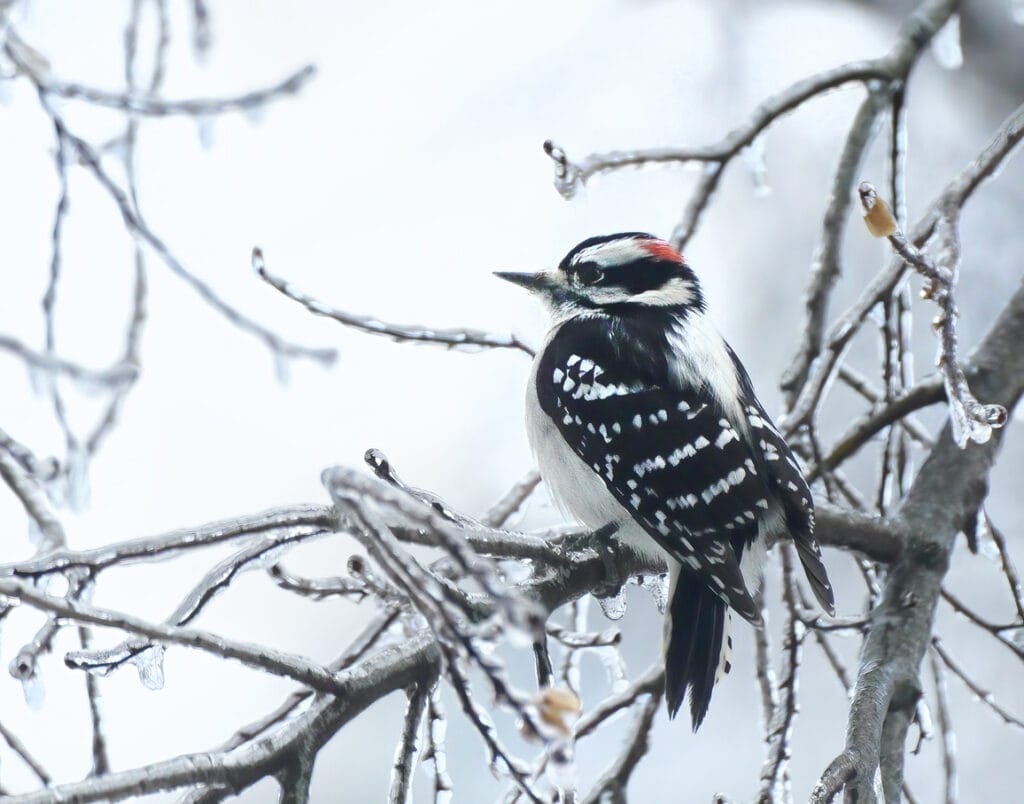
6. The Downy Woodpecker: The Smallest, Yet Ubiquitous
The Downy Woodpecker (Dryobates pubescens) is the smallest woodpecker species in North America, measuring just 5.5 to 6.7 inches in length with a wingspan of 9.8 to 11.8 inches. They exhibit the classic black and white plumage common to many woodpeckers, featuring black wings with white spots, a black back with thick white stripes, and a black head. Males are distinguished by a small red patch on the back of their head, which is absent in females.
These diminutive birds are highly adaptable and can be found in a wide array of habitats, including deciduous woods, forest edges, clearings, parks, orchards, and suburban backyards. Their small size allows them to forage on smaller branches and twigs. Downy Woodpeckers primarily feed on insects such as ants, caterpillars, and beetles, and also consume fruits and seeds. They are known to visit suet feeders, making them a common sight for backyard bird enthusiasts. With a stable population and an "Least Concern" classification on the IUCN Red List, the Downy Woodpecker is not currently facing significant threats.
7. The Hairy Woodpecker: A Larger Cousin to the Downy
The Hairy Woodpecker (Dryobates villosus) bears a striking resemblance to the Downy Woodpecker, often leading to confusion between the two species. However, several key differences can help distinguish them. Most notably, the Hairy Woodpecker is significantly larger, measuring 7.1 to 10.2 inches in length with a wingspan of 13 to 16.1 inches. Furthermore, its bill is considerably longer, nearly as long as its head, compared to the Downy Woodpecker’s shorter bill. Another distinguishing feature is the outer tail feathers: Hairy Woodpeckers have plain white outer tail feathers, while those of the Downy Woodpecker have black barring. Males possess a red spot on the back of their head, absent in females.
Hairy Woodpeckers inhabit deciduous forests with large trees, as well as burned forests, orchards, and suburban areas. Their diet is similar to that of the Downy Woodpecker, focusing on insects, particularly the larvae of bark beetles and wood-boring beetles, along with ants, caterpillars, fruits, and nuts. With a stable population and a moderate Continental Concern Score, the Hairy Woodpecker is generally considered to be in good condition.
8. The Yellow-Bellied Sapsucker: A Unique Sap-Feeder
The Yellow-bellied Sapsucker (Sphyrapicus varius) is distinguished by its distinctive feeding behavior and striking plumage. Adults have white bellies with a yellowish tinge, black backs and wings marked by white barring, and a characteristic red crown and throat (in males). White stripes frame their faces, adding to their unique appearance. Juvenile sapsuckers differ significantly, exhibiting predominantly brown plumage. The male is identifiable by its red throat, while the female has a white throat. These woodpeckers measure between 7.1 and 8.7 inches in length with a wingspan of 13.4 to 15.8 inches.
Unlike many other woodpecker species that excavate cavities in dead trees, Yellow-bellied Sapsuckers create small, regular holes in the bark of living trees to feed on the sap. They also consume spiders and ants, and supplement their diet with fruits. They are found in various woodland types, including orchards, forest edges, pastures, and particularly in areas with maple and fruit trees. Their population is estimated at around 10 million, and they have a moderate Continental Concern Score, indicating a relatively stable status.
Key Characteristics of Woodpeckers: Adaptations for a Tree-Dwelling Life
Woodpeckers possess a suite of specialized adaptations that enable their arboreal lifestyle.
Zygodactyl Feet: The Grip of the Tree Climber
A defining characteristic of woodpeckers is their zygodactyl feet, meaning they have two toes pointing forward and two pointing backward. This arrangement provides an exceptional grip, allowing them to cling securely to vertical tree surfaces in various positions, facilitating efficient movement and foraging.
Sharp Beaks and Sticky Tongues: Tools for Excavation and Extraction
The powerful, chisel-like beaks of woodpeckers are essential for excavating nest cavities and drumming to communicate. Complementing these beaks is a long, sticky tongue, often barbed at the tip, which is perfectly adapted for extracting insects and larvae from deep within tree bark and wood.
The Hyoid Bone: A Natural Shock Absorber and Extension Mechanism
Perhaps one of the most fascinating adaptations is the woodpecker’s hyoid bone. This bone, located within the woodpecker’s cranium, wraps around the skull, acting as a natural shock absorber to protect the brain from the repetitive impact of drumming. Furthermore, the structure of the hyoid bone allows for the incredible extension of the woodpecker’s tongue, enabling it to reach deep into crevices to capture prey.
Conclusion: A Rich Avian Heritage in Virginia
Virginia’s diverse ecosystems provide a vital sanctuary for a remarkable array of woodpecker species. From the critically endangered Red-cockaded Woodpecker, a testament to the challenges of habitat conservation, to the adaptable Red-bellied Woodpecker and the striking Pileated Woodpecker, each species contributes uniquely to the state’s natural heritage. Understanding their identification, habitat needs, and ecological roles is paramount for fostering appreciation and ensuring their continued presence for generations to come. For bird lovers, the "Old Dominion" offers an unparalleled opportunity to witness the dynamic lives of these fascinating birds, a living testament to the intricate beauty and ecological richness of the natural world.
Frequently Asked Questions
Are woodpeckers common in Virginia?
Yes, woodpeckers are quite common throughout Virginia. Species like the Downy Woodpecker and Hairy Woodpecker are frequently observed in wooded areas and suburban environments. The larger and more conspicuous Pileated Woodpecker is also common in suitable forest habitats across the state.
What is the rarest woodpecker in Virginia?
The Red-cockaded Woodpecker is considered the rarest woodpecker in Virginia. Due to significant habitat loss and population decline, sightings are infrequent, with fewer than a thousand reported on platforms like eBird. Conservation efforts are ongoing to protect and potentially increase its numbers within the state.
Are woodpeckers protected in Virginia?
Yes, woodpeckers are protected under federal law throughout the United States, including Virginia. It is illegal to harm, hunt, or remove their nests, eggs, or young. These protections are crucial for ensuring the survival of these ecologically important birds.

