


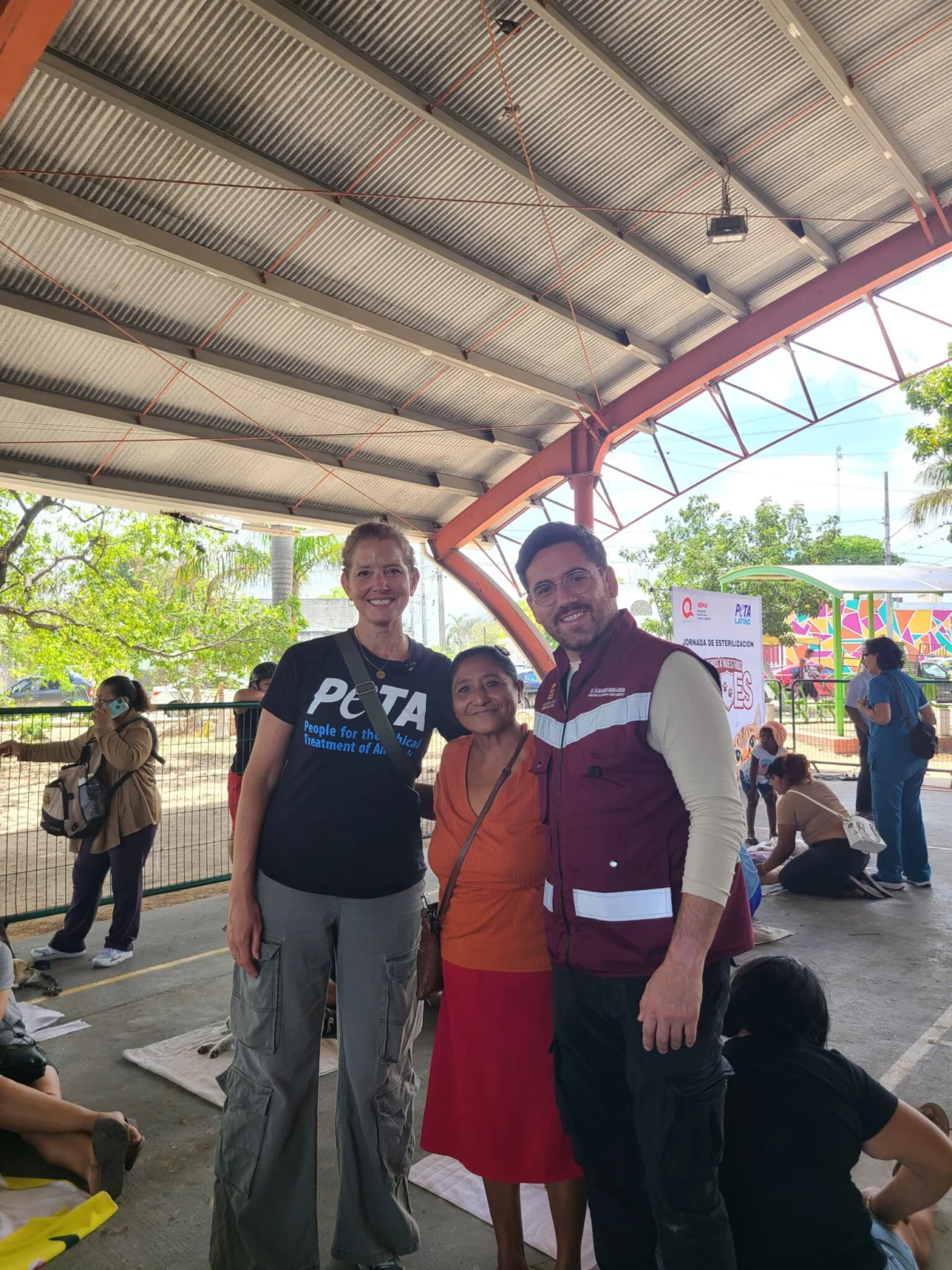
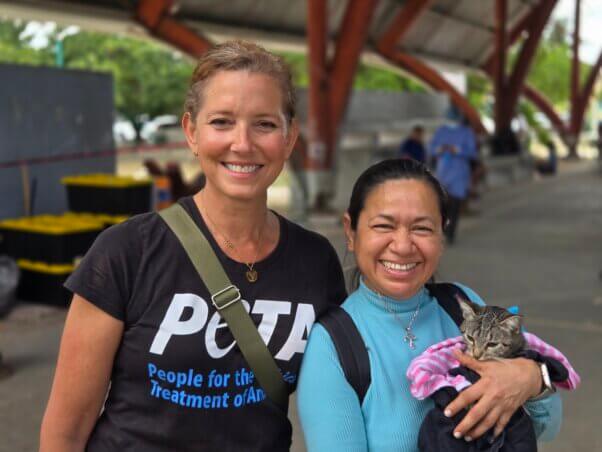
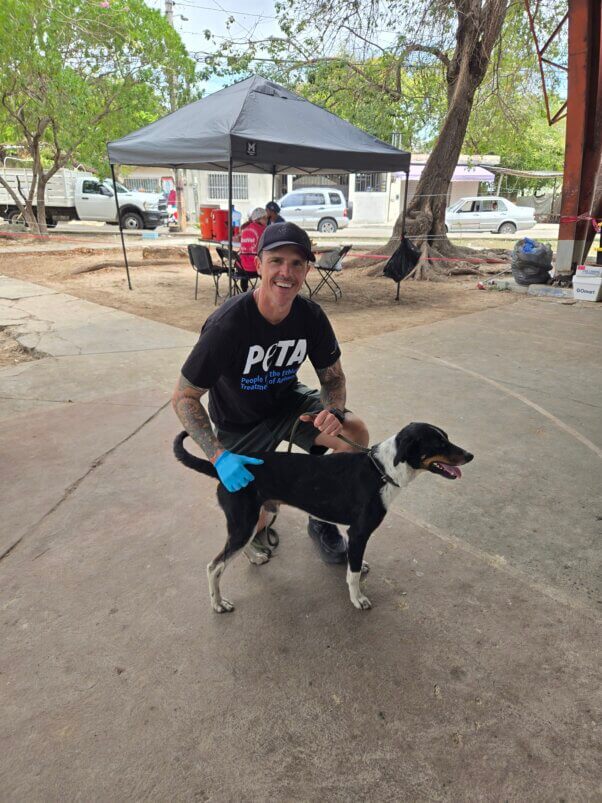
While the world-renowned beaches of Cancún, Mexico, were teeming with spring break tourists, a critical humanitarian and veterinary mission was unfolding in the city’s peripheral and underserved communities. PETA Latino, the Spanish-language arm of People for the Ethical Treatment of Animals, recently concluded its 16th spay and neuter clinic in the region, marking a significant milestone in the ongoing effort to manage the companion animal overpopulation crisis in the state of Quintana Roo. During the intensive four-day "fixing spree," veterinary teams and volunteers successfully sterilized 485 cats and dogs, while simultaneously providing a comprehensive suite of medical services, including vaccinations, parasite treatments, and essential guardian education.
This latest initiative represented a historical shift in local animal welfare policy, as it featured the first-time formal collaboration between PETA Latino and the State of Quintana Roo’s Secretariat of Ecology and the Environment (SEMA). By aligning international NGO resources with state-level governmental support, the clinic was able to reach deep into areas where veterinary care is often financially or geographically inaccessible. The operation aimed not only to provide immediate relief to individual animals but also to implement a long-term strategy to curb the cycle of suffering inherent in the region’s stray animal population.
Chronology of the Four-Day Veterinary Mission
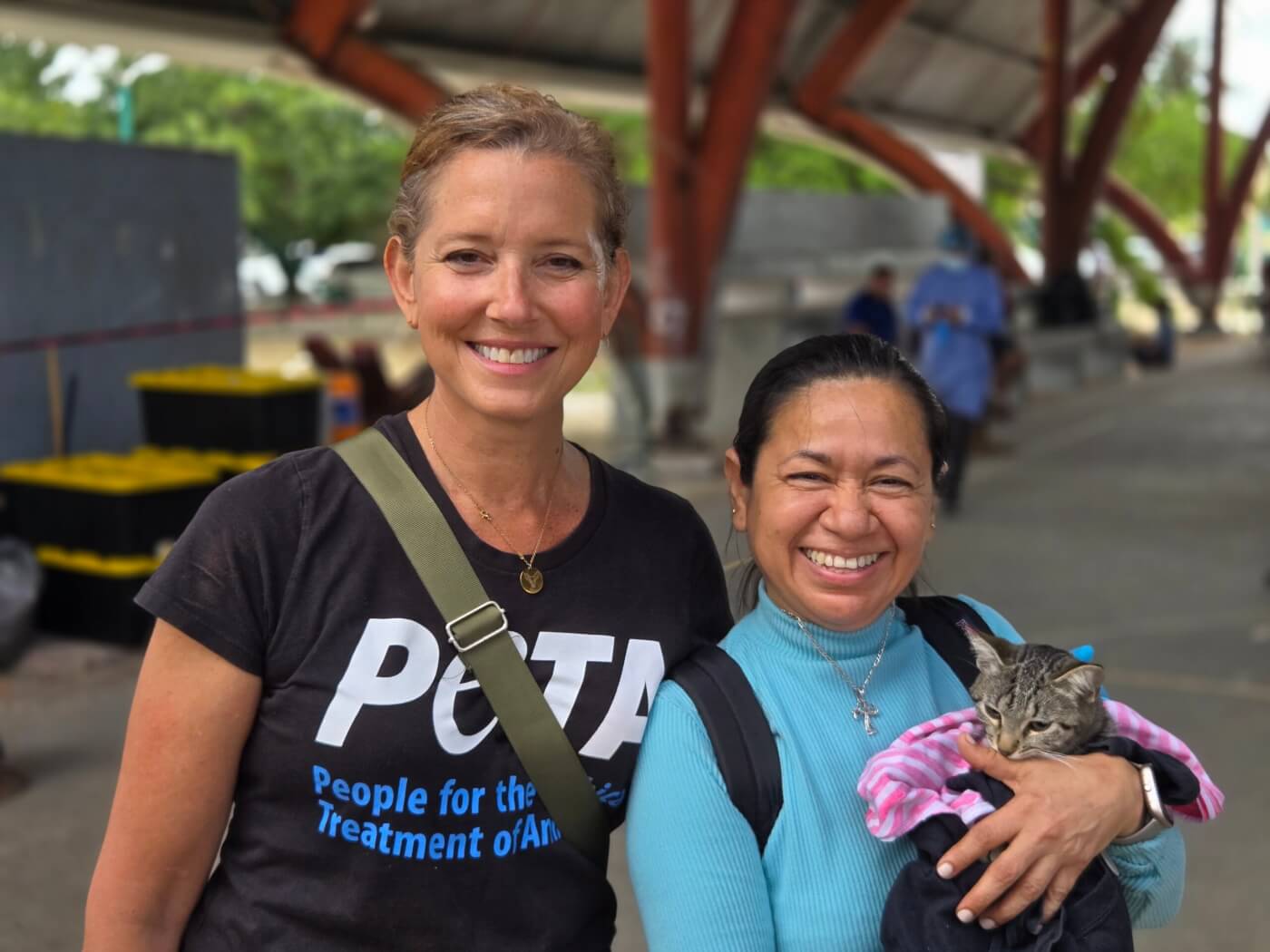
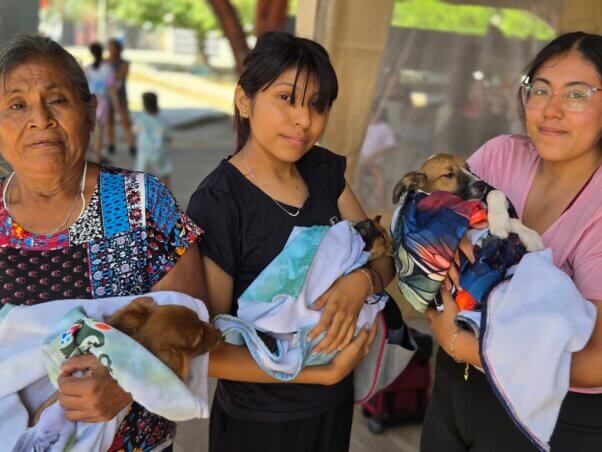
The mission was structured to maximize impact across both urban and informal settlement areas. The first phase of the clinic focused on high-volume sterilization at a central mobile site. From the early hours of the morning, local residents formed long queues, some traveling significant distances with their pets in tow. Among the first beneficiaries was a feline named Merry Christmas, whose guardian sought the surgery to ensure the cat’s long-term health and to prevent the birth of unwanted kittens.
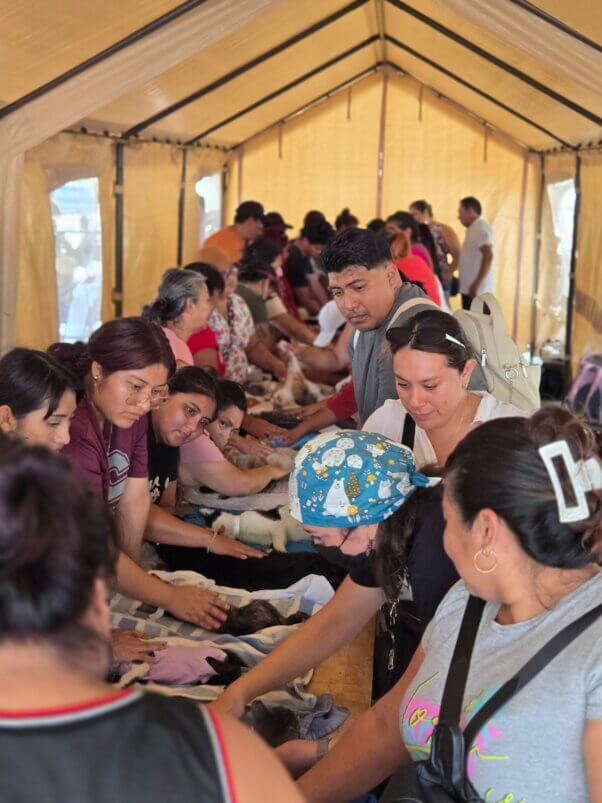
By the second and third days, the team integrated more complex veterinary interventions into the workflow. Beyond the primary goal of sterilization, the recovery area became a hub for secondary care. Staff members administered vaccinations to prevent the spread of zoonotic and canine/feline-specific diseases, applied flea and tick preventatives, and treated cases of sarcoptic mange—a painful skin condition prevalent in tropical climates. The veterinary team also performed grooming tasks that were essential for the animals’ comfort, such as trimming overgrown nails, cleaning infected ears, and shaving down painfully matted fur that can trap heat and parasites.
The final stage of the mission involved mobile outreach to the "zona irregular" of Santa Cecilia. These informal settlements, which often develop without standard urban planning or basic infrastructure like sewage and paved roads, represent the areas of greatest need. In Santa Cecilia, the team shifted from clinical sterilization to field-based welfare improvements, addressing the living conditions of animals that were not mobile enough to reach the clinic.
Comprehensive Care and the Educational Mandate
A core pillar of the PETA Latino mission in Cancún was the emphasis on "humane education." Organizers recognize that sterilization alone cannot solve the overpopulation crisis if the underlying culture of animal care does not evolve. Throughout the intake process, staff members engaged in direct dialogue with pet guardians regarding animal psychology and safety.
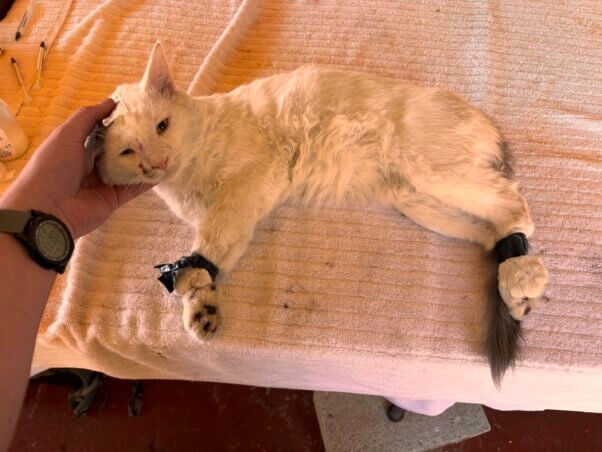
One notable incident during the clinic involved a cat brought in for surgery with its legs tightly wrapped in adhesive tape—a common but misguided method used by some local residents to restrain animals during transport. PETA Latino staff immediately intervened, carefully removing the tape and demonstrating to the guardian why such methods cause intense fear and potential physical harm. They provided the guardian with guidance on humane transport techniques, emphasizing the importance of using carriers or breathable fabrics that allow the animal to remain calm and safe.
This educational approach extended to the treatment of non-traditional companion animals. During the outreach in Santa Cecilia, the team encountered a potbellied pig living in a cramped enclosure with no protection from the elements. In response, the team constructed a brand-new, sturdy shelter and expanded the pig’s living area, which he shared with a chicken. By improving the immediate environment of these animals, the organization aimed to set a standard for animal husbandry within the community.
Supporting Data: The Scale of the Overpopulation Crisis
The necessity of the Cancún clinic is underscored by sobering statistics regarding animal welfare in Mexico. According to data from the Mexican National Institute of Statistics and Geography (INEGI), Mexico has one of the highest populations of stray dogs in Latin America. Estimates suggest that of the approximately 23 to 25 million dogs in the country, nearly 70% live on the streets.
The reproductive math of unsterilized animals illustrates the scale of the challenge. A single unspayed female dog and her offspring can theoretically produce up to 67,000 puppies in just six years. For cats, the numbers are even more staggering, with one female and her descendants capable of producing hundreds of thousands of kittens in a similar timeframe. In tropical regions like Quintana Roo, where the climate allows for year-round breeding cycles, the pressure on local ecosystems and public health resources is immense.
By sterilizing 485 animals in a single weekend, PETA Latino effectively prevented the birth of thousands of animals who would have likely faced lives of hardship. The intervention reduces the burden on local shelters, which are often overwhelmed and underfunded, and minimizes the incidence of road accidents, dog bites, and the spread of diseases such as rabies and leptospirosis.
Official Responses and Political Framework
The success of the 16th clinic was bolstered by the presence and endorsement of high-ranking state officials. Oscar Rebora, the Secretary of Ecology and the Environment for Quintana Roo, visited the site to engage with the veterinary teams and witness the impact on the community. His involvement signifies a growing recognition within the Mexican government that animal welfare is inextricably linked to public health and environmental sustainability.
This collaboration aligns with the broader policy objectives of Governor Mara Lezama, who has recently championed the launch of mobile spay/neuter clinics across the state. The "Procuraduría de Protección al Ambiente" (Environmental Protection Agency) of Quintana Roo has been tasked with expanding these services to reach the most vulnerable sectors of the population. By integrating PETA Latino’s expertise with the state’s logistical capabilities, the initiative has created a blueprint for future public-private partnerships in the realm of animal rights.
In a statement reflecting the sentiment of the collaboration, officials noted that providing these services at no cost is essential for social equity. In many of the neighborhoods served by the clinic, the cost of a private sterilization surgery can equal a week’s wages for a local laborer. Removing this financial barrier is the only viable way to achieve the "herd immunity" levels of sterilization required to stabilize the stray population.
Broader Impact and Implications
The implications of the Cancún mission extend beyond the 485 animals treated. Such clinics serve as a catalyst for community-wide shifts in how animals are perceived. When a government-backed NGO enters a neighborhood to provide high-quality medical care for "street dogs," it sends a powerful message that these animals have intrinsic value and deserve protection under the law.
Furthermore, the focus on "irregular zones" like Santa Cecilia addresses a critical gap in urban management. These areas are often overlooked by municipal services, leading to a concentration of unvaccinated and unsterilized animals. By providing doghouses to animals like Max, Negro, and Athena—a homeless dog currently battling a contagious venereal tumor—the mission provided tangible relief that improves the quality of life for both the animals and the human residents who live alongside them.
The provision of sturdy plastic doghouses and parasite prevention is also a public health measure. Ticks and fleas in the region are vectors for diseases that can jump from animals to humans. By treating the animals, the clinic effectively sanitized the living environments of the human guardians, illustrating the "One Health" concept—the idea that human, animal, and environmental health are deeply interconnected.
Future Outlook and Global Context
PETA Latino’s work in Mexico is funded largely through the Global Compassion Fund, a resource dedicated to providing emergency relief and long-term solutions for animals in crisis-prone regions of the world. The organization has signaled that it intends to continue its presence in Quintana Roo, with plans for future clinics that will build upon the data and community relationships established during this 16th event.
As Cancún continues to grow as a global tourism hub, the contrast between the luxury hotel zone and the struggling "irregular zones" remains stark. However, the success of this collaborative clinic suggests that a more humane future is possible through sustained intervention and government cooperation. The model established here—combining high-volume surgery with deep-reach community outreach and official state support—serves as a potential template for other municipalities across Mexico and Latin America facing similar overpopulation challenges.
The long-term goal remains the total elimination of the stray animal crisis through consistent, accessible sterilization and the enforcement of animal protection laws. Until that goal is reached, the efforts of organizations like PETA Latino provide a vital safety net for the thousands of animals who would otherwise be left to fend for themselves on the streets of Quintana Roo. Through the sterilization of 485 cats and dogs, the 16th Cancún clinic has not only saved lives but has also moved the needle toward a more compassionate and sustainable society.

