


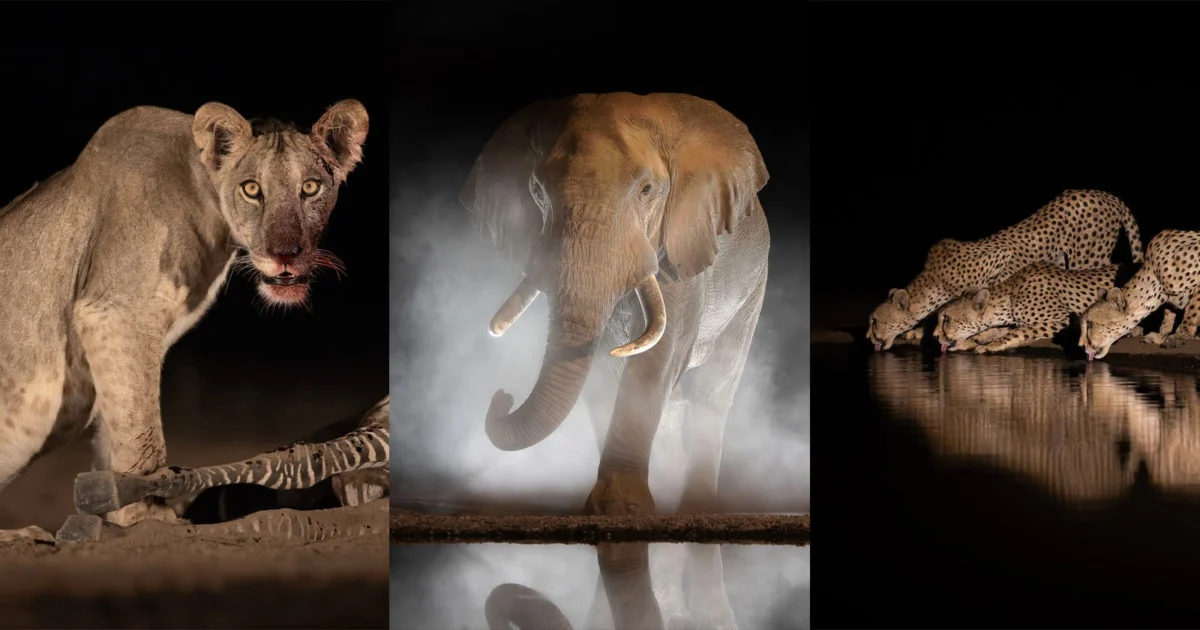
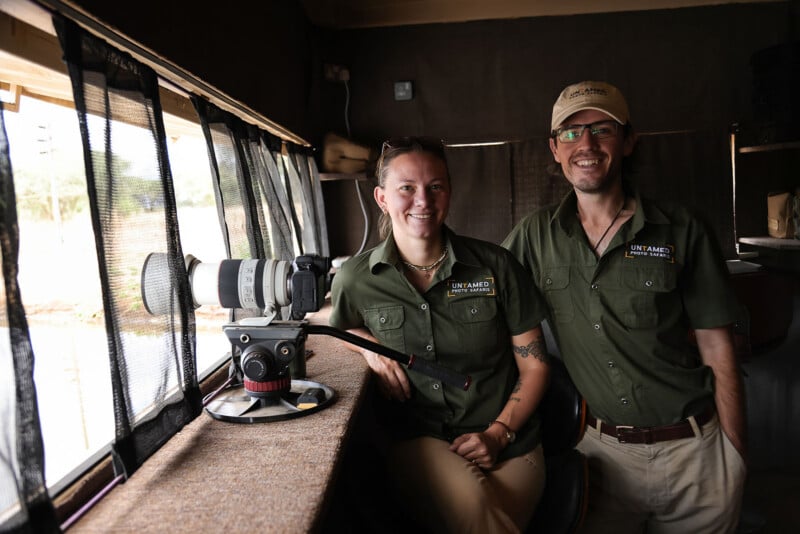
In an era where wildlife photography is often characterized by fleeting glimpses from the back of a rumbling safari vehicle, photographers Mark and Jaren Fernley have executed a masterclass in patience and immersive observation. Spending two consecutive months within the Shompole Conservancy in southern Kenya, the husband-and-wife team utilized specialized, strategically positioned hides to document the private lives of Africa’s most iconic and elusive predators. Their residency, conducted under the banner of their company Untamed Photo Safaris, represents a significant departure from traditional wildlife tourism, prioritizing a low-impact, high-reward methodology that allows animals to dictate the terms of engagement.
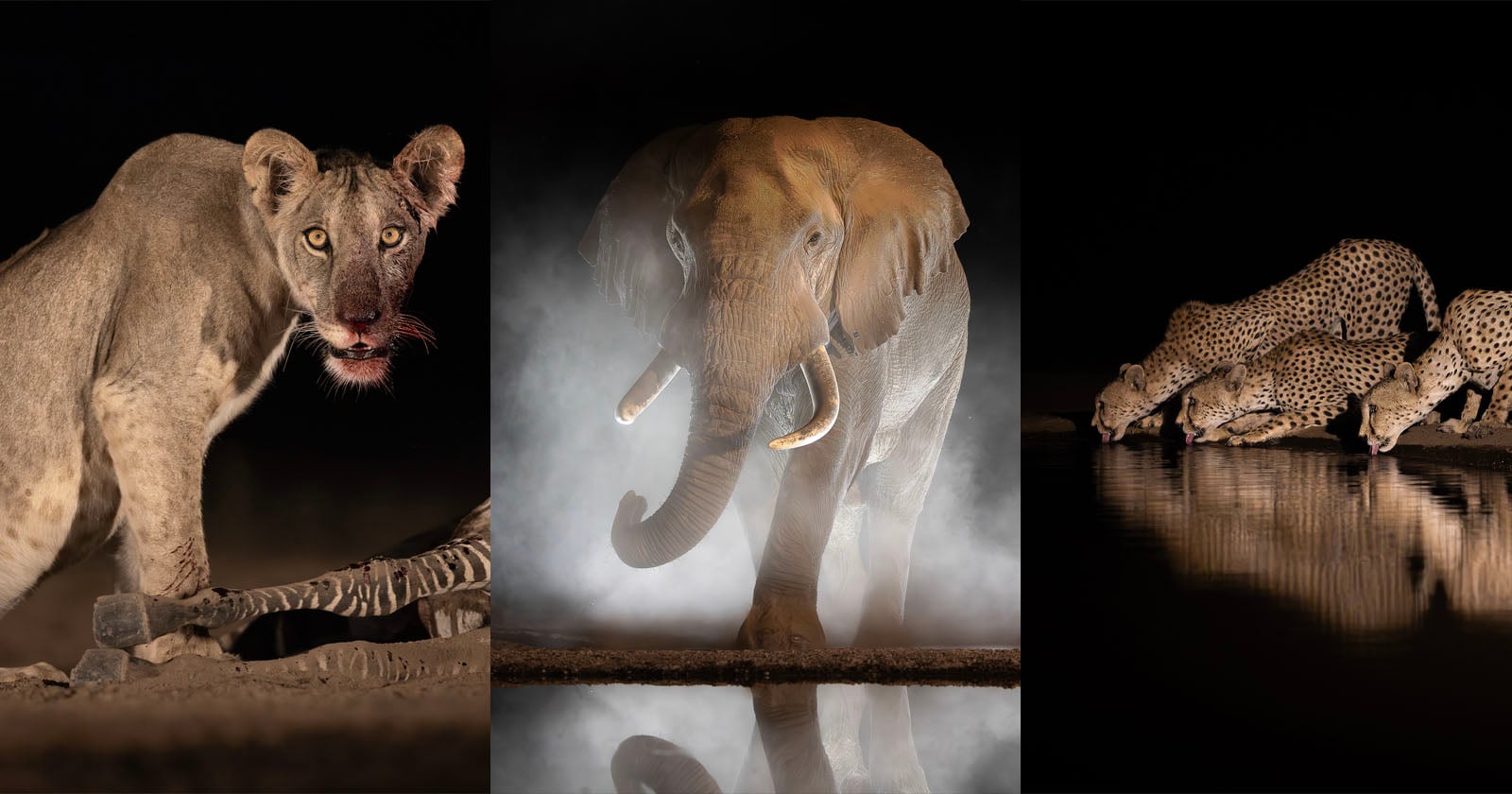
By remaining stationary for sixty days, the Fernleys were able to transcend the limitations of the "snapshot" culture. Instead of chasing the action, they allowed the ecosystem to unfold around them, capturing images of lions, leopards, cheetahs, and elephants that reveal a level of comfort and natural behavior rarely seen in the presence of humans. This extended duration allowed the photographers to move beyond mere documentation and into the realm of behavioral study, providing a unique look at how the lunar cycle, dust movements, and social hierarchies influence the activity at a remote watering hole.
Strategic Architecture: The Mechanics of the Shompole Hides
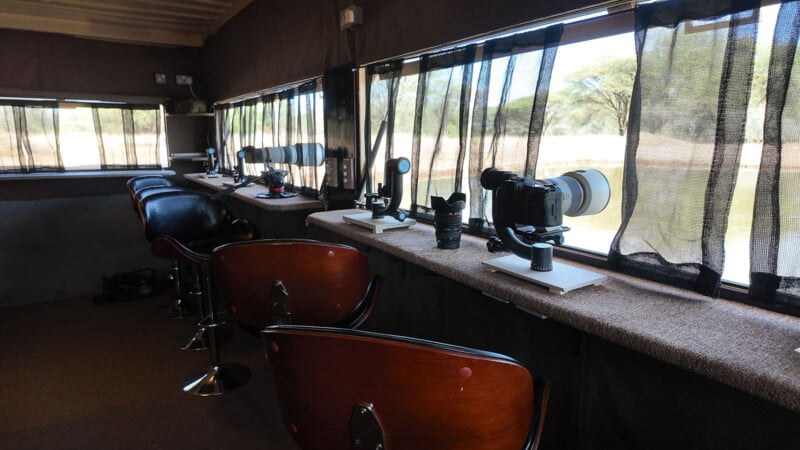
The success of the Fernleys’ expedition was predicated on the design and placement of two distinct structures: the Shompole Plains Hide and the Shompole Kichaka Hide. These are not merely viewing platforms but are engineered environments designed to minimize human presence while maximizing photographic perspective.
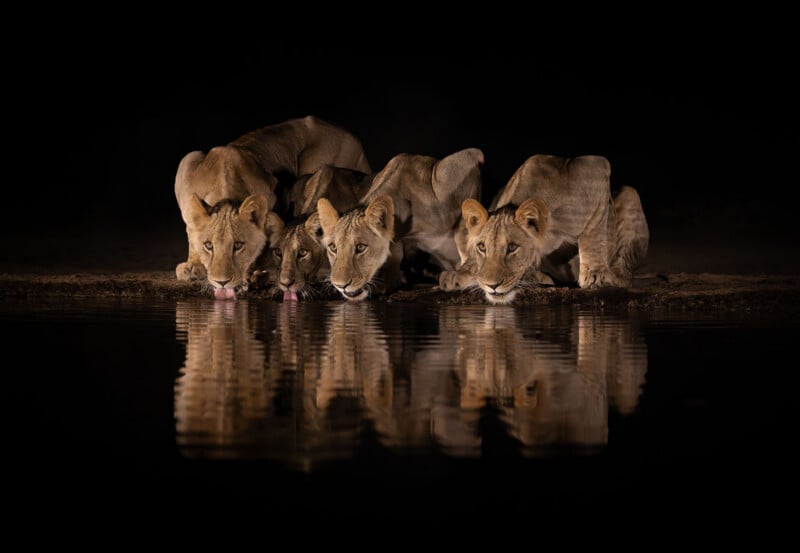
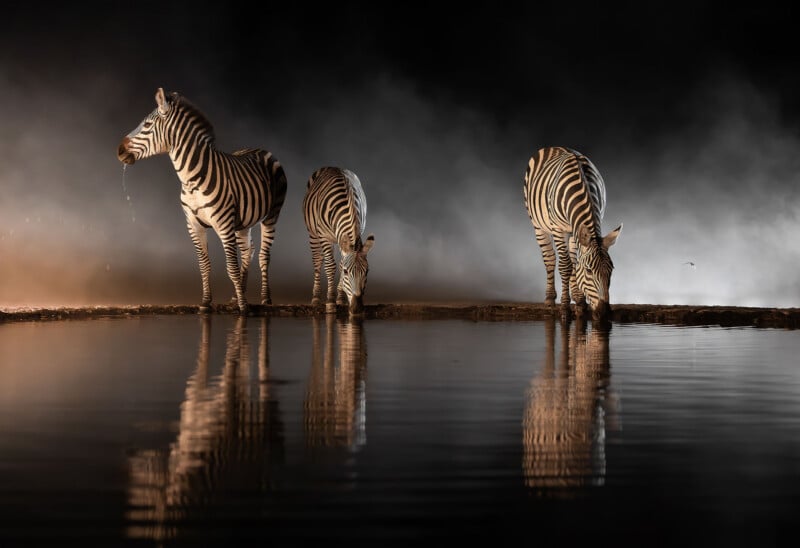
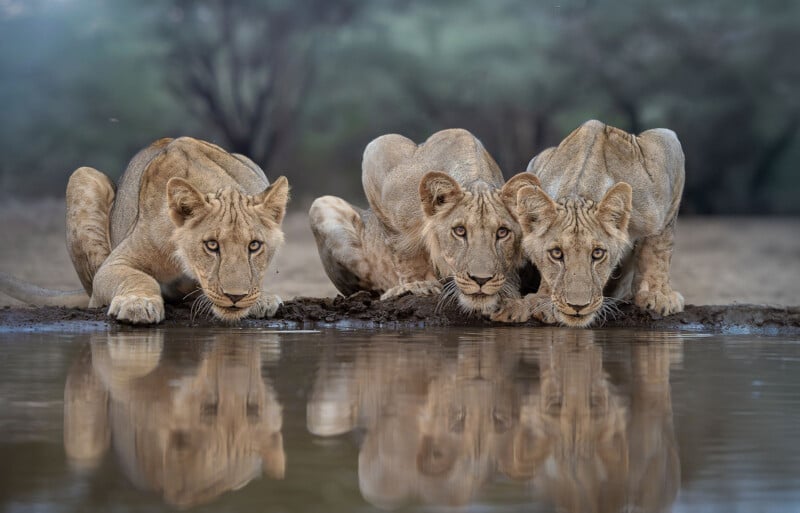
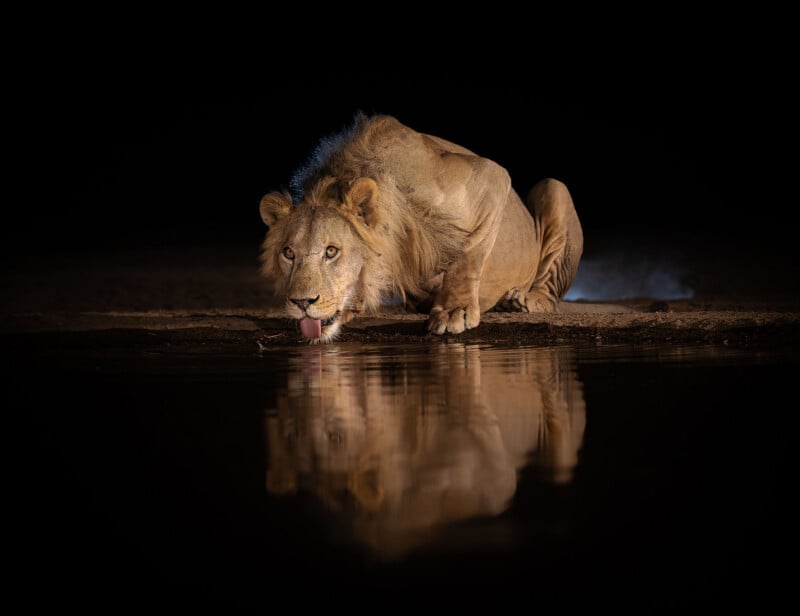
The Shompole Plains Hide is an underground facility positioned at the edge of an open waterhole. By placing the photographers at eye level with the water’s surface, the hide facilitates a dramatic, low-angle perspective that imbues the subjects with a sense of monumental scale. This "eye-to-eye" contact creates an intimate connection between the viewer and the predator, as seen in the team’s striking images of lions drinking just two meters away. The proximity is achieved without physical barriers between the camera lens and the animal, relying instead on the concealment of the hide and the animals’ lack of association between the structure and human presence.
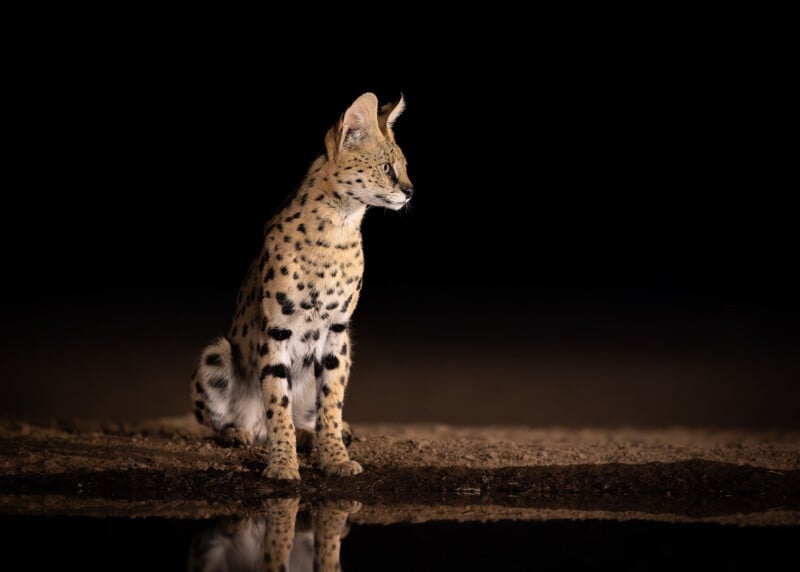
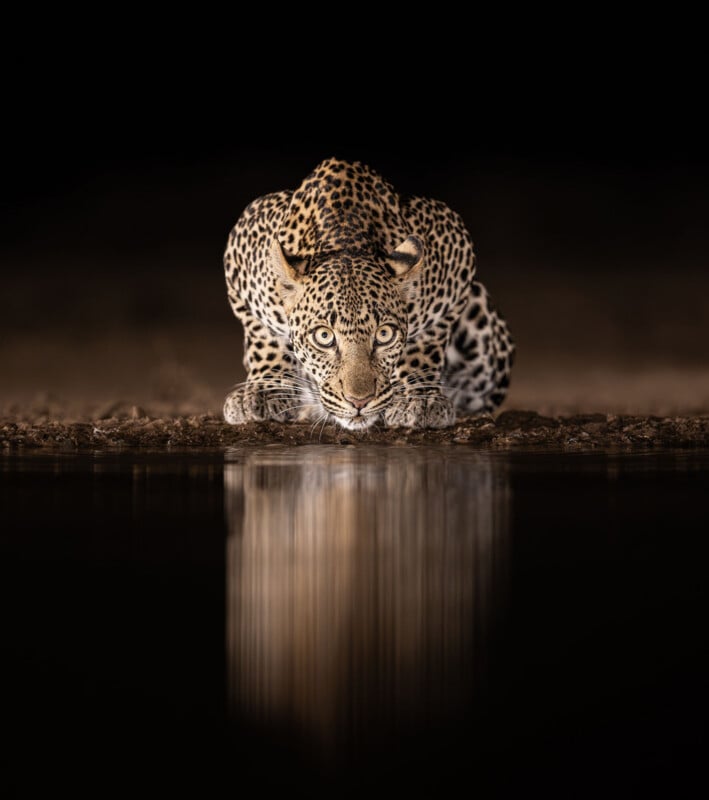
In contrast, the Shompole Kichaka Hide offers a more enclosed and intimate setting. Located in denser brush, it is designed specifically for the "elusive" species of the African bush—those that avoid open plains and prefer the cover of vegetation. This hide provided the team with opportunities to capture rarer sightings, such as the serval cat and the notoriously shy leopard, both of which require a higher degree of stillness and silence from the observer.
The Chronology of Observation: Moving from Sightings to Patterns
A central finding of the Fernleys’ two-month residency was the importance of temporal depth. While a typical three-day safari might yield "good sightings," Mark Fernley noted that sixty days are required to begin identifying the underlying rhythms of the wild. Over the course of their stay, the team developed a comprehensive understanding of the waterhole’s "schedule."
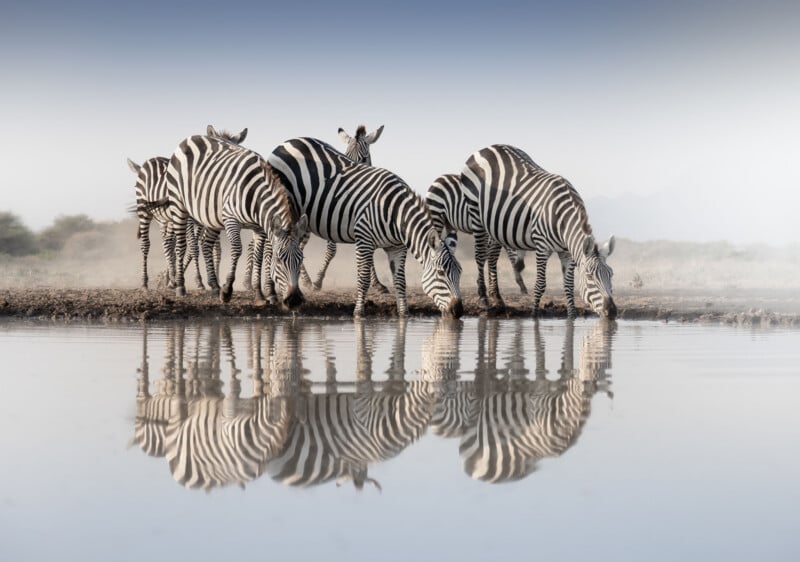
They observed which species arrived at specific times—noting, for instance, the transition from the diurnal activity of zebras and baboons to the nocturnal reign of the big cats. They also tracked how the phases of the Moon influenced animal activity; brighter nights often saw different movement patterns compared to the pitch-black conditions of a new moon. This chronological data allowed the photographers to anticipate shots, preparing their equipment and lighting settings long before an animal stepped into the frame.
This "slow photography" movement emphasizes the reading of a scene. "You cannot chase the subject," Mark Fernley explained. "You have to wait, read the scene, prepare your settings, and let the moment come to you." This approach requires a mental shift from the photographer, moving from a proactive hunter of images to a reactive witness of nature.
Technical Mastery: Lighting and Gear in the Darkness
The Fernleys’ portfolio is distinguished by its dramatic nighttime imagery, which utilizes sophisticated artificial lighting to illuminate subjects against the void of the African night. Crucially, the team eschewed the use of traditional flash photography, which can startle animals, cause temporary "flash blindness," or provoke a flight response.
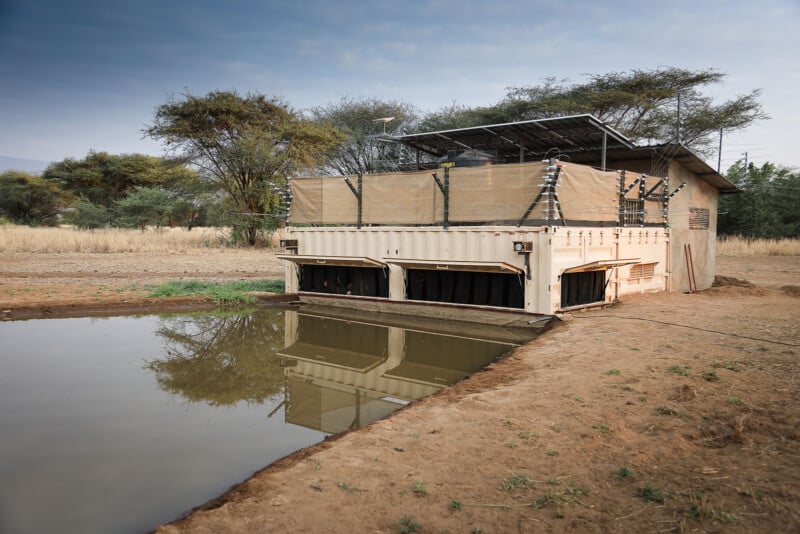
Instead, the hides are equipped with solar-powered, dimmable LED systems. Controlled from within the hide via dimmer switches, these lights allow the photographers to introduce illumination so gradually that the animals remain entirely unaware of the change. The lighting setup is multi-directional:
- Front Lighting: Attached to the hide itself, these lights provide a warm glow across the water, essential for capturing the crisp reflections that have become a hallmark of the Fernleys’ work.
- Side Lighting: Positioned on poles roughly five meters from the waterline, these lights add depth, texture, and contour to the animals’ forms, preventing the "flat" look often associated with direct lighting.
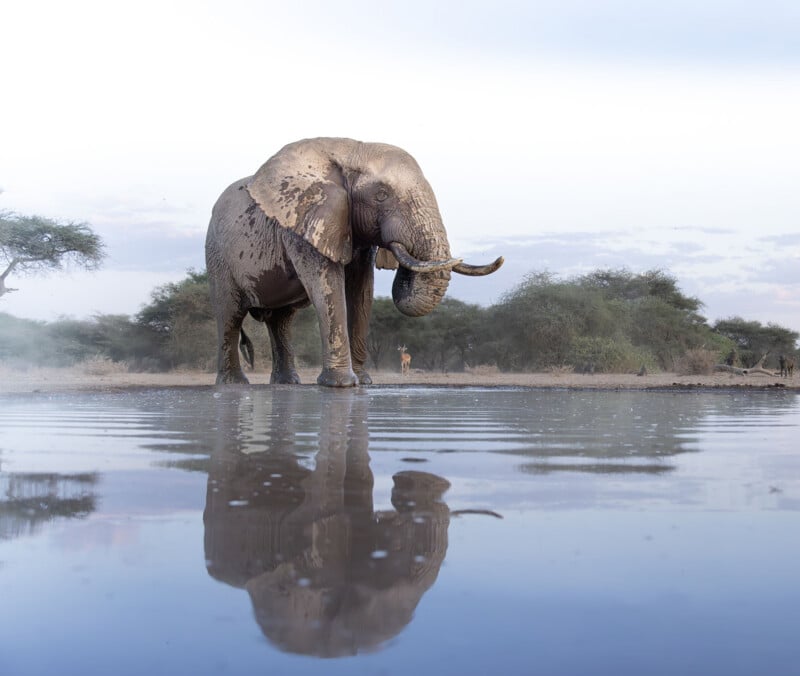
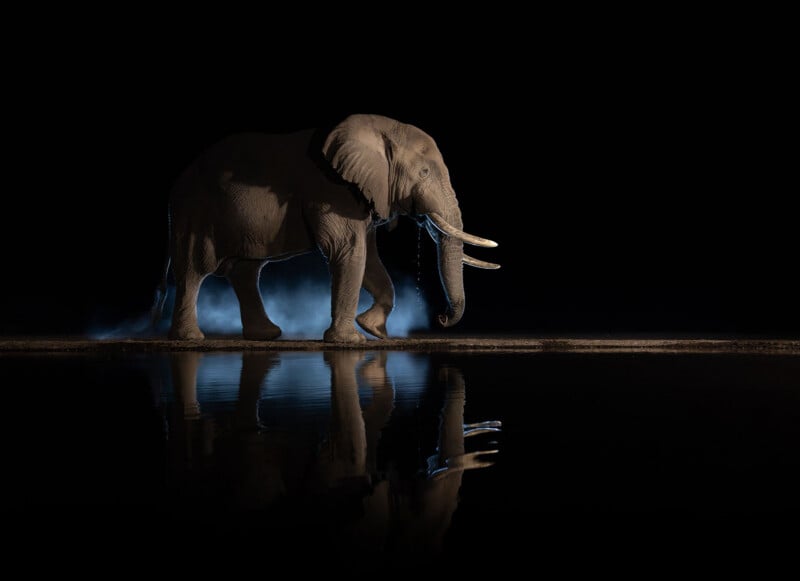
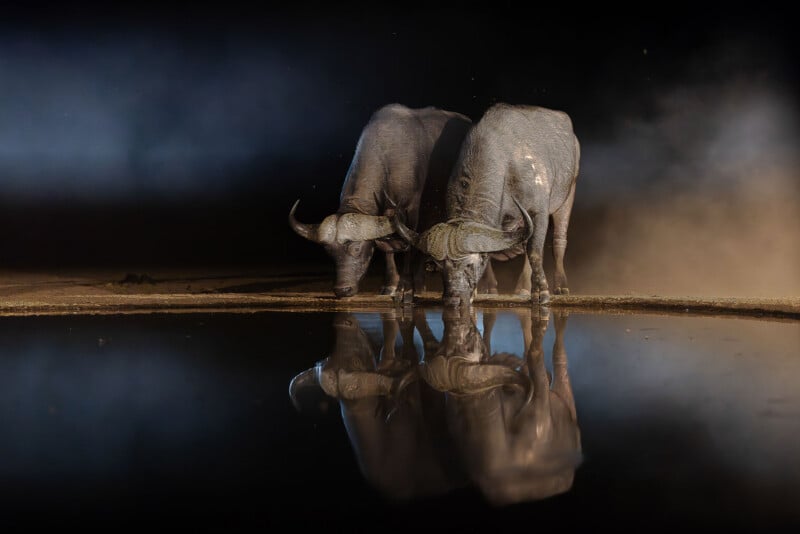
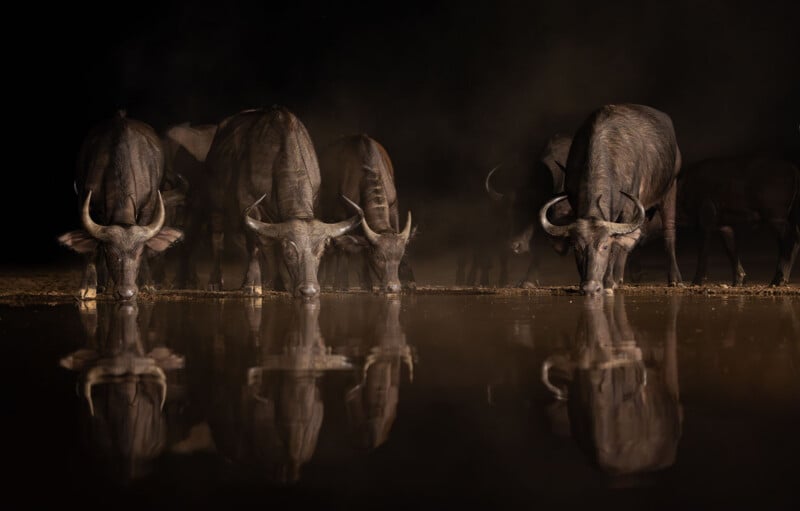
- Backlighting: Specifically at the Shompole Plains Hide, backlighting is used to create atmospheric silhouettes and to highlight the dust and mist kicked up by heavy mammals like elephants and buffalo.
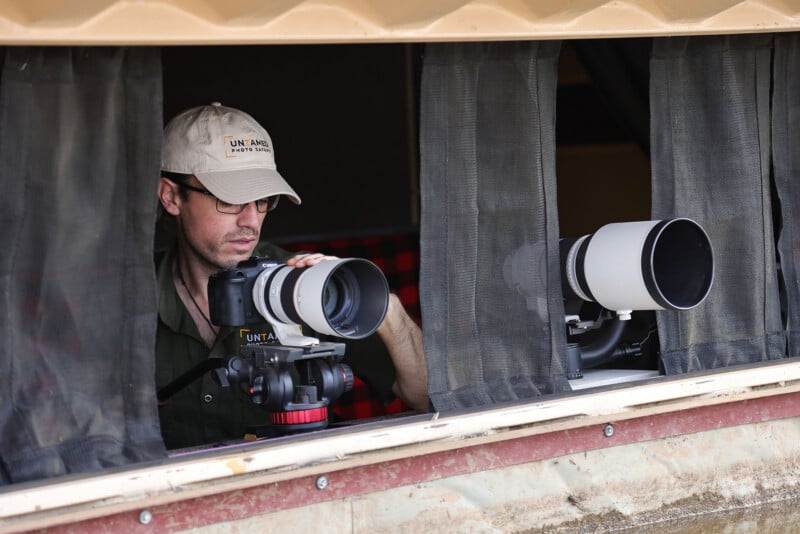
The team utilized the Canon R5 Mark II, a high-resolution mirrorless camera capable of exceptional performance in low-light environments. Their lens selection was varied to suit the proximity of the subjects, ranging from the RF 24-105mm f/2.8 for wide-angle environmental shots and close-up lion encounters, to the RF 70-200mm f/2.8 and 300mm primes for more distant or smaller subjects. The use of electronic, silent shutters was mandatory, ensuring that the mechanical "click" of a camera did not disturb the silence of the night or the sensitivity of the animals.
Biodiversity and Behavioral Insights at Shompole
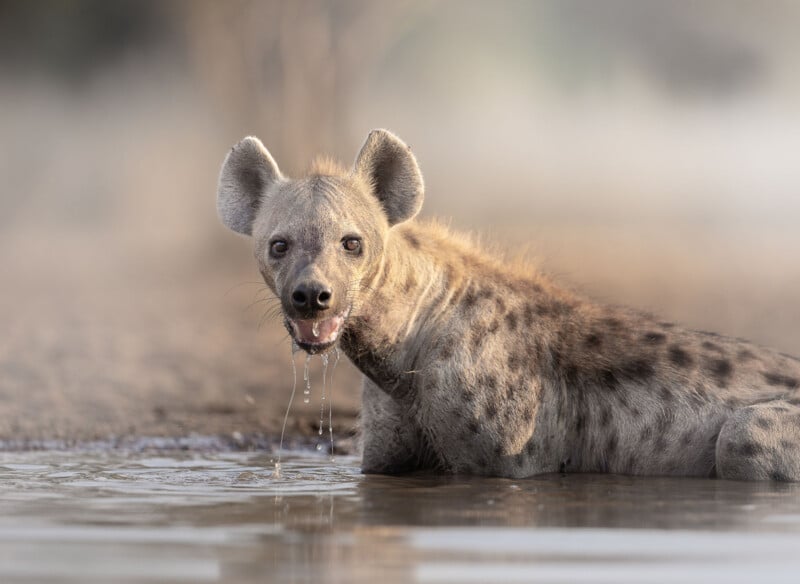
The Shompole Conservancy, located between Lake Magadi and Lake Natron in the Great Rift Valley, is a critical corridor for wildlife. The Fernleys’ work documented a staggering array of biodiversity. Beyond the "Big Five," the team captured intimate moments of spotted hyenas lounging in shallow water, servals reflected in still pools, and baby baboons hitching rides on their mothers’ backs.
One of the most compelling observations involved the social behavior of lions. The team captured images of large prides drinking in unison, their reflections mirrored perfectly in the water. These moments highlight the necessity of the waterhole as a communal resource in the arid Shompole landscape. The photographers also documented the harsher realities of the ecosystem, including a lioness with a blood-stained muzzle standing over a zebra carcass—a stark reminder of the predatory cycles that sustain the conservancy.

The presence of elephants, often covered in the pale mud characteristic of the region, provided opportunities for high-contrast photography. The team noted that elephants would often emerge through the mist, their massive forms illuminated by the side-lighting, creating a ghostly, ethereal aesthetic that contrasts with the sharp, aggressive lines of the feline predators.
Conservation Context: The Role of Community Conservancies
The Shompole Conservancy is a vital example of community-based conservation. Managed by the local Maasai community, the 140,000-acre conservancy balances the needs of livestock with the protection of wildlife habitat. By promoting low-density, high-value tourism through photographic hides, the conservancy generates revenue for the local community without the ecological strain of mass tourism.
The Fernleys’ work serves as an endorsement of this model. By staying in the hides—which are equipped with modest beds and basic facilities—the photographers lived within the ecosystem rather than on its periphery. This immersion fosters a deeper respect for the land and its inhabitants. Jaren Fernley emphasized that the hide is not a "room" but a privileged vantage point inside an animal’s space. "You hear the footsteps, the drinking, the breathing, and the sounds of the night around you. It is completely different from photographing from a vehicle."
Analysis of Implications for Wildlife Tourism
The success of the Fernleys’ two-month project suggests a shifting paradigm in wildlife photography and tourism. As travelers become more environmentally conscious and photographers seek more unique, high-quality content, the "hide-based" safari is likely to see increased demand.
This methodology offers several advantages:
- Animal Welfare: By remaining hidden and silent, photographers eliminate the stress caused by vehicles following or surrounding animals.
- Image Quality: The controlled lighting and eye-level perspective produce professional-grade imagery that is difficult to achieve in the unpredictable environment of a moving vehicle.
- Educational Value: Extended stays allow for the collection of behavioral data that can be shared with researchers and conservationists to better understand local population dynamics.
For Untamed Photo Safaris, the two-month residency was a reconnaissance mission to refine the experience for future guests. By understanding the seasonal timing, light behavior, and animal patterns, the Fernleys can now lead expeditions that offer photographers the best possible chance of capturing "once-in-a-lifetime" shots through a lens of patience and respect.
As the global wildlife photography community continues to grapple with the ethics of proximity and the impact of tourism, the Shompole residency stands as a testament to the power of stillness. It proves that in the natural world, the most profound revelations often come to those who are willing to wait in the dark, silent and unseen, for the wild to come to them.

