


Every year since 1970, April 22nd marks Earth Day, a global observance dedicated to demonstrating support for environmental protection. Originating from a grassroots movement in the United States, Earth Day was founded by Senator Gaylord Nelson, inspired by the anti-war protests of the 1960s, to infuse the energy of student anti-war protests with an emerging public consciousness about air and water pollution. The first Earth Day, held on April 22, 1970, mobilized over 20 million Americans, leading to the creation of the United States Environmental Protection Agency and the passage of landmark environmental laws like the Clean Air Act, Clean Water Act, and the Endangered Species Act. What began as a national teach-in quickly blossomed into a global phenomenon, now celebrated in more than 193 countries by over a billion people, serving as a critical reminder of our collective responsibility to safeguard the planet. While often focusing on large-scale issues like climate change, pollution, and deforestation, Earth Day also provides an opportunity to appreciate the smaller, yet equally crucial, cogs in the ecological machine – specifically, the diverse and often overlooked roles played by various bird species. From the smallest hummingbird to the majestic vulture, birds perform indispensable services that are foundational to the health and resilience of our shared environment.
Hummingbirds: Tiny Wings, Monumental Ecological Impact
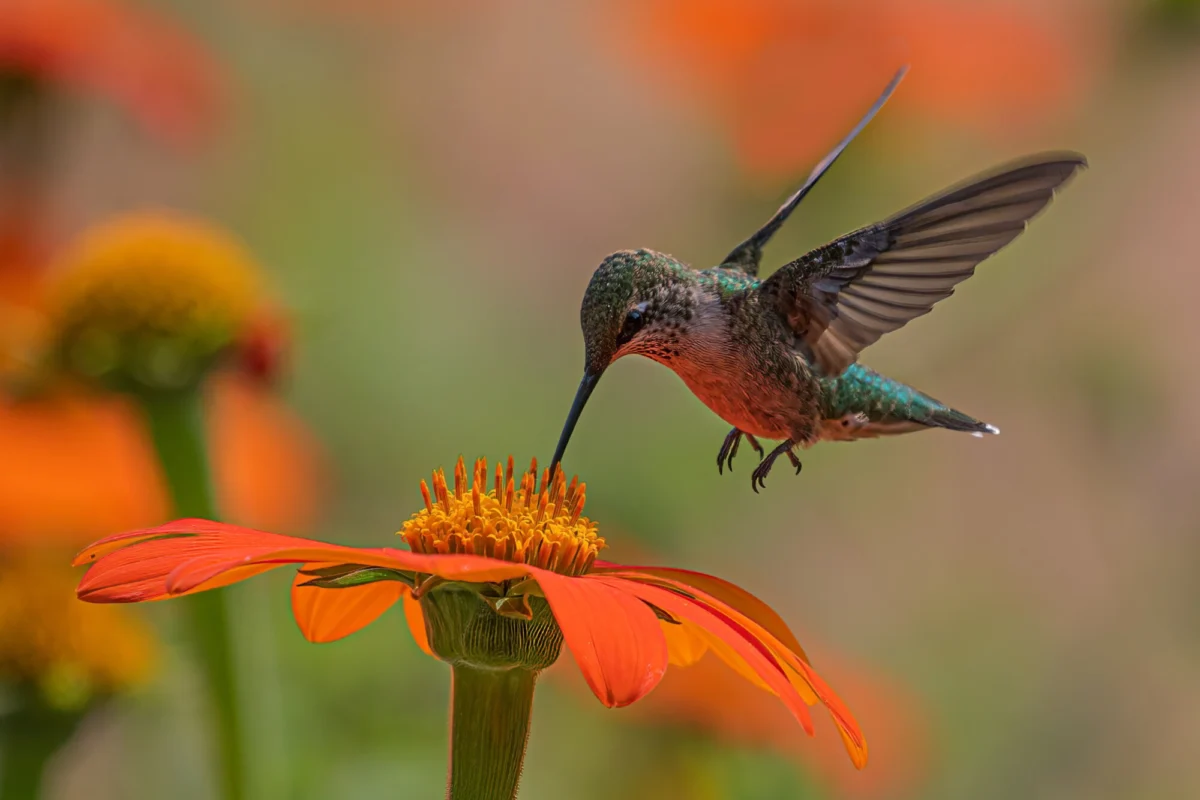
Among the most captivating and ecologically significant avian species are hummingbirds, whose diminutive size belies their monumental impact. These iridescent jewels of the avian world, native exclusively to the Americas, are not just a delight to observe; they are critical specialized nectar feeders and primary pollinators in many ecosystems. With over 360 recognized species, hummingbirds have evolved an extraordinary co-dependent relationship with flowering plants. As they flit from bloom to bloom, their long, slender beaks and even longer tongues are perfectly adapted to extract nectar from tubular flowers, a resource often inaccessible to other insects. In doing so, they inadvertently transfer pollen grains from one flower to another, facilitating plant reproduction. This pollination service is particularly vital in environments where other common pollinators, such as bees and butterflies, may be less prevalent or struggle to survive due to specific environmental conditions or habitat fragmentation.
The ecological significance of hummingbirds extends beyond simple pollination. Their close, co-evolved relationships with specific plant species promote genetic diversity within plant populations and support the intricate web of life that characterizes entire ecosystems. Many tropical and subtropical plant species rely almost exclusively on hummingbirds for their reproductive success, meaning the fate of these plants is intrinsically linked to the health of hummingbird populations. Furthermore, due to their highly specialized diets and sensitive physiological requirements, hummingbirds act as crucial bio-indicators of environmental health. Their populations are highly responsive to changes in climate, habitat availability, and pesticide use. Declines in hummingbird numbers or shifts in their migratory patterns can signal broader environmental disruptions, such as altered flowering seasons due to climate change, habitat loss from urbanization or agriculture, or the proliferation of harmful chemicals. Protecting hummingbirds, therefore, necessitates the conservation of their habitats and the native plant species they depend upon, a task that contributes significantly to broader biodiversity efforts across the Americas. Organizations like the National Audubon Society and local bird conservation groups actively promote planting native, nectar-rich flora to create "hummingbird highways" and support these essential pollinators, often highlighting these efforts around Earth Day.
Vultures: Nature’s Indispensable Cleanup Crew
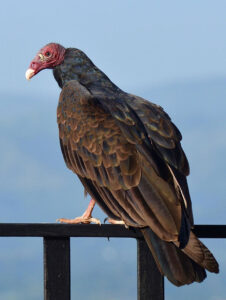
Often misunderstood and unfairly maligned, vultures are arguably among the planet’s most unsung environmental heroes, fulfilling an absolutely critical role as nature’s ultimate cleanup crew. These large, often bald-headed raptors specialize in scavenging carrion, efficiently disposing of animal carcasses before they can become breeding grounds for disease or sources of environmental contamination. Globally, there are 23 species of vultures, divided into Old World (found in Africa, Asia, and Europe) and New World (found in the Americas) groups, each uniquely adapted to their scavenging lifestyle. Their distinctive bald heads, for instance, are not a mere aesthetic quirk; they are a practical adaptation that prevents blood and bacteria from clinging to feathers while feeding inside carcasses, reducing the risk of infection.
The work performed by vultures is not merely aesthetically beneficial; it is a vital public health service. Their highly acidic digestive systems, with pH levels as low as 1.0, are capable of neutralizing dangerous pathogens that would be lethal to most other scavengers and humans. This includes bacteria responsible for diseases such as anthrax, rabies, botulism, and cholera. Without vultures, carcasses would decompose much more slowly, leading to the proliferation of disease-carrying insects and mammals, such as rats and feral dogs. This has been starkly illustrated in regions like India, where a catastrophic decline in vulture populations – estimated at over 97% since the 1990s, primarily due to the veterinary drug diclofenac – led to a dramatic increase in rabies cases transmitted by feral dogs and significant public health costs associated with carcass disposal. The World Wildlife Fund (WWF) and other conservation bodies have consistently advocated for the protection of vultures, dubbing them "Earth’s true environmental influencers" due to their unparalleled role in disease prevention and nutrient cycling. Their efficiency in removing decaying matter also returns essential nutrients to the soil more quickly, fostering healthier ecosystems. Conservation efforts, including the banning of diclofenac in several South Asian countries and the establishment of "vulture restaurants" (safe feeding sites), are critical to reversing their perilous declines and preserving these indispensable environmental custodians.
Seabirds: Connecting Land and Sea Through Nutrient Cycling
Seabirds, with their remarkable ability to traverse vast oceanic distances, perform a unique and often overlooked ecological service: they act as vital conduits for nutrient transfer, connecting marine and terrestrial ecosystems. These birds, ranging from gulls and terns to albatrosses and puffins, spend much of their lives at sea, foraging for fish and invertebrates. When they return to land, typically remote islands or coastal cliffs, to breed, they deposit nutrient-rich droppings known as guano. This guano is a powerful natural fertilizer, transferring nitrogen, phosphorus, and other essential minerals from the abundant marine environment to nutrient-poor terrestrial soils.
Research has extensively documented the profound impact of this nutrient transfer. On many oceanic islands, seabird guano significantly enriches the soil, boosting plant growth and supporting denser, more diverse vegetation than would otherwise be possible. This enhanced vegetation, in turn, stabilizes habitats, prevents soil erosion, and provides food and shelter for a variety of other terrestrial wildlife, including insects, reptiles, and endemic plant species. The ecological ripple effect is substantial, as healthier plant communities lead to more robust insect populations, which then support higher trophic levels. By bridging marine and terrestrial systems, seabirds help maintain the productivity and resilience of entire island ecosystems, which are often biodiversity hotspots with many endemic species.
However, seabird populations worldwide face unprecedented threats. Plastic pollution, overfishing that depletes their food sources, invasive predators on nesting islands, oil spills, and the escalating impacts of climate change (including sea-level rise affecting nesting sites and altered ocean currents impacting prey distribution) are pushing many species towards extinction. Conservation organizations like BirdLife International and the American Bird Conservancy highlight the urgent need for marine protected areas, responsible fishing practices, and aggressive efforts to reduce plastic waste to safeguard seabird populations and, by extension, the critical ecological services they provide. Protecting these aerial navigators is not just about saving a species; it’s about preserving the delicate balance between land and sea, ensuring the health of unique island biomes, and maintaining the vital nutrient cycles that sustain life.
Parrots: Forest Gardeners and Ecosystem Multilinkers
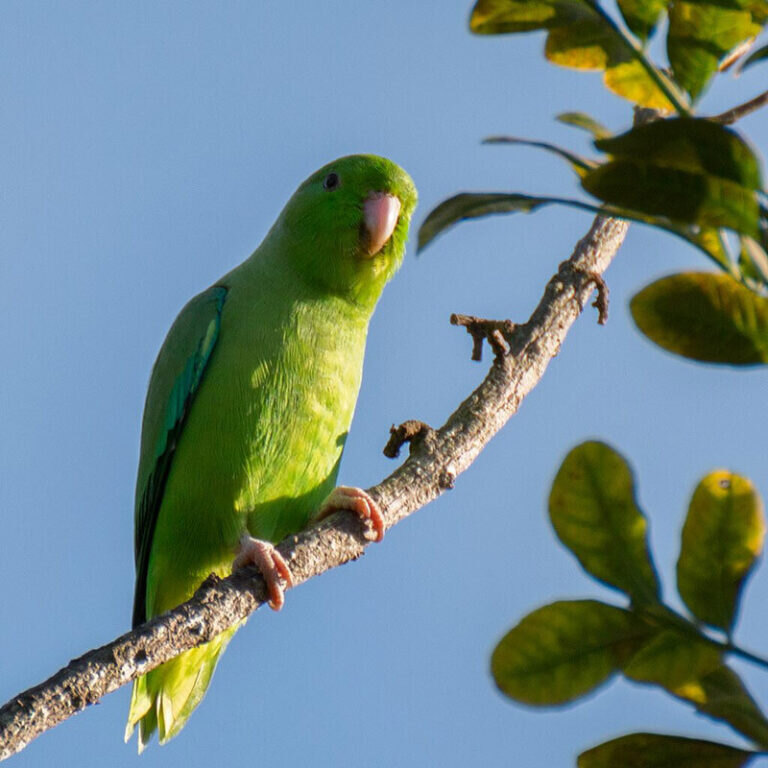
Parrots, renowned for their vibrant plumage and intelligence, are far more than just charismatic creatures; they are active and crucial participants in the health and regeneration of forest ecosystems. Often referred to as "forest gardeners," parrots play multifaceted roles as "multilinkers" within their habitats, dispersing seeds, pollinating plants, and even aiding in pest control. With nearly 400 species globally, primarily concentrated in tropical and subtropical regions, parrots exhibit diverse feeding strategies that contribute significantly to their ecological functions.
One of their most important roles is seed dispersal. While some seeds are consumed and destroyed, many pass through a parrot’s digestive tract unharmed or are dropped and forgotten during feeding. Critically, parrots often travel significant distances between feeding sites and roosts, effectively dispersing seeds over wider areas than many other animals. This long-distance dispersal is essential for forest regeneration, particularly after disturbances, as it helps maintain genetic diversity within plant populations and allows plants to colonize new areas. Species like macaws, known for their powerful beaks, can crack open tough nuts and seeds, making their contents accessible to other organisms, while also inadvertently scattering viable seeds.
Beyond seed dispersal, some parrot species are also effective pollinators. As they forage for nectar, pollen adheres to their feathers and is subsequently transferred to other flowers, aiding in plant reproduction, much like hummingbirds do in some contexts. Furthermore, in the wild, many parrots include insects and larvae in their diet, especially during breeding season to provide protein for their young. This insectivorous behavior means they also contribute to natural pest control, helping to regulate insect populations that might otherwise damage foliage or crops. Their movements across landscapes facilitate the transfer of energy and nutrients between different parts of an ecosystem, supporting plant life cycles and overall biodiversity.
However, parrot populations are among the most threatened avian groups, primarily due to rampant habitat destruction (driven by deforestation for agriculture, logging, and urbanization) and the relentless illegal pet trade. Climate change also poses a significant threat, altering food availability and habitat suitability. Conservation efforts, spearheaded by organizations such as the World Parrot Trust and local wildlife agencies, focus on protecting critical habitats, combating illegal trade through law enforcement and public awareness campaigns, and supporting captive breeding and reintroduction programs. The continued presence of parrots is not just about preserving beautiful birds; it is about safeguarding the very mechanisms of forest regeneration, plant diversity, and ecosystem resilience. Losing parrots means losing vital cogs in the complex machinery that keeps our planet’s most biodiverse forests thriving.
Broader Implications and a Call to Action
The diverse ecological contributions of hummingbirds, vultures, seabirds, and parrots serve as powerful reminders of the profound interconnectedness of all life on Earth. These avian heroes, along with countless other species, perform indispensable services that are foundational to planetary health – services that are often invisible to the casual observer but are nonetheless vital for human well-being. From pollination and seed dispersal to disease prevention and nutrient cycling, birds maintain the delicate balance of ecosystems, regulate natural processes, and act as early warning systems for environmental degradation.
The accelerating pace of climate change, habitat destruction, pollution, and the spread of invasive species pose unprecedented threats to avian populations worldwide. The decline of any single species can trigger cascading effects throughout an ecosystem, potentially leading to widespread ecological collapse. The loss of pollinators can jeopardize food security; the absence of scavengers can lead to disease outbreaks; the reduction of nutrient transporters can degrade vital habitats; and the disappearance of forest gardeners can hinder natural regeneration.
As we commemorate Earth Day, the stories of these avian environmental heroes underscore a critical message: protecting biodiversity is not merely an aesthetic or moral imperative; it is an ecological necessity for the survival and prosperity of all species, including our own. It necessitates a concerted global effort to reduce carbon emissions, protect and restore natural habitats, combat pollution, and promote sustainable practices across all sectors. Supporting conservation initiatives, advocating for stronger environmental policies, and making conscious choices in our daily lives—from planting native gardens to reducing plastic consumption—are tangible steps everyone can take. Ultimately, the health of our planet, and indeed our future, is inextricably linked to the health of its intricate web of life, where even the smallest bird plays a role of immeasurable importance.

