


The Eastern Rosella (Platycercus eximius), a strikingly vibrant parrot native to Australia, is renowned for its dazzling plumage and engaging personality, making it a captivating subject for ornithologists and a popular choice among avian enthusiasts. Despite its modest size, typically reaching about 30 cm (12 inches) in length and weighing around 100 grams, this species is impossible to overlook, boasting a riot of red, yellow, green, and blue feathers that command attention in its natural habitat and in aviaries worldwide. With a typical lifespan ranging from 20 to 30 years, these intelligent birds offer a long-term commitment for potential owners.
A Kaleidoscope of Colors: Unpacking the Eastern Rosella’s Appearance
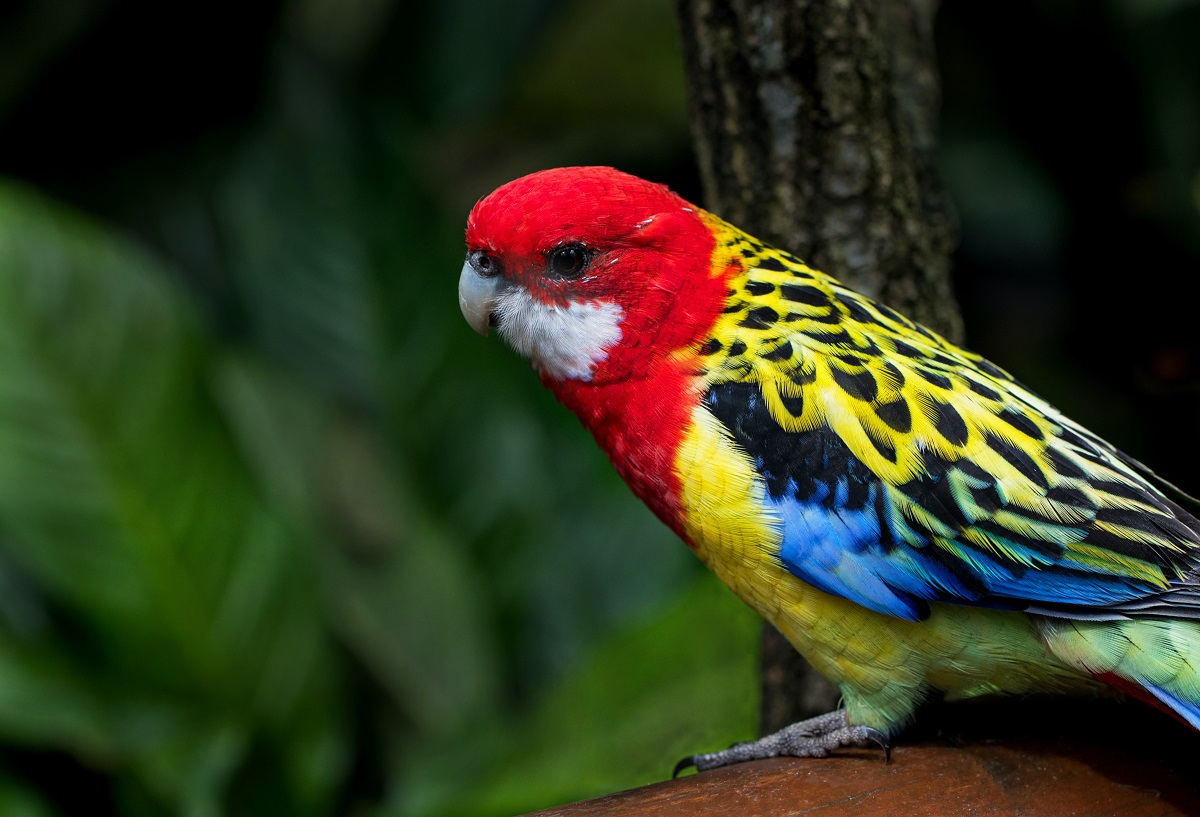
The visual appeal of the Eastern Rosella is undeniable, a true spectacle of nature’s artistry. Adults display a brilliant crimson head and chest, starkly contrasted by pristine white cheek patches. Their belly and "pants" transition to a vivid yellow-green, while their upper wing feathers are a complex tapestry of scalloped yellow-green and black, creating a distinct pattern. The back is a rich green, complementing the striking blue undersides of their wings and a long, elegant blue-green tail. This intricate coloration is not merely aesthetic; it plays a role in species recognition and mate attraction within the wild.
Within the species, three recognized subspecies exhibit subtle variations in their coloration and geographical distribution, adapting to specific regional environmental conditions. For instance, the nominate subspecies, Platycercus eximius eximius, is found in southeastern Australia, while others might show slightly different shades or distributions of color depending on their specific range.
Young Eastern Rosellas present a muted version of their adult counterparts, with less intense colors and a yellow beak that gradually transitions to the adult’s characteristic white by the time they undergo their first molt, typically between two and six months of age. This juvenile plumage provides a degree of camouflage before they develop their full adult brilliance.
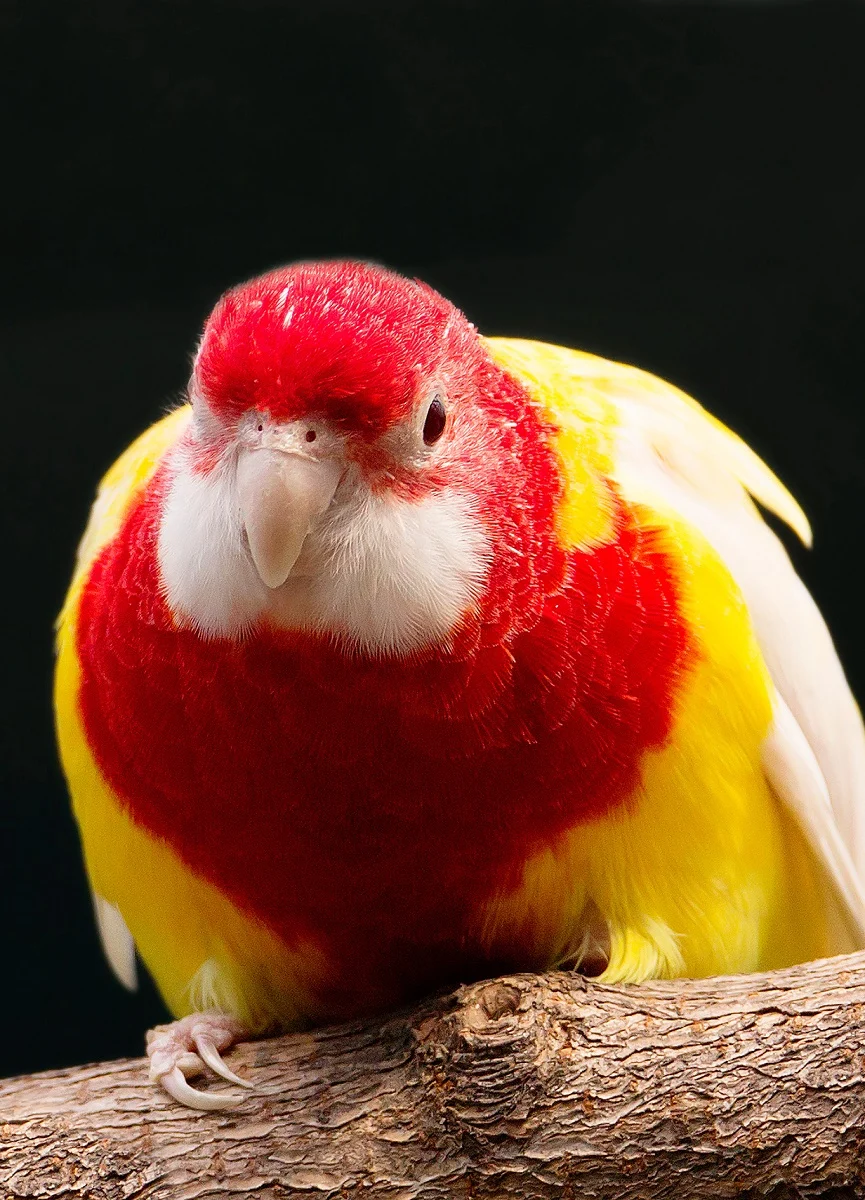
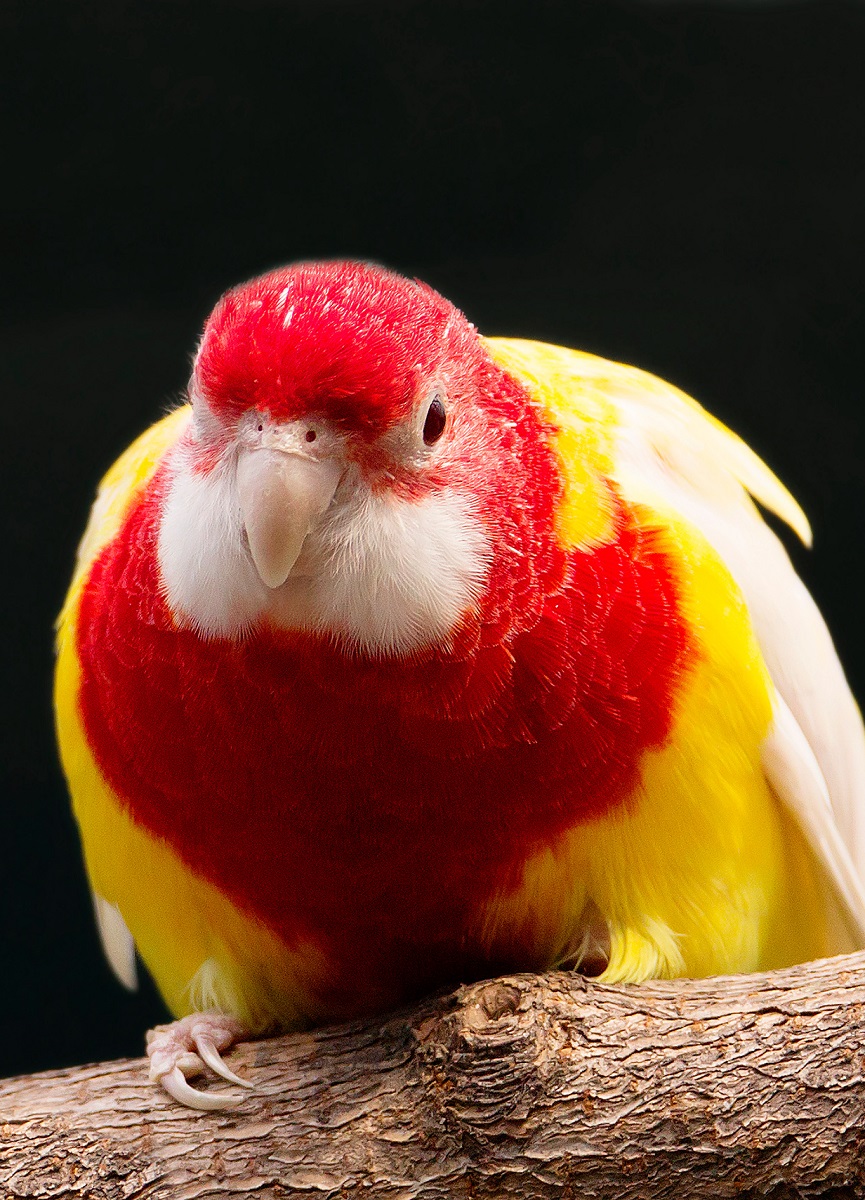
Beyond natural variations, selective breeding within the pet trade has led to the development of various color morphs. Rubino rosellas, for example, are a particularly common and sought-after mutation, characterized by a stunning combination of red, yellow, and white, notably lacking the blue, green, or black typically found in wild-type birds. These selectively bred varieties highlight the genetic diversity within the species and the aesthetic preferences of breeders.
The Enigma of Hybrids: Cross-Genus Interactions
The Platycercus genus, to which the Eastern Rosella belongs, is known for its members’ ability to interbreed, leading to fascinating and sometimes perplexing hybrid birds in areas where their ranges overlap. Birdwatchers encountering an unusually colored rosella might indeed be observing such a hybrid, a testament to the complex genetic relationships within this group.
Common hybrids include crosses between the Eastern Rosella and the Crimson Rosella (P. elegans), as well as the Eastern Rosella and the Pale-headed Rosella (P. adscitus). These hybridizations can result in individuals with unique and often striking color combinations, blending the traits of both parent species. While visually appealing, hybridization can have ecological implications, potentially leading to gene flow between species and, in some cases, raising concerns about the genetic integrity of distinct populations. Scientists study these natural occurrences to understand evolutionary processes and the dynamics of species interaction in shared environments.
From Down Under to Distant Shores: Range and Habitat
True to its name, the Eastern Rosella is endemic to the eastern and southeastern regions of Australia, including the island of Tasmania. Its native range spans diverse landscapes, from coastal areas to inland plains, thriving in environments that offer a mix of open spaces and protective tree cover.
However, the Eastern Rosella’s presence extends beyond its native continent. It is an introduced species in New Zealand, where it has established multiple wild populations. The introduction history is a mix of accidental escapes and deliberate releases. A notable incident occurred in Dunedin when 12 rosellas escaped after their cage was destroyed, contributing to local populations. Another documented event in 1910 saw a shipment of rosellas released after being refused entry by the New Zealand Customs Department. These introductions underscore the broader ecological challenge of invasive species, where non-native animals can impact local ecosystems, sometimes competing with native birds for resources or altering food webs.
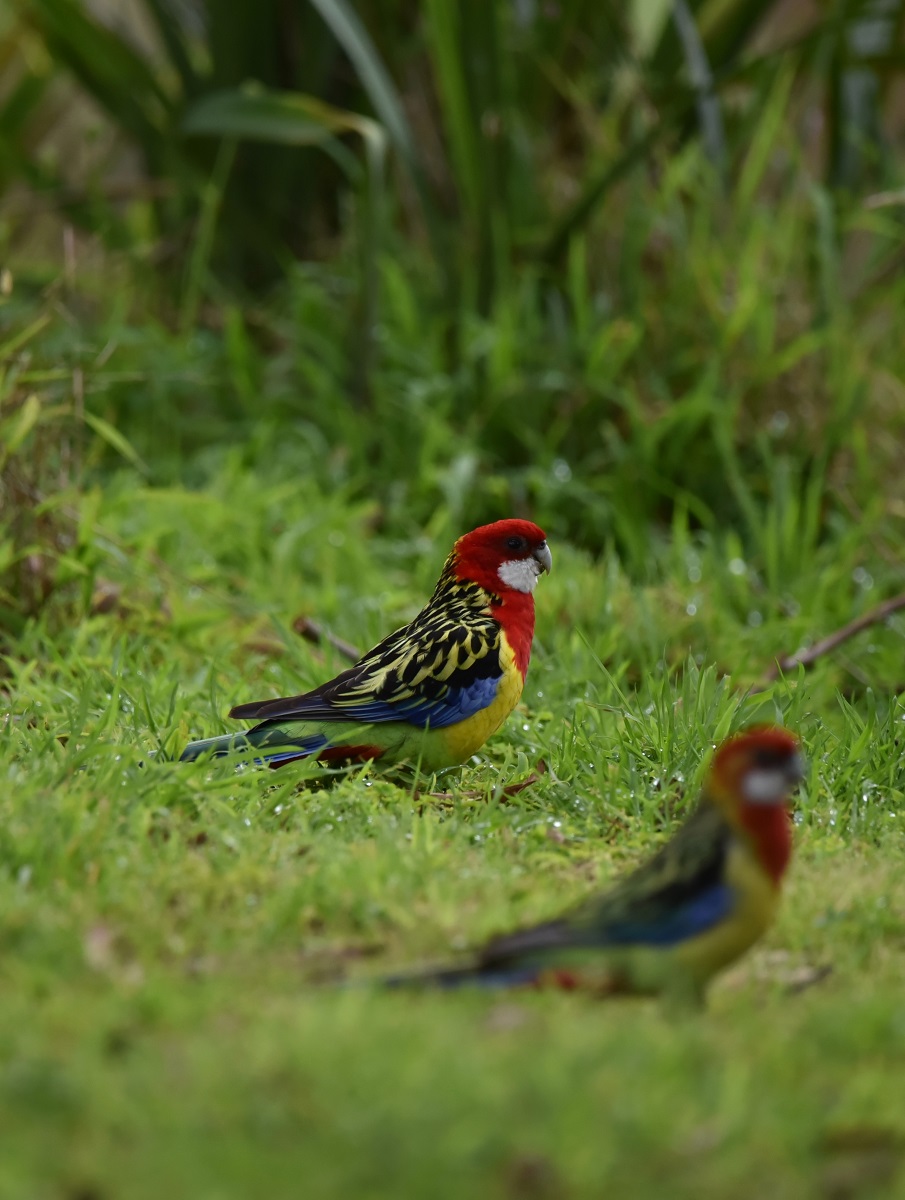
In its natural habitat, the Eastern Rosella prefers lightly wooded areas, forest edges, and regions characterized by Eucalyptus trees. They are also highly adaptable and can be found in human-modified landscapes such as parks, orchards, and farmlands, demonstrating their resilience. These birds typically inhabit altitudes up to 1,250 meters (4,100 feet) and show a preference for zones with ample rainfall or reliable water sources. Wild rosellas are usually observed in pairs or small family groups, occasionally forming mixed flocks with other parrot and rosella species. Like many parrots, they are cavity nesters, relying on hollows in trees for breeding and roosting, a critical resource often affected by habitat changes.
Conservation Status: A Paradox of Prosperity
The Eastern Rosella currently holds a "Least Concern" status on the IUCN Red List, a positive assessment indicating that the species is not considered threatened with extinction. This classification is attributed to its wide natural range and a population trend that appears to be stable, if not increasing.
Ironically, a significant factor contributing to this species’ success is often perceived as detrimental to other wildlife: habitat degradation. As natural landscapes are converted to agricultural land, many species face decline. However, the Eastern Rosella has paradoxically benefited from this shift. Farmland, particularly areas growing crops like maize and grain, provides an abundant and easily accessible food source. This adaptability to human-altered environments has allowed the species to thrive even as other, less flexible species struggle. This situation highlights a complex dynamic in conservation, where certain species, often those with generalist diets and adaptable behaviors, can exploit changes in their environment, while specialists suffer.
Dietary Habits: From Wild Forager to Domesticated Palate
The diet of the Eastern Rosella in the wild is varied and opportunistic, reflecting its adaptability. Researchers have documented their strong preference for seeds, especially thistle seeds, and a fondness for fruits such as apples. Beyond these, their natural diet includes a diverse array of berries, flowers, flower buds, and even small insects, providing essential protein and nutrients. This broad dietary spectrum allows them to exploit seasonal availability and different food sources across their range.
Historically, this dietary flexibility has brought the Eastern Rosella into conflict with human agricultural interests. For centuries, and particularly since European settlement, the species has been regarded as an agricultural pest due to its propensity for raiding orchards and causing significant damage to harvests. This conflict has led to farmers being granted permits to cull rosellas under specific conditions, even though the birds are generally protected by law. Such permits are typically issued only when farmers can demonstrate substantial crop damage and the ineffectiveness of non-lethal deterrents, illustrating the ongoing tension between wildlife conservation and agricultural livelihood.
In captivity, replicating this varied natural diet is crucial for the health and longevity of pet Eastern Rosellas. Veterinarians, including experts like Dr. Daisy May, advocate for a base diet of high-quality, commercially formulated pellets. These pellets are designed to provide a balanced nutritional profile that simple seed mixes cannot offer.
Supplementing the pellet diet, daily offerings of fresh produce are essential. Leafy greens, carrots, and bell peppers are excellent daily vegetable choices, while fruits like apples, bananas, and oranges can be offered a few times a week. Further dietary enrichment can come from sprouted seeds, cooked whole grains such as pasta and rice, and occasional treats like millet sprays or nuts. Protein-based snacks, such as boiled egg or freeze-dried mealworms, can also be provided sparingly. Additionally, foraging for parrot-safe branches, weeds, and flowers from untainted sources can offer both nutritional benefits and crucial behavioral enrichment, mimicking their natural foraging activities. Understanding and implementing a diverse, balanced diet is fundamental to preventing nutritional deficiencies and promoting overall well-being in captive parrots.
The Eastern Rosella as a Companion: Personality and Care
Eastern Rosellas are among the more commonly kept parrot species in captivity, prized for their stunning appearance and engaging personalities. They are particularly popular as aviary birds, primarily due to their vibrant colors. However, their somewhat territorial nature means they are not always the best choice for mixed aviaries, as they can sometimes be assertive with smaller, less dominant species like budgies.
For those seeking an indoor pet, a well-socialized Eastern Rosella can be an excellent choice. They are generally described as fun, active, curious, and social birds. While known for being more independent than some other parrot species, most rosellas still enjoy significant interaction with their human companions, forming strong bonds when properly handled and socialized from a young age. Their relatively low noise level compared to many larger parrots also makes them suitable for various living environments, including apartments.
Housing Requirements
Adequate housing is paramount for the health and happiness of a captive Eastern Rosella. The adage "the bigger the cage, the better" holds true for these active birds. A minimum cage length of 1 meter (40 inches) is recommended to allow the bird sufficient space to stretch its wings and move comfortably. The cage bars should be no more than 1.25 cm (0.5 inches) apart to prevent escapes and potential injury.
Beyond size, the cage environment must be enriched with various elements. A selection of parrot toys is essential to keep the bird mentally stimulated and prevent boredom-induced behaviors such as feather plucking. Natural perches of varying diameters are crucial for foot health, mimicking the diverse branches found in their natural habitat. Food bowls and multiple sources of fresh water must also be securely placed and regularly cleaned.
Enrichment and Mental Stimulation
Parrots are highly intelligent creatures, and Eastern Rosellas are no exception. Without adequate mental and physical stimulation, they can easily become bored, leading to stress and behavioral issues. Therefore, a comprehensive enrichment program is vital. This includes:
- A diverse array of toys: Rotate toys regularly to maintain novelty. Include shreddable toys, puzzle toys, and foraging toys that encourage natural behaviors.
- Foraging opportunities: Hide food in different locations or in foraging toys to simulate the search for food in the wild.
- Training: Teach simple commands or tricks. This provides mental exercise and strengthens the bond between bird and owner.
- Social interaction: Dedicate time daily for direct interaction with your rosella, whether through petting, talking, or supervised out-of-cage time.
- Out-of-cage time: Allow supervised time outside the cage in a bird-proofed environment for exercise and exploration.
- Bathing opportunities: Provide a shallow dish of water or a misting spray for bathing, which is crucial for feather health.
Noise Level and Vocalization
Compared to many other parrot species, Eastern Rosellas are not considered particularly loud. Their vocalizations primarily consist of pleasant whistles and soft cheeps, rather than the piercing flock calls characteristic of larger parrots. This makes them a more suitable pet for apartment living, provided walls are not excessively thin. Recordings of their calls are readily available on platforms like Xeno-Canto (Platycercus eximius) for prospective owners to assess their vocalizations.
Regarding speech, Eastern Rosellas can learn to talk, though they are not typically ranked among the most talented talking parrots. With patience, consistent training, and ample interaction, an Eastern Rosella may surprise its owner by imitating household noises, or even picking up a few words or short tunes. Their capacity for mimicry adds another layer to their engaging personalities.
Safety and Emergency Preparedness
Given their inherent curiosity and relatively delicate nature, parrots can easily find themselves in dangerous situations. It is imperative that any space an Eastern Rosella has access to be thoroughly parrot-proofed. This involves removing potential toxins (e.g., certain plants, cleaning products), securing electrical cords, eliminating small ingestible items, and ensuring windows and doors are closed. Owners should also familiarize themselves with basic parrot emergency care, including how to identify signs of illness or injury and contact information for an avian veterinarian. Preparedness is key to ensuring the long-term safety and well-being of these vibrant companions.
In conclusion, the Eastern Rosella is a magnificent species, renowned for its breathtaking colors, engaging personality, and remarkable adaptability. Whether observed in the Australian bush or cherished as a pet, this parrot exemplifies the beauty and complexity of avian life, offering endless fascination for all who encounter it.

