


The American Federation of Aviculture (AFA), a non-profit organization established in 1974, continues to lead the global effort in avian conservation and husbandry through its robust suite of educational tools. As the landscape of bird ownership and species preservation evolves, the AFA has formalized its knowledge base into two primary digital platforms: the Fundamentals of Aviculture (FOA) and the Avian Biology Classroom (ABC). These programs are designed to bridge the gap between casual bird keeping and professional avian science, ensuring that both private owners and commercial breeders operate with a foundation of empirical data and ethical responsibility.
The Evolution of Avicultural Education
The practice of aviculture—the breeding and caring for birds—has transitioned from a niche hobby into a critical component of global biodiversity preservation. With many avian species facing habitat loss and the threat of extinction in the wild, the role of the educated aviculturist has never been more vital. Recognizing this, the AFA developed the Fundamentals of Aviculture (FOA) series to standardize the level of care and biological understanding across the industry.

The development of these courses was not an isolated effort. The curriculum was made possible through a strategic grant from the Pet Care Trust and significant technical and financial support from the Schubot Exotic Bird Health Center at Texas A&M University’s College of Veterinary Medicine. This collaboration ensures that the information provided is not merely anecdotal but is rooted in modern veterinary science and pathology.
Fundamentals of Aviculture Level I: Establishing the Foundation
The Fundamentals of Aviculture Level I serves as an entry-point for anyone looking to professionalize their approach to bird care. Presented in nine comprehensive chapters, the course covers the essential pillars of avian science.
- Anatomy and Physiology: Understanding the unique biological systems of birds, including the respiratory system’s air sacs and the high metabolic demands of flight.
- Avian Behavior: Decoding social structures and communication cues to improve the psychological well-being of captive birds.
- Laws and Regulations: A critical overview of the legalities surrounding bird ownership, including the Convention on International Trade in Endangered Species of Wild Fauna and Flora (CITES) and the Wild Bird Conservation Act (WBCA).
- Housing and Husbandry: Practical guidance on environment design to prevent common stressors and physical ailments.
- Preventative Medicine: Strategies for identifying early signs of illness and maintaining biosecurity within a collection.
This level is designed to be accessible to the general public while maintaining a rigorous academic standard. By providing a baseline of knowledge, the AFA aims to reduce the incidence of "preventable" avian deaths, which are often the result of malnutrition or improper environmental management.

Fundamentals of Aviculture Level II: Advanced Husbandry and Science
For those who have mastered the basics, the Level II Intermediate Aviculture Course offers a deep dive into the complexities of breeding and species management. This level consists of 15 chapters and requires the successful completion of Level I as a prerequisite.
The Level II curriculum addresses the technical challenges of the modern breeder. It covers advanced topics such as basic avian genetics and the science of color mutations, which are essential for maintaining the health and vigor of captive-bred populations. The course also explores the ethical and biological implications of hybrids, providing students with the tools to make informed decisions about breeding programs.
Further chapters focus on:

- Breeding Stimuli and Nesting: Understanding the environmental triggers required for successful reproduction.
- Incubation and Hand-Rearing: The delicate science of artificial incubation and the nutritional requirements of neonates.
- Microbiology and First Aid: Equipping keepers with the ability to respond to emergencies and understand the microbial threats that can devastate a flock.
- Enrichment and Conservation: Integrating cognitive challenges for birds and understanding how private aviculture contributes to global conservation research.
The admission fee for AFA members is set at a subsidized rate of $75, reflecting the organization’s commitment to making high-level education affordable for its community. Non-members are encouraged to join, with membership options integrated into the course enrollment process.
The Avian Biology Classroom: A Resource for Educators
While the FOA courses are structured for individual certification, the Avian Biology Classroom (ABC) is designed for collective learning. This program is a free resource available to bird clubs, school teachers, and community educators. The ABC provides a structured curriculum that can be downloaded in PowerPoint (PPT) or PDF formats, allowing for flexible presentation in various settings.
The ABC is organized into five distinct modules, each focusing on a core scientific concept through the lens of ornithology:
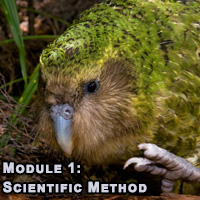
- Module 1: The Scientific Method: Teaching students how to observe, hypothesize, and experiment within the context of avian study.
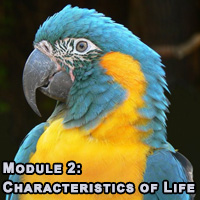
- Module 2: Characteristics of Life: Exploring what defines a living organism and how birds fit into the biological tree of life.
- Module 3: Populations: Analyzing how bird populations interact with their environments and the factors that lead to population growth or decline.
- Module 4: Mendelian Genetics: Using avian examples to explain the laws of inheritance, dominant and recessive traits, and genetic diversity.
- Module 5: Ecological Terminology: Defining the roles birds play in their ecosystems, from seed dispersers to apex predators.
By providing these tools for free, the AFA empowers local organizations to act as hubs of education, fostering a new generation of scientists and conservationists.
Supporting Data and the Impact of Education
The necessity for such comprehensive educational tools is supported by industry data. According to the American Pet Products Association (APPA), millions of households in the United States alone own birds. However, avian veterinarians frequently report that the majority of health issues seen in clinics are related to "husbandry errors"—specifically poor diet and lack of mental stimulation.
Furthermore, the conservation status of many parrot species remains dire. Data from the International Union for Conservation of Nature (IUCN) indicates that nearly one-third of all parrot species are threatened with extinction. Educated aviculturists play a vital role in creating "insurance populations"—captive groups that can provide genetic diversity and potential candidates for reintroduction programs should wild populations collapse.
The involvement of Texas A&M University’s Schubot Center adds a layer of clinical validity to the AFA’s programs. The center is renowned for its research into Proventricular Dilatation Disease (PDD) and other avian pathogens. By translating this high-level research into digestible course material, the AFA ensures that the latest scientific breakthroughs reach the people who are in daily contact with these birds.
Chronology of Avicultural Advancement
The development of these tools marks a significant timeline in the professionalization of the field:
- 1974: Formation of the AFA in response to proposed legislation that threatened the rights of bird owners.
- 1990s-2000s: Growth of avian veterinary medicine and the realization that standardized education was needed for non-veterinarians.
- Early 2010s: Launch of the digital Fundamentals of Aviculture Level I, moving the AFA toward an online campus model.
- Recent Years: Introduction of Level II and the Avian Biology Classroom, expanding the reach of the organization to schools and international audiences.
Institutional Responses and Broader Implications
The response from the scientific and educational communities has been overwhelmingly positive. Dr. Ian Tizard, a prominent figure at the Schubot Center, has long advocated for the integration of breeder experience and clinical research. The AFA’s educational tools represent the fruition of that advocacy.
By standardizing knowledge, the AFA also influences legislation. When lawmakers consider regulations regarding bird ownership, the presence of a certified, educated body of aviculturists provides a powerful argument for responsible self-regulation rather than restrictive bans. This educational framework proves that the avicultural community is dedicated to the welfare of the animals it keeps.
The broader implications of these programs extend beyond the individual bird owner. They create a culture of stewardship. As students progress through the FOA levels, they transition from being mere "owners" to "custodians" of species. This shift in perspective is essential for the long-term survival of avian species in an era of rapid environmental change.
In conclusion, the American Federation of Aviculture’s educational tools—the Fundamentals of Aviculture and the Avian Biology Classroom—represent a sophisticated synthesis of science, ethics, and practical experience. By leveraging partnerships with academic institutions and providing accessible, tiered learning, the AFA is ensuring that the future of aviculture is rooted in knowledge, ensuring the health of captive birds and the survival of their wild counterparts.

