


The European Parliament has taken a significant step towards bolstering environmental protection by voting to strengthen nature funding within its interim position on the EU’s long-term budget, known as the Multiannual Financial Framework (MFF). This decision sends a clear political message of support for biodiversity and environmental action at a critical juncture for conservation efforts across the continent. The vote, which occurred recently, sets the stage for intensified negotiations that will shape the EU’s financial priorities for years to come.
Parliament’s Interim Stance on the MFF
The European Parliament’s interim report on the Multiannual Financial Framework outlines its initial stance on the future EU budget, acting as a foundational document for upcoming negotiations. A key element of this report is the affirmation of the LIFE programme, the EU’s funding instrument for environment and climate action. The Parliament’s endorsement signifies its recognition of LIFE’s pivotal role in supporting nature conservation initiatives within the bloc. However, the report notably stops short of advocating for LIFE to continue as a fully independent program, a detail that may influence future discussions regarding its integration and scope within broader EU financial architecture.
The Urgent Need for Biodiversity Investment
The Parliament’s vote comes at a time of escalating concern over the state of biodiversity across Europe. Scientific evidence consistently highlights a concerning decline in species and habitats, threatening the delicate balance of ecosystems that underpin human well-being, economic stability, and the global climate. The European Environment Agency (EEA) has repeatedly issued stark warnings, with recent reports indicating that a significant percentage of protected species and habitats in Europe are in unfavorable conservation status. For instance, data from the EEA’s State of Nature reports often reveals that less than 20% of assessed habitat types are in good condition, and a substantial proportion of species populations are declining.
This funding gap for biodiversity and nature-based climate solutions is a critical challenge. Nature-based solutions, which harness the power of ecosystems to address societal challenges like climate change, water scarcity, and food security, require substantial and sustained investment. These solutions are not merely environmental initiatives; they are increasingly recognized as essential economic and social strategies. Healthy ecosystems provide invaluable services, from purifying water and air to pollinating crops and mitigating the impacts of extreme weather events. The failure to adequately fund these natural assets risks not only ecological collapse but also significant economic repercussions and diminished quality of life for citizens.
Call to Action for Final Budget
In light of these pressing environmental challenges and the Parliament’s initial position, a strong call is being made to the Member States and the European Commission. The emphasis is on building upon the Parliament’s supportive stance to ensure that the final EU budget delivers a significant increase in dedicated and effective funding for nature. This advocacy underscores the understanding that while the Parliament’s vote is a positive signal, its ultimate impact hinges on the commitment of all EU institutions and member governments to translate this signal into concrete financial commitments.

Expert Perspectives on the Vote
Anouk Puymartin, Head of Policy at BirdLife Europe, articulated the organization’s perspective on the vote: "The next EU budget must deliver real, lasting funding for nature, starting with a strong, standalone LIFE programme. The real test now lies with Member States and the Commission: in the upcoming negotiations, they must turn this signal into concrete, ambitious investment for Europe’s nature. Without sufficient and dedicated funding, the EU will fail to meet its nature and climate commitments. And citizens and future generations will pay the real price for that in the long term."
This statement highlights the urgency and the stakes involved in the ongoing budget negotiations. The call for a "strong, standalone LIFE programme" suggests a desire for greater visibility, dedicated resources, and potentially more streamlined implementation of nature conservation projects. The emphasis on "real, lasting funding" points to a need for financial instruments that are not subject to short-term political fluctuations and can support long-term ecological restoration and protection efforts. Puymartin’s concluding remarks underscore the intergenerational equity aspect, emphasizing that inaction or insufficient action now will impose a heavy burden on future generations.
The Broader Context: EU’s Environmental Ambitions
The European Union has set ambitious environmental targets, most notably through the European Green Deal, which aims to make Europe the first climate-neutral continent by 2050. This overarching strategy encompasses a wide range of policy areas, including biodiversity, climate action, circular economy, and sustainable agriculture. The MFF is the financial backbone of these ambitions, providing the necessary resources to implement the strategies and achieve the set targets.
The LIFE programme, established in 1992, has been instrumental in co-financing environmental and nature conservation projects across the EU. It has supported thousands of projects, contributing to habitat restoration, species protection, climate change mitigation, and the promotion of sustainable practices. Its continued relevance is a testament to its effectiveness, but its funding levels have often been a point of contention, particularly in relation to the scale of the environmental challenges faced.
Chronology of Budgetary Processes
The process of establishing the Multiannual Financial Framework is a complex and lengthy one, typically spanning several years.
- Initial Proposals and Commission Communication: The European Commission typically presents its proposals for the MFF well in advance of its adoption. This usually involves detailed analyses of EU needs and priorities, alongside financial projections.
- Parliamentary and Council Positions: Following the Commission’s proposal, the European Parliament and the Council of the EU (representing Member States) develop their own positions. This involves extensive consultations, debates, and committee work. The interim report mentioned in the article represents the Parliament’s initial stance, reflecting its priorities before entering into formal interinstitutional negotiations.
- Interinstitutional Negotiations: Once both the Parliament and the Council have adopted their positions, a period of intense negotiations begins. These negotiations aim to find a compromise that is acceptable to both institutions. The Council’s position is usually determined by consensus among Member States, which can itself be a complex process.
- Adoption of the MFF Regulation: Once an agreement is reached, the MFF Regulation is formally adopted. This typically requires approval by both the European Parliament and the Council. The MFF is usually adopted for a period of seven years, with the current MFF covering the period 2021-2027.
- Annual Budgets: While the MFF sets the overall financial framework, annual budgets are then adopted within this framework to detail specific spending allocations for each year.
The current discussions around the MFF are happening within the context of the 2021-2027 MFF and potentially in anticipation of the next MFF cycle, which would typically begin in 2028. The interim position taken by the Parliament is therefore crucial in shaping the direction of EU funding for the coming years, particularly concerning the crucial area of environmental protection.

Analysis of Implications
The European Parliament’s vote to strengthen nature funding, even in its interim position, carries significant implications. Firstly, it signals a political will to prioritize environmental protection amidst competing budgetary demands. This can embolden environmental organizations and national governments to push for more ambitious conservation policies and investments.
Secondly, the reinforcement of the LIFE programme, even if its full independence remains a point of negotiation, suggests that it will continue to be a central pillar of EU nature funding. This provides a degree of certainty for ongoing and future projects supported by the programme. However, the debate around its independence highlights a broader discussion about how EU environmental funding is structured and whether it is best served by dedicated, visible programmes or by being integrated into broader funds with specific environmental earmarks.
Thirdly, the explicit recognition of the "significant funding gap" for biodiversity and nature-based climate solutions is a crucial acknowledgment. This gap is a well-documented problem, and highlighting it in official parliamentary documents puts pressure on other EU institutions and Member States to address it concretely.
However, the success of this initiative will ultimately depend on the outcome of the negotiations with the Council and the European Commission. Member States may have differing priorities and fiscal constraints, which could lead to compromises that dilute the Parliament’s ambitions. The commitment to "significantly increased, dedicated, and effective funding" will be tested in these negotiations.
Potential Reactions from Stakeholders
While the article directly quotes BirdLife Europe, other stakeholders would likely have reactions to this development.
- Environmental NGOs: Organizations such as WWF, Friends of the Earth, and national conservation bodies would likely welcome the Parliament’s move as a positive step, while also echoing the call for stronger commitments from Member States and the Commission. They might emphasize the need for increased funding beyond the LIFE programme itself, potentially through other EU funds like the Common Agricultural Policy (CAP) and the Cohesion Fund, which can also contribute to biodiversity conservation.
- Scientific Community: Researchers and academics specializing in ecology and conservation biology would likely see this as a much-needed acknowledgment of the scientific evidence pointing to the biodiversity crisis. They would likely advocate for funding that supports robust monitoring, research, and evidence-based conservation interventions.
- Industry and Business Sectors: Some industries, particularly those reliant on natural resources or those seeking to enhance their sustainability credentials, might view increased nature funding positively, especially if it supports nature-based solutions that offer economic benefits. Others, however, might express concerns about potential regulatory impacts or the allocation of public funds.
- Member States: The reactions of Member States are crucial. Countries with strong environmental records and significant natural assets might be more supportive of increased funding. However, those facing economic challenges or with different national priorities might be more hesitant, potentially advocating for a more cautious approach to budget increases.
The Path Forward: Ensuring Tangible Outcomes
The European Parliament’s vote is a crucial political signal, but the real work of securing adequate funding for nature lies ahead. The coming months will be critical as interinstitutional negotiations on the MFF unfold. The objective must be to move beyond symbolic gestures and translate the Parliament’s concerns into tangible financial commitments that can effectively address the escalating biodiversity crisis and support the transition to a sustainable future. The call for "sufficient and dedicated funding" is not merely a request for more money, but a demand for strategic investment that yields measurable positive outcomes for Europe’s natural heritage and the well-being of its citizens.
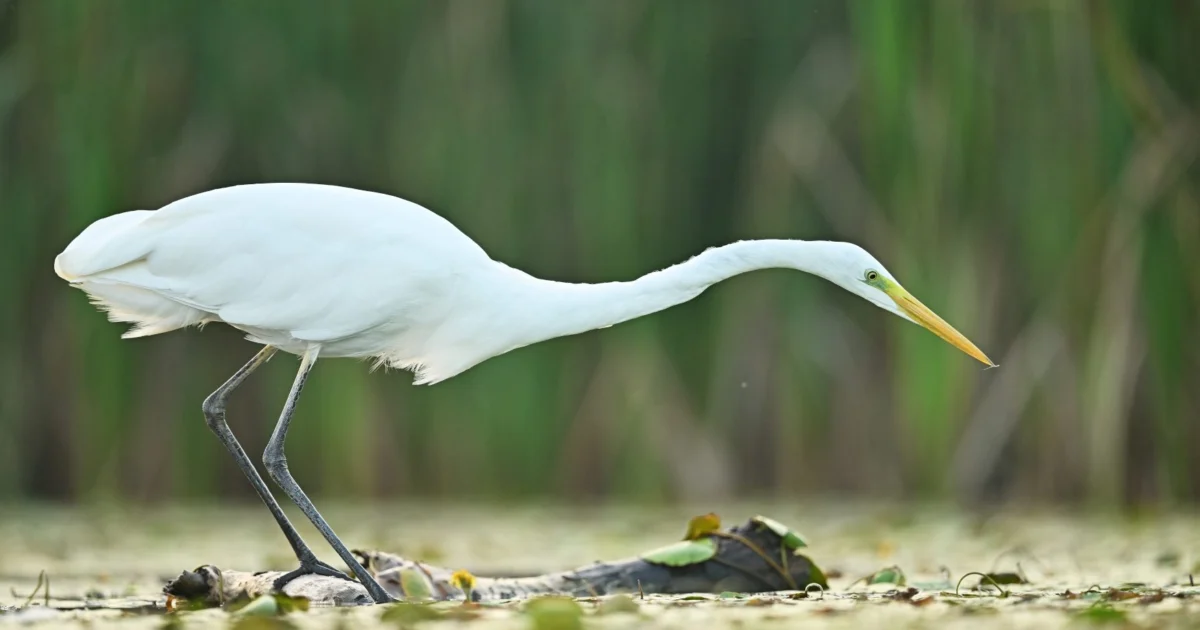
The image accompanying the article, a striking photograph of a Great White Egret (Grote zilverreiger) by Yves Adams, serves as a powerful visual reminder of the natural beauty and biodiversity that the EU aims to protect. It underscores the tangible stakes involved in these budgetary and policy decisions. The continued health of such iconic species and their habitats depends on the financial and political will of the European Union to invest in their future.
The European Union’s commitment to environmental stewardship is tested not only by its policy ambitions but also by its financial allocations. The recent vote by the European Parliament represents a significant moment in this ongoing process, offering a beacon of hope for nature conservation and a call for decisive action from all involved parties. The success of these efforts will be a defining factor in the EU’s ability to meet its environmental goals and secure a sustainable future for generations to come.
ENDS
For more information, contact:
Caroline Herman, Communications Officer
[email protected]
+32 222 589 70

