


Bringing a parrot into one’s home marks the beginning of a unique companionship, offering immense joy and intellectual stimulation. However, this rewarding experience comes with a significant responsibility: ensuring the bird’s safety within a human environment. Parrots, renowned for their profound intelligence, insatiable curiosity, and innate exploratory nature, are inherently ill-equipped to navigate the myriad hazards present in a typical household. Their natural instincts, honed over millennia in wild environments, often lead them directly into danger when confronted with modern conveniences and common household items. This necessitates a proactive and thorough approach to "parrot-proofing" any space an avian companion might access, transforming a potential minefield into a secure sanctuary.
The Critical Need for Avian-Specific Home Safety
The growing popularity of parrots as companion animals, with millions of households across the globe welcoming these feathered friends, underscores the importance of public education on avian welfare and safety. Unlike traditional mammalian pets, birds possess unique physiological vulnerabilities and behavioral patterns that necessitate specific safety protocols. Avian veterinarians consistently report that a significant percentage of emergency visits are due to preventable household accidents, ranging from toxic ingestions and fume inhalation to physical traumas and escapes. Given the often long lifespans of parrots, which can extend from 15 to over 80 years depending on the species, the commitment to their safety is a lifelong endeavor for owners. It requires constant vigilance, clear communication among all household members, and a foundational understanding of avian emergency care, including having a trusted avian veterinarian’s contact information readily available.
Environmental Toxins and Air Quality: The Invisible Threat
One of the most insidious dangers to parrots in a domestic setting stems from environmental toxins and poor air quality. Parrots possess incredibly sensitive respiratory systems, making them highly susceptible to airborne pollutants that might be harmless or merely irritating to humans.
- Fumes from Overheated Cookware: Perhaps the most well-known yet frequently overlooked danger is polytetrafluoroethylene (PTFE) toxicity, commonly referred to as Teflon toxicity. When non-stick cookware, often coated with PTFE, overheats—even to temperatures typically reached during everyday cooking—it releases microscopic toxic fumes. These fumes are odorless, colorless, and lethal to birds, causing acute pulmonary hemorrhage and sudden death. Avian experts strongly advise against using non-stick cookware in homes with parrots, recommending alternatives like stainless steel, cast iron, or ceramic. Other sources of dangerous fumes include self-cleaning ovens, certain space heaters, and gas leaks.
- Aerosol Products and Scented Items: Any product dispensed from an aerosol can, such as hairspray, deodorants, air fresheners, furniture polish, and cleaning sprays, can release fine particles and chemicals harmful to avian lungs. Similarly, scented candles, plug-in air fresheners, incense, and potpourri emit volatile organic compounds (VOCs) and particulate matter that can severely irritate a bird’s respiratory tract, leading to chronic illness or acute distress.
- Chemical Cleaners and Pesticides: Common household cleaning agents containing ammonia, bleach, phenols, and formaldehyde are potent irritants and toxins. Parrots should never be in the vicinity when such products are used, and adequate ventilation is crucial. Furthermore, the use of pesticides, insecticides, and rodenticides poses an extreme threat. Even residual chemicals from pest control treatments can be fatal if ingested or inhaled.
- Carbon Monoxide and Smoke: Just like the proverbial "canary in the coal mine," parrots are highly vulnerable to carbon monoxide poisoning. This odorless, colorless gas, often produced by faulty furnaces, water heaters, or fireplaces, can quickly incapacitate and kill. Functional carbon monoxide detectors are non-negotiable in a parrot-owning home, as are smoke detectors, which also alert to the dangers of burned food or house fires, both of which generate harmful smoke.
Household Hazards: Electrical and Ingestion Risks
Parrots are naturally inquisitive, using their powerful beaks to explore their surroundings, a behavior essential for maintaining beak health and investigating potential nesting sites in the wild. In a human home, this instinct can lead to severe accidents.
- Electrical Cords and Outlets: The allure of chewing extends to electrical cords. A parrot gnawing on an exposed wire risks severe electrical burns, electrocution, or cardiac arrest. Even if a bird survives, the trauma and potential internal damage can be long-lasting. All electrical cords in areas accessible to parrots must be hidden, encased in PVC piping or cord protectors, or otherwise rendered inaccessible. Outlets should be covered with child-proof safety caps.
- Accidental Ingestion of Toxic Substances: Parrots’ tendency to "taste test" everything means that any item left within reach is a potential ingestion hazard.
- Toxic Foods: A range of human foods are highly toxic to birds. These include chocolate (theobromine poisoning), avocado (persin toxicity), alcohol, caffeine, apple seeds (contain cyanide), onion and garlic (can cause hemolytic anemia), mushrooms, and artificial sweeteners like xylitol.
- Medications and Cosmetics: Human and other pet medications, even in small doses, can be lethal. Cosmetics, lotions, and perfumes contain chemicals that are toxic if ingested. All such items must be stored securely out of reach.
- Heavy Metals: Zinc poisoning is a common and serious issue, often stemming from galvanized wire cages, certain toys, or hardware. Lead, found in old paint, stained glass, fishing weights, and some costume jewelry, is another significant threat. Ingestion can lead to neurological damage, gastrointestinal issues, and death. Owners must ensure all cage materials, toys, and household items are certified bird-safe and free from heavy metals.
- Small Objects and Plants: Small items like jewelry, buttons, staples, rubber bands, or tiny toy parts can cause crop impaction or internal injuries if swallowed. While some houseplants are safe, many common varieties are toxic (e.g., lilies, azaleas, philodendrons, poinsettias, ivy, oleander). Owners must research and remove all toxic plants or place them in bird-proof locations.
Physical Dangers: Doors, Windows, Mirrors, and Furniture
The open, expansive nature of a home, while seemingly safe, presents numerous physical hazards for a free-flying parrot.
- Doors and Windows: An open door or window represents an immediate escape route, leading to potential exposure to predators, traffic, extreme weather, or starvation if the bird cannot find its way back. Multi-layered safety protocols are essential: ensure all windows have secure screens, consider double-door systems for designated "parrot rooms," and establish a household rule that doors and windows are never opened without confirming the parrot is securely caged. Notes on doors can serve as reminders for guests. Interior doors also pose a threat; a parrot perched on top can suffer crushed toes or tail feathers if a door is unexpectedly closed. Keeping interior doors closed can also prevent access to unsafe areas.
- Mirrors and Reflective Surfaces: Parrots, particularly inexperienced fliers, often perceive reflections in mirrors, glass doors, or polished surfaces as open space, leading to traumatic collisions. These impacts can cause concussions, broken bones, or fatal internal injuries. Covering mirrors or applying decals can help birds recognize these surfaces as barriers.
- Furniture and Enclosed Spaces: Parrots’ instinct to explore and seek out dark, enclosed spaces for nesting can lead them into dangerous predicaments. Furniture like rocking chairs, recliners, and sofa beds can inadvertently crush a curious bird. Spaces behind appliances, inside open drawers, under furniture, or in laundry baskets present entrapment risks. All such areas should be blocked off or made inaccessible.
- Ceiling Fans: A spinning ceiling fan is a deadly hazard. Parrots should never be allowed out of their cage when a ceiling fan is in operation.
- Open Water Sources: Toilets, bathtubs, sinks, buckets, and even large vases filled with water pose a significant drowning risk, especially for smaller birds. Toilets should always have their lids down, and all other water sources must be covered or drained when a parrot is free-roaming. Aquariums should have secure hoods.
Cage and Toy Safety: The Immediate Environment
Even within the perceived safety of its cage, a parrot can face dangers if proper precautions are not taken.
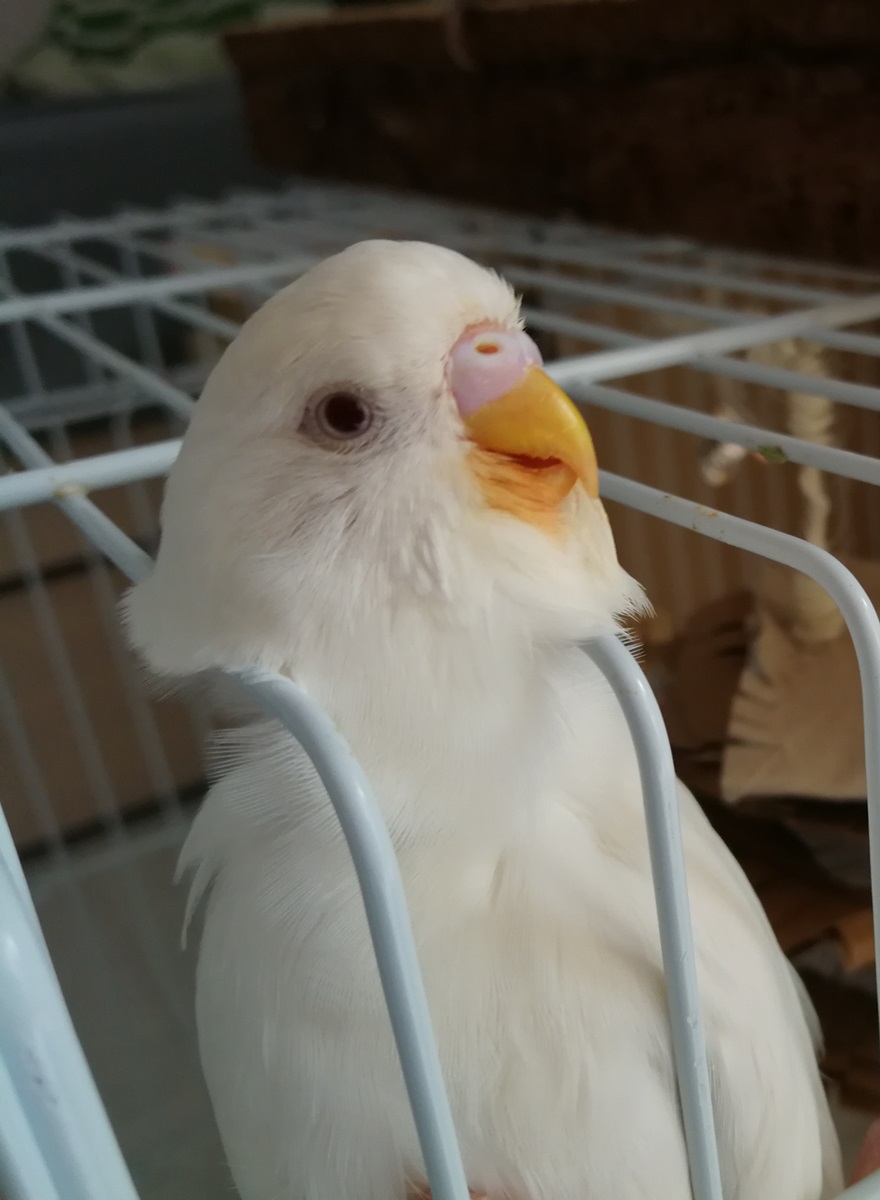
- Cage Selection and Maintenance: The cage itself must be appropriately sized for the bird, allowing full wing extension without touching the sides. Bar spacing is critical; bars should be narrow enough to prevent the bird from fitting its head or body through, preventing entrapment. The cage material should be non-toxic, with stainless steel being the preferred choice over galvanized wire, which can leach zinc. Regular inspection for rust, broken bars, sharp edges, or loose components is essential.
- Safe Toys: Toys are crucial for a parrot’s mental and physical well-being, but they must be chosen with extreme care and regularly inspected. Many commercially available toys can pose risks:
- Zinc and Lead: As mentioned, toys made with galvanized components or containing lead are highly toxic.
- Entrapment Hazards: Toys with small rings, chains, bells with clappers, or small openings can trap a bird’s beak, foot, or leg.
- Fraying Ropes/Fabric: Ropes, threads, or fabric toys can fray, leading to strands that can entangle a bird’s toes or neck, or be ingested causing crop impaction. Owners should trim frayed ends and replace worn toys.
- Small Plastic Parts: Ingesting small pieces of plastic can cause internal injury or blockages.
- Quick Links: Ensure quick links used to hang toys are securely closed and not easily manipulated by the bird’s beak.
- Prioritize toys made from natural, untreated wood, paper, cardboard, or bird-safe plastics. Rotate toys frequently to maintain interest and allow for thorough inspection.
Inter-Species Interactions: The Peril of Other Pets
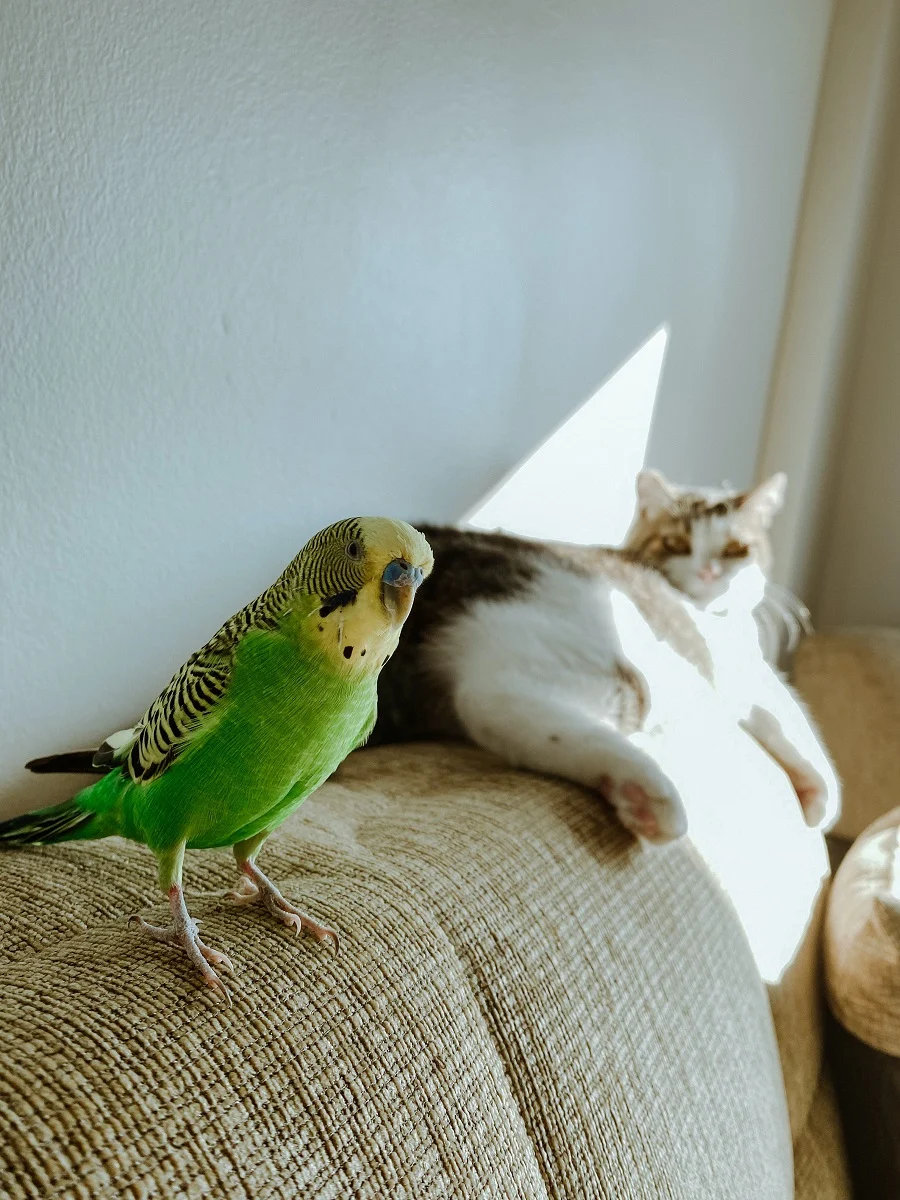
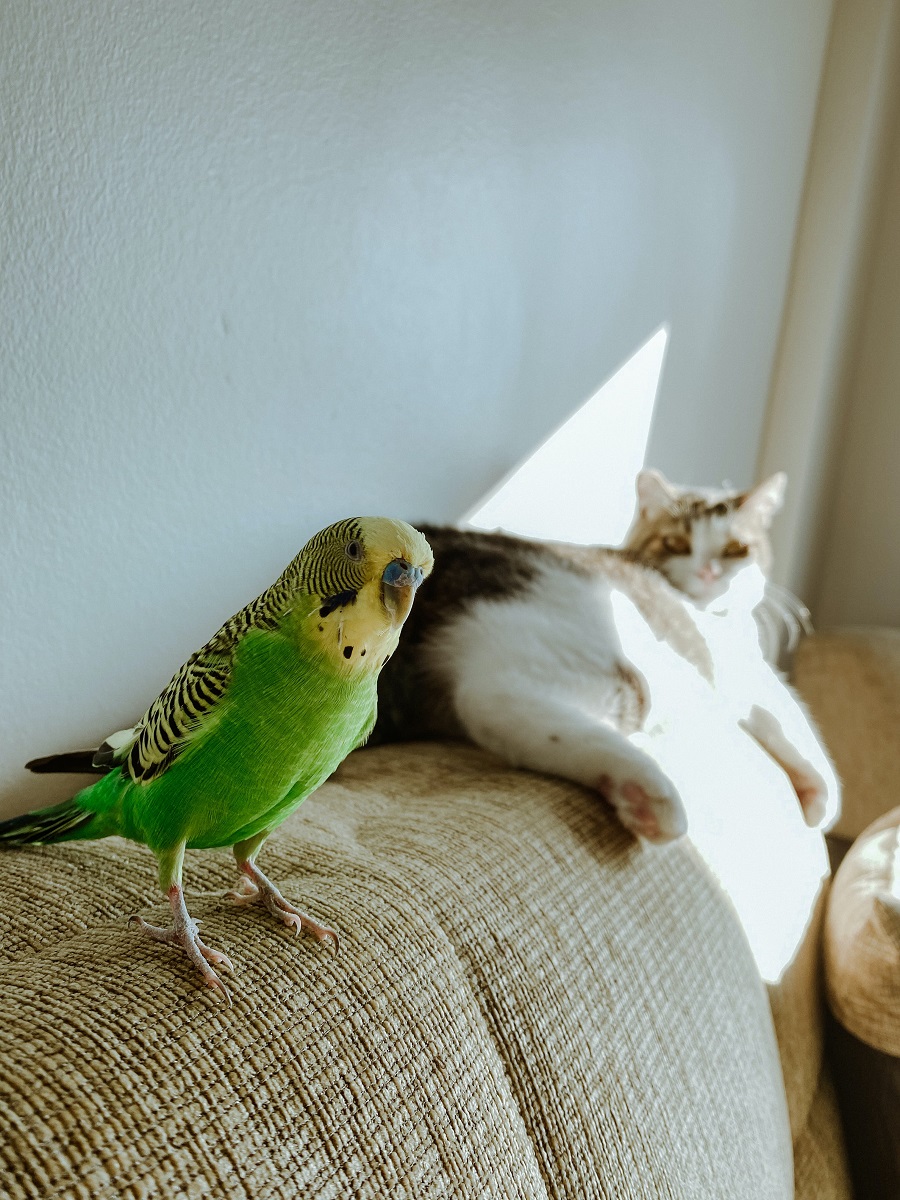
While stories of inter-species friendships can be heartwarming, avian experts are unequivocal: parrots and other household pets, particularly predators like cats and dogs, should never be allowed to interact unsupervised, or ideally, at all.
- Predator-Prey Instincts: Even the most "well-behaved" dog or cat possesses innate predator-prey instincts. A sudden flutter from a parrot can trigger these instincts, leading to a swift and potentially fatal attack.
- Bacterial Infections: Cat saliva, even from a minor scratch, contains Pasteurella bacteria, which is highly virulent and often deadly to birds, even with prompt veterinary intervention.
- Accidental Injury: A dog’s playful nudge or a cat’s curious paw can easily crush or severely injure a delicate bird.
- Stress: Constant exposure to potential predators, even if no physical harm occurs, can cause chronic stress in a parrot, impacting its immune system and overall well-being.
- Mitigation Strategies: The safest approach is strict separation. This means ensuring parrots and other pets are never in the same room without a secure barrier, or that one animal is crated while the other is free-roaming, always under direct supervision.
Miscellaneous but Critical Hazards
Beyond the major categories, numerous other household items and situations demand attention:
- Hot Stoves and Open Ovens: A free-flying bird can easily land on a hot burner or fall into an open, hot oven, resulting in severe burns.
- Trash Cans: Uncovered trash cans can contain dangerous items like discarded food (toxic or spoiled), sharp objects, or cleaning residue.
- Jewelry: Necklaces, earrings, or rings worn by owners can be perceived as toys, leading to injuries if grabbed or ingested.
- Human Hands: While interaction is good, rough handling, squeezing, or allowing a bird to be out of its cage unsupervised in the presence of young children can lead to injury for both bird and child.
- Temperature Regulation: Extreme temperatures, drafts from open windows, or direct blasts from air conditioners or heaters can cause illness or distress.
- Holiday Decorations: Tinsel, small ornaments, fairy lights, and certain holiday plants (like poinsettias) can be ingestion or entanglement hazards.
- Unsupervised Out-of-Cage Time: The most fundamental safety measure is constant, direct supervision whenever a parrot is out of its cage. This allows owners to intervene immediately if the bird approaches a dangerous item or situation.
Emergency Preparedness: A Lifeline for Your Parrot
Despite the most diligent efforts, accidents can still occur. Being prepared for an emergency can significantly improve a parrot’s prognosis.
- Avian Veterinarian Contact: Have the phone number and address of your primary avian veterinarian readily accessible, along with an emergency avian clinic for after-hours care.
- Avian First Aid Kit: Assemble a kit including styptic powder (to stop bleeding from broken blood feathers or nails), sterile saline solution, gauze pads, vet wrap, tweezers (for removing splinters or foreign objects), and a clean towel for gentle restraint.
- Basic First Aid Knowledge: Understand how to safely restrain your bird, identify signs of distress or injury, and administer basic first aid before transporting to a vet.
- Emergency Carrier: Keep a secure, comfortable emergency carrier readily available for swift transport.
The Broader Impact and Ethical Responsibility
The commitment to parrot-proofing a home is not merely a list of tasks; it is an ongoing demonstration of responsible pet ownership. Each preventable accident carries an emotional toll for the owner, significant financial burdens for veterinary care, and, most importantly, causes immense suffering for the bird. By actively mitigating household hazards, owners fulfill their ethical obligation to provide a safe, enriching environment for their intelligent and sensitive companions. Education, awareness, and continuous vigilance are the cornerstones of ensuring a long, healthy, and happy life for parrots in human care, allowing them to thrive as cherished members of the family.

