


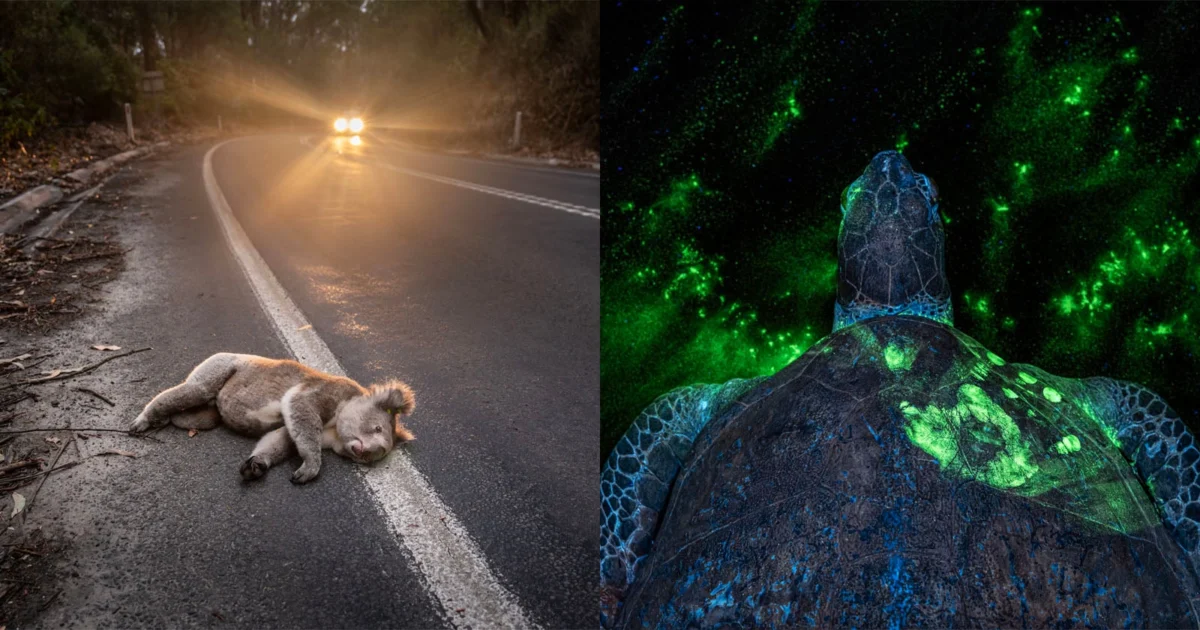
The Prince Albert II of Monaco Foundation has officially announced the winners of the 2026 Environmental Photography Award, honoring photographers who use their lenses to document the fragile state of the natural world and the urgent need for conservation. Taking the top honor this year is renowned photographer Britta Jaschinski, who was awarded the Grand Prize for her evocative and technically sophisticated image, "Handprint on Sea Turtle." The photograph, which also secured the first-place position in the "Changemakers" category, serves as a stark visual indictment of the illegal wildlife trade and the intrusive nature of human interaction with endangered species.
Jaschinski’s winning entry provides a rare glimpse into the world of wildlife forensics, a field dedicated to using scientific methods to track and prosecute animal traffickers. The image depicts a green sea turtle marked by a glowing handprint—evidence of unauthorized human contact. To capture the shot, Jaschinski utilized specialized fluorescent powder dyes that, when illuminated by ultraviolet (UV) light, reveal traces of fingerprints, blood, bodily fluids, and gunpowder residue that would otherwise remain invisible to the naked eye. The photograph was taken during a collaboration with forensic experts who are actively working to dismantle smuggling networks. By transforming forensic evidence into a high-contrast, bioluminescent-style work of art, Jaschinski has successfully bridged the gap between investigative journalism and environmental advocacy.
Overview of the 2026 Award Categories and Prizes
The 2026 edition of the competition saw an exceptional level of talent, with a final shortlist of 36 photographs selected from thousands of international entries. The award structure, established by the Prince Albert II of Monaco Foundation, is designed to highlight specific environmental niches, ranging from the depths of the ocean to the icy expanses of the poles.
The competition is divided into five primary categories, each offering a €1,000 ($1,170) cash prize to the winner:
- Changemakers: Focusing on those working to protect the environment or highlighting the tools of conservation.
- Forests: Exploring the biodiversity and beauty of the world’s wooded ecosystems.
- Humanity vs. Nature: Documenting the conflict and the often-destructive intersection of human activity and the natural world.
- Ocean: Capturing the life and challenges within the world’s marine environments.
- Polar Regions: Highlighting the unique species and the rapid changes occurring in the Arctic and Antarctic.
The Grand Prize winner is selected from the pool of five category winners and receives an additional grant of €5,000 ($5,850). Furthermore, the foundation recognizes public engagement through the Public Award and the Student’s Choice Award, both of which carry a €500 ($585) grant. These subsidiary awards ensure that the competition resonates not only with professional juries but also with the global community and the next generation of environmental stewards.

Detailed Analysis of Category Winners and Runners-Up
While Britta Jaschinski claimed the ultimate title, several other photographers were recognized for their ability to capture pivotal moments in the struggle for planetary health.
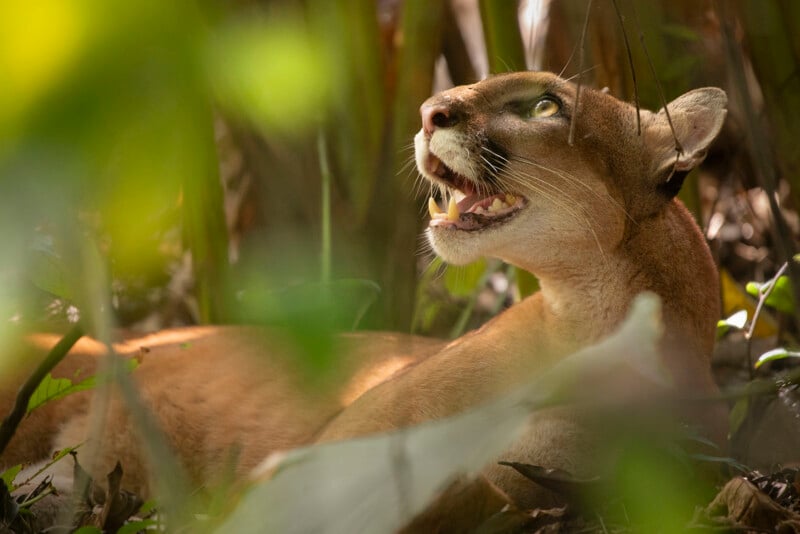
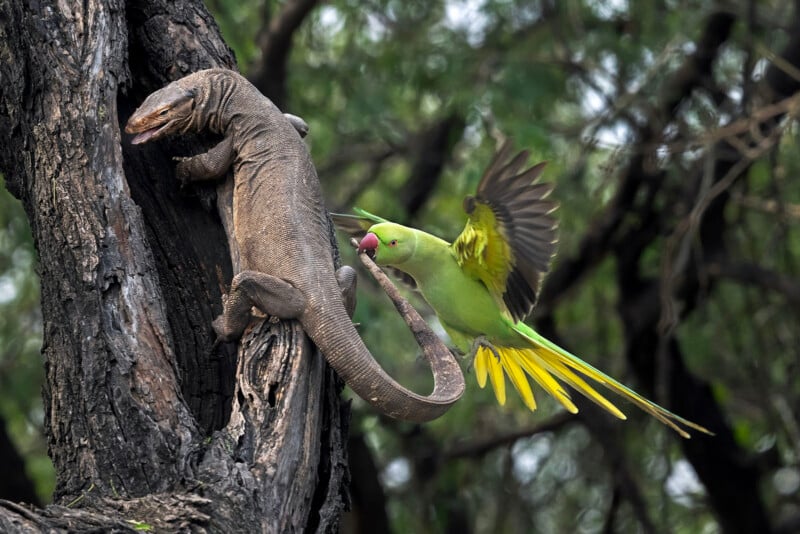
In the Forests category, Arnaud Farre emerged as the winner with a lush, atmospheric composition featuring toucans in their natural habitat. The image emphasizes the density and vibrancy of forest ecosystems, serving as a reminder of what stands to be lost to deforestation. The runner-up in this category, Luca Eberle, presented a striking portrait of a female puma in Costa Rica, while Hira Punjabi documented a rare moment of interspecies aggression, featuring a parakeet defending its territory against a monitor lizard.
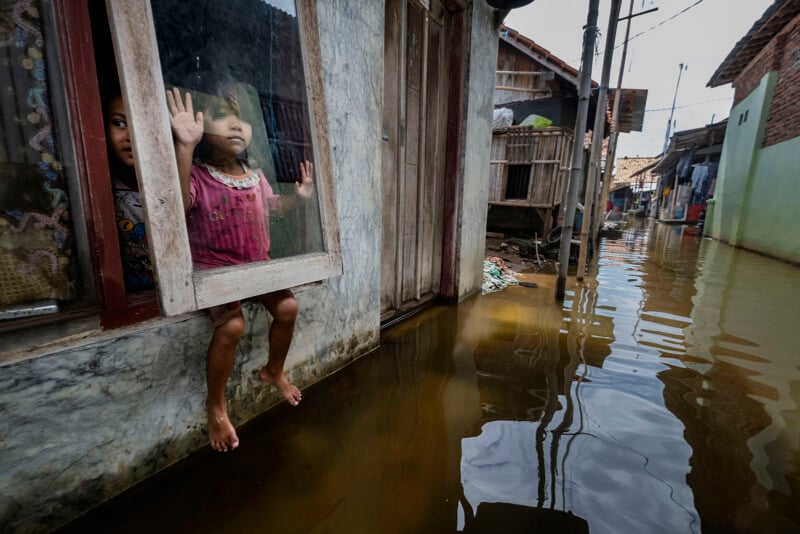
The Humanity vs. Nature category was won by Fernando Faciole, whose photograph captures the incineration of shark fins seized by authorities in Brazil. The image is a visceral representation of the global shark fin trade and the legal efforts to curb the decimation of apex predators. Runners-up in this category included Alain Schroeder, who documented the devastating impact of flooding in Java, Indonesia, and Peter McGee, who highlighted the ethical complexities of whale shark tourism in the Philippines.
Henley Spiers secured the top spot in the Ocean category with a dynamic shot of a wedge-tailed shearwater diving into a massive school of lanternfish. The image captures the "bait ball" defense mechanism of the fish, demonstrating the sheer scale and coordination of marine life. Spiers’ photograph was lauded for its technical execution and its ability to convey the energy of the underwater hunt.
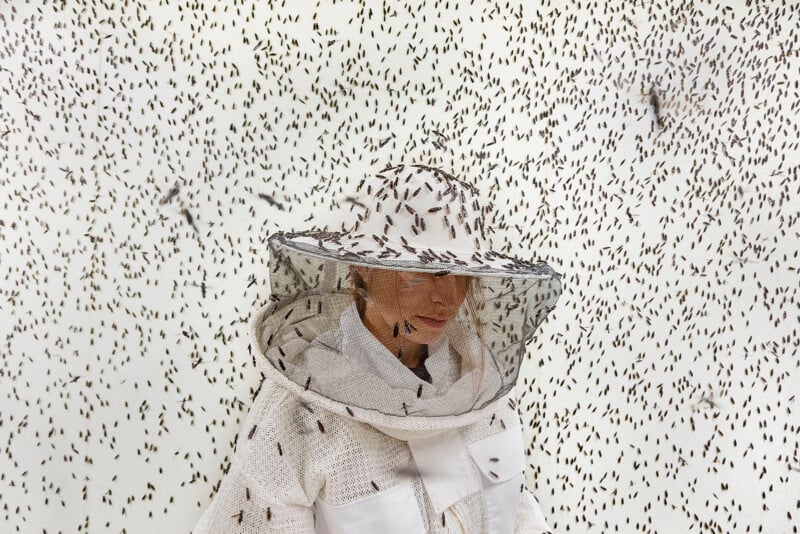
The Polar Regions category winner, Vadim Makhorov, provided an aerial perspective of Pacific walruses huddling on Ratmanov Island. As sea ice continues to recede due to global warming, such "haul-outs" on land are becoming more common and dangerous for walrus populations. The runner-up positions were held by Panos Laskarakis, with a poignant image of a polar bear mother and her cub, and Lucas Bustamante, who captured the raw survival instincts of brown skuas in Antarctica.
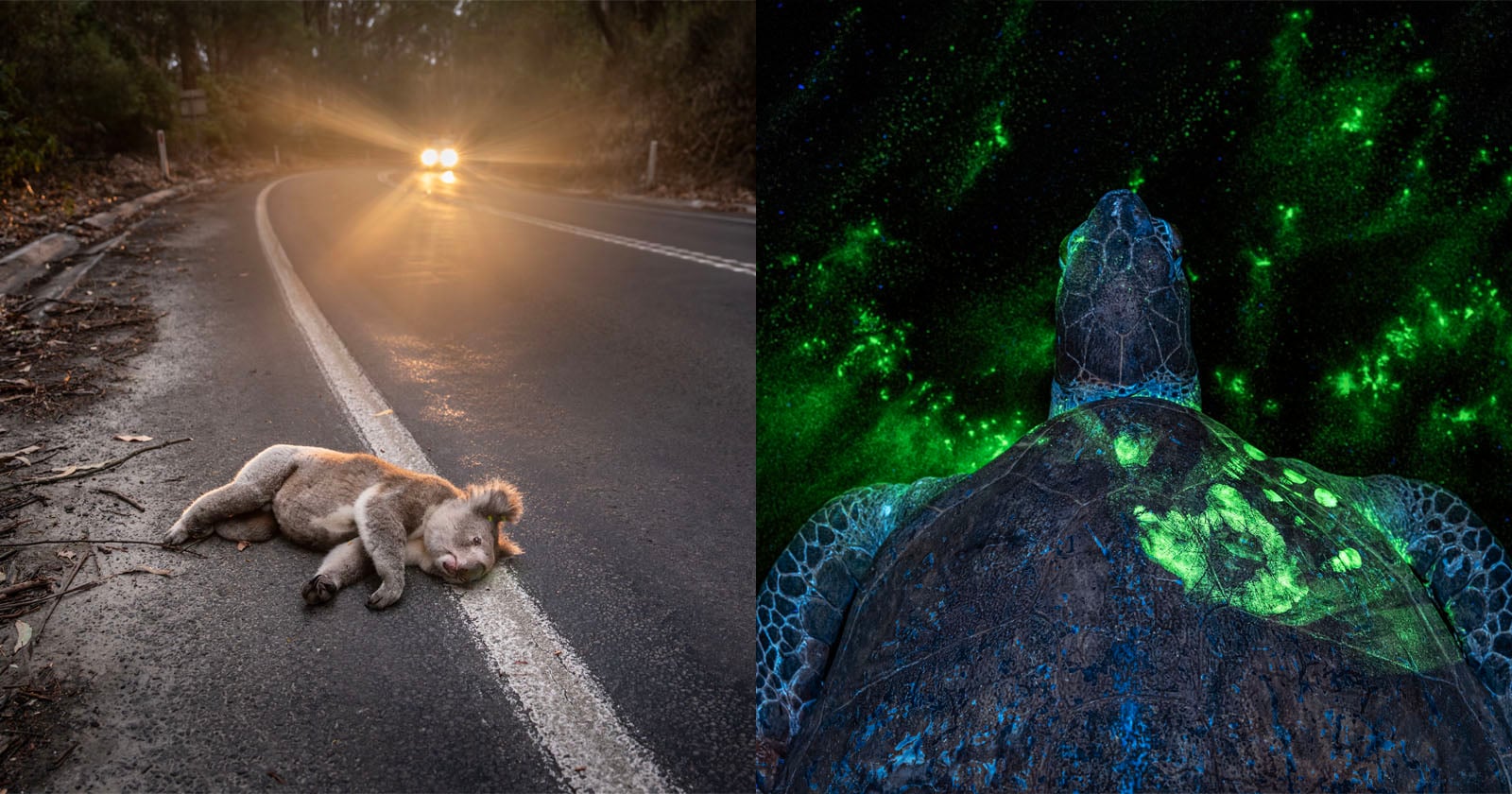
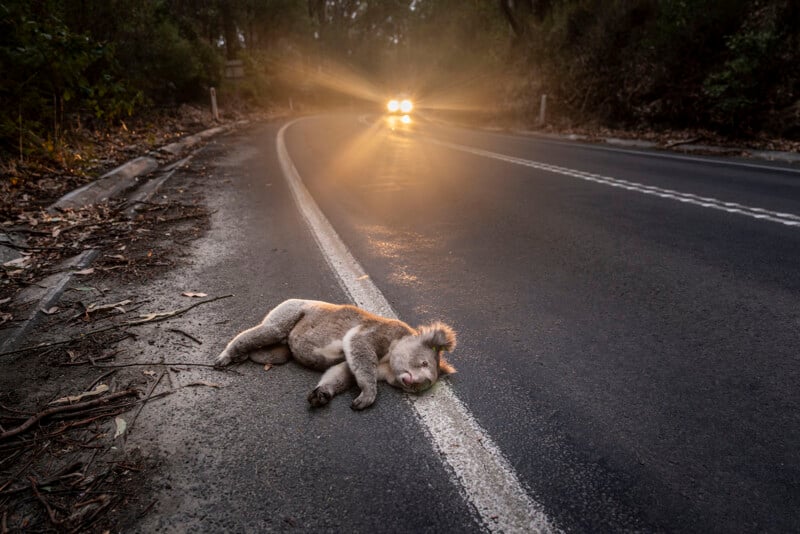
The Public Award was granted to Doug Gimesy for his heartbreaking image of a koala lying injured on the side of an Australian road at dusk. The photograph, illuminated by the headlights of an approaching car, highlights the growing threat of habitat fragmentation and the lethal impact of high-speed traffic on iconic wildlife.
The Significance of Wildlife Forensics in Photography
Britta Jaschinski’s victory underscores a growing trend in environmental photography: the shift from purely aesthetic nature shots to "investigative conservation." By focusing on the forensic aspects of wildlife crime, Jaschinski provides a service to the scientific community while raising public awareness.
Wildlife trafficking is estimated to be a multi-billion-dollar illegal industry, often linked to organized crime and global security threats. Traditional photography can show the beauty of an animal, but forensic photography, as demonstrated in "Handprint on Sea Turtle," shows the "crime scene" of the anthropocene. The use of UV light and fluorescent powders is a technique borrowed directly from human criminology, applied here to protect a species that cannot testify for itself. This methodological approach provides irrefutable evidence of human interference, making the photograph an asset for both education and legal advocacy.

Background of the Prince Albert II of Monaco Foundation
Founded in 2006 by His Serene Highness Prince Albert II of Monaco, the foundation has become one of the world’s leading organizations dedicated to environmental protection and sustainable development. The Environmental Photography Award was conceived as a way to leverage the power of visual storytelling to support the foundation’s three main areas of focus: limiting the effects of climate change, preserving biodiversity, and managing water resources.
The foundation operates on a global scale, supporting hundreds of projects that range from the protection of endangered Mediterranean monk seals to the promotion of renewable energy in developing nations. By hosting this annual photography competition, the foundation provides a platform for artists to reach policymakers and the general public, turning "environmental anxiety" into actionable awareness.
Chronology of the 2026 Award Cycle and Upcoming Events
The 2026 Environmental Photography Award followed a rigorous timeline, beginning with the initial call for entries in late 2025.
- September 1, 2025: Call for entries opened to photographers worldwide.
- Early 2026: A preliminary jury of experts in photography and conservation reviewed thousands of submissions to create a shortlist of 36 images.
- April 2026: Official announcement of the winners and the Grand Prize recipient.
- May 28, 2026: The official exhibition of the shortlisted and winning photographs will open on the Promenade du Larvotto in Monaco.
- July 30, 2026: The Monaco exhibition concludes before the collection begins an international tour to major cities.
In addition to the physical exhibitions, the foundation will partner with Skira Paris to publish a high-quality coffee table book. This publication will feature all selected images alongside in-depth commentary from the photographers and environmental scientists, ensuring that the message of the 2026 awards reaches a permanent, global audience.
Official Responses and Industry Impact
Upon receiving the award, Britta Jaschinski expressed her gratitude toward the foundation and the jury. "I am deeply grateful to HSH Prince Albert II and his Foundation for bringing us together in support of our precious planet," she stated. "It is a true honor to be named Environmental Photographer of the Year 2026, recognized by an esteemed jury among such distinguished work."
Experts in the field of photography have noted that the 2026 awards reflect a more "urgent" tone than previous years. The selection of images that focus on roadkill, shark finning, and forensic evidence suggests that the jury is prioritizing truth and impact over mere visual appeal. This shift is expected to influence the wider photography industry, encouraging more professionals to engage with NGOs and scientific bodies to produce work that has tangible conservation value.

Broader Implications for Environmental Advocacy
The success of the 2026 Environmental Photography Award highlights the evolving role of the photographer in the age of the climate crisis. No longer just observers, these individuals are becoming vital components of the conservation movement. Photographs like Jaschinski’s "Handprint on Sea Turtle" or Gimesy’s koala portrait do more than just win awards; they serve as cultural touchstones that can influence legislative change and public behavior.
For instance, images of wildlife-vehicle collisions have historically been used to lobby for the construction of wildlife overpasses and underpasses. Similarly, visual documentation of the shark fin trade has been instrumental in passing "finning" bans in various jurisdictions. As the Prince Albert II of Monaco Foundation prepares for the 2027 cycle—with entries set to open on September 1, 2026—the global community looks forward to a new cohort of "changemakers" who will continue to document the beauty and the peril of our shared home.
The 2026 awards remind us that while the environmental challenges we face are daunting, the power of the image remains a potent tool for change. Through the lens of these talented photographers, the invisible becomes visible, the ignored becomes unavoidable, and the plight of the natural world is brought into the light of the public conscience.

