


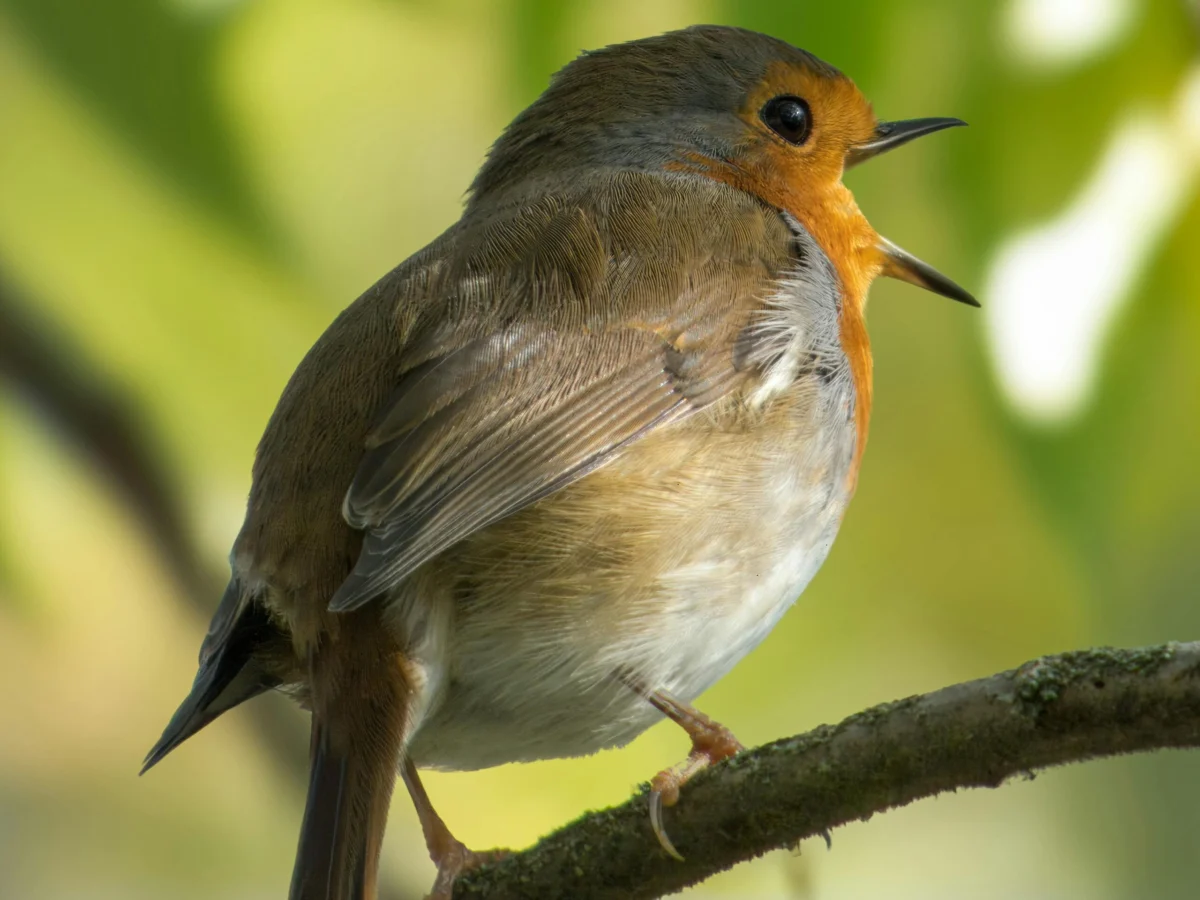
The familiar dawn chorus, a symphony of chirps and trills that signals the start of a new day, can abruptly cease, leaving behind an unsettling quiet. This sudden absence of birdsong, often experienced as a palpable void in the natural soundscape, can be perplexing and even a cause for concern. However, ornithologists and bird behavior experts explain that this phenomenon is rarely random. Instead, it represents a predictable and fascinating aspect of avian life, driven by a complex interplay of biological needs, environmental cues, and survival instincts. Understanding why birds fall silent at certain times, what these quiet interludes signify, and when their melodic contributions inevitably resume, offers a deeper appreciation for the intricate lives of our feathered neighbors.
The Rhythmic Respite: Why Birds Fall Silent
The perceived disappearance of birdsong is not an indication that the birds themselves have vanished. Rather, it signifies a shift in their priorities, a strategic adaptation to their environment and immediate circumstances. Several key factors contribute to these periods of avian silence, each serving a vital purpose in their daily lives.
1. The Deliberate Conclusion of the Morning Chorus
The vibrant dawn chorus, often the most prolific period of bird singing, has a natural ebb and flow. Mornings are characterized by intense vocal activity for several crucial reasons. Male birds, in particular, engage in singing primarily to establish and defend their territories, attract mates, and communicate their presence to rivals. The period immediately following sunrise is optimal for this communication for several reasons:
- Optimal Light Conditions: The low light levels of dawn make it difficult for predators to spot singing birds, offering a degree of safety for this otherwise conspicuous behavior.
- Hormonal Peaks: Many species experience a surge in testosterone levels in the early morning, fueling their vocal drive.
- Nutrient Replenishment: After a night of fasting, birds need to forage for food. Singing before the most intensive foraging period allows them to broadcast their presence while their energy reserves are relatively high.
However, as the sun climbs higher and the day progresses, the necessity for such constant territorial declarations diminishes. Once territories are secured and potential mates have been identified, the energy expenditure associated with sustained singing becomes less justifiable. The drive to forage, build nests, and care for young takes precedence. This shift in priorities leads to a gradual, and sometimes abrupt, fading of the morning chorus. The transition from a full-throated symphony to a hushed calm is a testament to the birds’ efficient allocation of energy and their pragmatic approach to survival. This transition is often observed as the morning wears on, typically between late morning and midday, as the urgency of territorial defense wanes and other daily tasks become paramount.
2. The Midday Hiatus: Conserving Energy Amidst the Heat
As temperatures climb, particularly in warmer climates or during summer months, birds enter a state of energy conservation. Singing is a metabolically demanding activity, requiring significant physical exertion and energy expenditure. Studies have indicated that the energy cost of singing can be substantial, comparable to that of flight for some species.
During the hottest parts of the day, birds adopt a strategy of reduced activity to prevent overheating and conserve vital energy reserves. This often translates to seeking shade, minimizing movement, and, crucially, ceasing vocalizations. The midday silence is a direct response to the physiological challenges posed by high temperatures.
- Reduced Metabolic Rate: By becoming less active and ceasing strenuous activities like singing, birds can lower their metabolic rate, thus reducing internal heat production.
- Thermoregulation: Engaging in song generates body heat. During periods of extreme heat, this added internal temperature can be detrimental, increasing the risk of heat stress.
- Foraging Efficiency: While foraging is essential, the most efficient foraging often occurs during cooler parts of the day. Midday heat can make foraging more taxing and less productive.
Consequently, backyards and natural areas that were alive with birdsong just a few hours earlier can become eerily quiet. This silence is not a sign of absence but rather a visible manifestation of the birds’ adaptive strategies for thermoregulation and energy management. They are present, likely resting or seeking refuge in cooler, shaded areas, but their primary mode of communication falls silent. This phenomenon is particularly noticeable in regions experiencing significant diurnal temperature fluctuations, where the shift from a cool morning to a hot afternoon is stark.
3. The Alarm Bell of Silence: Danger Lurks
Perhaps one of the most critical reasons for sudden avian silence is the presence of predators. Birds possess an acute awareness of their surroundings and have evolved sophisticated mechanisms to detect and respond to threats. When a predator, such as a hawk, owl, fox, or even a domestic cat, enters their vicinity, the immediate response is often a cessation of all vocalizations.
This silence is not born of fear in the human sense, but rather a calculated survival tactic. Singing or calling would immediately betray the bird’s location, making it an easy target for the predator. The abrupt switch to silence is akin to flipping a switch, a rapid and widespread reaction that can spread through a flock or community of birds almost instantaneously.

- Predator Detection: Birds have keen eyesight and hearing, allowing them to detect predators from a considerable distance.
- Vocalization as a Beacon: Any sound produced by a bird in the presence of a predator acts as a homing beacon, guiding the predator directly to its prey.
- Cooperative Vigilance: In some cases, the alarm of silence can also be a form of collective defense. If one bird detects a threat and falls silent, others in the vicinity quickly learn and follow suit, creating a zone of quiet vigilance.
The silence can persist until the perceived threat has passed. This might be a fleeting moment if the predator is merely passing through, or it could last for an extended period if the predator remains in the area. The ability of birds to communicate danger through silence is a testament to their evolutionary resilience and their deep understanding of the predator-prey dynamic. This behavior is a stark reminder that the natural world operates on a constant vigilance, where every sound, or lack thereof, carries profound significance.
4. Focused Foraging: When the Stomach Takes Precedence
Birdsong is often associated with territorial displays and mating rituals, but it also plays a role in social interactions during foraging. However, when food is particularly abundant and easily accessible, birds often shift their focus from vocal communication to the immediate task of feeding.
In environments where food resources are plentiful, such as during a heavy fruiting season or when a reliable food source like a bird feeder is present, birds may enter a phase of intensive feeding. During these periods, their primary objective is to consume as much as possible to store energy for later use. The energy and attention required for sustained singing can detract from this crucial activity.
- Resource Exploitation: When food is abundant, birds maximize their intake to build fat reserves, which are essential for flight, migration, and surviving periods of scarcity.
- Reduced Social Signaling: In a situation of plentiful food, the need to advertise territory or attract mates may be temporarily less pressing.
- Concentration on Consumption: The act of feeding, especially with small, easily digestible food items, can be all-consuming, leaving little room for complex vocalizations.
While birds may still engage in short, functional contact calls to maintain flock cohesion or signal the location of food to close associates, the elaborate songs that characterize their territorial displays often cease. This is a common observation in areas with consistent and abundant food sources, where the natural soundtrack of a location can pause as birds dedicate themselves to the vital task of sustenance.
5. The Internal Rhythms: A Biological Clock at Work
Birds, like most living organisms, are governed by intricate internal biological clocks, also known as circadian rhythms. These internal mechanisms regulate a wide range of physiological processes, including sleep-wake cycles, hormone production, and, importantly, vocal activity. Birds do not sing continuously because their brains and hormonal systems operate on daily cycles that dictate periods of activity and rest, singing and silence.
The typical pattern involves a peak in singing activity during the early morning hours, often referred to as the "dawn chorus." This is followed by a decline in vocalizations as the day progresses. Some species may exhibit a secondary peak in singing activity in the late afternoon or early evening, particularly as they prepare for roosting or engage in final territorial assertions before nightfall.
- Hormonal Fluctuations: The production of hormones like testosterone, which is closely linked to singing behavior in many male birds, fluctuates throughout the day, peaking at certain times and diminishing at others.
- Brain Activity Cycles: The neurological pathways that control vocalization are also subject to daily cycles of activation and deactivation, influenced by light cues and internal biological signals.
- Energy Management: These daily rhythms help birds manage their energy expenditure, ensuring that strenuous activities like singing are performed when they are most beneficial and least costly.
When the environment seems to fall "suddenly quiet," it often coincides with a transition point in these biological rhythms. You might be observing the natural decline in singing activity as the day progresses, or the shift between different behavioral modes dictated by the internal clock. This inherent rhythmicity is incredibly consistent across a vast array of avian species, underscoring its fundamental importance in their lives.
6. Atmospheric Influences: Weather’s Impact on Avian Vocalizations
Changes in weather patterns can have an immediate and dramatic impact on birdsong. A sudden drop in barometric pressure, an increase in wind speed, or the approach of a storm can cause birds to fall silent almost instantaneously. This phenomenon is directly linked to their sensitivity to atmospheric changes and their ability to anticipate weather events.
- Barometric Pressure Sensitivity: Birds, like many animals, are sensitive to shifts in barometric pressure. A falling pressure often indicates an approaching storm system, which can bring unfavorable conditions for flight and foraging.
- Wind Interference: Strong winds can make singing difficult and less effective, as the sound may be carried away or distorted, diminishing its reach and clarity. Furthermore, high winds can make foraging more challenging and dangerous.
- Precipitation Avoidance: Birds generally seek shelter and cease outward activities when rain or storms are imminent, prioritizing safety and conserving energy over vocal communication.
This pre-storm silence is a well-documented behavior. Many observers note that the birds grow quiet just before the first drops of rain begin to fall, serving as an uncanny natural barometer. This rapid and synchronized silence is a clear indication of the birds’ adaptive responses to environmental cues, a primal instinct to prepare for adverse conditions.
7. The Urban Cacophony: Adapting to Man-Made Noise
In urban and suburban environments, the presence of human-generated noise can significantly alter when and how birds sing. The constant hum of traffic, the din of construction, and the general activity of human populations can create acoustic challenges for birds. In response, some species have adapted their singing schedules.

- Shifting to Quieter Hours: To be heard above the urban din, some birds have begun to sing earlier in the morning, before the peak of human activity and associated noise. This allows their songs to carry more effectively.
- Increased Song Amplitude: Other birds may compensate by singing louder, increasing the amplitude of their vocalizations to overcome background noise.
- Temporary Suppression: Even in urban settings, periods of intense noise pollution from construction or other disruptive activities can temporarily suppress birdsong, even if the birds themselves remain in the area.
This adaptation highlights the remarkable plasticity of bird behavior in response to environmental pressures. While urban noise can be a significant challenge, birds demonstrate an impressive ability to adjust their communication strategies to maintain their social structures and territorial integrity within these altered soundscapes.
When the Melody Returns: The Inevitability of Birds’ Song
Despite these numerous reasons for silence, the return of birdsong is as predictable as its cessation. Once the immediate pressures of predator presence, extreme heat, or adverse weather have subsided, birds will resume their vocal activities.
- Post-Predator Vigilance: Once the threat of a predator has passed and the area is deemed safe, birds will gradually begin to vocalize again, often starting with tentative calls before full song resumes.
- Cooler Temperatures: As temperatures moderate, particularly in the late afternoon or early morning, birds will emerge from their quiet conservation mode and recommence singing.
- Return to Normalcy: Following rain or storms, as conditions become more favorable, birds will return to their regular singing patterns.
- Daily Rhythms: The natural cycles of their biological clocks ensure that periods of singing will occur during optimal times of the day, such as the early morning and, for some species, the late afternoon.
The silence experienced is, therefore, always temporary. The natural soundtrack of the world is not lost, merely paused. This resilience and adaptability are core to the survival of bird populations worldwide.
Common Questions About Avian Silence
The phenomenon of birds falling silent often prompts questions from concerned observers. Understanding the answers can alleviate unnecessary worry and deepen our appreciation for bird behavior.
Is silence a bad sign?
No, silence is a normal and healthy aspect of bird behavior. It is an indicator that birds are responding to their environment and their own biological needs. It is not a sign of distress or absence unless accompanied by other unusual observations.
Are birds leaving my yard?
Almost never. When birds go silent, they are typically still present in the vicinity. They are likely resting, conserving energy, foraging discreetly, or seeking shelter from predators or harsh weather. Their presence is often indicated by subtle movements or the rustling of leaves, rather than overt song.
Does climate change affect this?
Yes, climate change is having a discernible impact. Rising global temperatures are causing shifts in avian behavior, including earlier onset of singing in many regions as birds respond to earlier warming trends. This can alter the timing and duration of their vocal periods.
Why does silence feel unsettling?
Human beings have long associated birdsong with a sense of safety and the natural order of things. The familiar chorus of birds has been a constant companion, a signal of a healthy and undisturbed environment. When this auditory cue is suddenly absent, our ingrained perception of safety can be disrupted, leading to a feeling of unease or apprehension. We are, in essence, attuned to birdsong as a positive indicator, and its abrupt disappearance triggers a subconscious alert.
Conclusion: The Language of Silence
When birds fall silent, they are not disappearing; they are communicating in a different, equally vital, language. This silence is a testament to their remarkable adaptability, their sophisticated survival strategies, and their deep connection to the rhythms of the natural world. Whether it’s a response to the heat of midday, the shadow of a predator, the abundance of food, the influence of weather, or the internal dictates of their biological clocks, these quiet interludes are as integral to avian life as their melodic songs.
The next time the familiar soundscape of your surroundings becomes hushed, resist the urge to assume the birds have gone. Instead, look closer. Observe the subtle movements in the trees, the rustling in the undergrowth, or the watchful stillness of a perched bird. The avian orchestra may be taking a brief intermission, but its performers are almost certainly still present, listening, adapting, and preparing for their next performance. Understanding these moments of silence enriches our perception of the natural world, revealing a layer of complexity and intelligence that often goes unnoticed amidst the vibrant symphony of birdsong.

