


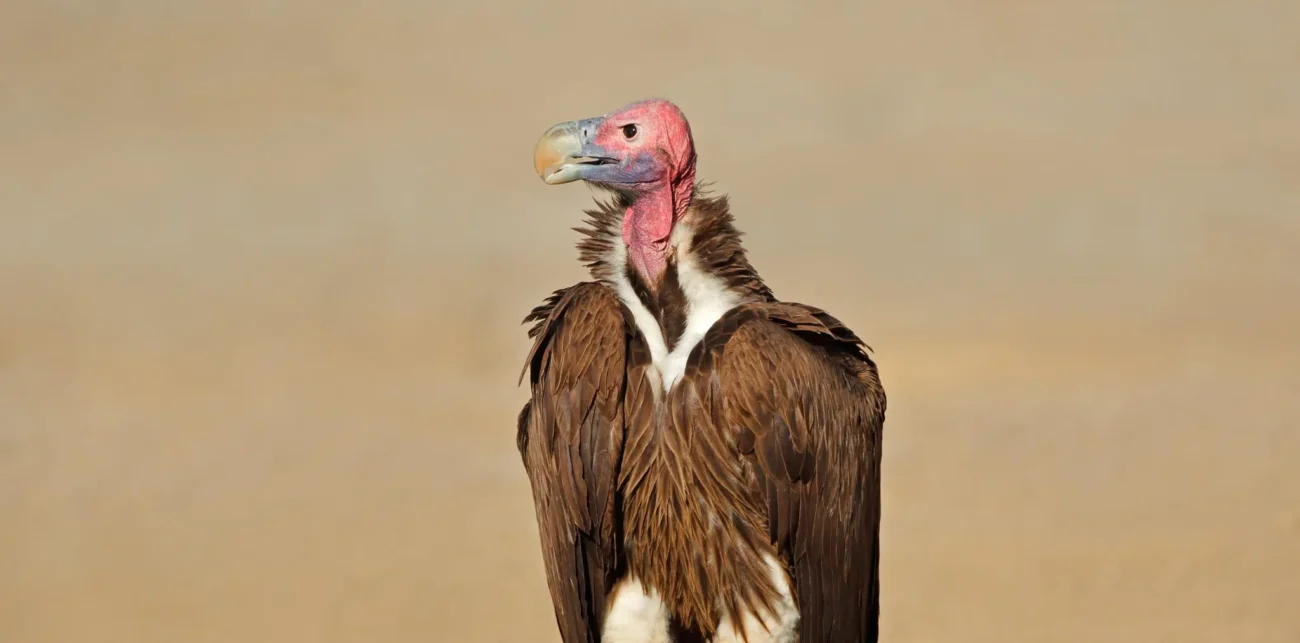
Lovelater Sebele, a Senior Vulture Conservation Officer at BirdLife International, is at the vanguard of a crucial movement advocating for inclusive conservation practices, emphasizing the vital necessity of incorporating marginalized groups into ecological preservation efforts. Her extensive work with vultures in southern Africa underscores a broader challenge: the need for conservation strategies that move beyond a "one-size-fits-all" mentality and actively embrace diverse cultural perspectives and community involvement.
The Unsung Heroes of the Ecosystem: Vultures in Peril
Vultures, often overlooked and even maligned for their appearance and role as scavengers, are indispensable architects of healthy ecosystems. In southern Africa alone, their natural waste management services are estimated to be worth an astounding US$1.8 billion annually, preventing the spread of diseases and contributing to overall environmental stability. However, as Sebele points out with a wry smile, their perceived unattractiveness and association with decaying carcasses often lead to public indifference. "First of all," she explains, "they are not good-looking birds. They are big with bald heads. They spend a lot of time on smelly carcasses. So people do wonder why you would actually want to work with vultures!"

This sentiment extends even within the conservation community, where the focus frequently gravitates towards charismatic megafauna like elephants, lions, and giraffes. The critical ecological functions of vultures are often underestimated, creating a significant hurdle for their protection.
Bridging Cultural Divides: Totems, Traditions, and Vulture Conservation
Africa’s rich tapestry of cultural connections to nature provides a potential pathway for enhanced vulture conservation. The reverence for totems, often animal or bird representations, fosters a deep-seated, albeit sometimes dormant, fondness for species. This inherent connection can be leveraged to build greater appreciation for birds, including vultures. Furthermore, birds have historically served as vital indicators for local communities, signaling seasonal changes, rainfall patterns, and agricultural viability. This ingrained understanding of birds as integral to livelihoods offers a fertile ground for conservation outreach.
However, these cultural ties can be a double-edged sword. Certain species are sometimes associated with negative beliefs, including witchcraft or omens of death, leading to persecution. While this can result in birds being left undisturbed out of fear, it can also fuel harmful practices. Vultures, in particular, face threats stemming from their use in traditional medicine and spiritual healing practices across the continent. Parts of these birds are sought after for both physical and spiritual well-being, contributing to poaching and illegal trade. This demand, coupled with other threats like poisoning and habitat loss, has pushed several vulture species to Endangered or Critically Endangered status.

Sebele highlights a fascinating duality of knowledge in this context. "Over generations, Africans have been people that are very observant of their surroundings," she notes. "Generally, they understand that vultures move long distances – they’ve seen it." The local interpretation that these birds "dream of where carcasses will be found" offers a unique cultural explanation for their remarkable foraging abilities, linking their heads to their use in spiritual practices.
Navigating Belief-Based Use: Towards Sustainable Harvesting
Recognizing the deep roots of belief-based practices, Sebele emphasizes that outright eradication is not a viable or respectful solution. "There was a time when we thought about completely eradicating the use of vultures," she recalls, "but we realised that you do not get rid of a culture like that." Instead, the focus has shifted to working collaboratively with traditional healers and cultural custodians to find alternatives and reduce the rate of harvesting.
The challenge lies in the fact that enforcing bans can drive these practices underground, obscuring their extent and making effective conservation even more difficult. This echoes historical patterns where colonial powers suppressed indigenous African religions, leading to a loss of clear data on traditional practices. Sebele poses the critical question: "Are we making a difference with traditional healers?" The answer remains nuanced, but BirdLife and its partners are actively creating platforms for dialogue, raising awareness, and facilitating discussions among practitioners.

The goal is not to eliminate the use of vultures in traditional medicine entirely, but to achieve a sustainable balance. "We appreciate that we will never get to a point where there is zero use of these species in medicine, but we are working with traditional healers in cognizance of the culture," Sebele states. This involves identifying and promoting alternative materials that can fulfill the cultural and medicinal needs without depleting vulture populations.
Community Engagement: The Cornerstone of Conservation Success
The success of vulture conservation hinges on genuine partnership with local communities. Sebele recounts how communities are actively contributing by identifying and mitigating threats, and by mapping nesting sites, thereby providing invaluable data for conservation efforts. This collaborative approach recognizes that both conservationists and communities share a vested interest in the survival of vultures, not only for their intrinsic value but also for the ecosystem services they provide. Even those who utilize vultures for belief-based purposes understand that the decline of these birds could lead to ecosystem collapse, jeopardizing traditional culture itself.
This local-level engagement has yielded practical insights. Sebele shares a profound lesson learned from local knowledge: "For local communities, vultures are valuable because when they lose livestock they have to spend days searching for it. If they are not seeing soaring vultures, they still hope the animal is alive. If they see vultures circling an area, the plan is to investigate what they are looking at – it saves them time they would otherwise spend searching for an already dead." This practical understanding highlights how vultures contribute to human livelihoods by efficiently locating carcasses, saving time and resources.

Addressing Systemic Inequalities: Gender and Race in Conservation
Beyond cultural considerations, Sebele brings attention to systemic challenges related to gender and race within the conservation sector. While fortunate to have familial support and not having faced direct oppression, she acknowledges that these issues are prevalent. "Those kinds of challenges in conservation genuinely exist, and they are mostly systematic. They generally work against women and work against people of different ethnic backgrounds," she asserts.
A significant concern is the tendency to develop conservation strategies as universal solutions, failing to account for the diverse social structures, beliefs, and geographical contexts of different regions. "If you try and produce a one-size-fits-all solution, the reality is that it fits no one perfectly," Sebele wisely observes. This approach neglects the intricate social and cultural dimensions of conservation, which are as crucial as the ecological aspects.
A Unified Call for Inclusive Action
Lovelater Sebele’s work with BirdLife International serves as a powerful testament to the imperative of inclusive conservation. By fostering collaboration, respecting cultural nuances, and actively engaging marginalized communities, conservation efforts can become more effective and sustainable. The challenges faced by vultures are complex, interwoven with cultural practices, economic pressures, and systemic inequalities. Addressing them requires a unified approach that values diverse perspectives and recognizes the interconnectedness of human well-being and ecological health.

"Conservation is not just the plants and animals in the space; it has a social and cultural aspect to it," Sebele concludes. "As conservationists, we need to be open to these dimensions." Her dedication to being "a voice for the voiceless" resonates with a broader call for collective action, where every perspective, whether from a seasoned conservationist or a local community member, contributes to a stronger, more unified chorus for nature. The future of vulture populations, and indeed, the health of our planet, depends on embracing this inclusive vision.

