


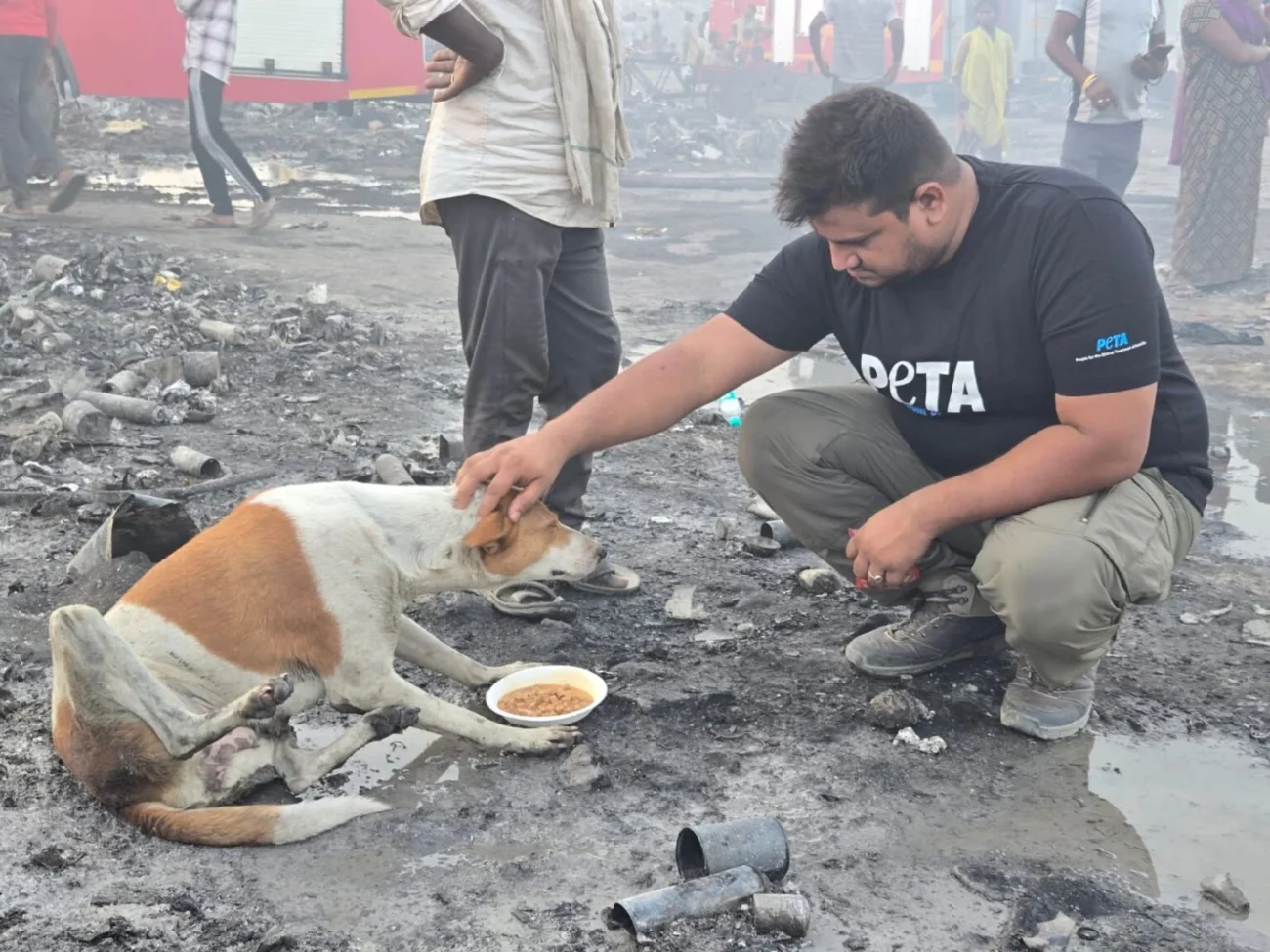
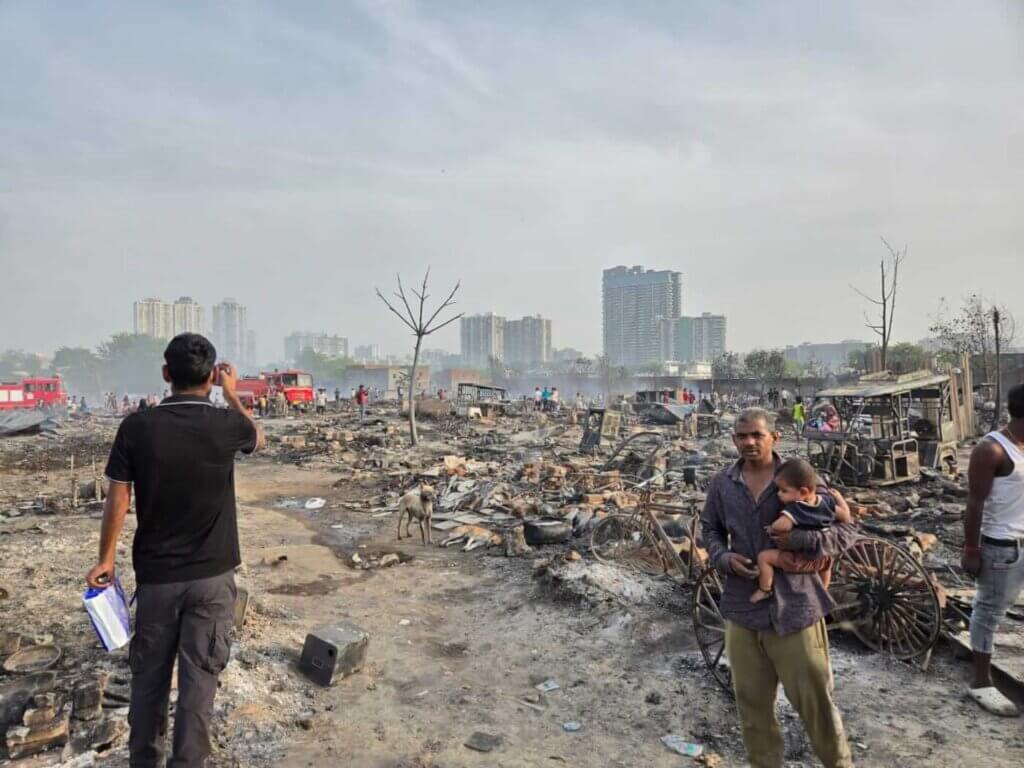
On April 16, a catastrophic fire erupted within a densely populated residential and commercial district of Ghaziabad, Uttar Pradesh, triggering a massive emergency response as flames swept through the neighborhood with unprecedented speed. While human residents scrambled to evacuate the narrow corridors of the affected area, a secondary crisis unfolded beneath the thick, acrid smoke: dozens of domestic and community animals found themselves trapped in the path of the conflagration. In the immediate aftermath of the initial outbreak, the PETA India Rapid Response Team (RRT) was deployed to the site, launching a comprehensive search-and-rescue operation that would eventually secure the safety of nearly 40 animals. This intervention highlights the critical intersection of urban disaster management and animal welfare in one of India’s most industrialised and populated regions.
The fire, which reportedly began in the early hours of the day, was exacerbated by the high density of the neighborhood, where residential units are often interspersed with small-scale manufacturing shops and storage facilities. As local fire departments battled to contain the blaze, the heat and smoke created a lethal environment for the stray dog populations and community cats that frequent these urban pockets. For animals, the chaos of a fire is compounded by a lack of escape routes and the physiological toll of inhaling toxic fumes. The PETA-supported rescuers arrived on the scene while embers were still smoldering, navigating through debris and charred remains to locate survivors who had retreated into corners or under collapsed structures in a state of paralysis and shock.
Chronology of the Emergency Response
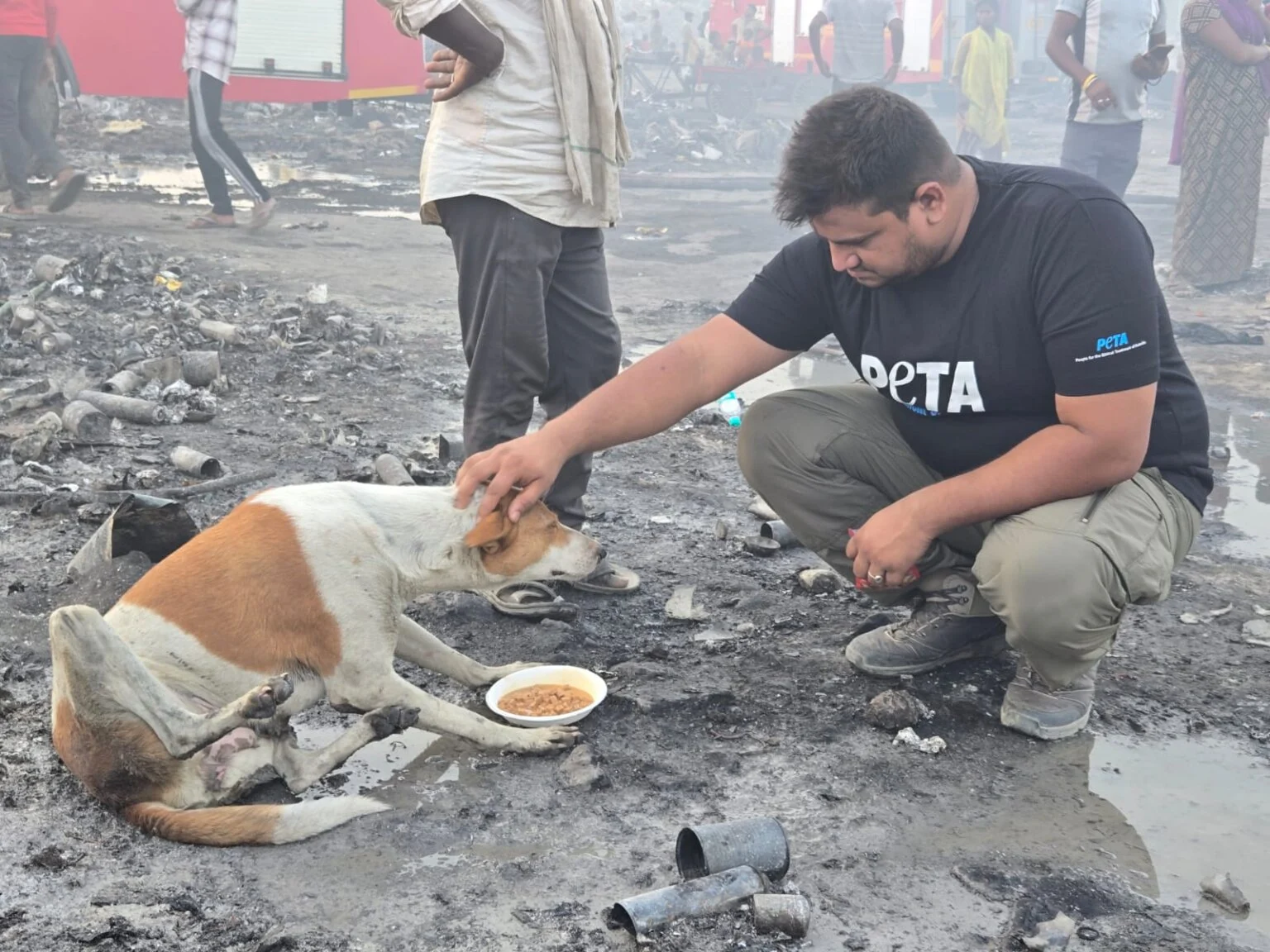
The timeline of the rescue operation began shortly after the fire was brought under control by the Ghaziabad Fire Service. While human casualties were being prioritized by local medical teams, the PETA India RRT established a mobile triage station nearby. The search began in the most heavily damaged zones, where the risk of structural collapse remained high. One of the first victims located was a brown-and-white dog discovered huddling in a blackened alleyway. The animal exhibited visible epidermal burns and was suffering from severe respiratory distress due to smoke inhalation. This initial rescue set the tone for the day, as responders moved systematically from street to street, utilizing thermal imaging and auditory cues to find animals that had gone into hiding.
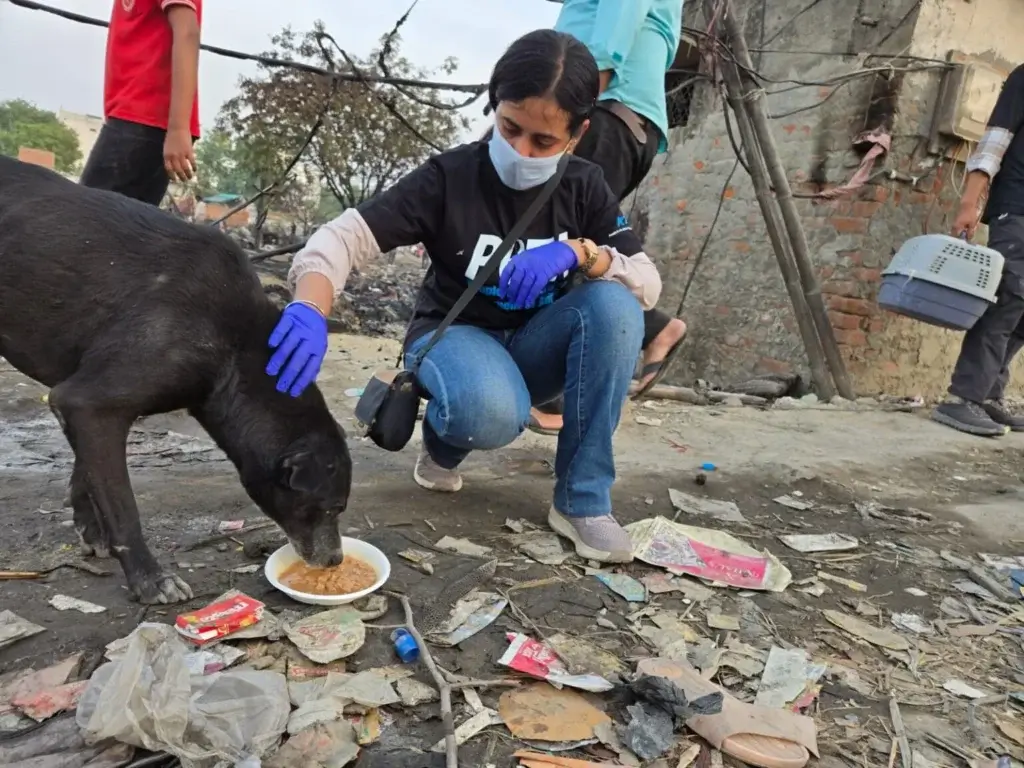
Throughout the afternoon of April 16 and into the following evening, the team worked tirelessly to coax frightened animals out of the ruins. The operation was not merely a matter of physical retrieval; it required a high degree of patience and specialized handling, as animals in shock can become defensive or flee further into dangerous areas. By the end of the primary search phase, the team had successfully accounted for and treated approximately 35 to 40 dogs and two cats. The speed of the deployment was cited as a decisive factor in the survival rate of the victims, as untreated burns and dehydration in the high-temperature environment of a post-fire zone can lead to organ failure within hours.
Medical Triage and the Physiology of Fire Trauma in Animals
The medical challenges faced by the Rapid Response Team were multifaceted. In a disaster of this magnitude, the primary threats to animal life include thermal burns, carbon monoxide poisoning, and acute psychological trauma. Upon rescue, each animal underwent a rapid physical assessment. Those showing signs of severe dehydration were administered subcutaneous fluids to stabilize their blood pressure and kidney function. For those with external injuries, the responders applied cooling treatments and antimicrobial dressings to prevent the onset of secondary infections, which are a leading cause of mortality in burn victims.
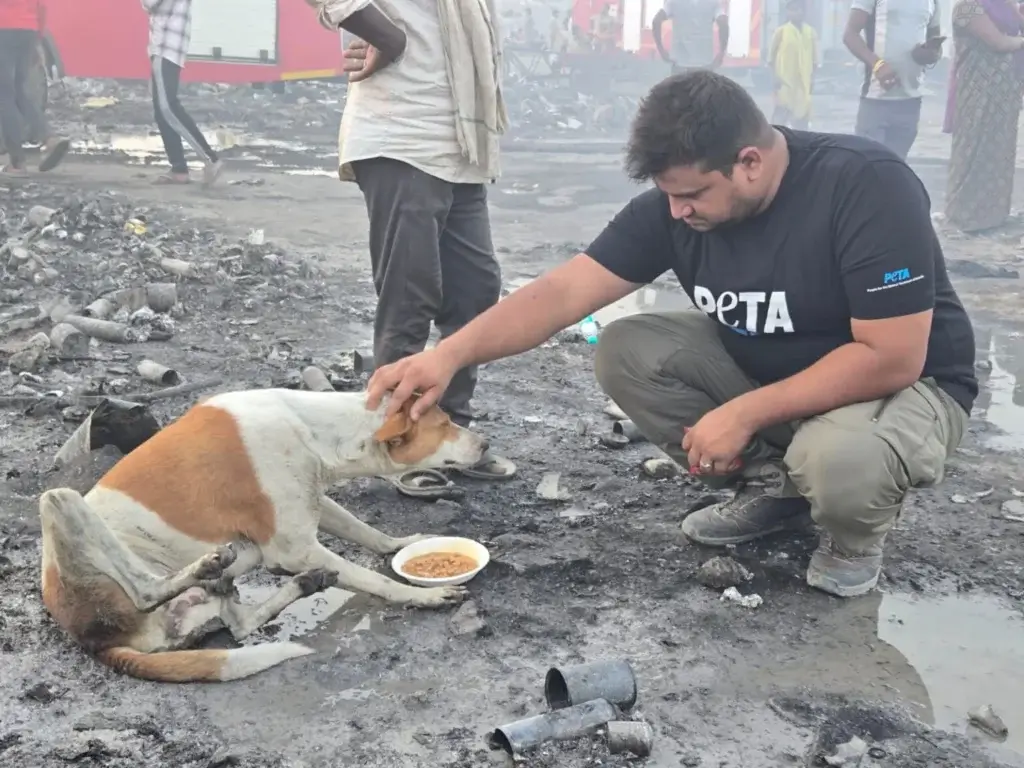
According to veterinary experts associated with the response, the "golden hour" for treating fire victims is critical. Animals often mask their pain as a survival instinct, meaning that an animal appearing superficially stable may actually be suffering from internal lung damage or deep-tissue burns. The PETA India team provided immediate supportive care, including food and clean water, which serves the dual purpose of nourishment and calming the animal’s nervous system. For the most critically injured—those with third-degree burns or significant respiratory impairment—the RRT coordinated emergency transport to specialized veterinary hospitals in the National Capital Region (NCR) for long-term intensive care.
Urban Context and the Vulnerability of Community Animals
The incident in Ghaziabad underscores a broader issue regarding urban animal welfare in India. Ghaziabad, as part of the National Capital Region, is characterized by rapid, often unplanned urbanization. In such environments, "community animals"—dogs and cats that do not have a single owner but are fed and cared for by neighborhood residents—are integral to the social fabric. However, they are also the most vulnerable during disasters. Unlike house pets, they have no designated guardians to ensure their evacuation, and unlike wildlife, they are trapped within the man-made confines of fences, walls, and gated communities.
Data from urban fire departments suggests that the incidence of "hidden" animal casualties in city fires is often much higher than officially reported. Without the intervention of specialized NGOs like PETA India, many of these animals would perish unnoticed in the days following a fire due to infection or starvation. The Ghaziabad rescue serves as a case study in the necessity of including animal welfare protocols in municipal disaster response plans. The presence of a trained RRT allows government fire and police services to focus on human safety while ensuring that the ethical obligation to protect all sentient life is met.
The Role of the Global Compassion Fund
The logistical success of the Ghaziabad operation was made possible through the PETA Global Compassion Fund. This fund is a specialized financial resource designed to facilitate immediate action during crises such as fires, floods, and earthquakes. Unlike standard charitable programs that may have long administrative lead times, the Global Compassion Fund allows for the pre-positioning of supplies and the maintenance of a standing corps of trained responders who can be mobilized at a moment’s notice.
The fund supports a variety of needs, from the procurement of high-tech rescue equipment and veterinary supplies to the operation of animal ambulances. In the context of the Ghaziabad fire, the fund ensured that the RRT had the necessary vehicles to transport dozens of animals simultaneously and the medical kits required to treat burns on-site. This international support system creates a safety net for animals in regions where local government resources for animal rescue may be limited or non-existent.
Analysis of Implications and Future Preparedness
The rescue of 40 animals in Ghaziabad is a significant achievement, but it also highlights the ongoing need for systemic changes in how society views animal safety during emergencies. Analysis of the event suggests three primary areas for future improvement:
- Integration of Services: There is a growing argument for the formal integration of animal rescue teams into the official emergency dispatch systems of major Indian cities. This would allow for even faster response times and better coordination between firefighters and animal welfare experts.
- Public Education: Many of the animals rescued in Ghaziabad were found by residents who stayed behind to help or who alerted the PETA team. Enhancing public knowledge on how to safely evacuate pets and assist community animals during a fire can significantly reduce casualty rates.
- Infrastructure for Rehabilitation: While the immediate rescue was successful, the long-term challenge remains the rehabilitation of the victims. Animals with severe burns require weeks or months of specialized care. Expanding the network of PETA-supported clinics and recovery centers is essential to handle the aftermath of such large-scale disasters.
The April 16 fire was a reminder of the fragility of life in the face of industrial and urban hazards. However, the coordinated response of the PETA India Rapid Response Team provided a glimmer of hope. By providing a voice and a helping hand to those who could not call for help themselves, the rescuers not only saved dozens of individual lives but also reinforced the principle that compassion must be a foundational element of any society’s disaster response strategy.
As the smoke cleared over Ghaziabad, the focus shifted from active rescue to recovery. The animals that were stabilized on-site continue to receive monitoring, and those in hospitals are being treated with the goal of eventual release back into safe environments or placement in permanent homes. The legacy of this event will likely be a renewed focus on the importance of the Global Compassion Fund and the dedicated individuals who run toward danger to ensure that no animal is left behind in the ruins of a disaster. The resilience shown by both the rescuers and the rescued animals stands as a testament to the impact of timely, professional, and well-funded intervention in the wake of a tragedy.

