


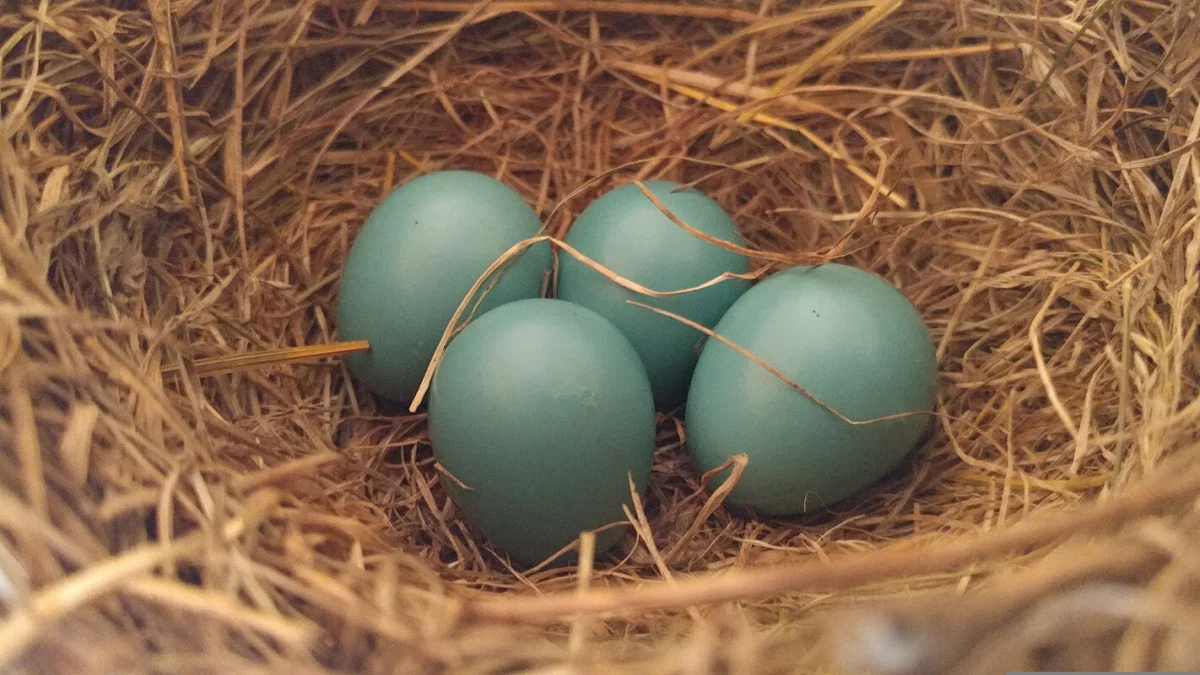
Every spring, a peculiar cultural narrative takes hold: the whimsical notion that rabbits, not birds, are the purveyors of colorful eggs, meticulously hidden in gardens for discovery by eager children. This charming fable, while central to Easter celebrations, starkly contrasts with biological reality. In truth, birds, the veritable maestros of oogenesis, have been naturally crafting eggs of astonishing beauty and functional complexity for millions of years, arguably deserving far greater recognition than their lagomorphic counterparts in the springtime spotlight.
The Biological Canvas: The Diverse World of Avian Eggs
While the Easter Bunny’s eggs are products of human ingenuity and dye, avian eggs are miniature biological marvels, showcasing a breathtaking spectrum of natural colors, patterns, and forms. Far from being uniformly white, bird eggs exhibit hues ranging from deep blues and greens to mottled browns, creams, and even purplish tones. The pigmentation is derived from two primary classes of porphyrin pigments: protoporphyrins, which create the reddish-browns, spots, and speckles, and biliverdin, responsible for the vibrant blues and greens. These pigments are deposited onto the eggshell during its formation in the oviduct, often in intricate layers and patterns unique to each species.
For instance, the American Robin is renowned for its iconic "robin’s egg blue," a pure, unblemished cerulean that instantly evokes springtime. However, the diversity extends far beyond this familiar shade. Online resources like Birdfly.com highlight approximately 26 distinct bird species that lay blue eggs, demonstrating that this striking coloration is not an isolated phenomenon. Interestingly, many of these species, such as the European Starling or the House Finch, are not themselves blue, illustrating that egg color is an independent evolutionary trait. Other birds, like the Common Murre, lay pyriform (pear-shaped) eggs with highly variable patterns of streaks and blotches, often unique to each individual female, which aids parents in identifying their own eggs in dense colony nesting sites. The Cornell Lab of Ornithology’s "All About Birds" platform consistently features a dazzling array of egg coloration, from the deep, almost chocolate-drizzled appearance of some raptor eggs to the pristine, matte white of nearly all parrot eggs, a color choice often linked to nesting in dark cavities where camouflage is less critical.
Evolutionary Masterpieces: Function and Form in Bird Eggs
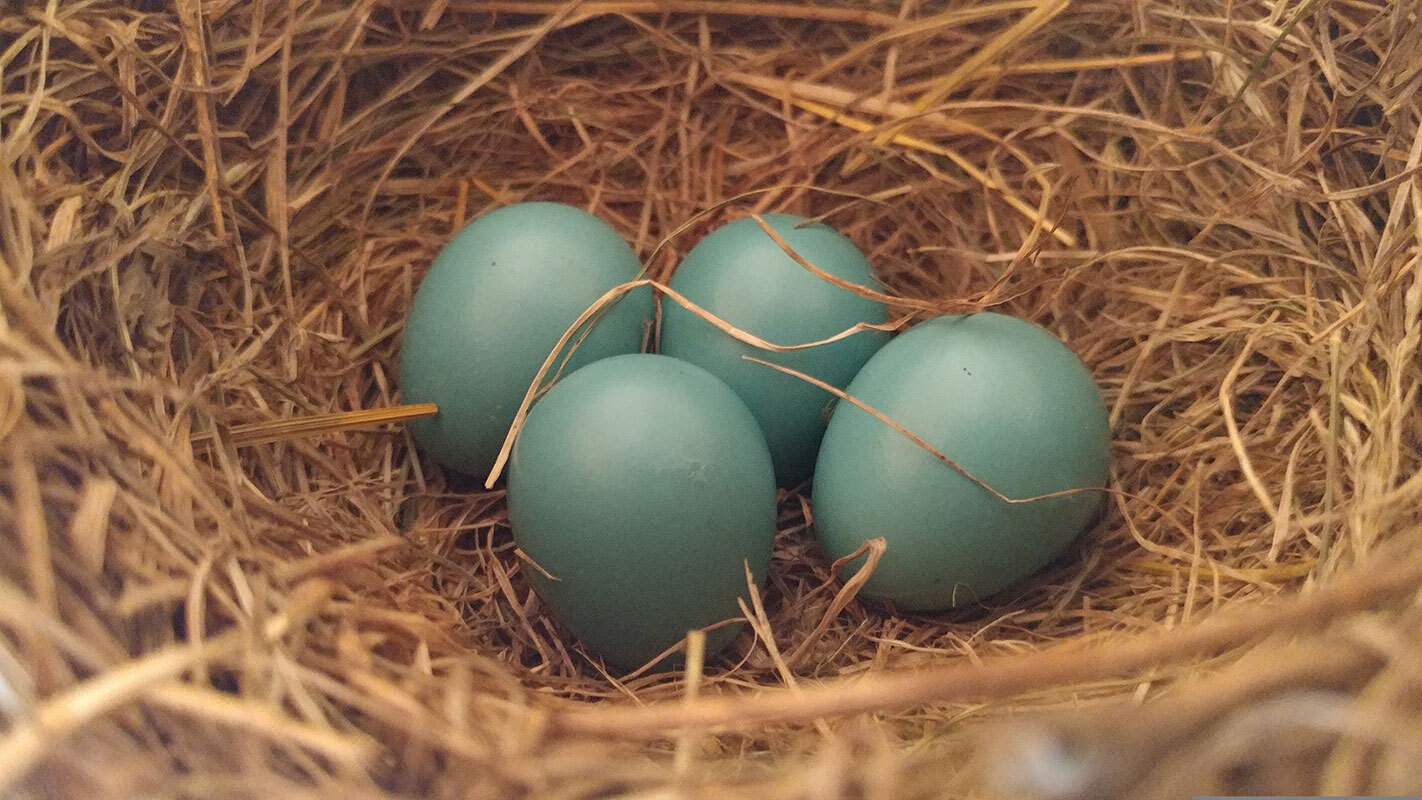
Beyond their aesthetic appeal, bird eggs are functional masterpieces, their diverse characteristics intricately linked to survival and protection. The colors and patterns serve multiple vital purposes. Camouflage is paramount; speckled brown eggs of ground-nesting birds like plovers or pheasants blend seamlessly with their earthy surroundings, offering protection against predators. Conversely, the bright blue eggs of some cavity-nesting species, such as the Eastern Bluebird, may signal female health and genetic quality to a potential mate, as biliverdin production can be energetically costly, indicating a robust immune system.
The shape of bird eggs is equally diverse and functional. While many birds lay the classic ovoid shape, others, like the Common Murre, produce highly asymmetrical, pyriform eggs. This unique shape is believed to prevent the eggs from rolling off narrow cliff ledges, instead causing them to pivot in a tight circle, a crucial adaptation for colonial nesters on precarious sites. Rounder eggs, on the other hand, are often associated with species that nest in enclosed spaces or construct sturdy cup-shaped nests where rolling is less of a hazard. The eggshell itself is a testament to natural engineering: strong enough to protect the developing embryo from physical damage, yet porous enough to allow for gas exchange (oxygen in, carbon dioxide out), a delicate balance critical for embryonic respiration.
Scientific Deep Dives: Unraveling Egg Morphology and Physiology
Recent scientific inquiries have illuminated the complex biophysical mechanisms behind egg formation. A study highlighted in Harvard Magazine delves into the theory of how bird egg shapes form, proposing a strong correlation between egg morphology and flight capabilities. Strong fliers, such as shorebirds and hummingbirds, tend to lay more elliptical eggs, a shape thought to optimize packing density within the oviduct and potentially influence clutch size. Weaker fliers, conversely, often produce rounder eggs. This research suggests that the physical forces exerted by the oviduct’s membrane and internal pressure during egg formation play a significant role in shaping the final product, demonstrating how mechanical processes can generate the full range of observed natural egg shapes.
Further fascinating research, as reported by Science News, indicates a compelling evolutionary strategy linked to egg pigmentation and climate. Birds in colder regions, particularly those at higher latitudes or altitudes, tend to produce eggs with darker pigmentation. This darker coloration, rich in melanin (protoporphyrins), is hypothesized to increase thermal absorption from sunlight, effectively warming the eggs and aiding embryonic development in low-temperature conditions. This biological adaptation can significantly improve the survival rates of embryos by reducing the energetic demands on incubating parents and accelerating development, a critical advantage in environments with short breeding seasons. These findings underscore that every aspect of an avian egg, from its color to its shape, is a finely tuned product of millions of years of natural selection, optimized for the survival of the species.
The Curious Case of the Egg-Laying Hare: Origins of a Beloved Myth
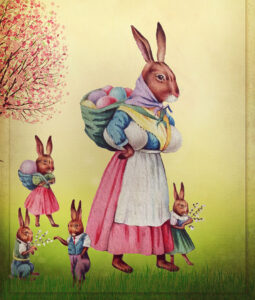
While birds are the undisputed champions of egg production, the enduring association of eggs with rabbits, particularly during springtime festivals, has deep historical roots. The myth of the egg-laying rabbit traces back to ancient pagan traditions celebrating fertility, rebirth, and the arrival of spring. Rabbits and hares, known for their prolific reproductive capabilities and early emergence in spring, became potent symbols of fecundity and new life in various cultures.
In parts of Europe, especially Germany, this symbolism coalesced into folklore around a mythical creature known as the "Osterhase" or Easter Hare. Records suggest this tradition dates as far back as the 1600s, with the earliest known mention appearing in a German text by Georg Franck von Franckenau in 1682, titled "De ovis paschalibus" (About Easter Eggs). Franck described an Alsatian tradition where an "Easter Hare" would lay eggs for well-behaved children to find in gardens. This hare was not just a simple rabbit but often depicted as a judge of children’s behavior, similar to Santa Claus, rewarding good deeds with colored eggs. This folklore likely evolved from earlier pagan reverence for the Germanic goddess Eostre (or Ostara), whose festivals were held during the spring equinox and often involved hares as sacred animals and eggs as symbols of new beginnings. The Christianization of these pagan rites led to a fascinating syncretism, where ancient symbols were absorbed and reinterpreted within the framework of Easter, a celebration of Christ’s resurrection and new life.
From German Hare to Global Icon: The Evolution of the Easter Bunny
The Osterhase made its transatlantic journey to America in the 18th century, primarily through German immigrants who settled in Pennsylvania. These immigrants brought their cherished traditions, including the "Osterhase" who delivered eggs, along with other Easter customs like decorated eggs (known as Oschter Haws or Oschter Lammli). Over generations, the German "hare" transformed into the more familiar "bunny" in American popular culture, influenced by English linguistic preferences and the broader appeal of rabbits.
The 19th and 20th centuries saw the commercialization and widespread adoption of the Easter Bunny myth. Confectioners began producing chocolate bunnies and eggs, and the practice of Easter egg hunts became a beloved annual event across the United States and eventually globally. Today, the Easter Bunny is an iconic figure, a testament to the enduring power of folklore and its ability to adapt and thrive across cultures and centuries. Cultural historians and folklorists consistently emphasize how these traditions, originating from deeply rooted pagan practices, seamlessly merged with Christian observances, creating a rich tapestry of meaning that continues to resonate with millions. The economic impact of Easter is significant, with billions spent annually on candies, decorations, and gifts, much of it tied to the imagery of the benevolent, egg-delivering rabbit.
Nesting Instincts: A Shared but Distinctive Practice
While the egg-laying ability is exclusive to birds, rabbits and birds do share one fundamental commonality: the instinct to build nests. However, their nesting strategies are remarkably different, reflecting their distinct biological needs and evolutionary paths.
Bird nests are incredibly diverse, ranging from elaborate woven structures high in trees to simple scrapes on the ground or intricate mud constructions. A mother bird typically incubates her eggs diligently, providing warmth and protection until hatching. After the chicks emerge, she often remains at the nest, bringing food and caring for her vulnerable offspring until they fledge.
Rabbit nests, by contrast, are far less conspicuous and serve a different purpose. Unlike the elevated, often intricate nests of birds, a mother rabbit (doe) constructs a simple, shallow depression in the ground, often hidden beneath dense vegetation or in a secluded patch of grass. She lines this rudimentary burrow with soft fur pulled from her own body, creating a warm, insulated chamber for her kits (baby rabbits). Crucially, after giving birth, the mother rabbit does not "sit" on her nest in the way a bird incubates eggs. Instead, she covers the nest opening with dried grass, leaves, or other debris, effectively camouflaging it from predators. To avoid attracting attention to her vulnerable offspring, she visits the nest only once or twice a day, typically at dawn and dusk, for brief, efficient feeding sessions. This stealthy approach minimizes the risk of predators discovering the nest, a vital survival strategy for a prey animal.
Beyond the Lore: The Enduring Significance of Eggs and Myths
The juxtaposition of the scientifically verifiable marvel of avian eggs and the culturally ingrained myth of the Easter Bunny offers a fascinating lens through which to view the natural world and human tradition. Bird eggs represent a pinnacle of evolutionary design, providing scientists with ongoing opportunities for research into embryology, biomechanics, and environmental adaptation. Their continued study contributes significantly to our understanding of avian biology and conservation efforts, particularly as many bird species face threats to their nesting habitats.
The Easter Bunny myth, on the other hand, exemplifies the powerful role of folklore in shaping cultural identity and celebrating universal themes of renewal and hope. It highlights how ancient symbols can be reinterpreted and endure, bridging historical gaps and offering comfort and joy across generations. While the rabbit will never truly lay an egg, its symbolic association with springtime and the eggs it "delivers" will likely continue to delight children and adults alike, a testament to the enduring human capacity for imagination and storytelling. Ultimately, both the biological reality of the bird egg and the cultural narrative of the Easter Bunny enrich our collective experience of spring, each in its own distinct and profound way.

