


The University of Massachusetts Chan Medical School (UMass Chan) is currently the subject of intense federal and state scrutiny following a series of whistleblower reports and subsequent investigations into allegations of systemic animal cruelty, neglect, and a profound failure of institutional oversight. Reports originating from within the school’s own laboratories suggest a pattern of conduct that violates the federal Animal Welfare Act (AWA), involving the starvation of canine subjects, the neglect of surgical complications in various species, and a conflict of interest at the highest levels of the institution’s animal care committee. These revelations have prompted interventions from the U.S. Department of Agriculture (USDA), the National Institutes of Health (NIH), and the Massachusetts Department of Public Health, raising significant questions regarding the ethical standards and scientific integrity of the research conducted at the Worcester-based facility.
Allegations of Severe Neglect and Physical Abuse
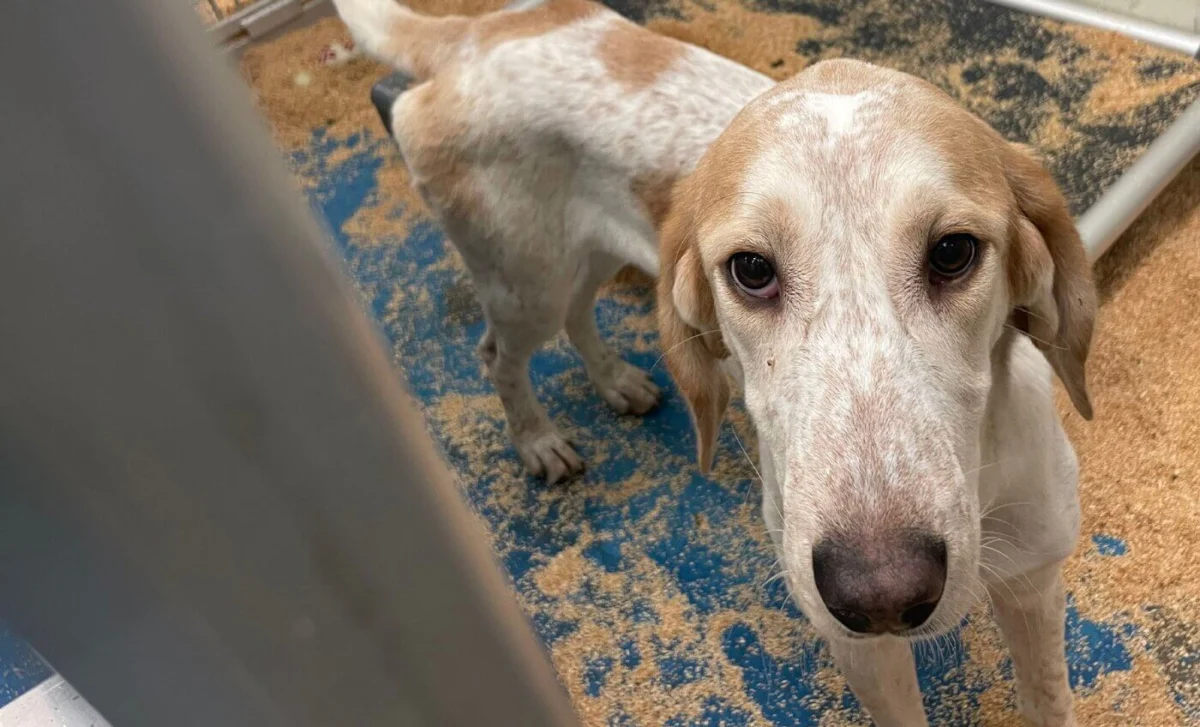
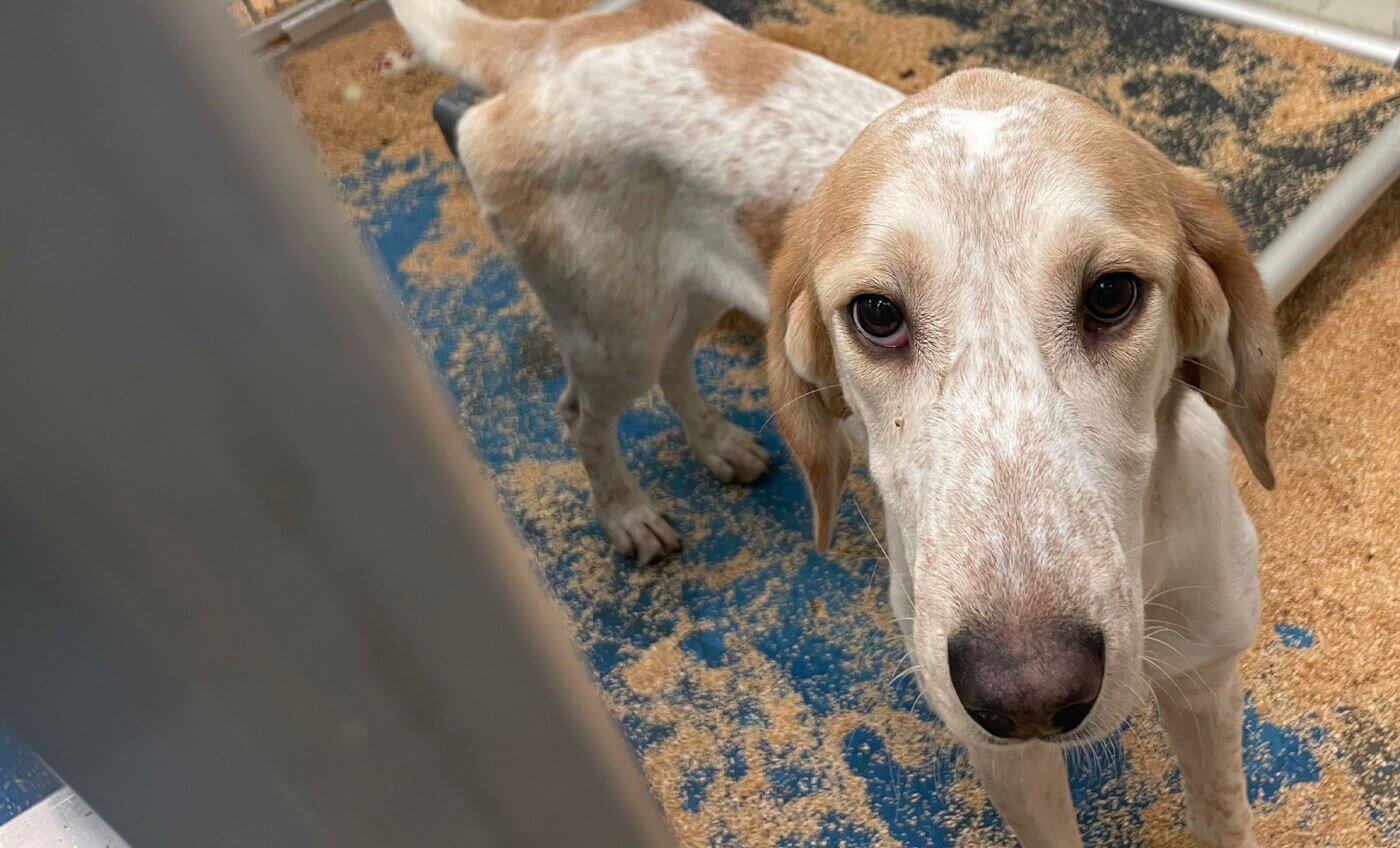
The controversy reached a critical point in late 2025 when internal documents and photographic evidence provided by an insider were made public. The most harrowing of these allegations involves the treatment of dogs used in invasive neurological and cardiovascular experiments. According to the reports, several dogs were kept in a state of emaciation. The whistleblower alleged that the animals were deliberately underfed to maintain a smaller physical size, purportedly so they would remain small enough to fit into the school’s existing laboratory kennels, thereby avoiding the need for the institution to invest in larger housing facilities.
Beyond the treatment of canines, the reports detailed a lack of adequate post-operative care for other species. In the porcine research division, baby pigs reportedly developed necrotic tissue—described as blue-black and dead—on their ears, tails, and feet. Such conditions are typically indicative of severe infection, poor circulation, or untreated environmental injuries. In other instances, animals were left to languish with surgical complications that did not receive timely or appropriate veterinary intervention, leading to prolonged suffering and, in some cases, agonizing deaths.
These incidents are framed against a backdrop of highly invasive experimental procedures. Records indicate that UMass Chan researchers engage in "workaday" experimentation that includes the induction of heart attacks in piglets and the breeding of cats and sheep to express debilitating neurodegenerative diseases. One specific area of research involves the creation of artificial aneurysms in dogs by surgically re-routing their blood vessels to observe the progression of the condition—a procedure that carries a high risk of painful complications.
The Role of Institutional Oversight and Conflict of Interest
Central to the controversy is Dr. Matthew Gounis, a prominent researcher at UMass Chan who serves as the chair of the Institutional Animal Care and Use Committee (IACUC). The IACUC is a federally mandated body responsible for reviewing and approving all research protocols involving vertebrate animals, ensuring they meet the standards of the Animal Welfare Act.
In February 2026, formal complaints highlighted what critics describe as a "glaring conflict of interest." As the head of the oversight committee, Dr. Gounis is in the position of presiding over the panel that approves his own research projects. Allegations suggest that this internal structure has allowed Gounis to bypass rigorous ethical checks. PETA and other advocacy groups have called upon UMass Chan Chancellor Michael Collins to remove Gounis from his leadership role on the committee, arguing that the school’s oversight system is effectively broken when the individual responsible for enforcement is also the primary violator of welfare standards.
Chronology of Investigations and Regulatory Action
The timeline of the current crisis reflects a rapidly escalating series of legal and public relations challenges for the medical school:
- December 16, 2025: The first major wave of allegations is made public. Based on insider documents, complaints are filed with the USDA, the NIH, and the Massachusetts Department of Public Health. The Worcester Telegram & Gazette breaks the story, detailing the starvation of dogs and the presence of necrotic wounds on laboratory animals.
- December 29, 2025: The Boston Globe and other major regional outlets, including WGBH and The Worcester Guardian, amplify the reports, bringing the issue to a statewide audience and increasing pressure on the university to respond.
- January 15, 2026: A detailed complaint is filed with the Massachusetts Board of Registration in Veterinary Medicine against two senior veterinarians at the school, Dr. George DeMarco and Dr. Joan Cadillac. The complaint alleges that they were complicit in a cover-up, suggesting that Dr. DeMarco repeatedly re-wrote protocols after procedures had already occurred to hide animal care failures.
- February 17, 2026: Formal demands are issued to Chancellor Michael Collins for the removal of Dr. Matthew Gounis from the animal oversight committee.
- February 23, 2026: The USDA issues official citations against UMass Chan for violations of the Animal Welfare Act. The federal inspectors confirmed that Gounis’ laboratory performed invasive surgeries on dogs without a plan to treat foreseeable complications. The inspection also uncovered "careless handling," such as a dog swallowing a catheter left inside its body after surgery and rabbits being administered dangerous overdoses of anesthesia.
- March 19, 2026: Targeted social media campaigns are launched to encourage more whistleblowers within the university to come forward, suggesting that the reported incidents may only represent a fraction of the total violations.
- April 29, 2026: Current reports indicate that the investigations by the USDA and NIH remain ongoing, with the potential for further fines or the suspension of federal research grants.
Professional Malpractice Allegations Against Veterinary Staff
The role of the attending veterinarians has become a focal point of the investigation. Under the Animal Welfare Act, the attending veterinarian must have the authority to ensure the provision of adequate veterinary care and oversee the adequacy of other aspects of animal care and use.
The complaint filed against Drs. DeMarco and Cadillac suggests a systemic failure in this duty. The allegations include the intentional delay of treatment for animals in distress and the falsification of records to ensure the school remained in technical compliance with federal guidelines during audits. If the Massachusetts Board of Registration in Veterinary Medicine finds these allegations to be true, the veterinarians could face the suspension or revocation of their professional licenses.
Regulatory Framework and Potential Implications
Research institutions that receive federal funding are subject to strict regulations. The NIH’s Office of Laboratory Animal Welfare (OLAW) and the USDA’s Animal and Plant Health Inspection Service (APHIS) are the primary bodies that enforce the humane treatment of laboratory animals.
For an institution of UMass Chan’s stature, the implications of these citations are significant. In the United States, approximately 800,000 animals (excluding rats, mice, and birds, which are not covered by the AWA) are used in research annually. The discovery of "repeat violations" and "careless handling" often leads to a tiered system of enforcement, starting with warnings and fines, but potentially escalating to the revocation of an institution’s "Assurance," a document required to receive NIH funding.
The financial stakes are high. UMass Chan Medical School receives millions of dollars in federal grants each year. Should the NIH determine that the school’s IACUC is non-functional or that the institution is in "serious or continuing noncompliance" with the PHS Policy on Humane Care and Use of Laboratory Animals, that funding could be jeopardized.
Public Response and Institutional Integrity
The public response has been characterized by a mix of outrage and calls for greater transparency. While UMass Chan has historically defended its research as essential for medical breakthroughs—particularly in the fields of gene therapy and neurodegenerative diseases—the specific nature of the current allegations (such as starving dogs to save money on cages) has proven difficult to justify under the banner of scientific necessity.
Medical ethics experts point out that the validity of scientific data is inextricably linked to the welfare of the research subjects. Animals under extreme stress, suffering from malnutrition, or dealing with untreated infections produce physiological data that is often unreliable. Therefore, the alleged neglect at UMass Chan is not only an ethical issue but also a threat to the scientific validity of the research being produced.
As the federal and state investigations continue, the university faces a pivotal moment. The outcome will likely depend on whether the school chooses to implement radical changes to its oversight committee and veterinary protocols or continues to maintain its current leadership structure amidst growing evidence of systemic failure. For now, the eyes of the regulatory community and the public remain fixed on Worcester, as the full extent of the suffering within the school’s laboratories continues to come to light.

